Hanko in Modern Japan
The anchor overview page for this whole section. It gives the big picture of what changed, what remained, and why hanko still matters.
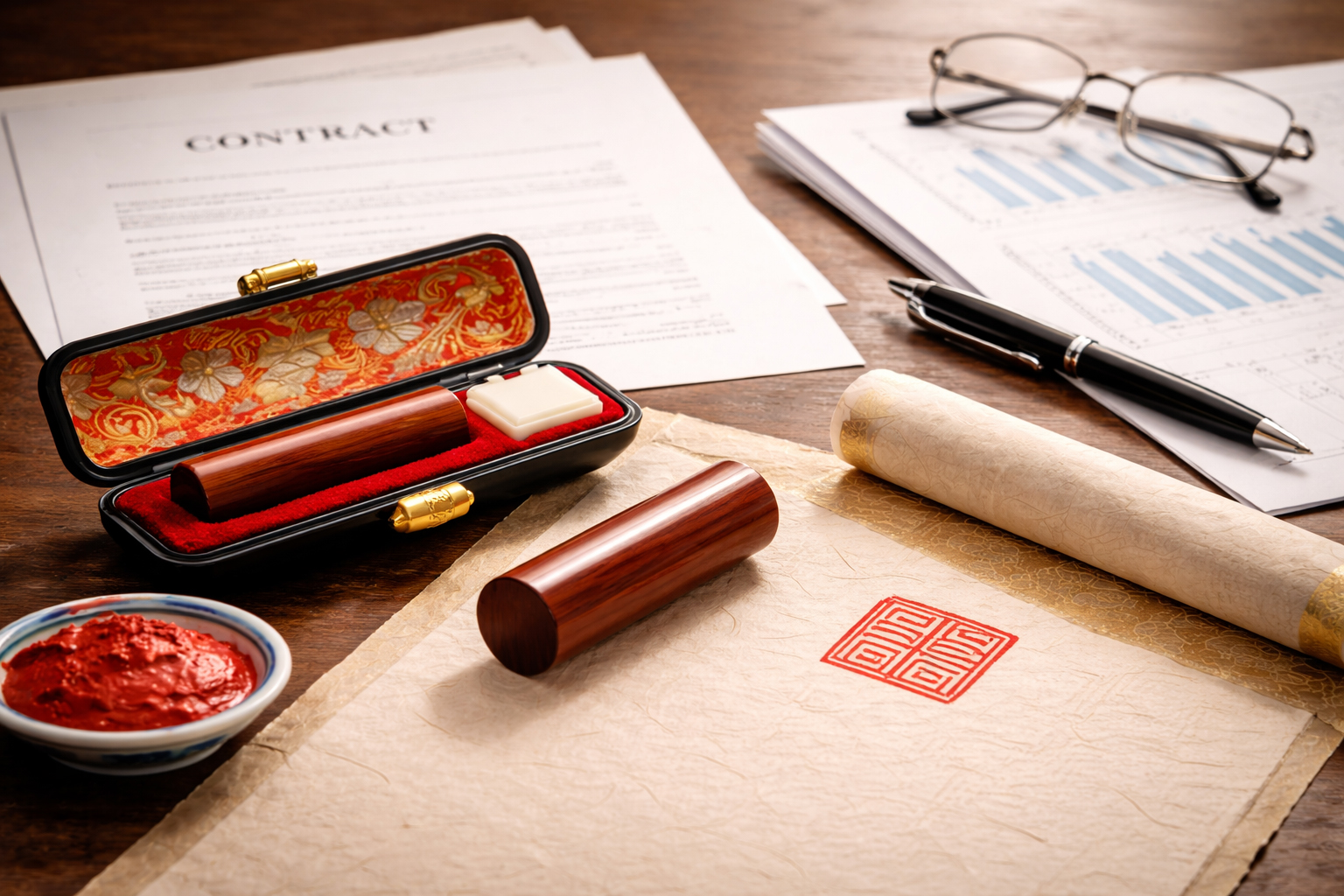
Modern Hanko
What is the place of hanko in Japan today? The age of stamping everything is clearly changing, but seal culture has not simply disappeared. In modern Japan, hanko survives in a more selective way — in formal procedures, high-trust settings, institutional culture, personal identity, and craft. This section brings those different threads together.
The anchor overview page for this whole section. It gives the big picture of what changed, what remained, and why hanko still matters.
See how remote work, e-contracts, and administrative reform reshaped the discussion around seals in Japan.
This page explains why routine low-stakes stamping faded in daily office life and what replaced it.
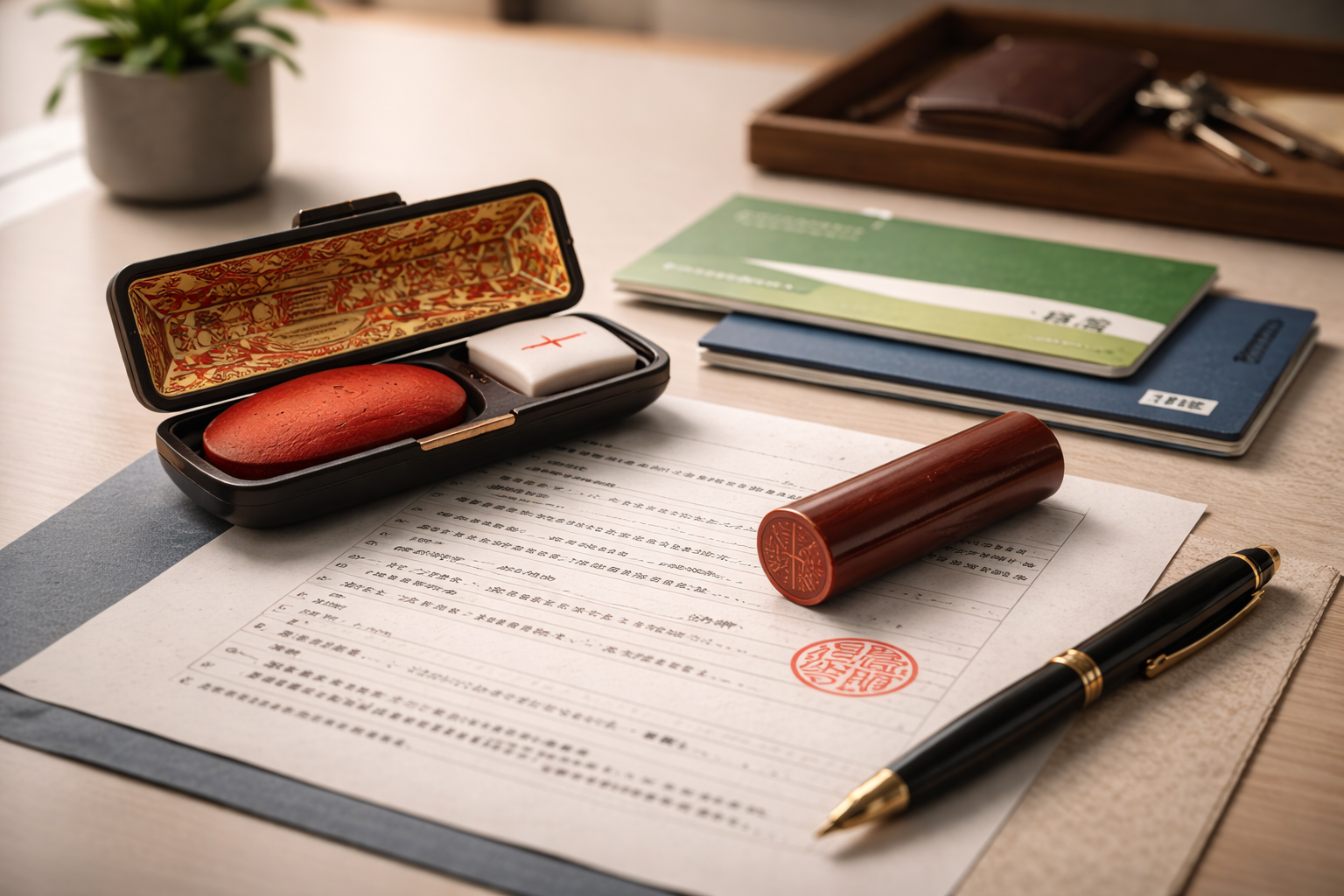
Learn how official procedure changed after the push away from routine stamping, and why paper-era habits still remain in some places.
Explore how company seals, electronic contracts, and formal business practice now coexist in Japan.
Property deals remain one of the clearest places where visible formality and seal culture still feel strong.
Bank seals, registered account procedures, legacy practice, and digital identity all meet here.
See when signatures are more natural than seals in modern Japan, especially in international and digital settings.
A companion overview showing where seals still remain clearly alive in contemporary Japanese life.
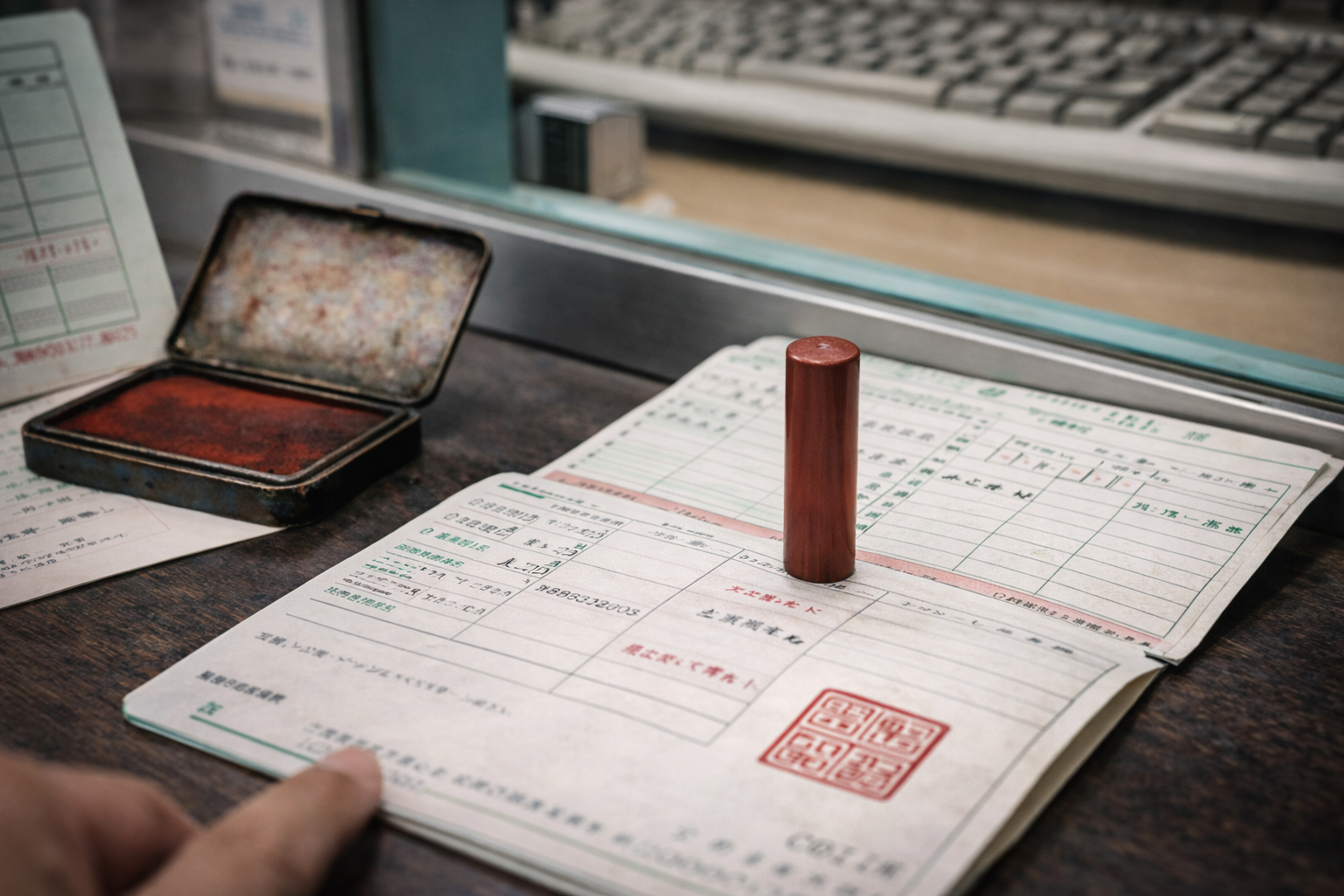
Understand the modern role of the registered personal seal and how its logic now overlaps with stronger digital identity systems.
This page explains the registration process that turns a personal seal into a formally registered one.
Learn what the seal registration certificate proves and why it matters in high-formality situations.
For the full picture, begin with Hanko in Modern Japan. For practical procedure, move next into banking, real estate, government paperwork, and contracts. For the formal identity side of the story, read the jitsuin, seal registration, and inkan shomeisho pages together.