
Why Seals Remain Strong in Property Deals
Real estate is not an everyday purchase. It involves large sums, long obligations, and multiple parties: buyer, seller, landlord, tenant, broker, lender, and sometimes government-facing procedures as well.
In that kind of environment, formality matters. Name, identity, consent, and documentary clarity all carry unusual importance. That is one reason seals remained visible in property transactions for so long. The act of stamping a document can also feel like a moment of commitment, not just a procedural step.
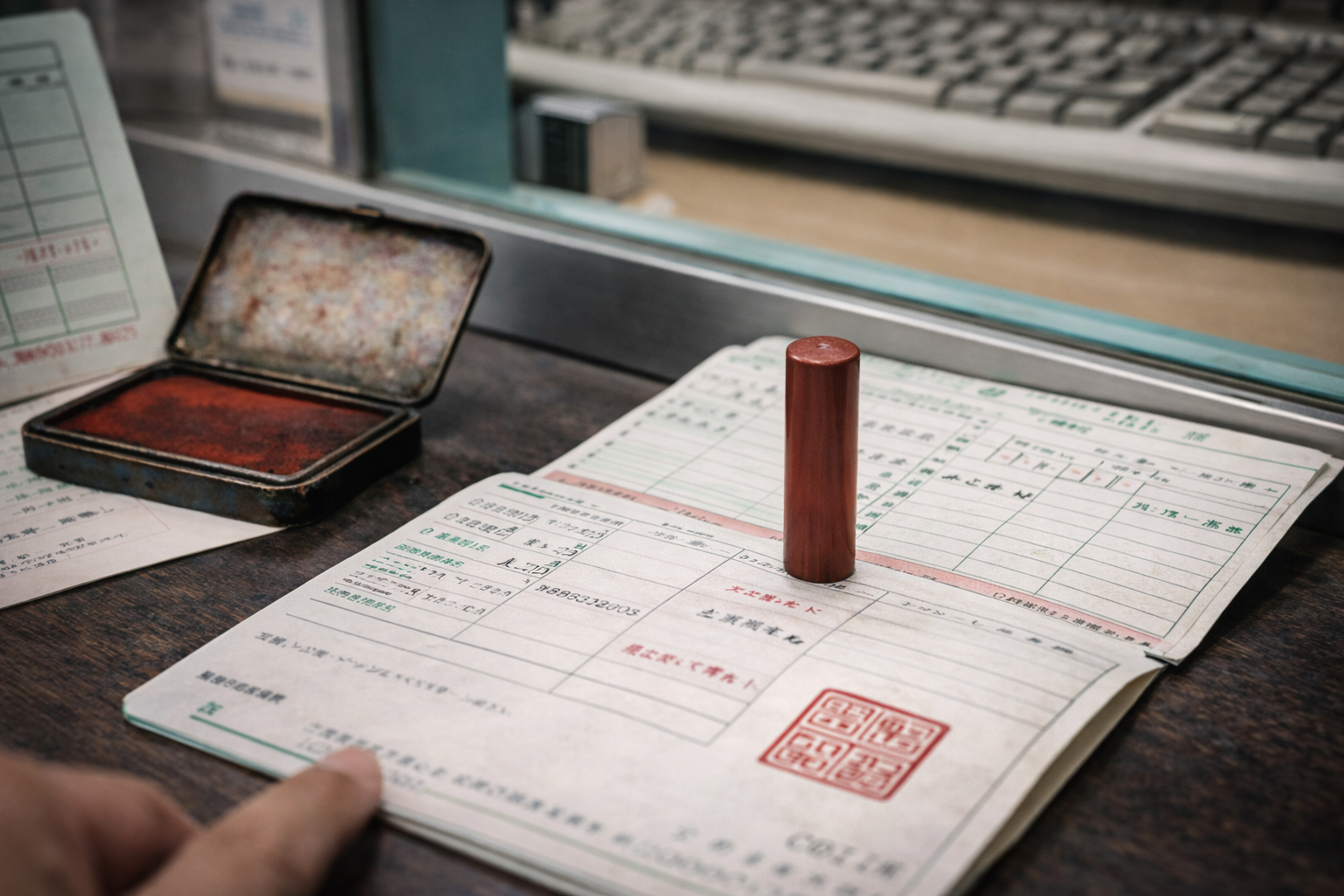
Sales and Rentals Do Not Feel Exactly the Same
In Japanese real estate, property sales and rental contracts do not always treat seals with the same intensity. Sales transactions tend to feel heavier. They often connect to financing, large payments, formal identity procedures, and supporting records that encourage a more traditional sense of caution.
Rentals, by contrast, have become more flexible in many settings. Depending on the management company or property, online procedures and electronic contracting are much more common than before. Even so, paper-heavy and seal-friendly practice still remains in parts of the rental market.
Can Real Estate Contracts Be Electronic in Japan?
Yes. Japan’s legal framework supports electronic signatures, and qualifying electronic records can receive a presumption of authentic establishment under the Act on Electronic Signatures and Certification Business. :contentReference[oaicite:4]{index=4}
MLIT-linked housing program materials also explicitly state that submitted real estate sale contracts may be concluded by electronic contract, provided the necessary requirements can still be confirmed from the submitted contract materials. :contentReference[oaicite:5]{index=5}
So real estate in Japan is no longer a world where every contract must exist only as stamped paper.
Why paper still feels safe
People can sign in front of each other, stamp visibly, and leave with a physical original.
Why electronic contracts grow
They reduce mailing, simplify remote handling, and improve storage and search.
What happens in practice
The workflow often depends on the deal type, broker, property manager, lender, and the comfort level of the parties.
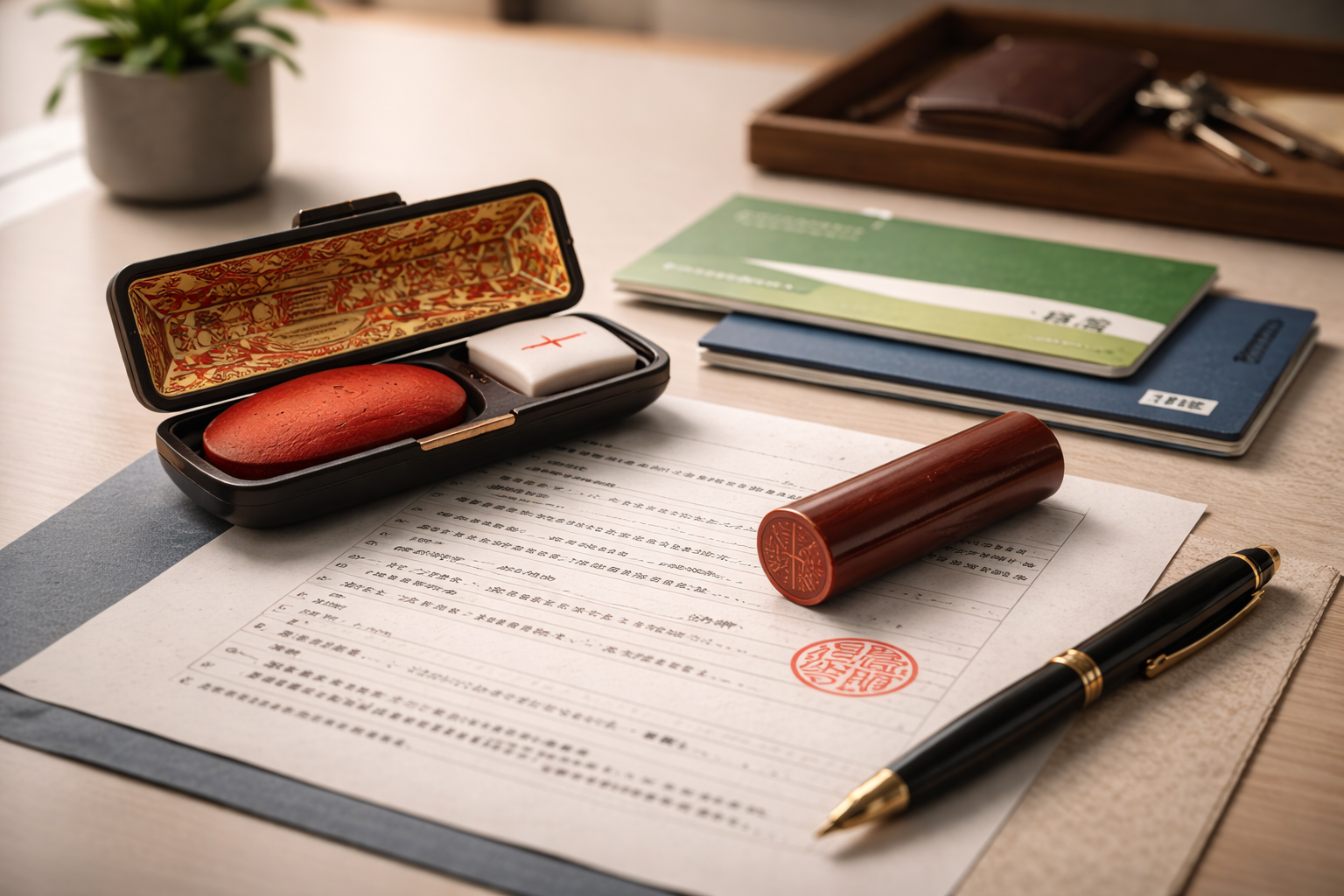
Why Hanko Still Remains in the Process
Even where electronic contracts are available, seals remain for clear reasons.
- High-value deals encourage visible confirmation
- Some related finance paperwork may still be paper-centered
- Parties may want stronger psychological reassurance
- Brokers or management firms may still use older workflows
- Not all buyers, sellers, landlords, or tenants are equally comfortable with digital execution
Real estate is not only about legal validity. It is also about whether everyone involved feels that the transaction is properly understood and properly completed. Hanko still supports that feeling in many cases.
Explanations, Formality, and the Human Side of Property Deals
Japanese real estate has long been associated with face-to-face explanation and document review. That means the contract experience has often been remembered as a full event: explanation, questions, identification, signing, stamping, and exchange of documents.
Digital procedures are changing that experience, but not erasing the need for trust. Property transactions make people nervous. Convenience helps, but reassurance still matters. That is one reason visible formal acts, including sealing, continue to survive.

Where Real Estate Practice Is Heading
Electronic execution in property deals will likely continue to expand. Official and quasi-official documentation already reflects acceptance of electronically concluded real estate sales contracts in at least some practical administrative settings. :contentReference[oaicite:6]{index=6}
But that does not mean every high-stakes transaction will immediately become fully seal-free. Property deals connect to lending, identity, recordkeeping, and local business habits, all of which move at different speeds.
The most realistic picture is a hybrid one: more digital leasing and more digital paperwork overall, while some important stages of property transactions still keep paper, visible formality, and sometimes hanko.
In property deals, visible formality still matters
Hanko is no longer absolute in Japanese real estate. Yet it remains meaningful because homes and land are not ordinary transactions. The seal survives where people still want seriousness to feel visible.
Real estate therefore shows the modern fate of hanko clearly: not total disappearance, but selective survival inside a more digital system.