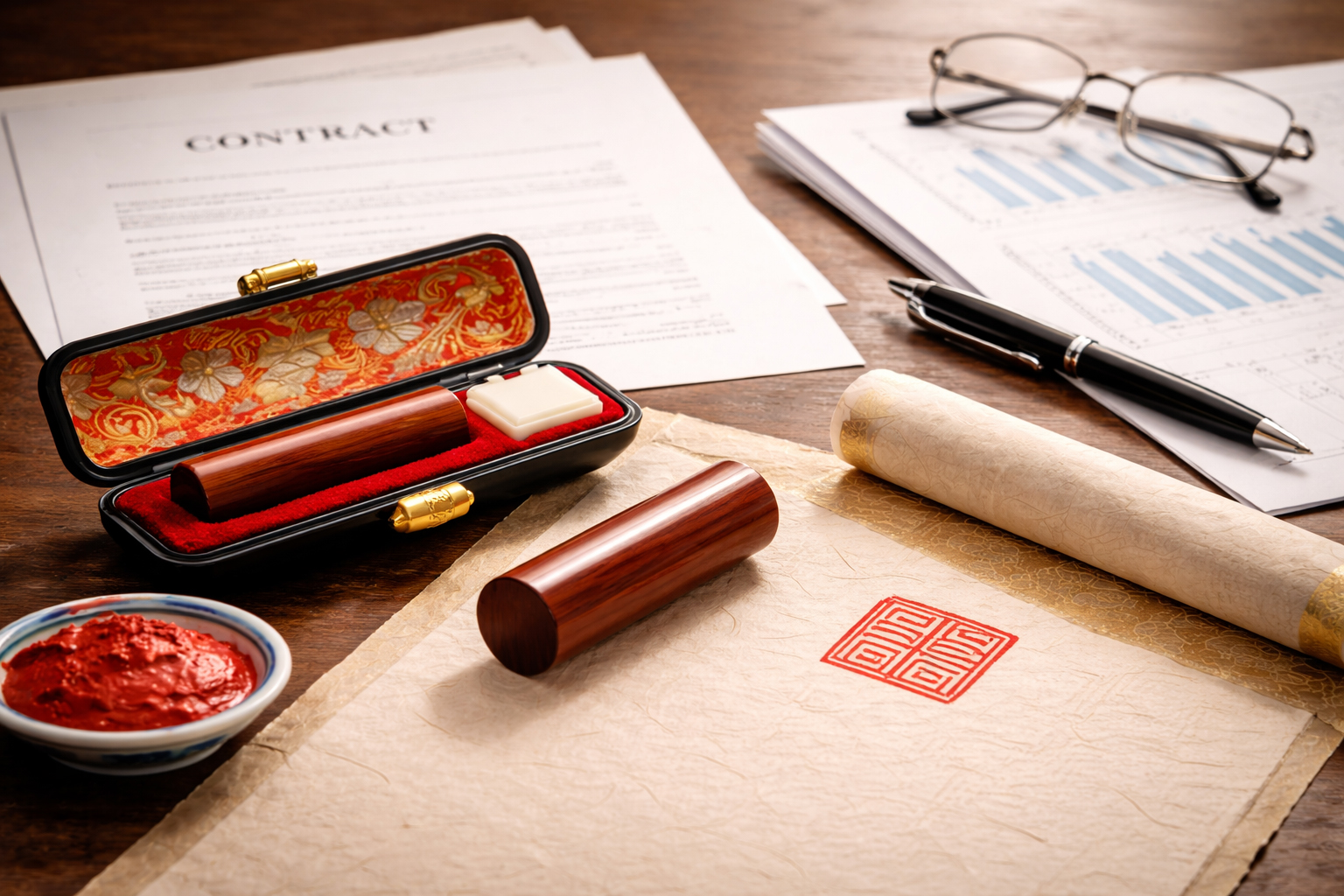
Modern Hanko Is Less Universal but More Concentrated
In earlier decades, seals appeared in everyday office life almost everywhere: circulation sheets, receipt marks, estimates, internal approvals, small administrative confirmations, and more. Many of those lightweight uses have now declined.
Electronic signatures have a clear legal framework in Japan, including a presumption of authentic establishment for qualifying electronic records under the Act on Electronic Signatures and Certification Business. :contentReference[oaicite:5]{index=5} That legal and technical shift helped push Japan away from routine stamping for every small act.
So modern hanko is best understood not as a dead custom, but as a custom whose use has been narrowed to the situations where people still want visible seriousness.
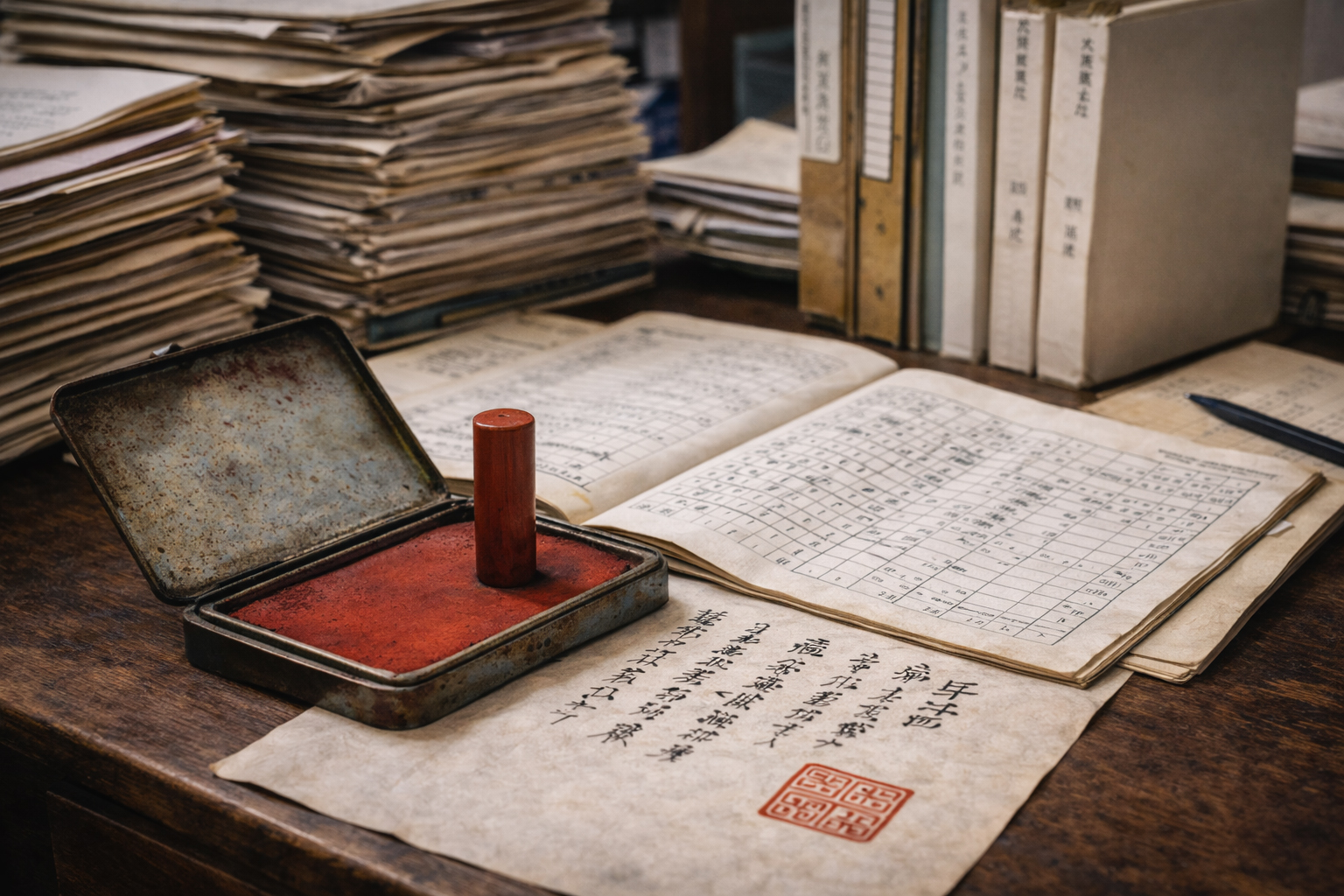
Digitalization Did Not End Hanko. It Forced Japan to Reconsider It.
Japan’s government has explicitly worked to reduce unnecessary seals and paper-centered procedure as part of its broader digital-society agenda. :contentReference[oaicite:6]{index=6}
At the same time, the Digital Agency is expanding stronger digital identity in both public and private sectors. Its current JPKI introduction page states that 892 private-sector companies had introduced JPKI as of January 31, 2026. :contentReference[oaicite:7]{index=7}
These developments do not mean Japan simply abolished seal culture. They mean Japan started asking a sharper question: where does a seal still matter, and where does it not?
Where Hanko Still Remains Visible
Finance
Bank seals and legacy account procedures still preserve some impression-matching logic.
Real estate
Property deals remain one of the fields where visible formality still feels especially important.
Government and company formality
Even after review and reform, some administrative and corporate document culture still retains seal use.
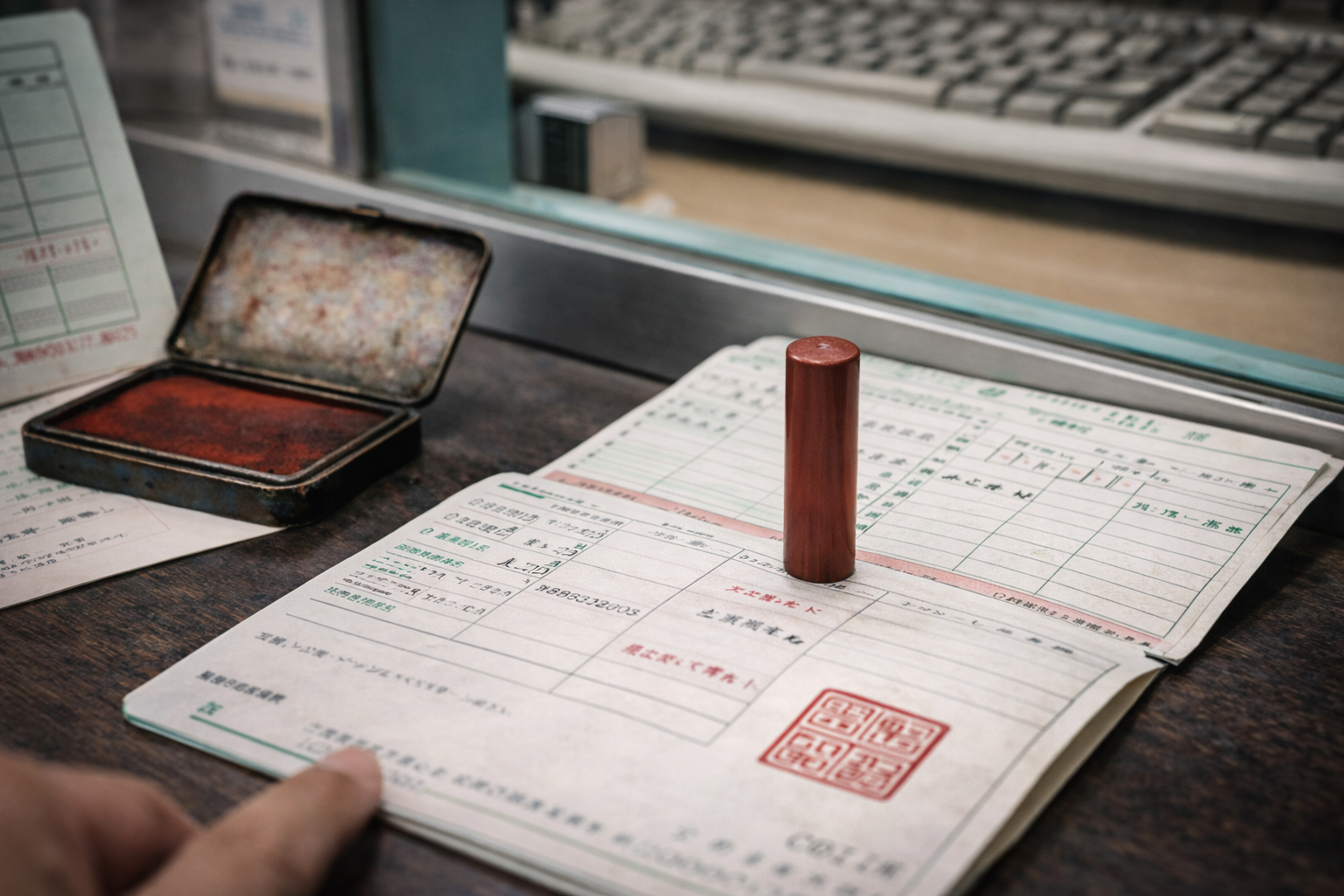
In Modern Japan, Hanko Signals Identity and Formality
The continuing force of hanko is not explained by habit alone. In many settings, a seal still represents personal intent, responsibility, visible completion, and a feeling that the document is truly formal.
This is especially clear in the worlds of the jitsuin, seal registration, and seal registration certificates, where the seal is backed by public registration and stronger assumptions about identity.
Signatures and Seals Now Coexist
Modern Japan also uses signatures widely. International agreements, hotels, deliveries, credit-card slips, English-language paperwork, and digital contract systems often favor signatures or electronic signing rather than physical stamps.
That means the modern question is no longer “Is Japan a seal culture or a signature culture?” It is “Which form best fits this document, this workflow, and this relationship?”
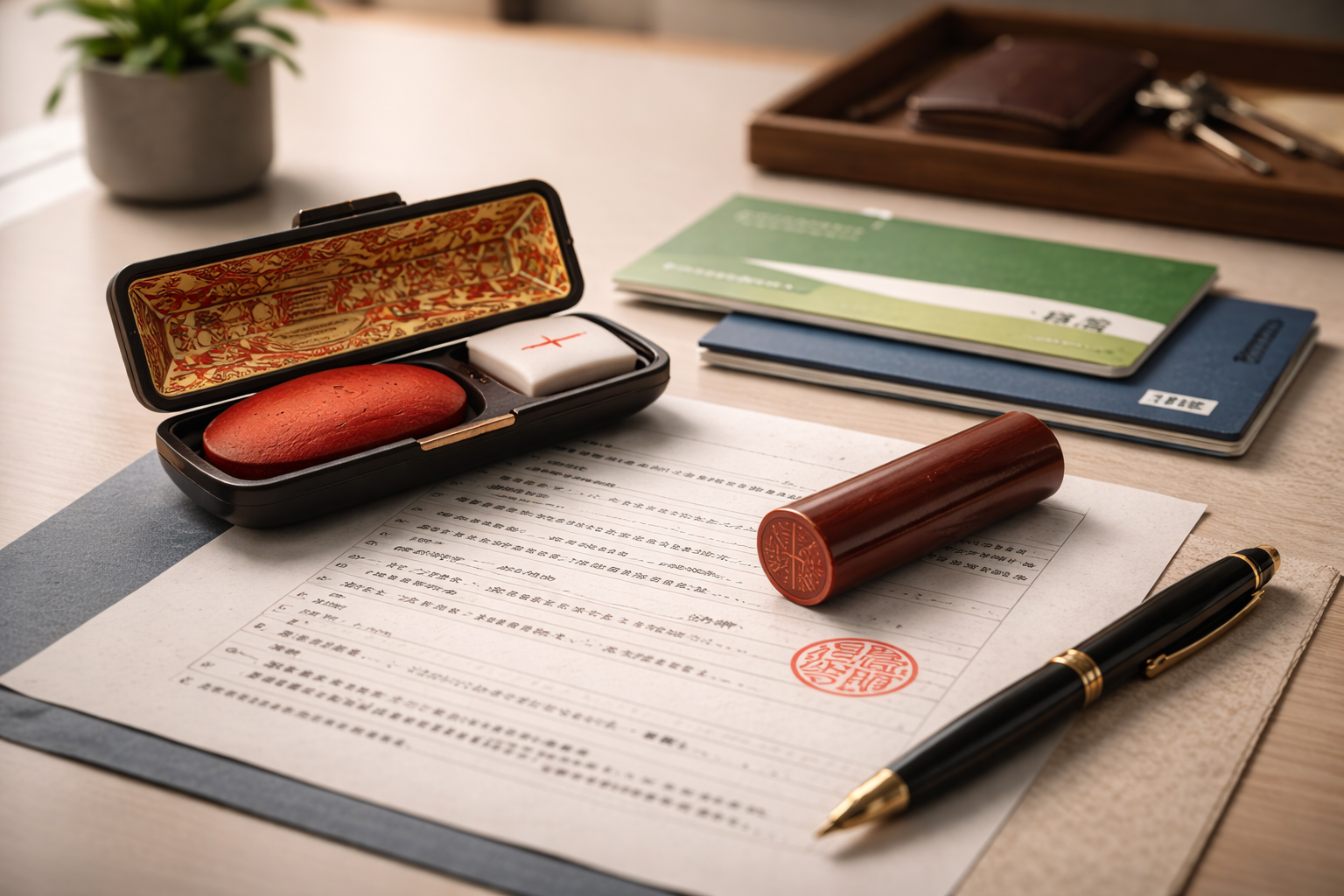
Toward Digital “Jitsuin-Equivalent” Systems
Digital Agency materials increasingly describe stronger digital identity and certificate-based signing in terms that overlap with the traditional role of the jitsuin. Expert and policy materials discuss mechanisms built on My Number Card and electronic certificates as stronger forms of authenticated digital identity. :contentReference[oaicite:8]{index=8}
That does not mean physical seals disappear overnight. It means Japan is trying to translate the functions once carried by the seal — identity, non-repudiation, and visible seriousness — into electronic systems.
The Cultural Side of Hanko Remains Strong
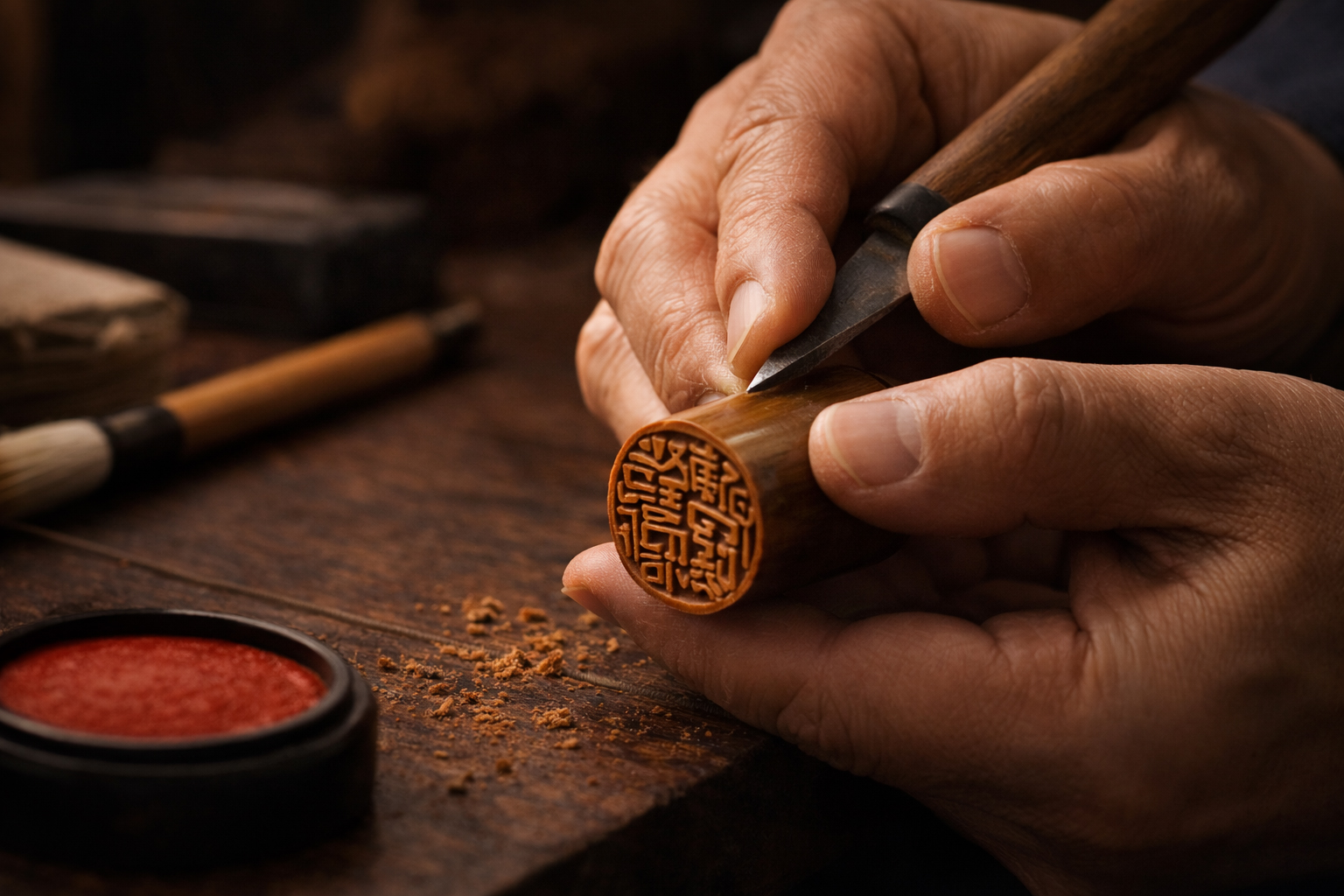
Hanko is not only procedural. It also survives as a gift object, a carved personal name seal, a calligraphic mark, a seal-carving artwork, and a crafted item with aesthetic value.
As routine office stamping declines, this cultural and artistic side can become even more visible. Modern Japan still keeps hanko alive not only through institutions, but through taste, memory, and personal identity.
If You Had to Define Modern Hanko in One Sentence
In modern Japan, hanko is no longer the universal everyday stamp of every document. Yet it remains alive in finance, real estate, administration, company formality, family milestones, gifts, and artistic culture.
The most accurate summary is this: hanko moved away from low-meaning repetition and toward high-meaning use.
Hanko is not over in modern Japan
Digitalization is real. Electronic signatures are real. Stronger digital identity is real. But hanko still remains because Japan still has situations where visible formality matters.
The future of hanko is not universal use. It is selective use in the moments that still ask for weight, proof, and presence.