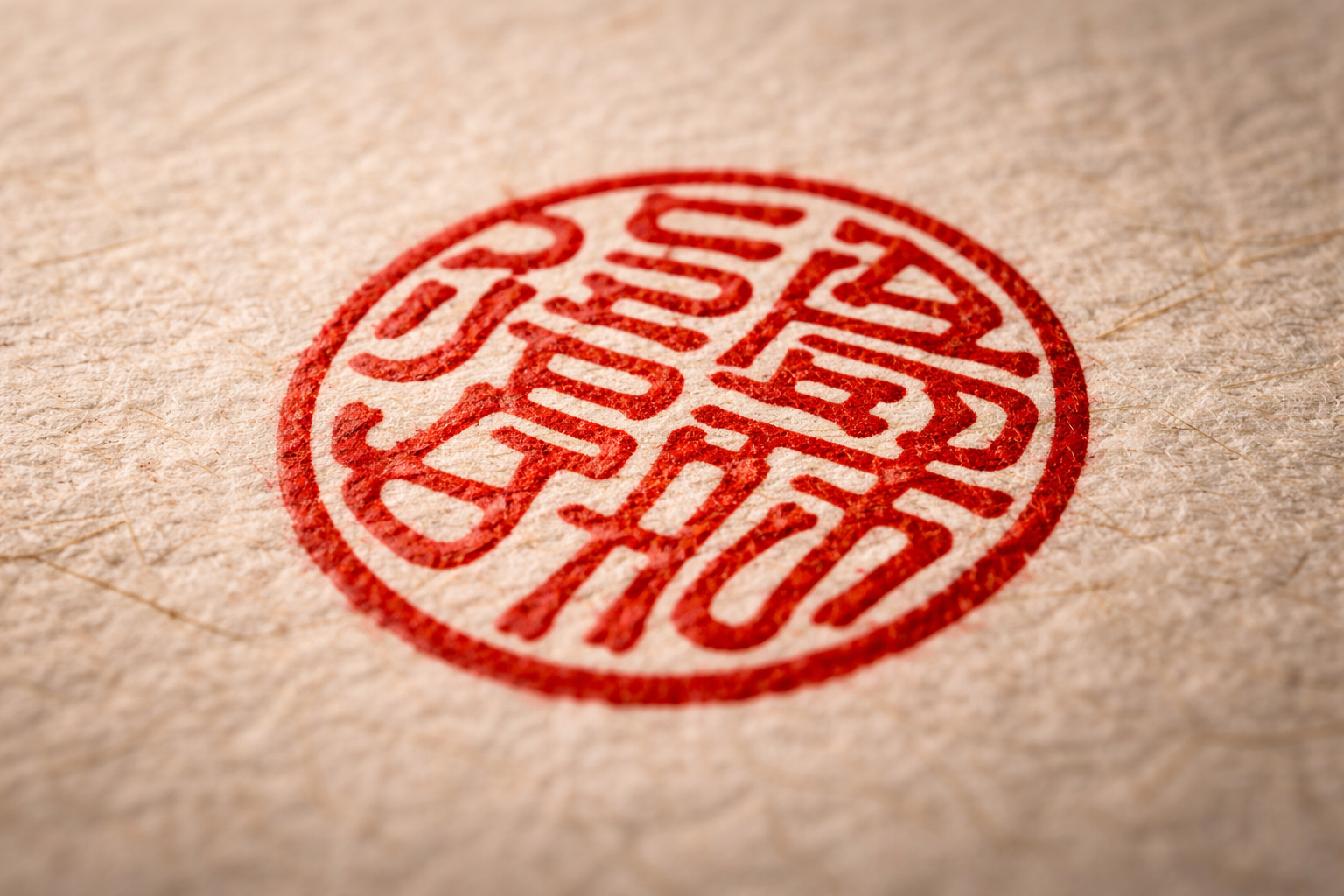
Hanko Remains Where Meaning Is Concentrated
It is no longer accurate to describe Japan as a place where seals are needed for everything. But it is also not accurate to say seals are gone. What changed is the distribution of use.
Many light routine approvals have faded as digital systems spread and governments review paper- and seal-based requirements. :contentReference[oaicite:7]{index=7} What remains are the situations where people still want a visible mark of identity, responsibility, seriousness, or completion.
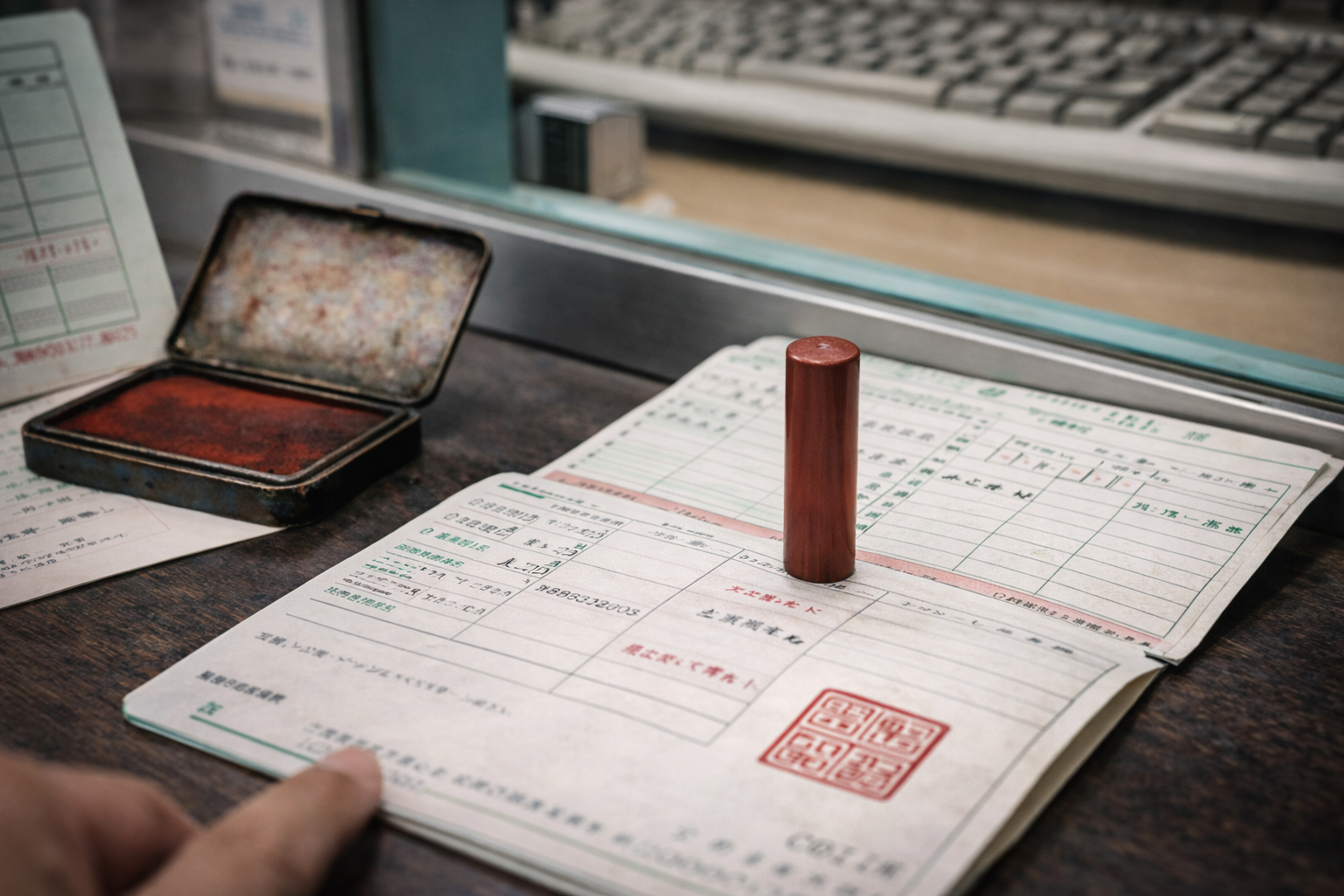
1. Banking and Financial Procedures
The bank seal remains one of the best-known forms of modern hanko use. Not every banking action requires it now, but some older accounts, counter procedures, and exception-handling workflows still rely on registered seal logic.
Finance changes slowly because fraud prevention and identity verification are central concerns. Even as digital identity tools spread, seal-linked procedure still survives in some parts of banking. :contentReference[oaicite:8]{index=8}
2. Real Estate Transactions
Property transactions still give seals unusual visibility in Japan. Buying land, selling a home, signing a lease, or handling associated paperwork often feels weightier than ordinary service transactions.
Electronic contracts are increasingly accepted, but real estate still attracts people who want visible confirmation: documents on paper, careful explanation, and in some cases a seal as part of the experience of commitment.
Where hanko remains strongest
Banking, real estate, government paperwork, company documents, inheritance-related matters, and formal registration contexts.
Why it remains
It still conveys seriousness, responsibility, institutional familiarity, and visible completion.
What declined most
Everyday low-stakes office stamping and routine acknowledgment marks.
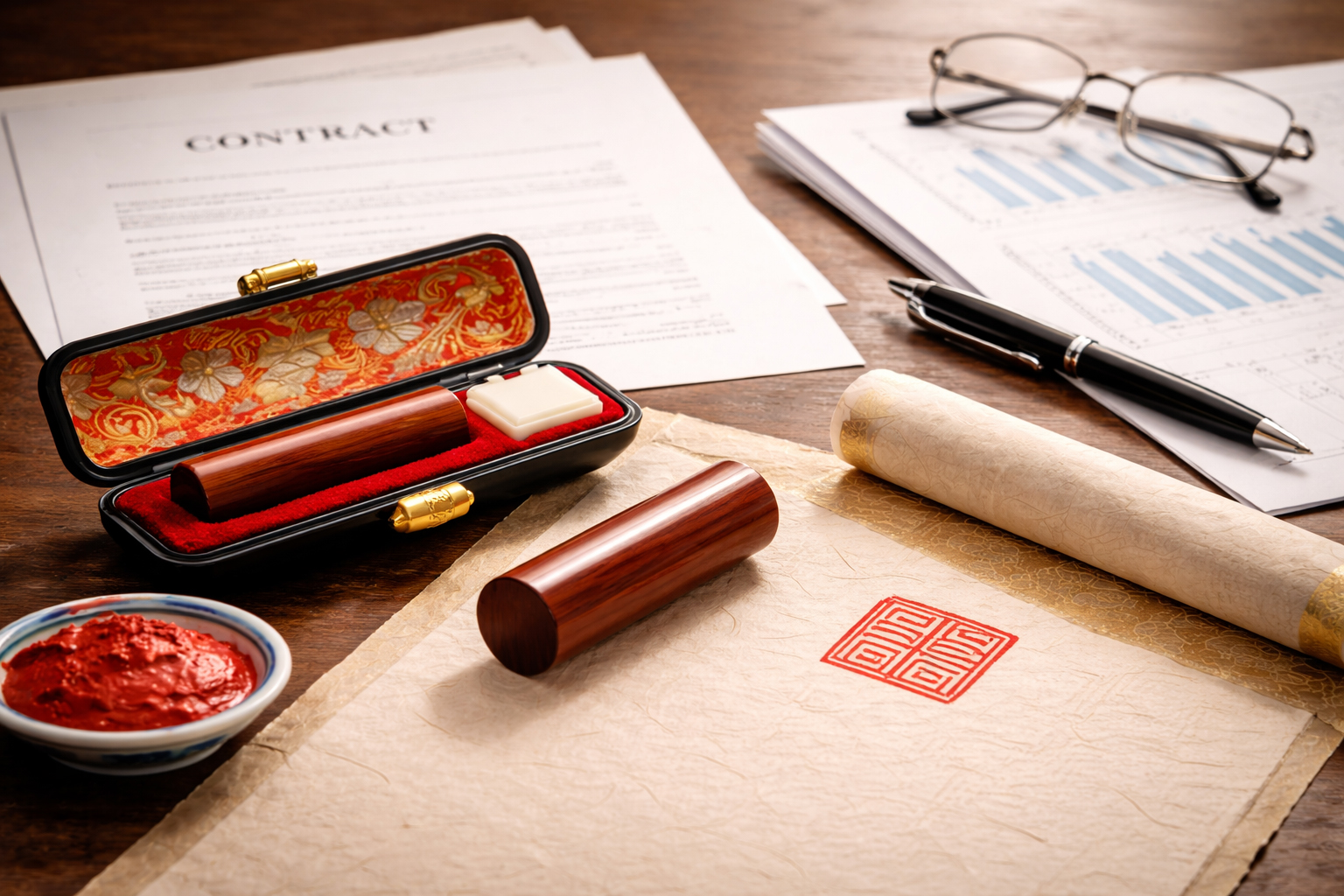
3. Government and Public Paperwork
Government has moved to reduce unnecessary seal requirements and paper-first processes, but change is uneven across offices, agencies, municipalities, and procedures. :contentReference[oaicite:9]{index=9}
That means some public procedures no longer require a seal, while others still feel rooted in older paper-centered habits. Hanko therefore remains visible in parts of public administration, especially during this long transition period.
4. Company Documents and Formal External Contracts
Electronic signatures are legally supported in Japan, and digital contracting is growing. :contentReference[oaicite:10]{index=10} Even so, company seals still appear on formal documents, internal-approval-based agreements, and paperwork that must visibly present itself as “official.”
In some B2B settings, a seal still functions less as a strict legal necessity and more as a signal that the document truly represents the company’s approved position.

5. Family Procedures and Life Milestones
Inheritance matters, marriage-related documentation, address changes, formal notices, and major family agreements can still draw attention back to the seal.
Especially where registered seals or formal proof of identity are involved, hanko is often treated not as a convenience item but as a representation of the person. Many people may rarely use one day to day, yet still keep one for important moments.
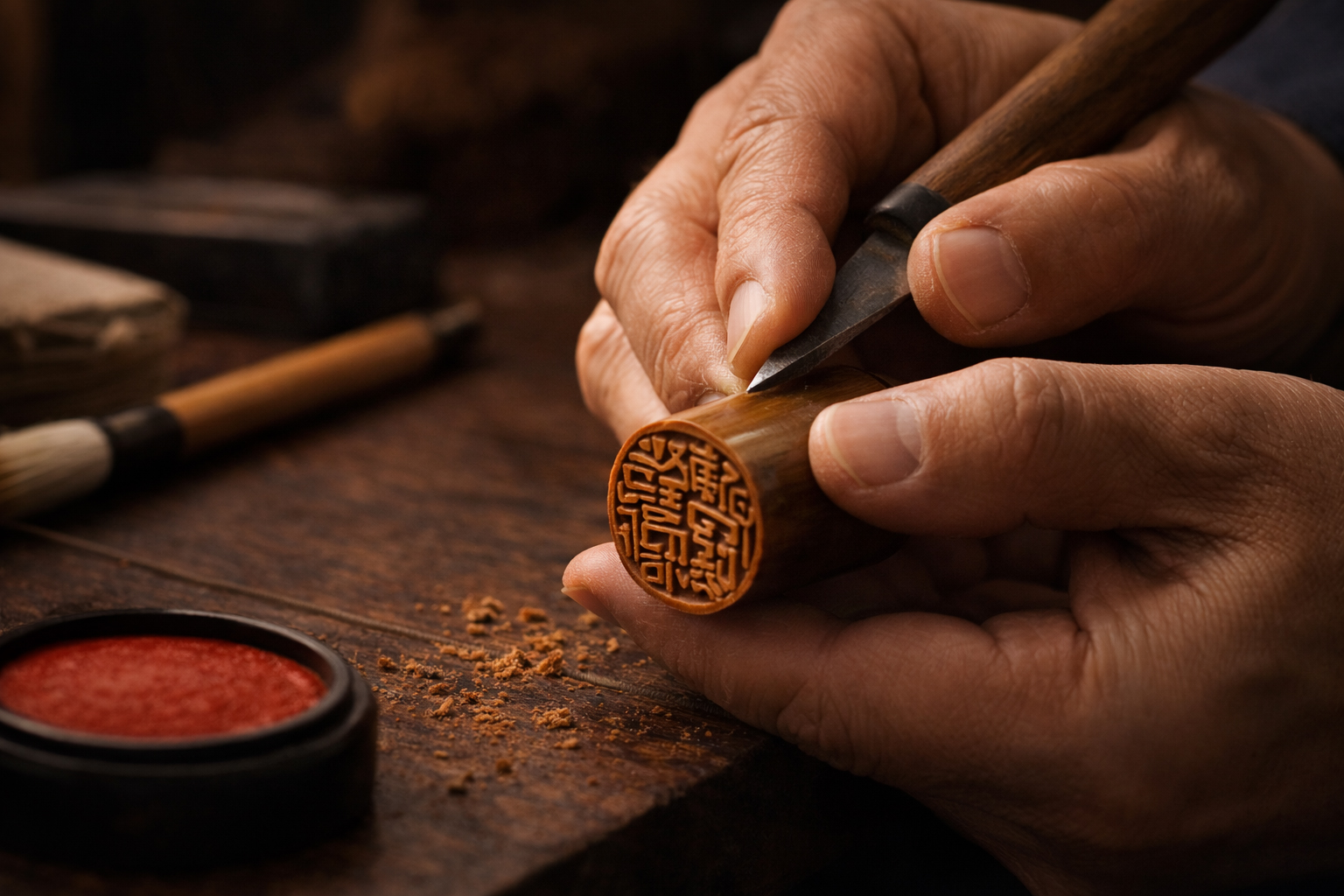
6. Gifts, Craft, and Artistic Identity
Hanko is not only an administrative tool. It also survives as a carved personal gift, a calligraphic seal, an artistic mark, and a crafted object with aesthetic value.
As routine office stamping declines, this cultural side of hanko can become even more visible. The seal remains not because paperwork demands it everywhere, but because people still choose it where meaning matters.
So When Is Hanko Still Used?
- When identity and responsibility need visible weight
- When the transaction is large, formal, or long-lasting
- When institutional systems still operate through paper-era logic
- When companies or families want visible formality
- When the seal carries cultural or artistic value in its own right
Seen this way, hanko survives not because Japan failed to modernize, but because some situations still ask for a concrete sign of seriousness.
Hanko remains where it still means something
Modern Japan is clearly more digital than before. Yet seals remain in banking, real estate, administration, business, family life, and craft because these are places where meaning, formality, and visible intent still matter.
The future of hanko is not universal use. It is selective use in the places where people still want weight to be seen.