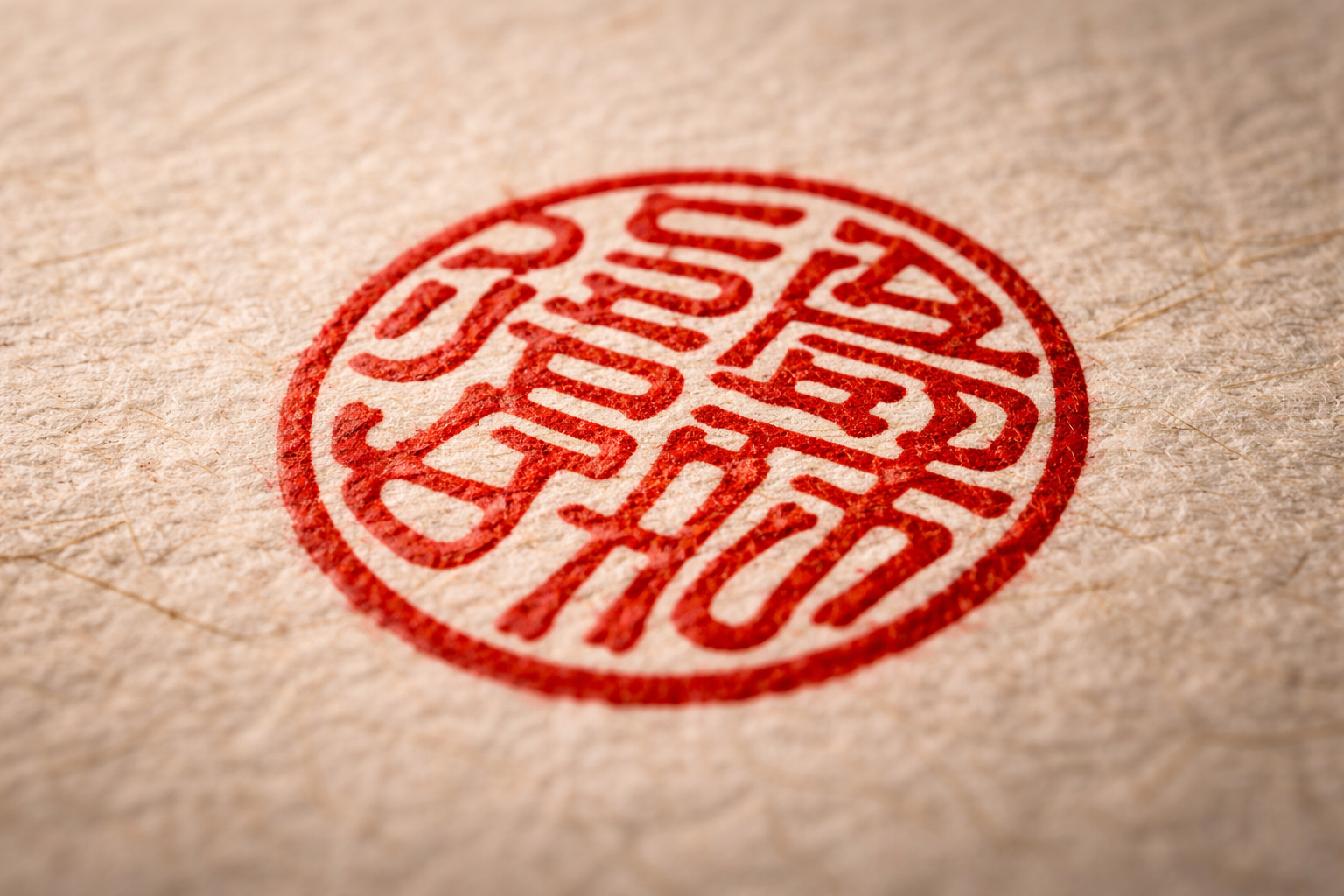
It Is Not the Seal. It Is the Proof of Registration.
The first important point is simple: an inkan shomeisho is not the physical seal. It is a certificate issued by a city, ward, town, or village office showing that the seal impression registered in the municipal system belongs to that person.
So the real meaning of the document is not just “this is a red stamp mark.” It is “this registered impression is officially connected to this person in the local government record.”
How It Differs from Seal Registration
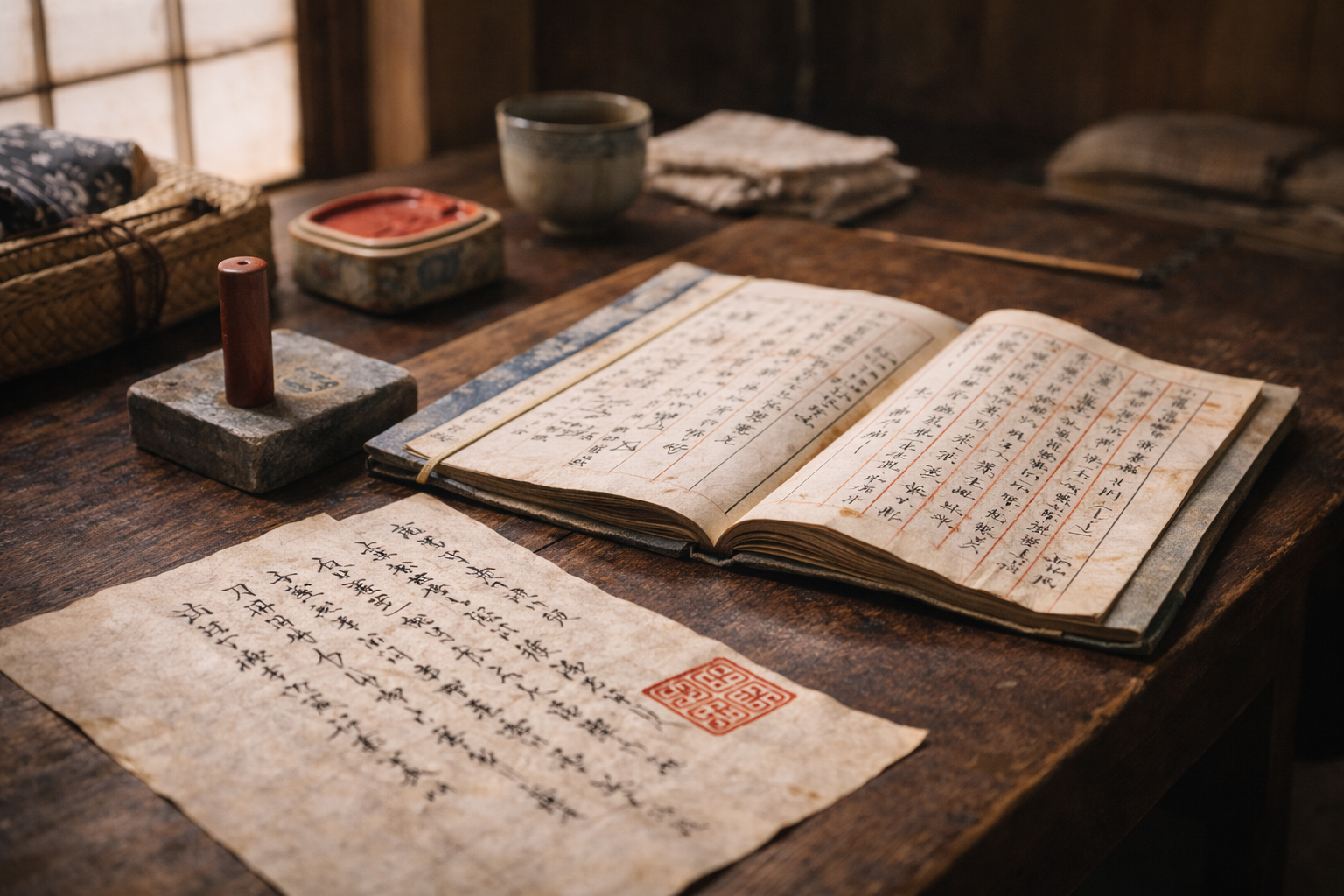
People often confuse seal registration with the inkan shomeisho, but they are not the same thing.
Seal registration is the act of registering a seal with the municipality. The inkan shomeisho is the certificate issued later, when needed, to prove that the registered seal impression is officially on file.
The order matters. First, the seal must be registered. Only after that can an inkan shomeisho be issued.
When Is It Used?
An inkan shomeisho is usually associated with serious transactions rather than everyday paperwork. It appears where a stronger form of identity confirmation or formal intent is needed.
Real estate
Property transactions and registration-related procedures may require an inkan shomeisho together with a registered seal because the rights involved are significant. This fits the broader government guidance around real-estate and registration formality. :contentReference[oaicite:1]{index=1}
Inheritance and major agreements
Inheritance-related procedures and other important formal documents may rely on the seal registration certificate to support identity and intent.
Corporate and institutional procedures
In some company or institutional contexts, a seal registration certificate or its corporate equivalent may appear as part of formal verification.
Its Relationship to the Jitsuin
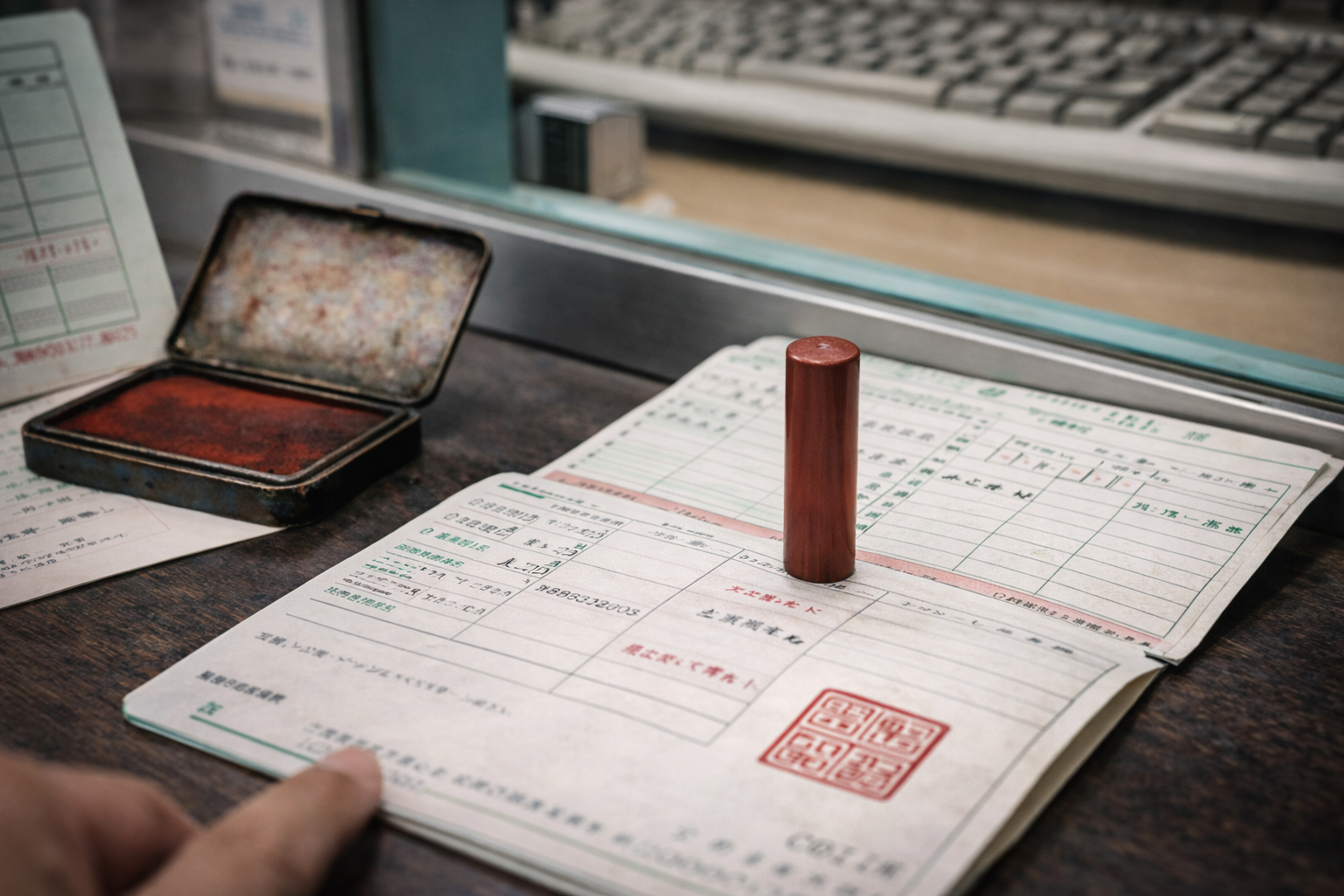
When people talk about inkan shomeisho, they often mention the jitsuin as well. A jitsuin is the seal that has been registered with the municipality.
So the distinction is this: the jitsuin is the registered seal itself, while the inkan shomeisho is the certificate proving that registration.
One is the tool. The other is the official proof.
Where Can You Get One?
An inkan shomeisho is normally issued by the municipality. Traditionally, that meant getting it at the municipal counter. Today, many municipalities also support certificate issuance at convenience stores using a My Number Card, and the available certificates can include the seal registration certificate. :contentReference[oaicite:2]{index=2}
Japan’s Digital Agency also explains that the smartphone version of the My Number Card can be used in supported environments for convenience-store certificate issuance, including seal registration certificates, with supported stores and municipalities continuing to expand. :contentReference[oaicite:3]{index=3}
Still, the exact availability, hours, and certificate types depend on the municipality, so users should always check local guidance before relying on convenience-store issuance. :contentReference[oaicite:4]{index=4}
Why Is It Treated So Seriously?
The reason is simple: it supports stronger confirmation of personal intent. In high-value transactions or changes involving important legal rights, it is not enough merely to see a seal impression on paper.
The seal registration certificate adds official proof that the impression corresponds to a registered seal on file with the municipality. That is why it carries more weight than an ordinary stamp on a document.
Will It Remain Important in a Digital Era?
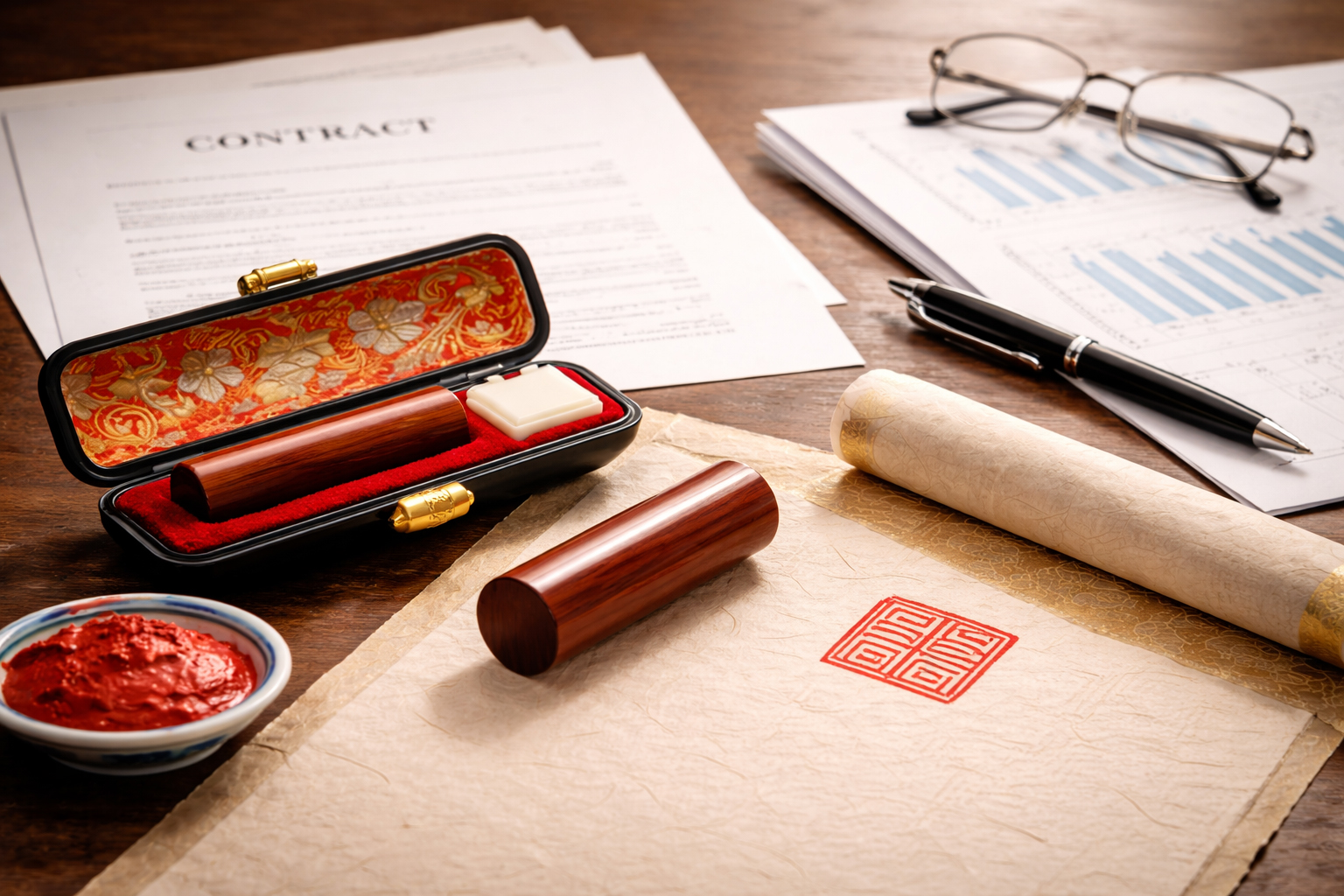
Japan is clearly expanding digital identity infrastructure. The Digital Agency is promoting My Number Card and smartphone-based certificate use, including certificate issuance at convenience stores. :contentReference[oaicite:5]{index=5}
At the same time, official digital policy materials also point toward a future where stronger electronic identity tools can reduce the need for older paper-based combinations such as a registered seal plus a seal registration certificate in some transactions. :contentReference[oaicite:6]{index=6}
Even so, right now the inkan shomeisho still matters. In property, inheritance, company-related procedure, and other formal areas, it remains part of Japan’s culture of official proof and visible seriousness.
It Is the official proof behind the registered seal
An inkan shomeisho does not prove that a seal exists in the abstract. It proves that the seal impression has been officially registered to a specific person in the municipal record.
That is why it remains important in Japan wherever serious rights, obligations, and identity need formal confirmation.