Why “No More Hanko” Was Never the Full Story
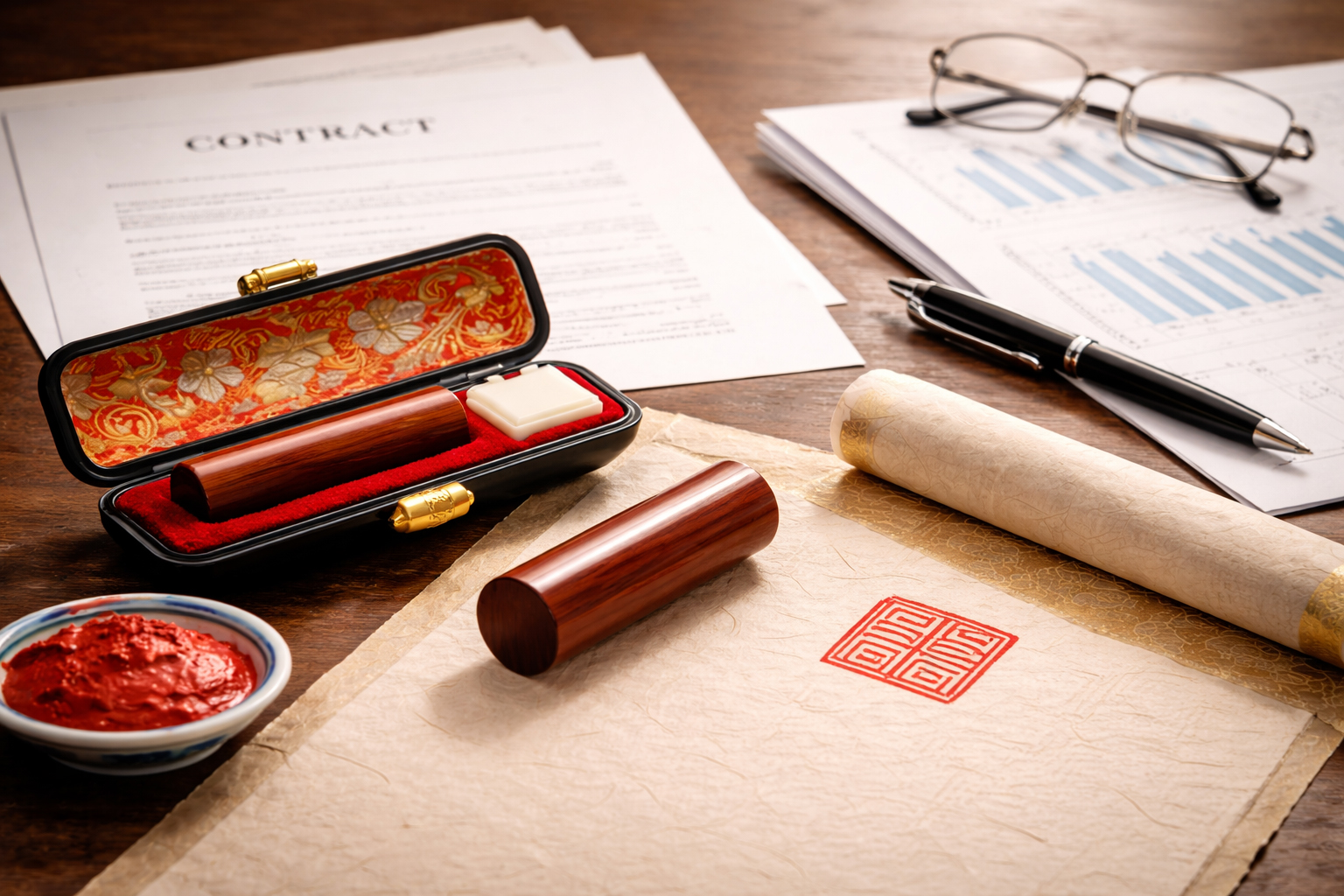
During COVID, Japan’s long-standing dependence on physical approval systems came under intense scrutiny. Workers were asked to stay home, but many companies still required a seal on paper documents for routine approval. This created a visible contradiction: remote work was possible in theory, but old workflows still demanded a trip to the office.
As a result, many businesses and public offices accelerated their shift to digital systems. Electronic signatures, cloud workflows, online applications, and remote approval tools became more common. For a while, it seemed as though hanko culture might disappear entirely.
But that did not happen. What emerged instead was a more realistic hybrid model: digital for speed and routine operations, physical seals for selected formal, legal, financial, and cultural purposes.
The Meaning of Hanko Changed
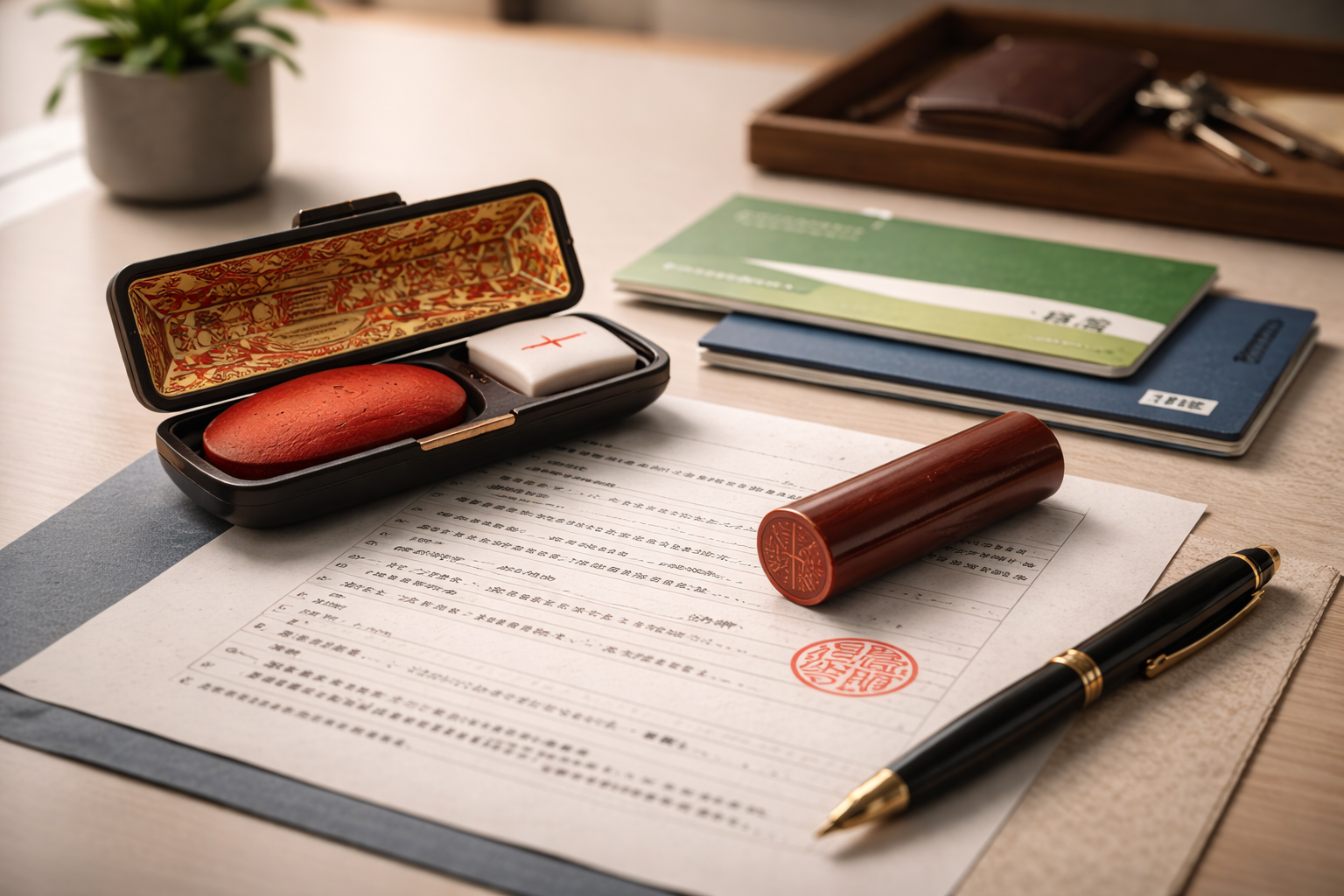
Before the pandemic, seals were often used for many small office actions: internal circulation, acknowledgment, routine approval, receipt confirmation, and minor administrative paperwork. In that environment, a hanko could function as an everyday office habit.
Much of that routine use has now declined. Digital systems can record approval more quickly, keep searchable logs, and support remote collaboration without paper passing from desk to desk.
At the same time, seals remain important where identity, intention, formality, and institutional trust still matter. In other words, hanko became less frequent in some settings but more concentrated in importance.
Three Major Changes in the Workplace
1. Internal approvals moved online
Many companies replaced routine stamped approval with cloud-based workflows, permissions, and digital records.
2. Contracts became faster
Electronic contract services reduced the need to print, mail, stamp, and return documents.
3. Physical seals became more selective
Rather than disappearing, hanko remained for situations where ceremony, trust, or formal acknowledgment still mattered.
Where Hanko Still Matters
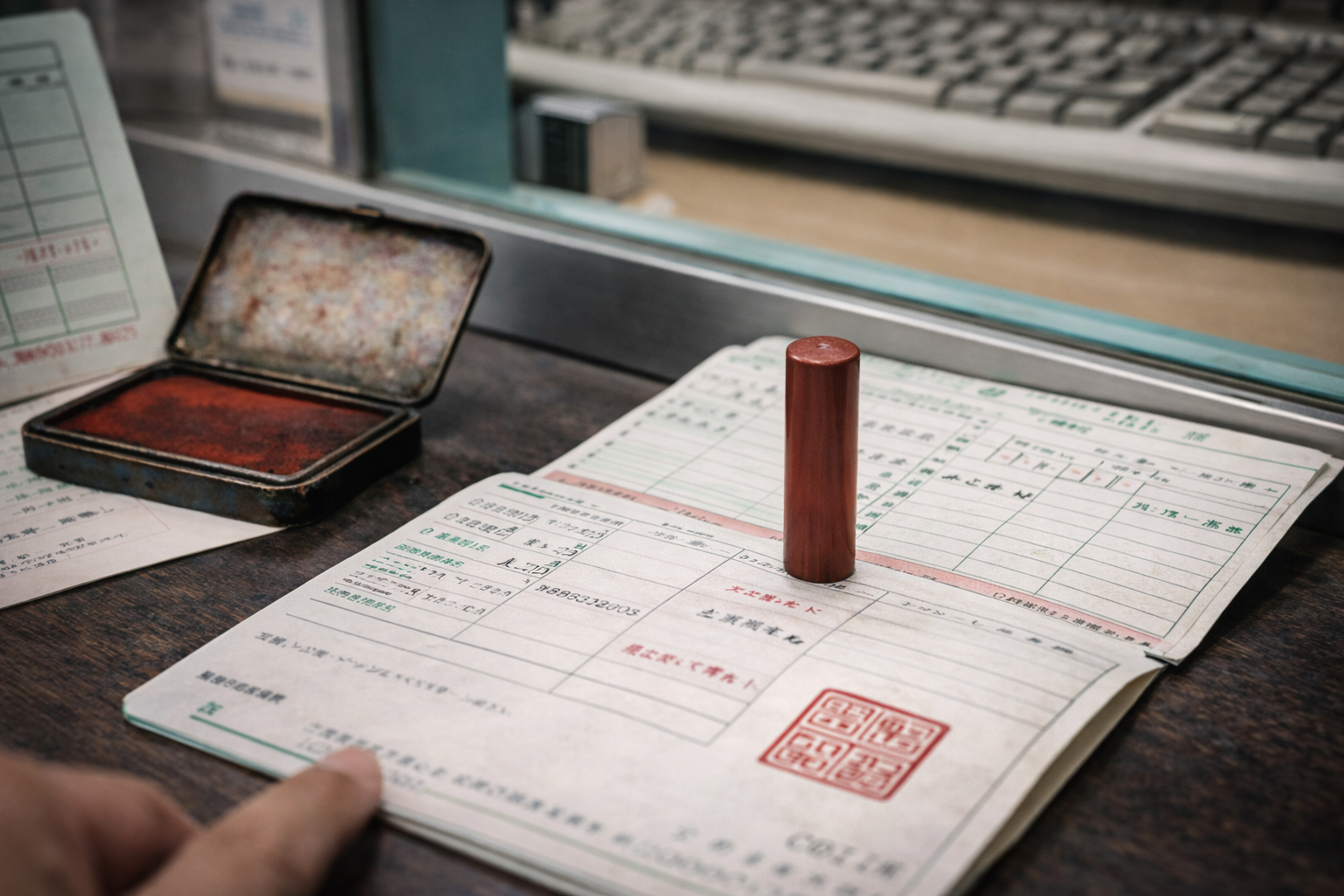
Hanko survives not only because of tradition, but because of long-standing systems of verification and trust. In Japan, there are still many situations where a seal is understood as a practical marker of identity and intent.
- Banking and financial account procedures
- Real estate and some rental or purchase documentation
- Officially registered personal seals and legal identity matters
- Corporate registered seals for major business actions
- Calligraphy, seal carving, gifts, and artistic use
In these settings, the seal is more than a stamp. It becomes a symbol of seriousness, commitment, and formal recognition.
Younger Generations and a New Relationship with Seals
Many younger people in Japan now work in environments where they rarely use a seal on a daily basis. Yet life events still bring hanko back into view: opening accounts, moving, renting, marrying, inheriting property, or handling formal registrations.
Because of that, seals are increasingly seen not as everyday office supplies but as personal items kept for moments that matter. That shift also supports new interest in design, materials, presentation, and alternatives to ivory.

Why a Physical Seal Still Has Power in a Digital Age
Digital systems are efficient. They are fast, searchable, remote-friendly, and easy to manage. But human beings do not respond only to efficiency. We also respond to ritual, touch, and visible commitment.
Using a hanko involves a small but deliberate action: opening the case, applying vermilion paste, aligning the seal, and pressing it onto paper. That action can feel like a moment of decision. In a world where almost anything can be clicked and sent instantly, physical sealing can add gravity.
That is one reason hanko remains culturally resilient. Its value is not merely administrative. It also lives in the emotional and symbolic space between intention and formality.
The Future of Hanko Culture
Japan is unlikely to return to a world where every small document requires a stamp. Yet it is also unlikely that hanko will vanish altogether.
The future is more likely to look like this:
- Routine approvals continue moving into digital systems
- Important legal and institutional uses remain
- Craft and artistic appreciation grows stronger
- Seals become fewer in number but richer in meaning
In that sense, hanko is not simply an old tool surviving by habit. It is a cultural object adapting to a new era.
Not gone. Evolved.
COVID did not end Japan’s seal culture. It forced a rethinking of where seals truly matter. What remains is more focused, more intentional, and more revealing of the balance Japan continues to strike between efficiency and tradition.
Continue exploring the modern story of Japanese seals below.