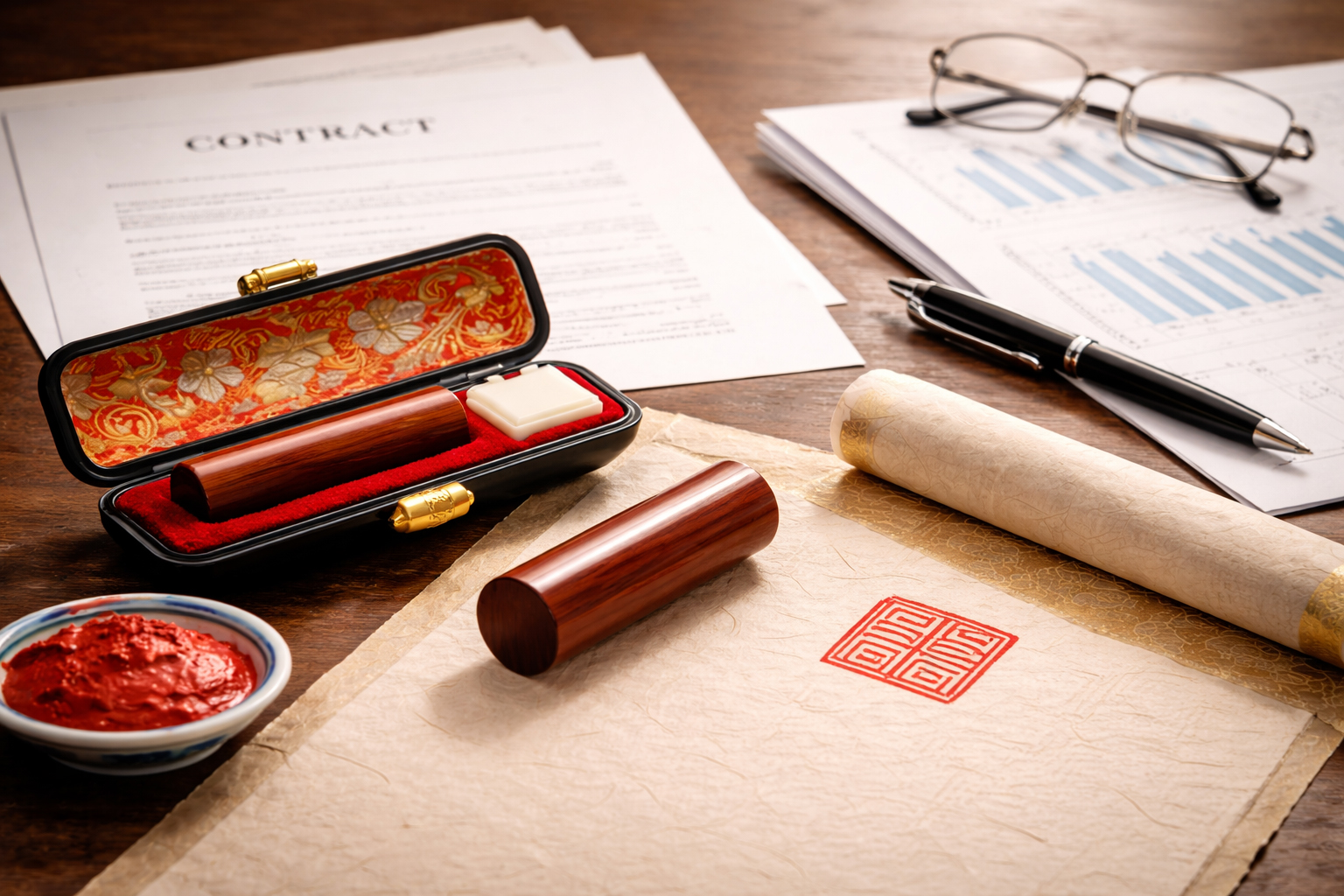
Why Seals Became So Strong in Public Administration
Hanko fit government paperwork for practical reasons. It provided a visible mark of acknowledgement, identity, or intent, and it worked naturally inside a paper-based system. When documents were created, submitted, reviewed, filed, and stored on paper, seals became part of the logic of the process.
Public administration also values clarity, recordkeeping, and procedural order. In that environment, signing and stamping were not merely symbolic. They were part of how the system expressed seriousness and traceability.
That is one reason seal culture often remained especially strong in the government sphere.

What Changed During the Push Away from Hanko
After 2020, the Japanese government pushed to reduce unnecessary requirements for seals, paper submissions, and in-person procedures, while advancing online administrative services and digital government reform. :contentReference[oaicite:5]{index=5}
This was not only about convenience. It was also about removing bottlenecks. If a public procedure required a physical stamp and paper handling for no strong reason, that became an obstacle to remote processing, speed, and user access. :contentReference[oaicite:6]{index=6}
As a result, many procedures were reviewed, seal boxes were removed from some forms, and more attention was given to online portals, digital identification, and electronic procedures. :contentReference[oaicite:7]{index=7}
But Government Reality Changes Unevenly
A national policy shift does not mean every office changes at the same speed. Japanese administration is distributed across ministries, agencies, prefectures, municipalities, departments, and local counters, each with their own systems, staffing, legacy processes, and practical constraints.
That means some procedures become easier and more digital quite quickly, while others still feel paper-heavy, office-bound, or only partially modernized.
The result is not a simple end to seal culture in government paperwork. It is a hybrid period in which digital reform and old administrative habits still overlap.
What declined
Habitual seal boxes, routine paper submissions, and stamp requirements that added little real value.
What expanded
Online procedures, digital identity tools, My Number–linked services, and remote-friendly systems.
What remains
Administrative areas where verification, institutional caution, or local implementation realities still favor paper.
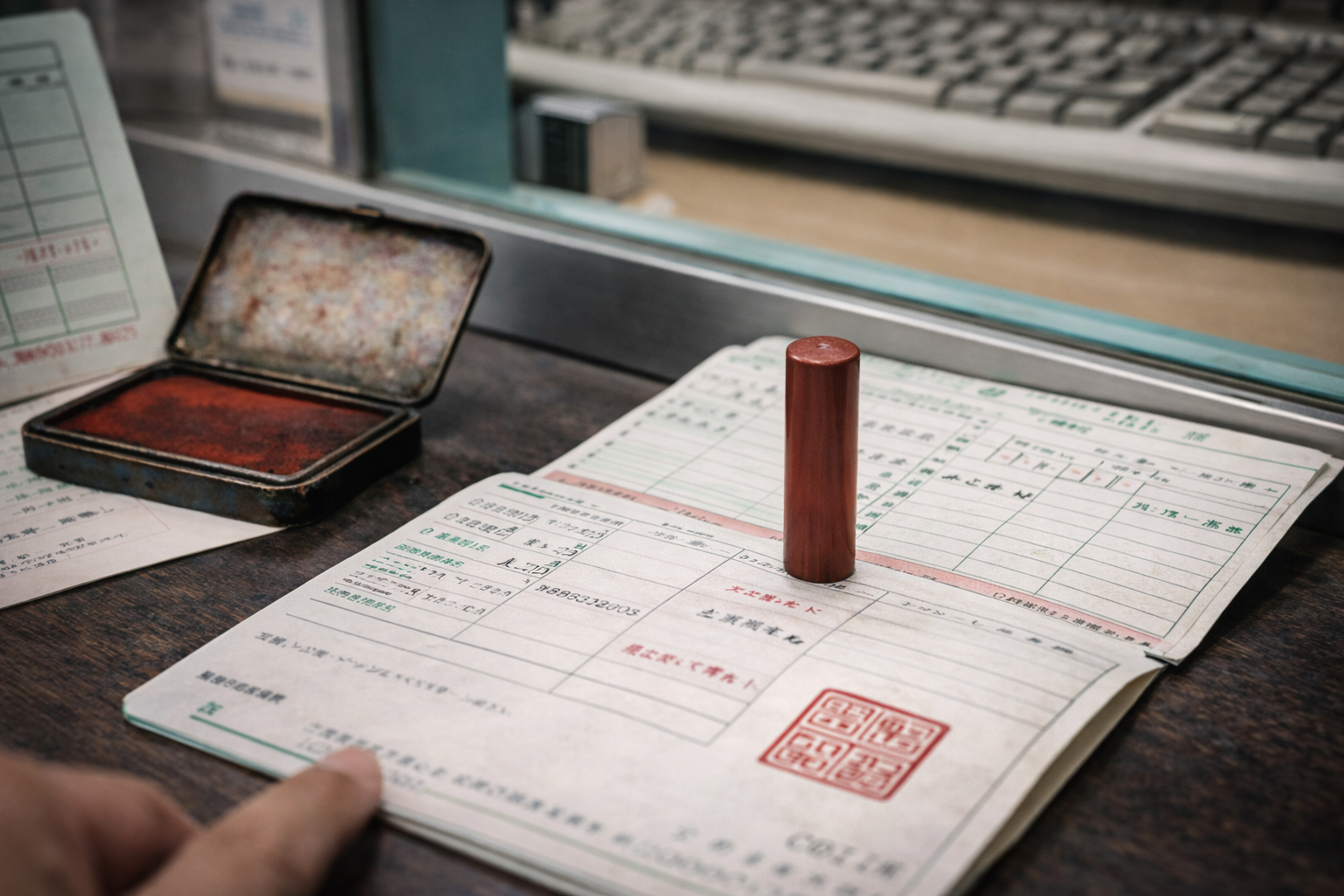
Why Paper Culture Persists in Government Offices
Public procedures often involve sensitive records: name, address, status, taxation, welfare, registration, licensing, or legal identity. In such areas, accuracy and accountability are essential.
Even when digital tools exist, staff and users may still feel that paper is easier to check, easier to explain in person, or safer in situations where mistakes can have serious consequences. Hanko historically belonged to that paper-centered sense of order.
So the issue is bigger than the seal itself. It is about how public administration has been designed, verified, and trusted over time.
What Citizens Actually Experience
From the citizen’s perspective, the changes are practical rather than philosophical. Some procedures now require fewer visits. Some forms no longer need a seal. Some services can be started or completed online.
At the same time, many people still encounter mixed systems: an online application followed by paper attachments, a digital form that still leads to a physical visit, or a procedure that depends on the specific municipality or office counter.
That is why the public impression often remains the same: government paperwork in Japan is changing, but it still feels partly rooted in paper.
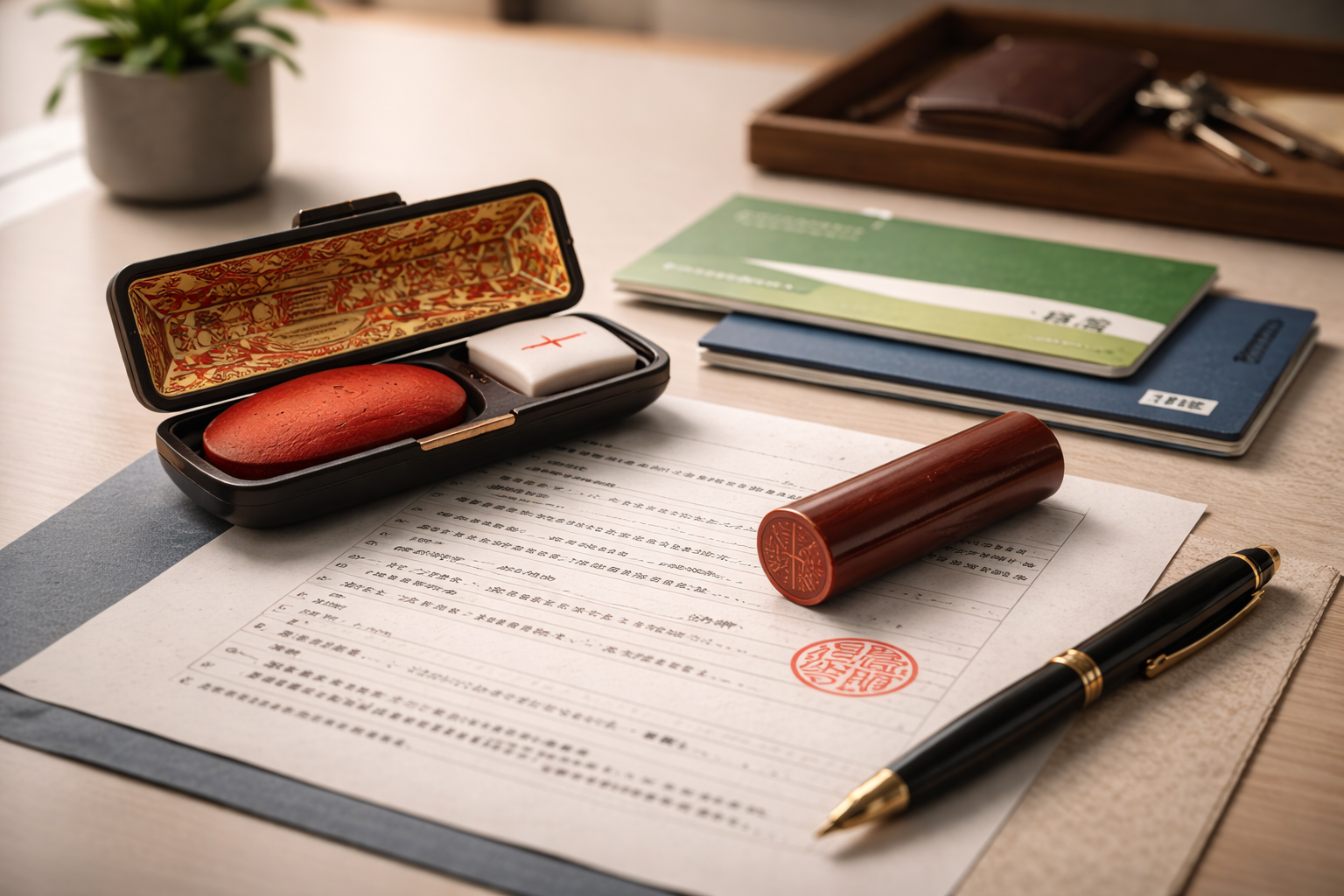
Where Government Paperwork Is Heading
Japan is likely to continue expanding online administrative procedures, especially where they improve convenience for ordinary users. :contentReference[oaicite:8]{index=8}
But this does not necessarily mean every public seal requirement disappears overnight. Reform depends on law, system replacement, local implementation, staff training, and citizen familiarity. Those layers do not all move together.
The more realistic future is this: fewer unnecessary seals, more digital access, and new forms of authentication replacing old stamp-based expectations. In that future, the government seal culture does not simply vanish. It is redesigned.
Hanko as a Window into Administrative Culture
Hanko was never just a physical tool. In government paperwork, it reflected deeper assumptions about how authority should be recorded, how identity should be recognized, and how official acts should be made visible.
That is why the decline of seals in administration matters. It signals more than a procedural update. It signals a gradual change in how Japanese public institutions present trust, formality, and proof.
Government paperwork is changing, not finished changing
The story of hanko in public administration is no longer one of automatic stamping on every official form. But it is not yet a story of complete digital replacement either.
What exists now is a transition: a public system moving away from unnecessary seals, while still carrying many habits of the paper era.