CRAFT HUB

Craft, Materials, and Seal-Face Design

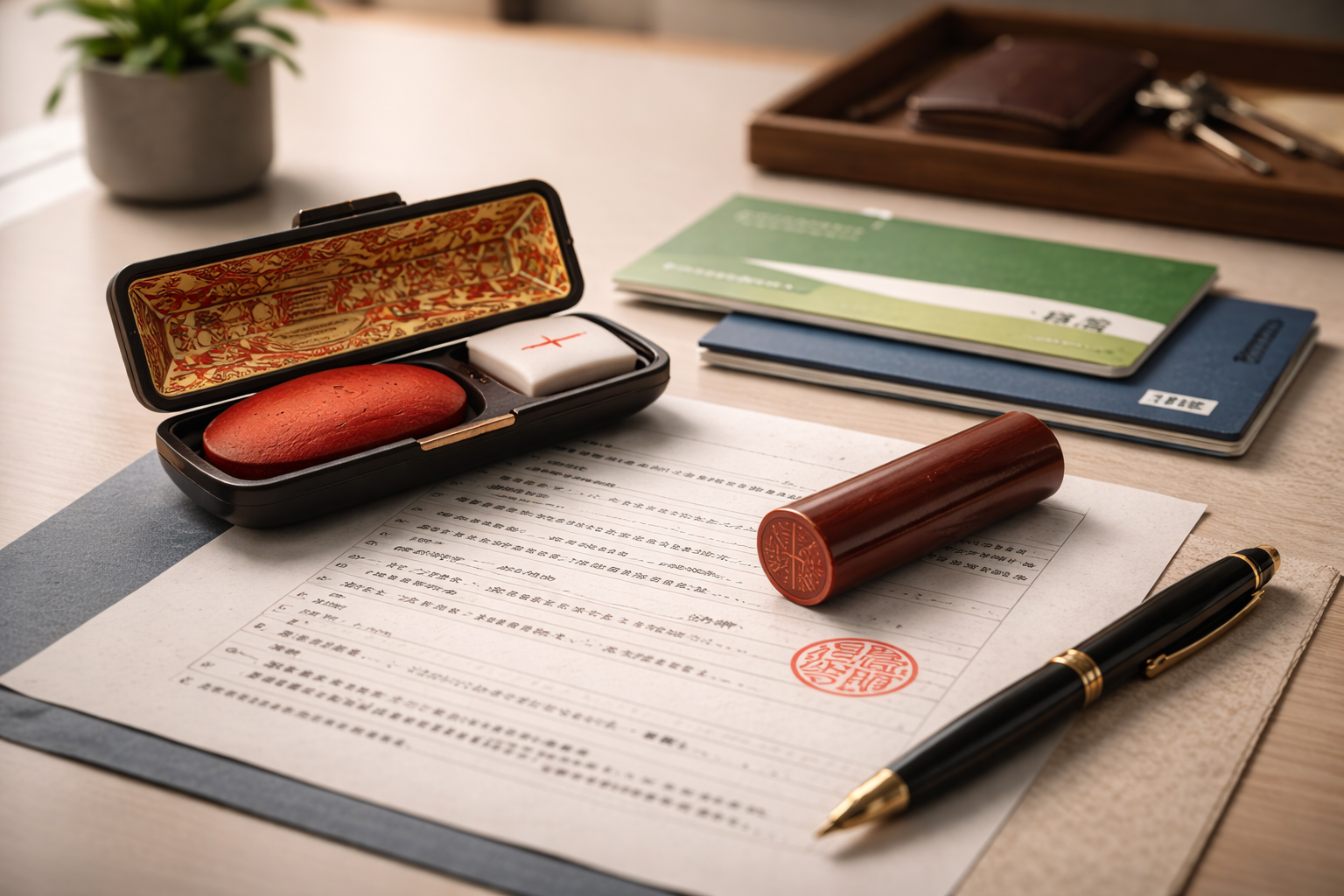
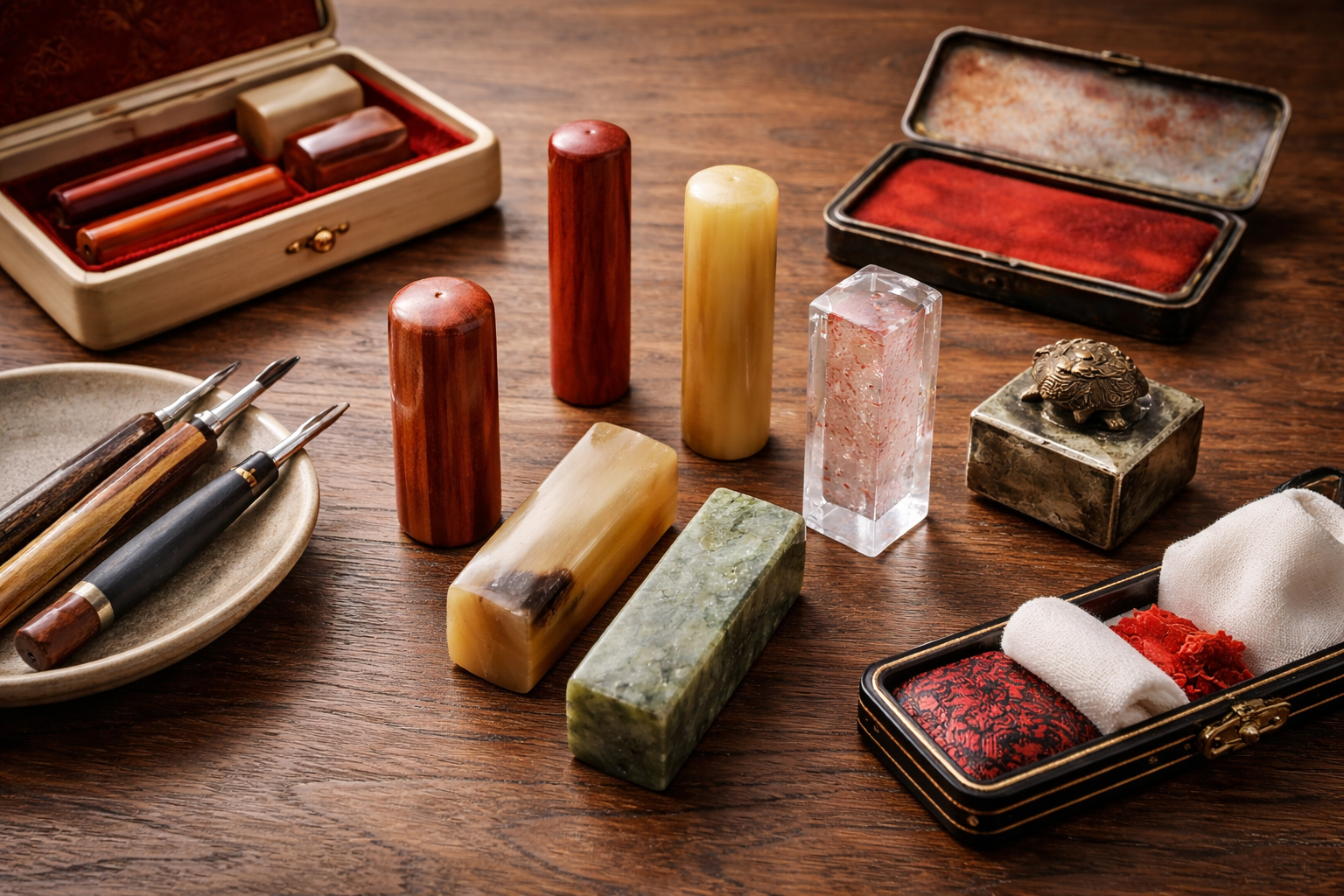
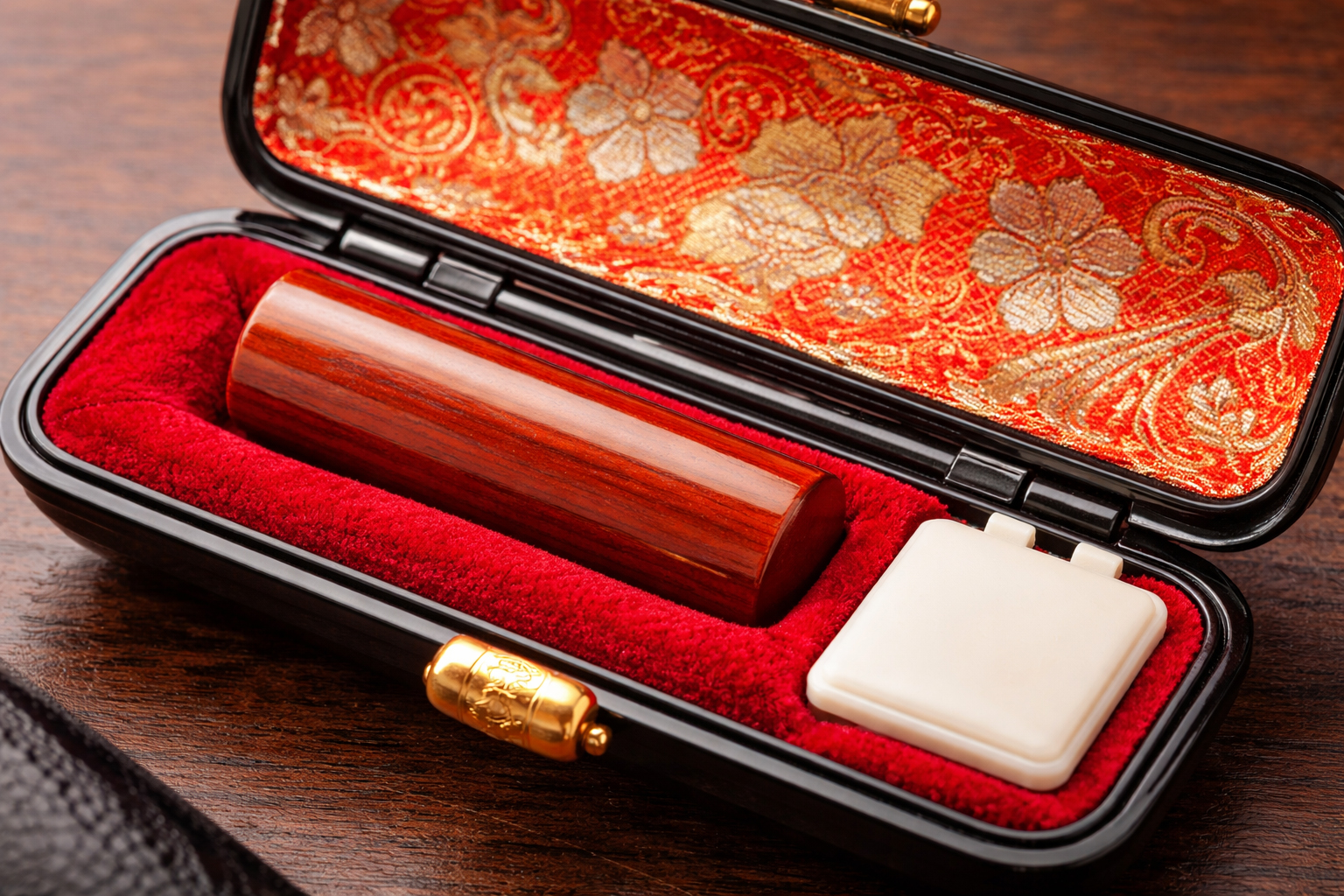
A hanko is more than a small object that carries a name. The choice of material, the style of lettering, the balance of blank space, the difference between hand carving and machine carving, and the final quality of the stamped impression all shape what the seal becomes. This section gathers the craft side of Japanese seal culture: materials, design, carving, making, care, and use.

hanko.co.jp Craft, materials, and composition 日本語

The appeal of seal culture does not lie only in history. Once you begin to understand what materials are used, how lettering is designed into the seal face, how carving works, and how impressions are refined, hanko start to look much richer.

This hub organizes the craft side of the site around four themes: how hanko are made, what materials are used, how seal faces are designed, and how seals are cared for and supported by surrounding tools.

Best starting articles

These pages give the clearest overall entry into the craft section.
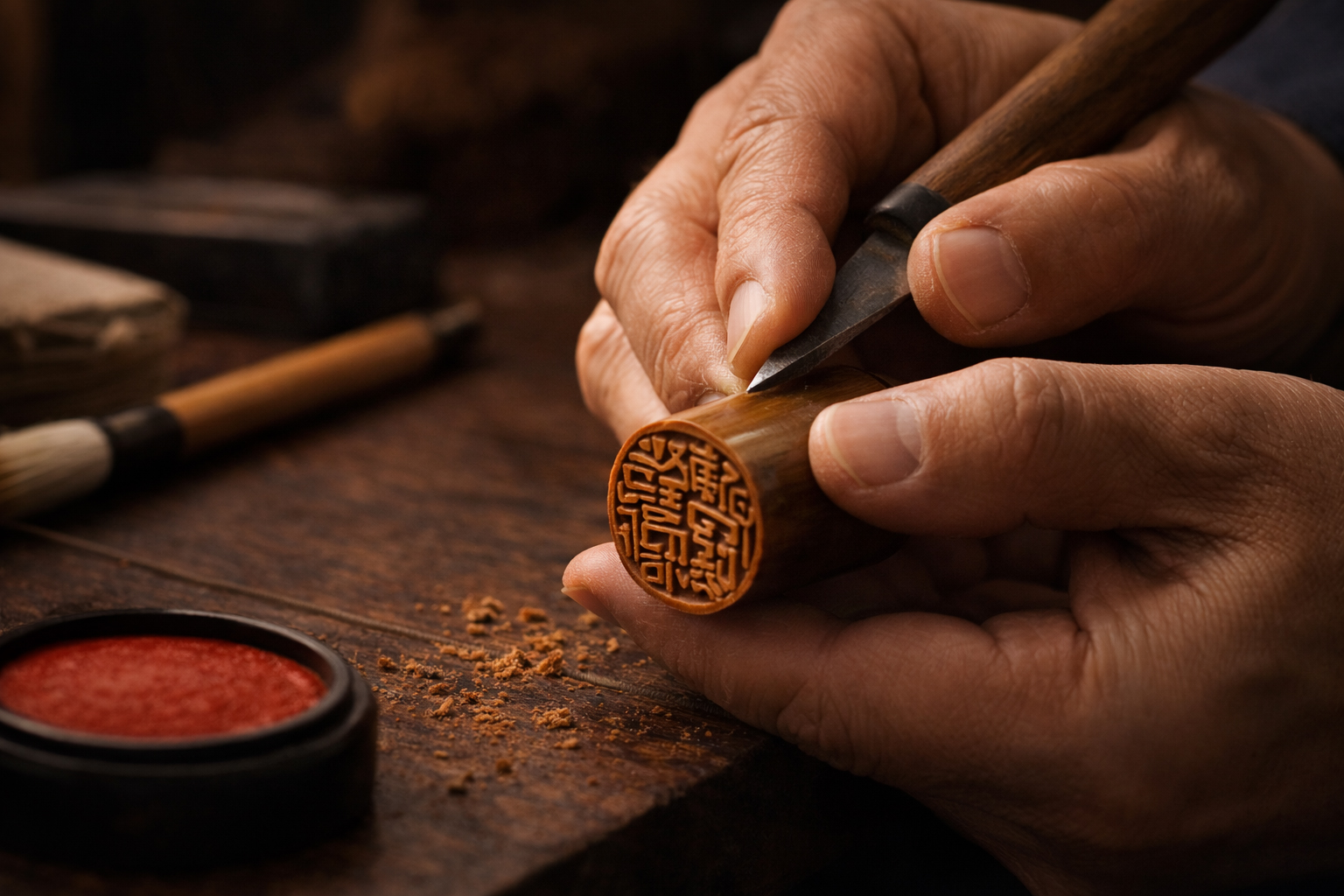
To understand hanko deeply, it is not enough to know their history. You also need to know how they are made, what they are made from, and how their impressions are formed.
— hanko.co.jp craft hub

Learn the materials

When the material changes, the feel and atmosphere of the seal change too.

Learn seal-face design

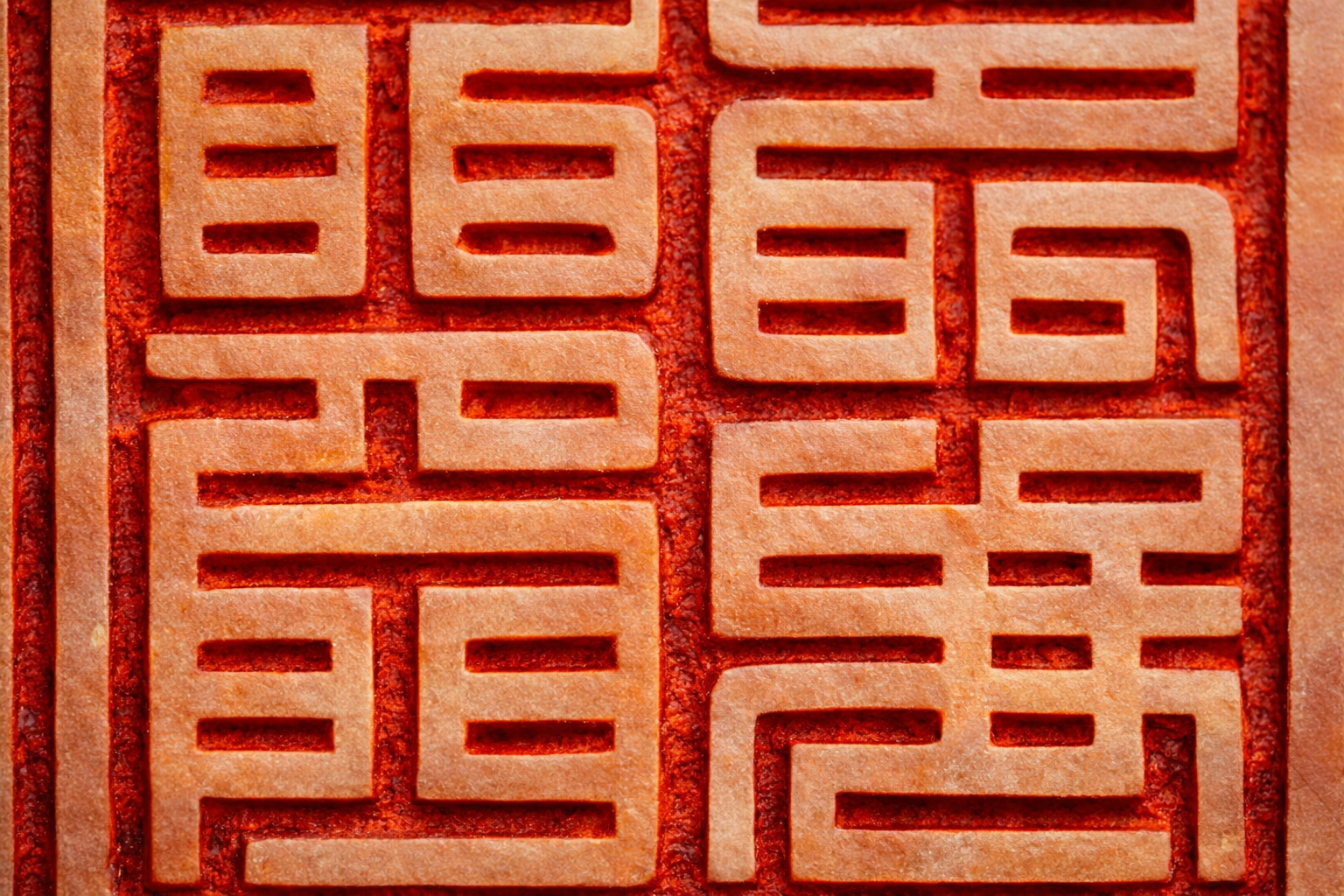
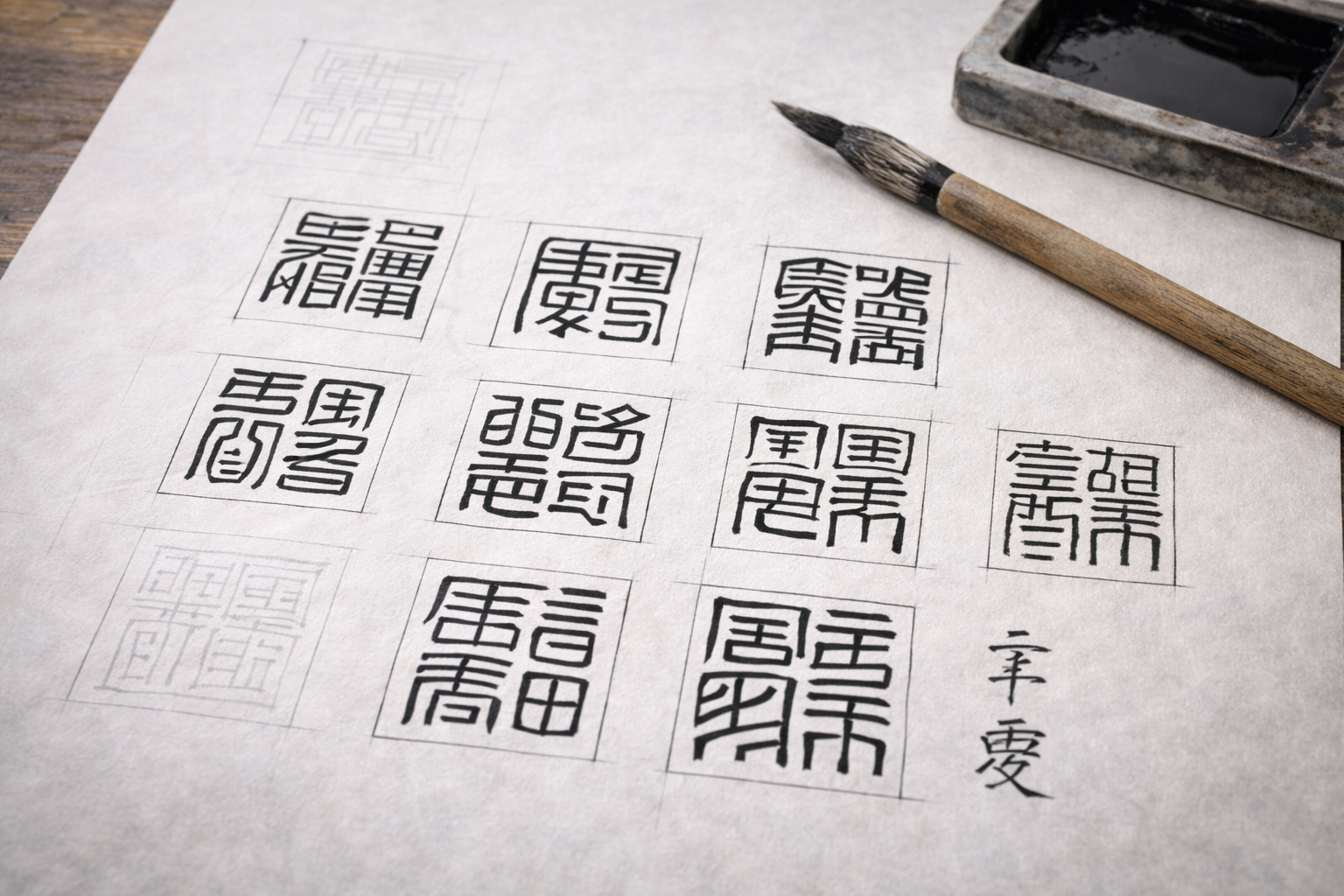
Seal faces are not only read. They are composed as visual fields of line and blank space.

A seal face is not only a place where letters appear, but a small world in which line, weight, and blank space are composed.
— hanko.co.jp seal-face note

Learn carving and making

When you understand both handwork and mechanical consistency, finished seal faces become much easier to read.

Learn care, storage, and accessories

A hanko does not end with making. It also has to be used, protected, and supported well.

Full article index

A compact directory of the craft articles in this section.