Craft Guide

Modern Alternatives to Ivory

Ivory was once often spoken of as the classic luxury seal material, but modern seal selection cannot be understood through ivory alone. Today, people can choose among wood, stone, horn-like materials, resin-based materials, and other modern options. The important question is no longer simply what sounds luxurious, but what fits the seal’s purpose, what kind of touch and presence it has, and whether it feels right to use and keep over time.

hanko.co.jp Craft / Materials Guide Reading time 8–11 minutes

When seal materials are discussed, people sometimes frame the question as a contrast between old luxury materials and modern substitutes. In practice, however, modern alternatives each have their own strengths in look, feel, usability, and visual character.

A daily-use mitomein, a stable registered seal, an easy-to-manage bank seal, and an expressive artistic seal do not all ask for exactly the same thing. That is why the best modern material is not one universal material, but the one most suited to the seal’s actual role.

Why alternatives matter today

The meaning of seal material has shifted in modern life.

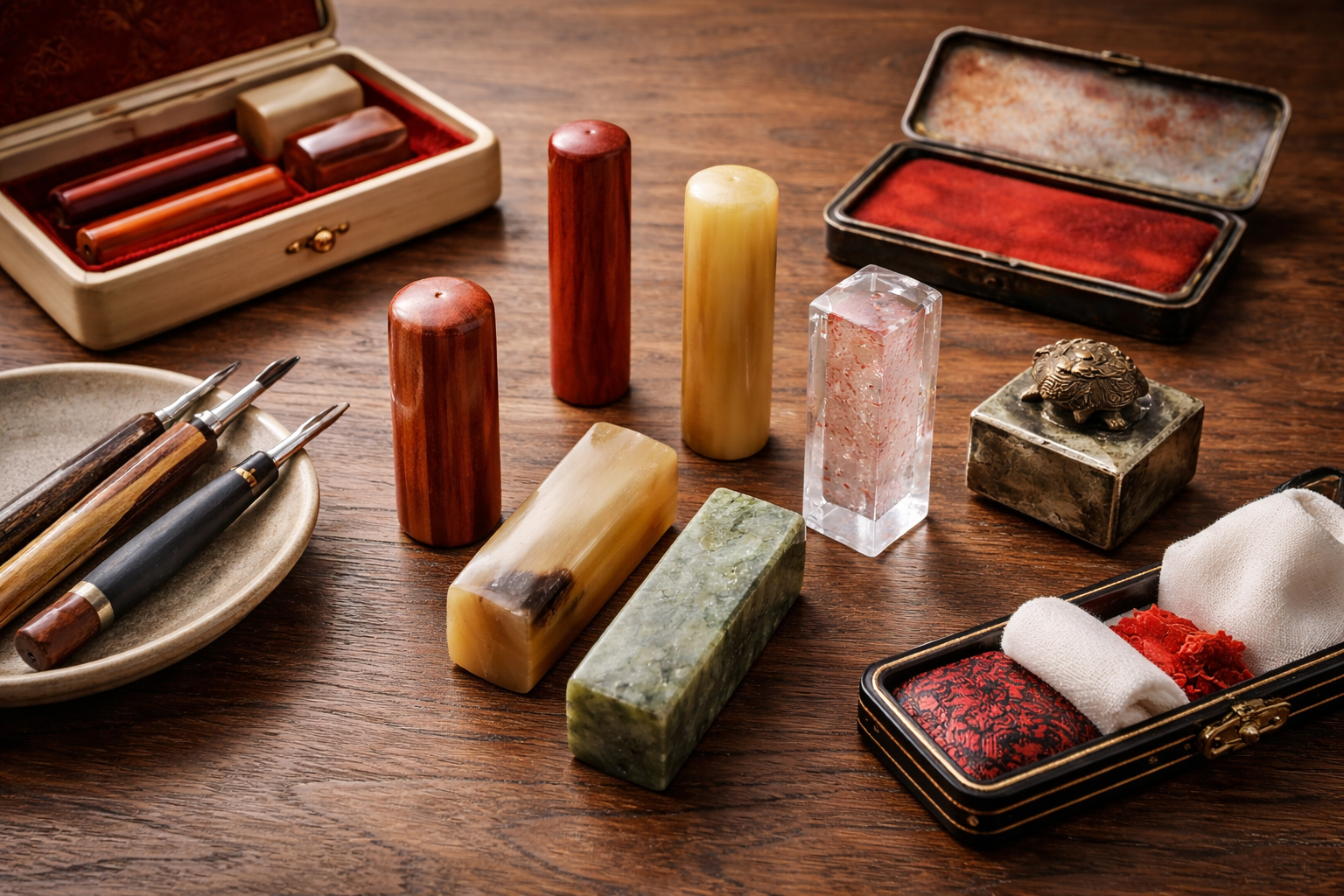
Modern seal materials arranged together

The range of choices has widened

In earlier periods, discussion of high-quality seal material tended to focus on a narrower set of traditional materials. Today, there are many more options: wood, stone, horn-like materials, resin-based materials, and more.

That means seal material selection has become less about “the one correct material” and more about “the material that fits best.”
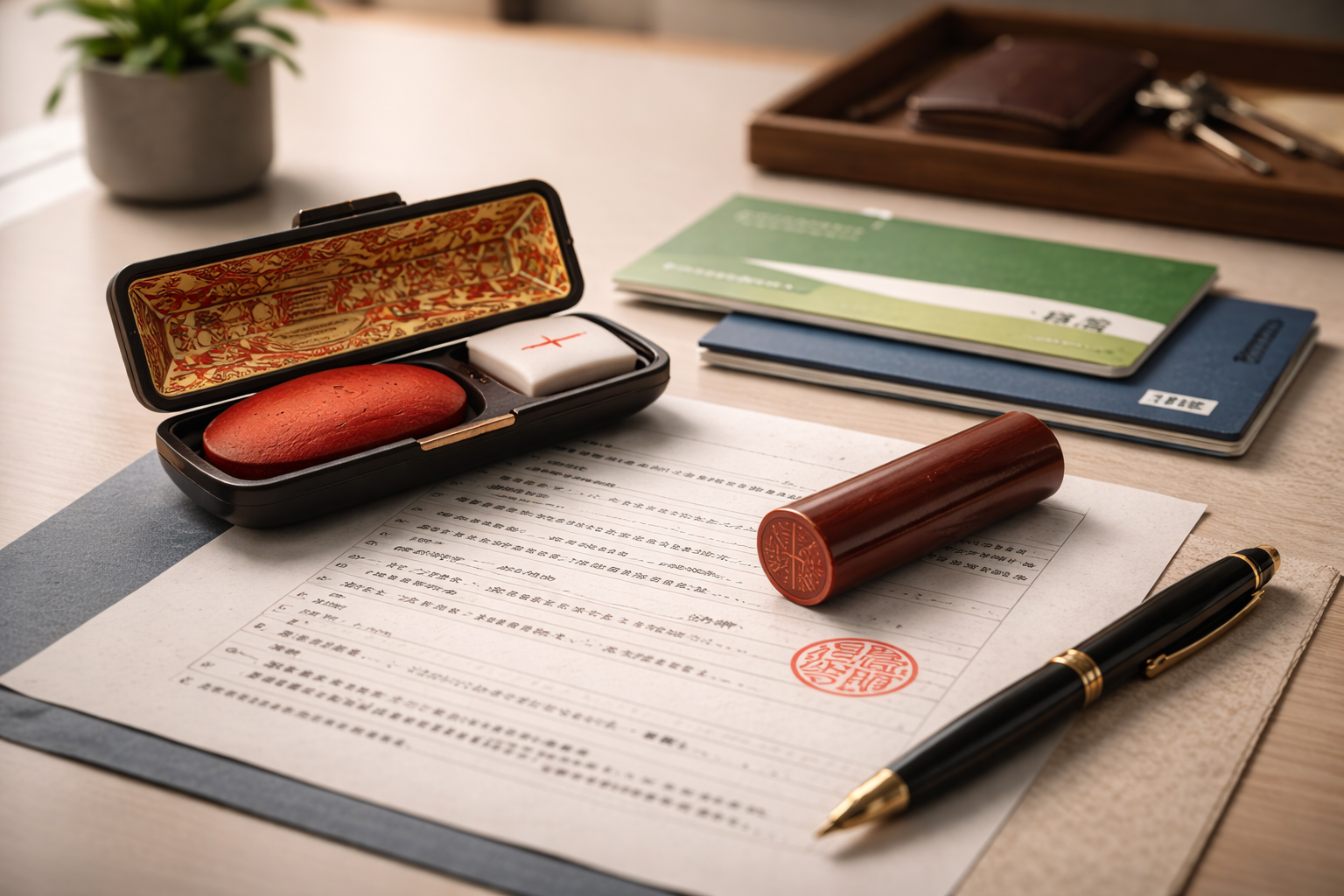
Modern desk with seal materials in use

Practicality matters more clearly

Many modern seals are used not as display objects, but as tools that must feel stable, manageable, and dependable. Ease of handling, comfort, and storage are therefore part of material quality.

The value of modern alternatives lies partly in this practical strength.

Thinking about modern alternatives to ivory means thinking less about rarity and more about material fitness for purpose.
— hanko.co.jp materials note

Wood-based materials

Wood offers warmth, familiarity, and a softer presence in the hand.

Why wood can be attractive

  • It feels warm in the hand
  • It has a natural visual character
  • It suits everyday seals well
  • It is often light and easy to handle
  • It can feel approachable rather than severe

Where it often fits best

  • Mitomein and daily-use seals
  • Casual personal name seals
  • Everyday practical use
  • People who prefer a gentle atmosphere
  • Users who enjoy material naturalness

Wood differs from heavier or colder-feeling materials. It often feels more human, more immediate, and easier to live with in daily life.

For people who value comfort and warmth over ceremonial grandeur, wood can be one of the strongest modern choices.

Wood carries a softness that suits many modern practical seals

Ease and warmth are not lower values. They are often part of what makes a seal worth using every day.

Stone-based materials

Stone materials bring quiet weight and visual gravity.

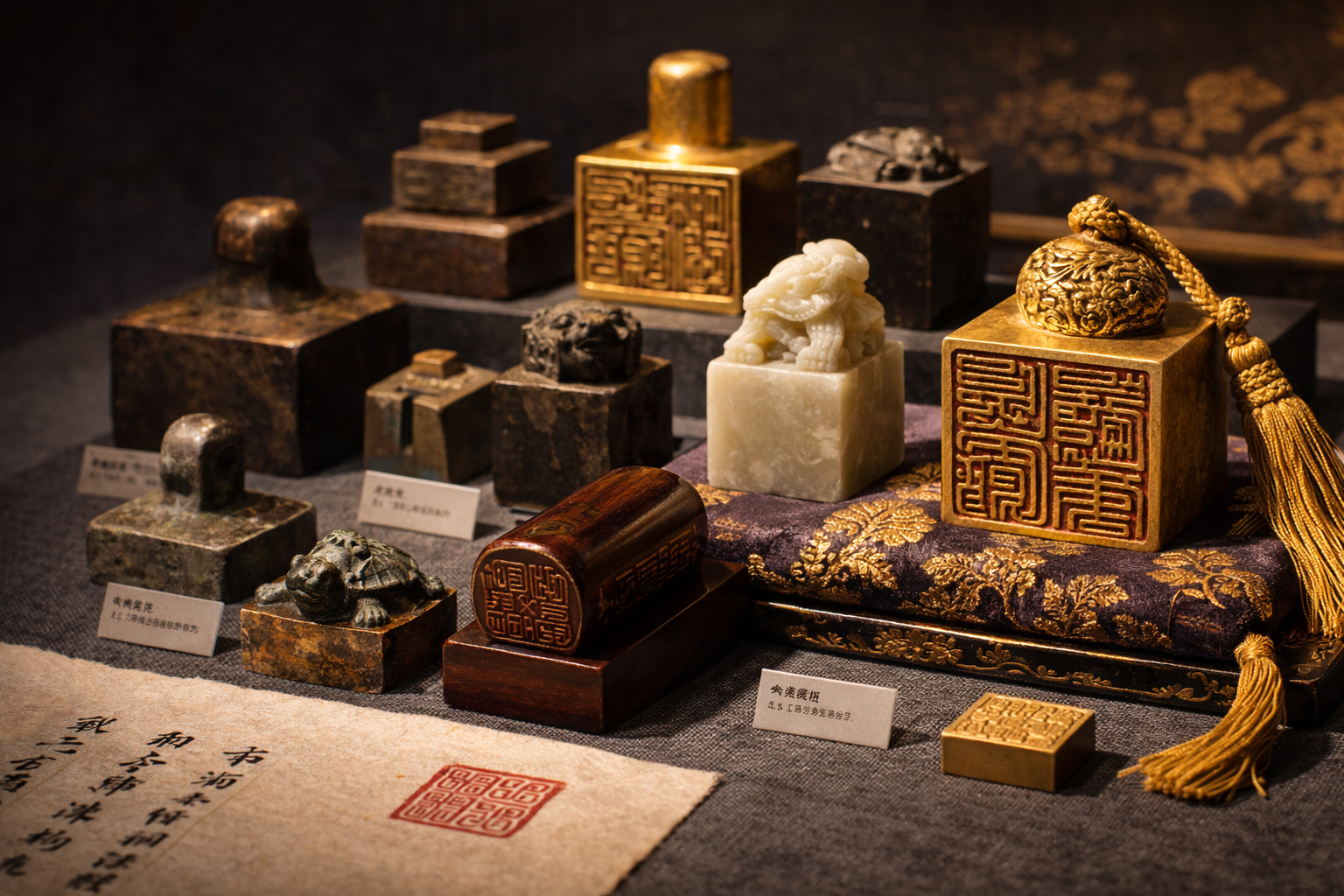
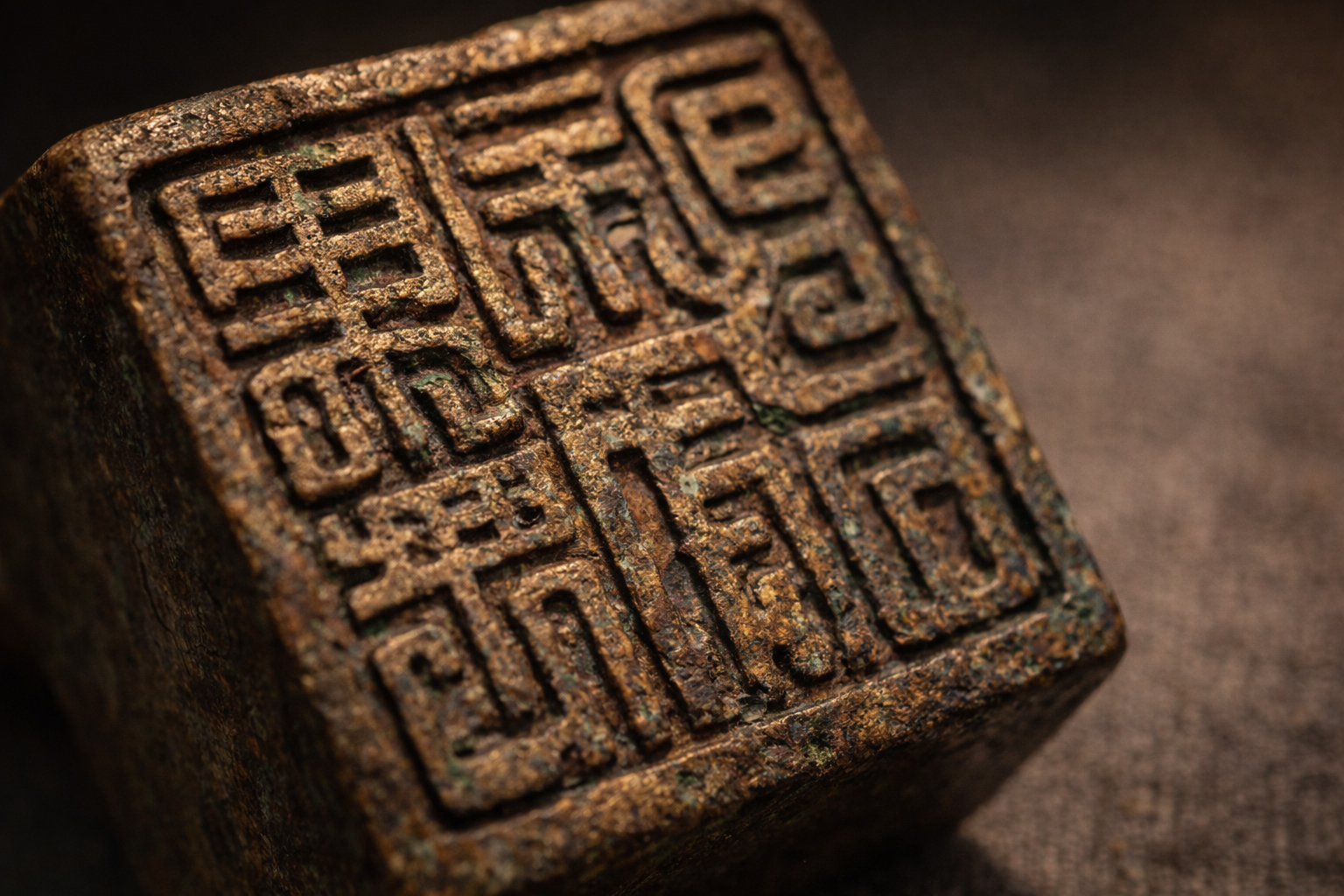
Texture suggesting stone or ancient seal material

They offer weight and stability

Stone-based seals often carry a calm physical and visual weight. This can be especially appealing in artistic or presence-driven seals, where material gravity becomes part of the object’s meaning.

Arrangement of stone and metal seal objects

They suit artistic and expressive use

Stone materials often feel at home not only in practical use, but also in artistic contexts such as seal carving and rakkan. Their quiet dignity and tactile presence make them visually strong.

Stone-based seal materials offer not speed or lightness, but quiet weight and stable presence.
— hanko.co.jp stone note

Horn-like, bone-like, and composite materials

These materials can preserve a more traditional visual mood while still belonging to a modern range of choices.

Why people may choose them

  • They can suggest traditional luxury materials visually
  • They often carry a calm, formal appearance
  • They may suit registered or bank seals well in feeling
  • They can appeal to people who like harder, more formal textures

What to think about when choosing them

  • Look at feel as well as appearance
  • Ask whether the material is too heavy for the purpose
  • Ask whether it feels like something you want to keep long-term
  • Think about whether formal calmness is really desired

Modern materials that visually echo older luxury forms can be appealing, especially for people who want a more traditional impression without making rarity the main point.

For registered seals or bank seals, where some sense of settled gravity may be welcome, this family of materials can feel especially appropriate.

Resin-based and modern engineered materials

These are among the most practical and widespread modern alternatives.

Why resin-based materials are useful

  • They are often easy to handle
  • They can present a stable appearance
  • They suit everyday use well
  • They are often easy to choose without strain
  • They feel modern and practical

Where they often fit best

  • Mitomein
  • Bank seals
  • Secondary practical seals
  • Daily-use personal seals
  • Users who want balance between ease and reliability
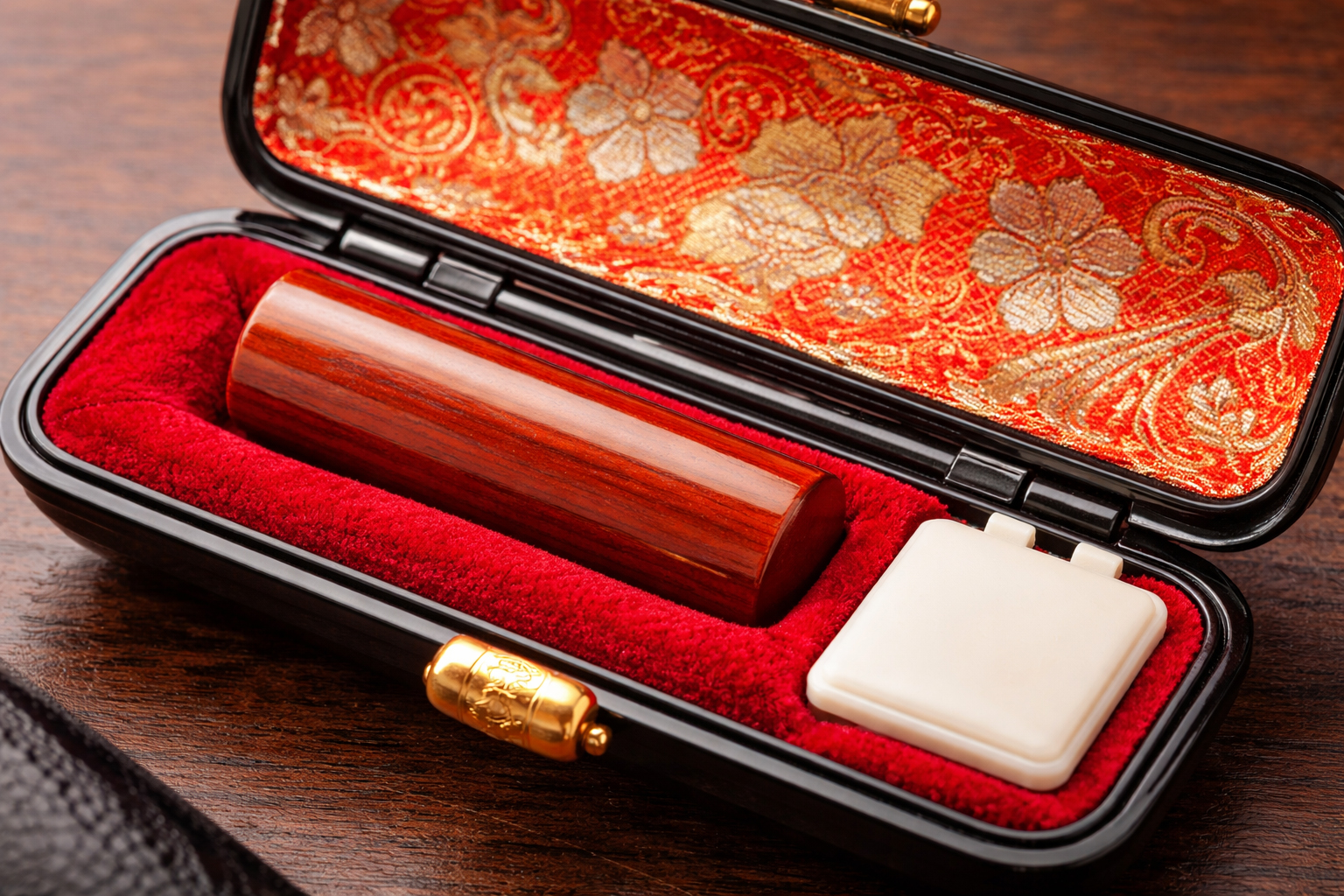
Arrangement including modern materials

They carry modern practical logic

Resin-based materials are less symbols of old prestige and more materials of contemporary usefulness. Their strength lies in how naturally they fit ordinary modern handling and storage.

Seal used in a modern everyday setting

They suit modern seal culture well

Much of contemporary seal life is practical rather than ceremonial. In that sense, resin-based materials belong very naturally to modern daily seal culture.

Resin-based alternatives are among the materials that fit most naturally into modern practical seal culture.
— hanko.co.jp modern-materials note

It becomes easier when you think by purpose

Instead of ranking all materials into one hierarchy, it is more natural to match them to use.

Daily-use seals

  • Lightness
  • Comfort in the hand
  • Ease of use
  • Natural fit with daily life

Bank seals and registered seals

  • Calmness
  • A sense of long-term keeping
  • Ease of careful storage
  • Presence without excess heaviness

Artistic seals and rakkan

  • Material atmosphere
  • Tactile character
  • Harmony with the impression
  • Expressive presence

Company seals

  • Stability
  • Ease in regular office use
  • Clear organization
  • A properly settled visual character

Conclusion

Modern seal culture offers more than enough serious alternatives to ivory.

Wood offers familiarity, stone offers gravity, horn-like materials offer a more traditional formal mood, and resin-based materials offer strong practical modernity. These are not merely inferior substitutes for an older luxury material. They are modern seal materials with their own distinct strengths.

The key question is therefore not simply which material most resembles an older prestige material. It is which material best suits the seal’s purpose, your preferred feel in the hand, your sense of long-term keeping, and the way you actually intend to use it. That is the most natural modern way to choose a hanko material.

Related pages

These pages make material selection easier to understand in the wider context of seal choice and use.