Craft Guide

Caring for and Storing a Hanko

A good hanko is not finished once it is chosen. The seal face should be kept clean, the seal should be put away properly after use, and it should be protected from moisture, dirt, and impact. This matters even more for important seals such as bank seals and registered seals. Care and storage are part of what makes a seal trustworthy over time.

hanko.co.jp Craft / Basic Guide Reading time 7–10 minutes

A hanko is a small object, but the condition of its face changes the quality of the stamped impression very quickly. If vermilion paste builds up too heavily, or if dust and paper fibers stay in the carved lines, even a well-made seal can stamp poorly.

Bad storage can also lead to chipping, warping, dryness, staining, or loss. That is why a hanko is not only something to use. It is also something to protect.

Basic care after use

You do not need a major cleaning every time, but small habits help a great deal.

Close-up of seal impression

Lightly remove excess vermilion

If thick vermilion remains on the seal face after stamping, gently press it against soft paper or cloth to remove the excess. The goal is not to scrub, but to lightly calm the surface.

You do not need to polish it perfectly every time, but heavy residue can disturb the next impression.
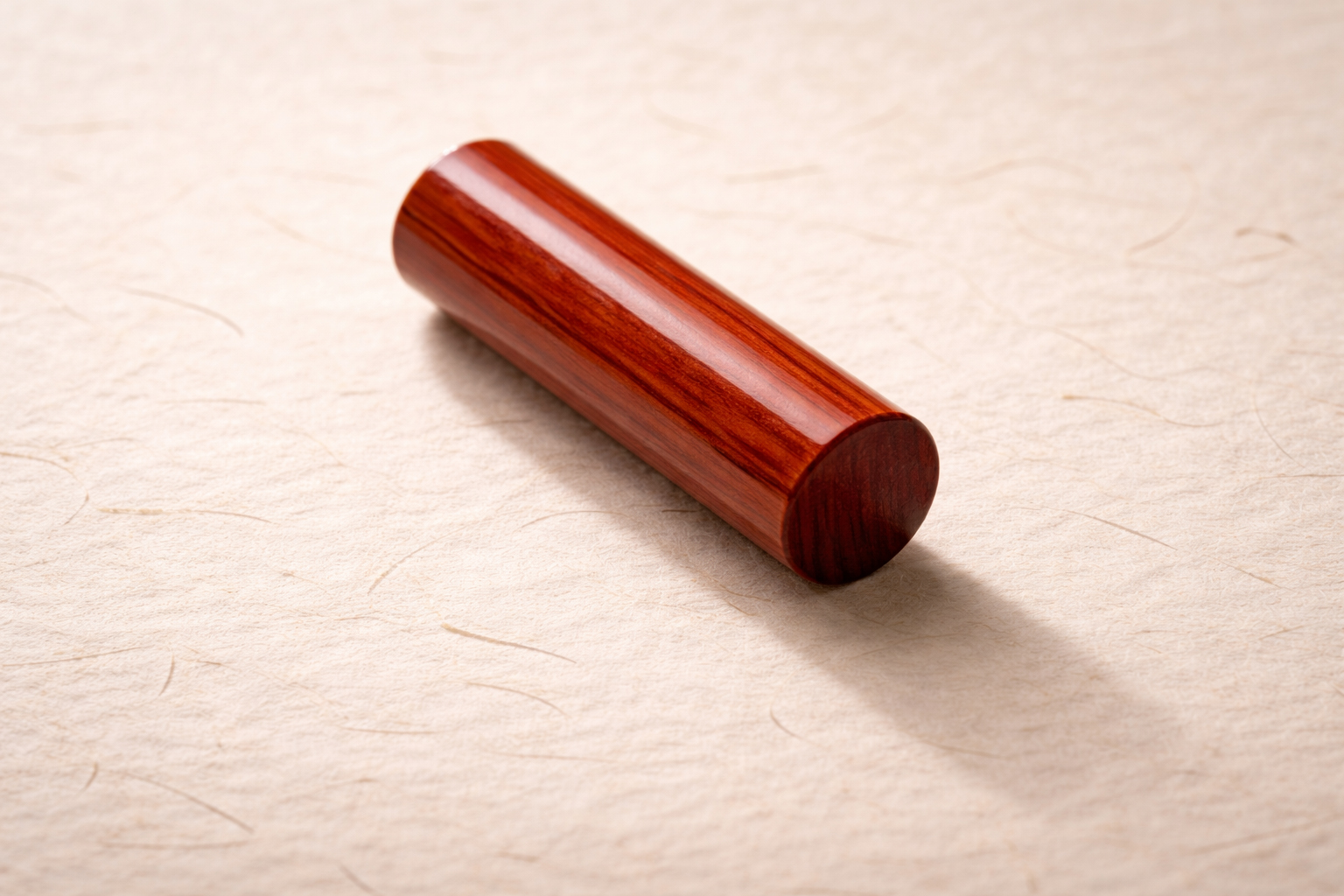
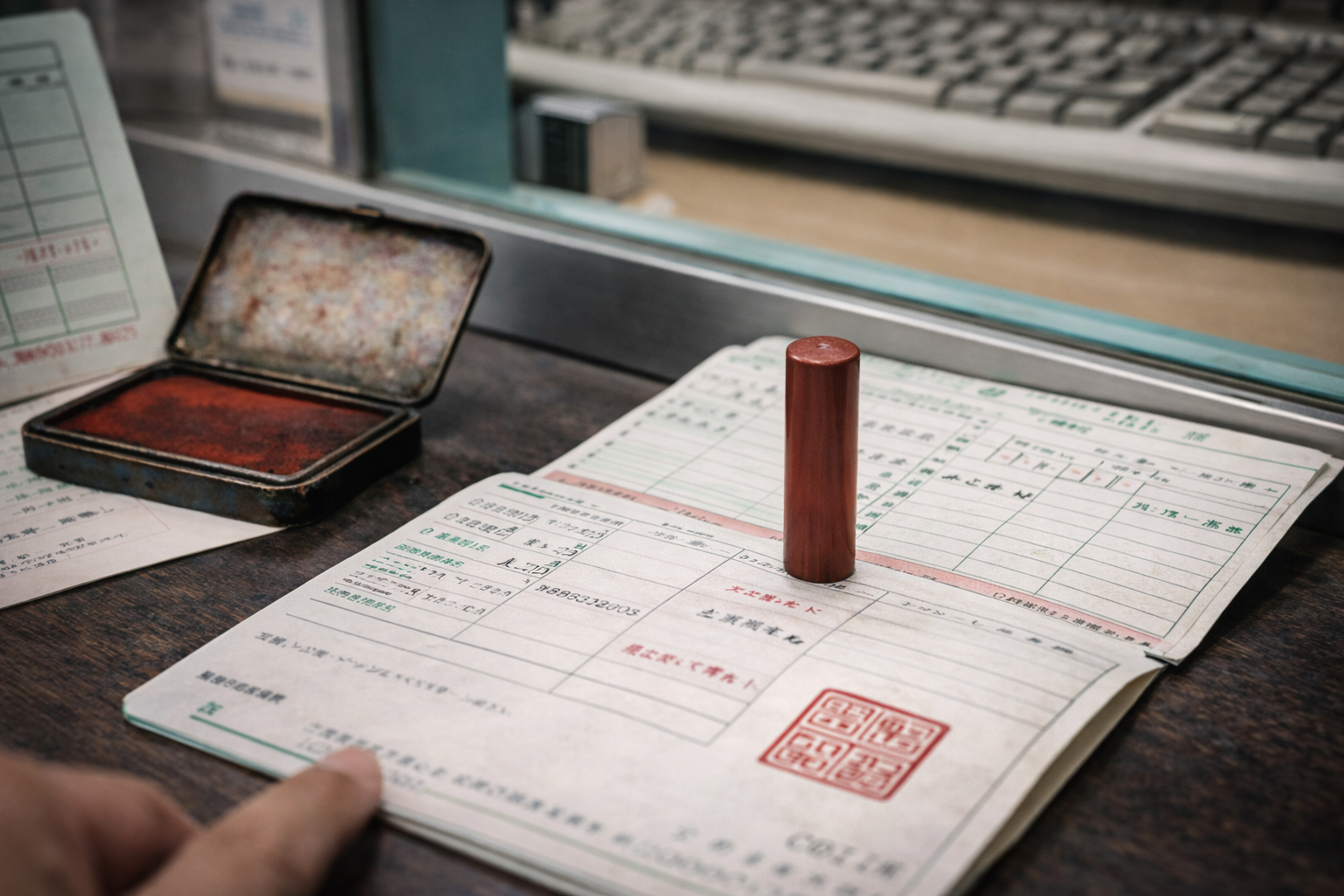
Seal resting on paper

Do not leave dust or paper fibers in the carving

Small fibers or debris left in the carved lines can create broken white areas or disturb the stamp impression the next time the seal is used. A quick visual check after use can prevent this.

Seal impressions depend heavily on a clean seal face.

Caring for a hanko does not mean polishing it aggressively. It means keeping the seal face gently in order.
— hanko.co.jp care note

What not to do

Some attempts to clean a seal can damage it instead.

Better to avoid

  • Scrubbing hard
  • Prying at the seal face with hard tools
  • Scratching with fingernails
  • Using strong chemicals unnecessarily
  • Putting it away while still wet

Why this matters

  • Fine lines can be damaged
  • Edges may chip more easily
  • Delicate parts of the carving may be stressed
  • Some materials may react badly
  • Moisture can remain trapped in storage

The carved face of a hanko is often more delicate than it looks. This is especially true for fine lettering or seal-script forms, where small projecting parts of the carving can be vulnerable.

Cleaning too aggressively can do more harm than leaving a little harmless residue. In seal care, gentleness matters more than force.

Good carving survives through good care

Care is not about wearing the seal down. It is about helping the carving last.

The basics of storage

How a seal is put away affects both its life and the confidence with which it can be used.

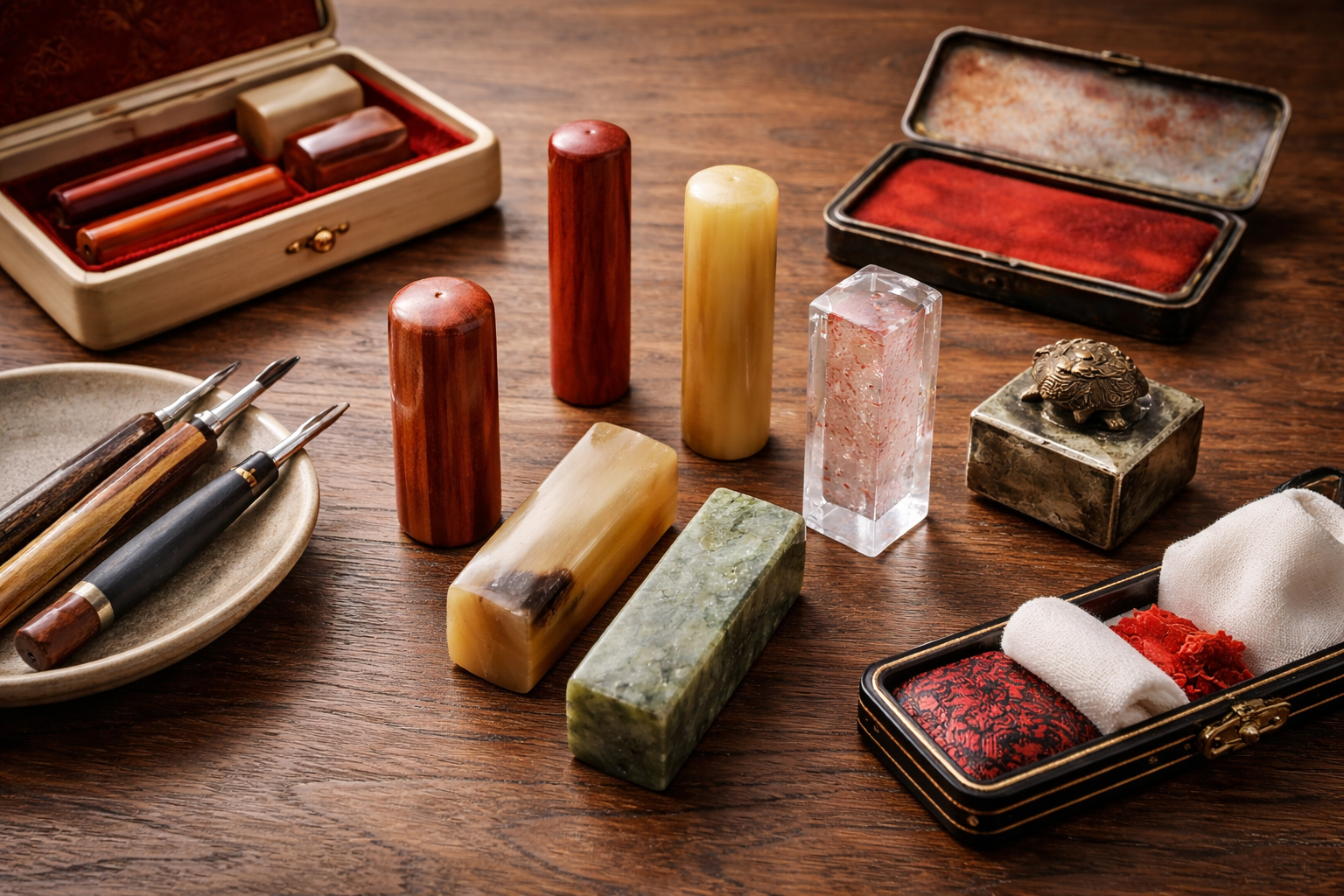
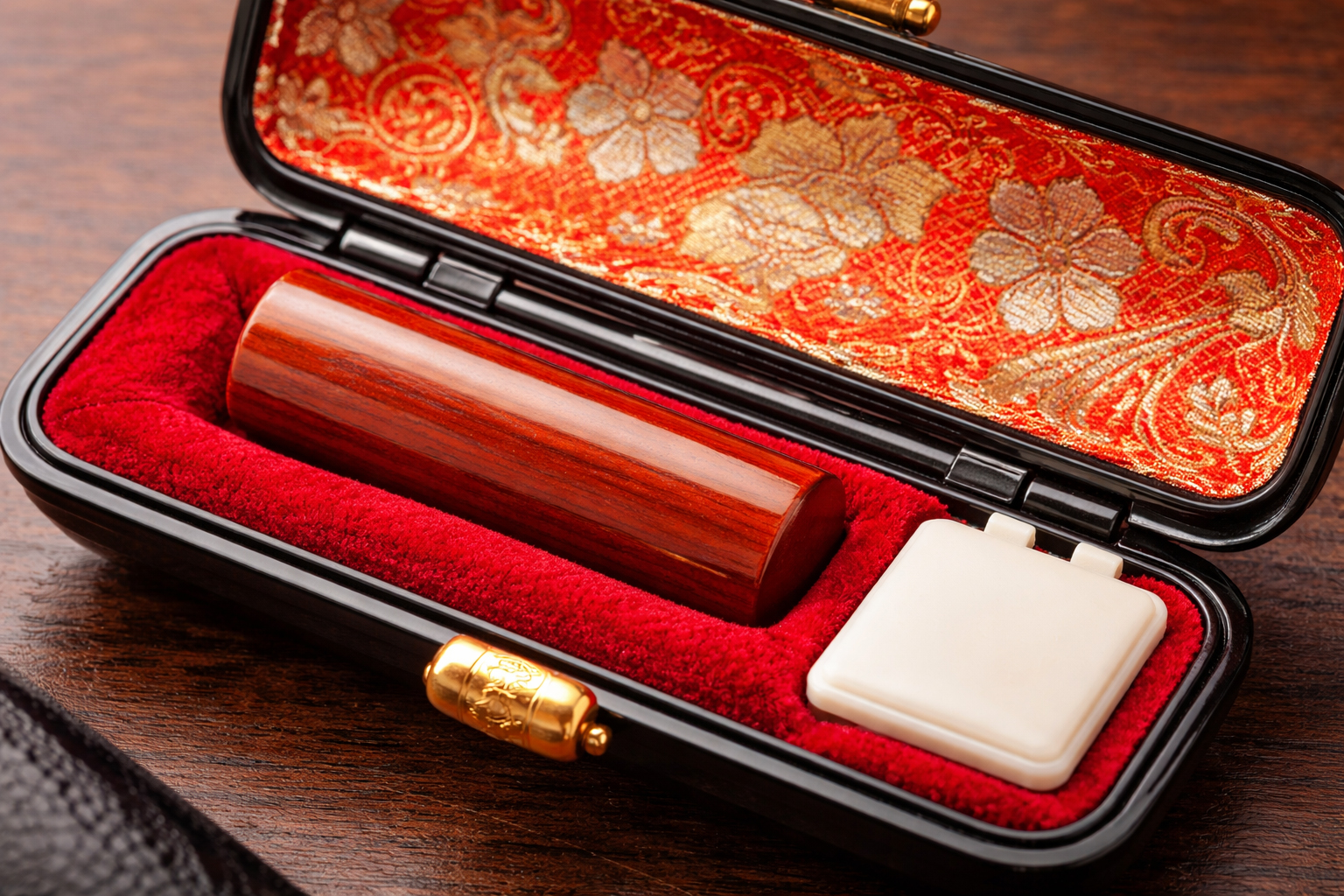
Seal case interior

Use a case to protect the seal face

If a hanko is left loose in a drawer or on a desk, the seal face is more likely to hit other objects. A case helps protect it from direct contact and accidental damage.

A seal case is not just decorative. It is part of the seal’s protection.

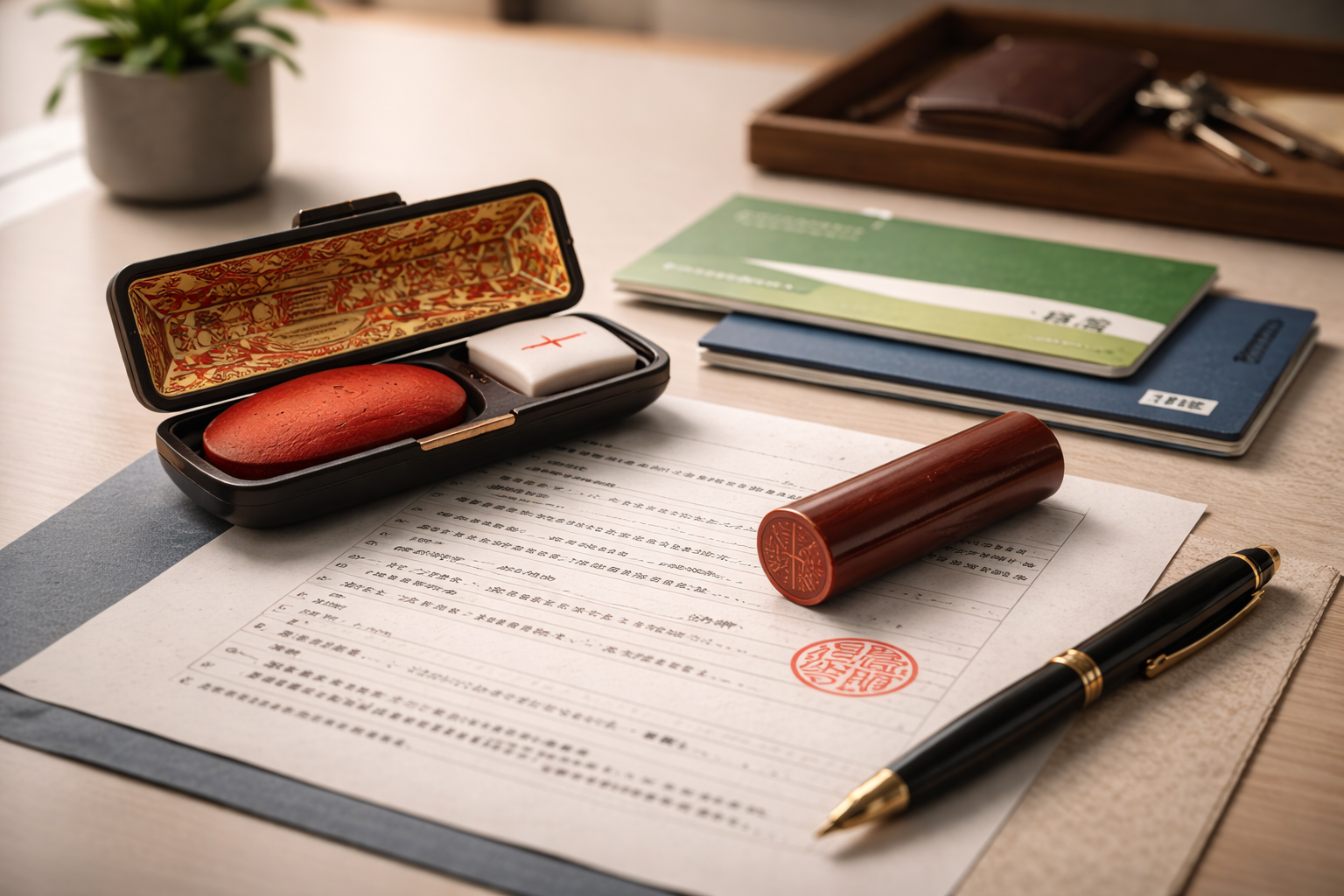
Modern desk with seal and documents

Avoid high humidity, strong heat, and extreme dryness

Depending on the material, too much humidity or too much dryness can affect the condition of a seal over time. It is better not to leave seals for long periods in direct sunlight, in places of trapped moisture, or in unstable conditions.

Most seals do best in calm, stable environments.

Good storage means creating conditions that do not damage the seal during the time it is not being used.
— hanko.co.jp storage note

Store important seals separately

It is usually not wise to treat a daily-use seal, a bank seal, and a registered seal in the same way.

Mitomein / everyday seal

  • Can be kept in a more accessible place
  • Often meant for regular daily use
  • Still should not be left carelessly exposed

Bank seal / registered seal

  • Better stored separately by purpose
  • Better not carried casually in daily life
  • Best kept in clearly decided storage locations

The more important the seal, the more important it is to know exactly where it is and exactly what it is meant for. Mixing everyday seals with bank or registered seals can blur both management and meaning.

Storage is not only physical protection. It is also a way of preserving clarity of purpose.

How to think about vermilion paste and stamp pads

The seal is only part of the impression. The stamping materials matter too.

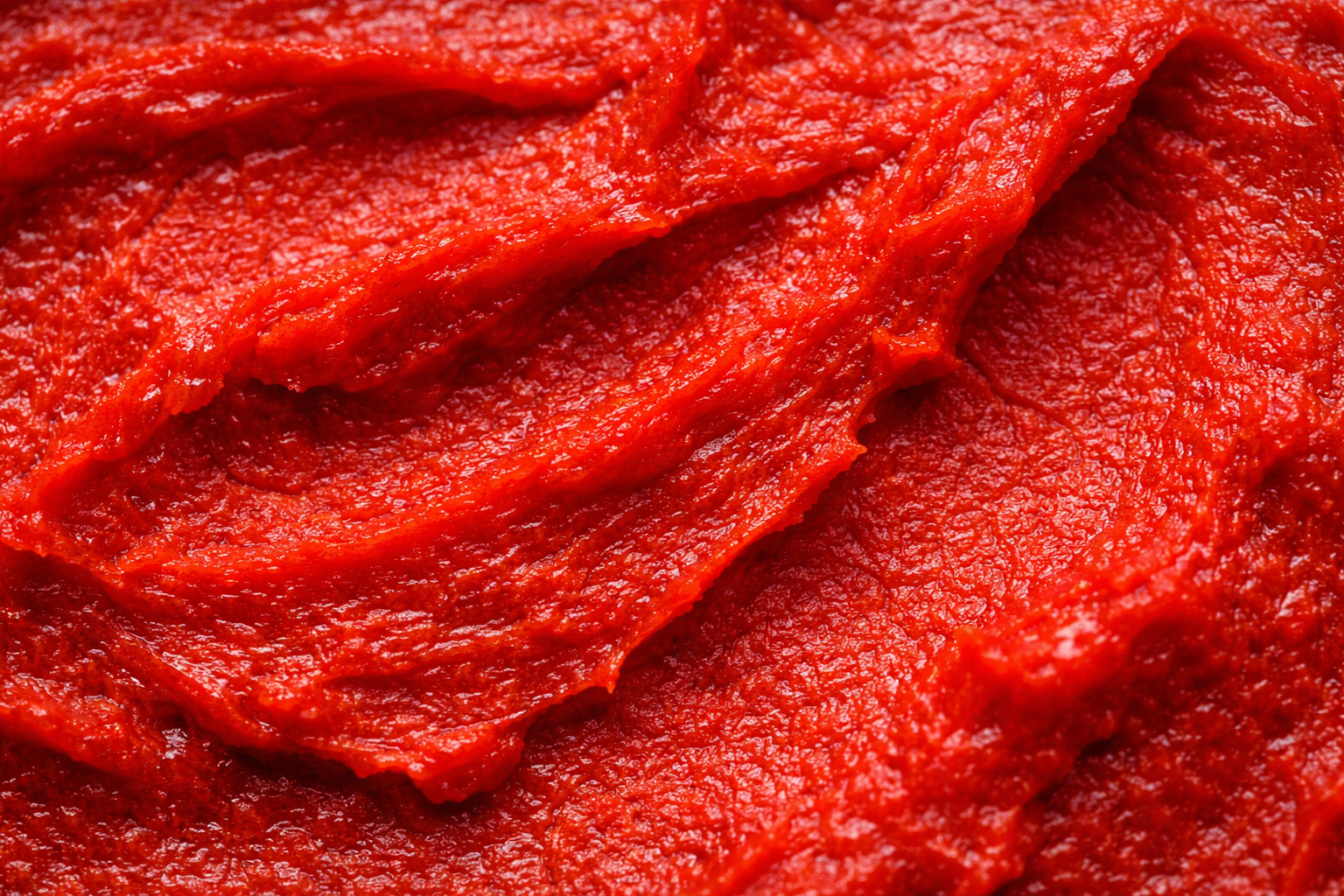
Close-up of red seal paste

Do not overload the seal face

Too much vermilion can cause lines to blur or the edges of the impression to swell. A more even, moderate application usually gives a better result.

Good impressions depend more on balance than on quantity.

Clean stamped seal impression

Do not keep using dirty stamping material

If the surface of the pad or paste becomes rough or contaminated, parts of the impression may break or smear unexpectedly. The quality of the stamp impression depends on the whole system, not only the carved seal.

Beautiful impressions require orderly tools.

Small habits that help seals last

In practice, regular small habits often matter more than occasional big efforts.

Helpful habits

  • Look briefly at the seal face after use
  • Gently remove excess vermilion
  • Return it to its case
  • Give each important seal a fixed place
  • Keep important seals separate from everyday seals

Habits worth avoiding

  • Leaving seals out on the desk
  • Setting the seal face downward carelessly
  • Putting the seal away while damp
  • Letting multiple seals knock against each other loosely
  • Treating serious seals as if they were daily casual tools
The best way to make a hanko last is usually not special repair. It is small regular care repeated every time.
— hanko.co.jp habits note

Conclusion

Caring for and storing a hanko means protecting both the carved face and the meaning carried by the seal.

A hanko is a small tool, but the way it is treated after use changes its beauty, reliability, and ease of use over time. Gently tidy the seal face, avoid moisture and impact, and store important seals separately by purpose. These small actions preserve good condition for many years.

This matters especially for seals such as bank seals and registered seals. They should not simply be put away. They should be protected with intention. That is part of respecting the seal not only as an object, but as something carrying trust and formal meaning.

Related pages

These pages pair naturally with care and storage questions.