Craft Guide

Materials Used for Hanko

The material of a hanko is not just a visual choice. It affects the feel in the hand, the weight of the seal, the calmness or sharpness of its appearance, how naturally it fits daily life, and even the kind of personality the seal seems to carry. Wood, stone, horn-like materials, and modern engineered materials each create a different kind of seal. This page introduces the main materials used for hanko and how to think about them.

hanko.co.jp Craft / Materials Introduction Reading time 8–10 minutes

When choosing a hanko, many people first think about lettering or size. But the material matters just as much. It influences not only how the seal looks, but also how it feels to use, how serious or approachable it seems, and what kind of role it naturally fits.

Materials suited to everyday seals are not always the same materials that feel right for registered seals, bank seals, or artistic seals. Learning about seal materials is therefore part of learning to see hanko not only as tools, but also as small crafted objects with different characters.

What is a seal material?

A seal material is the material out of which the body of the hanko is made.

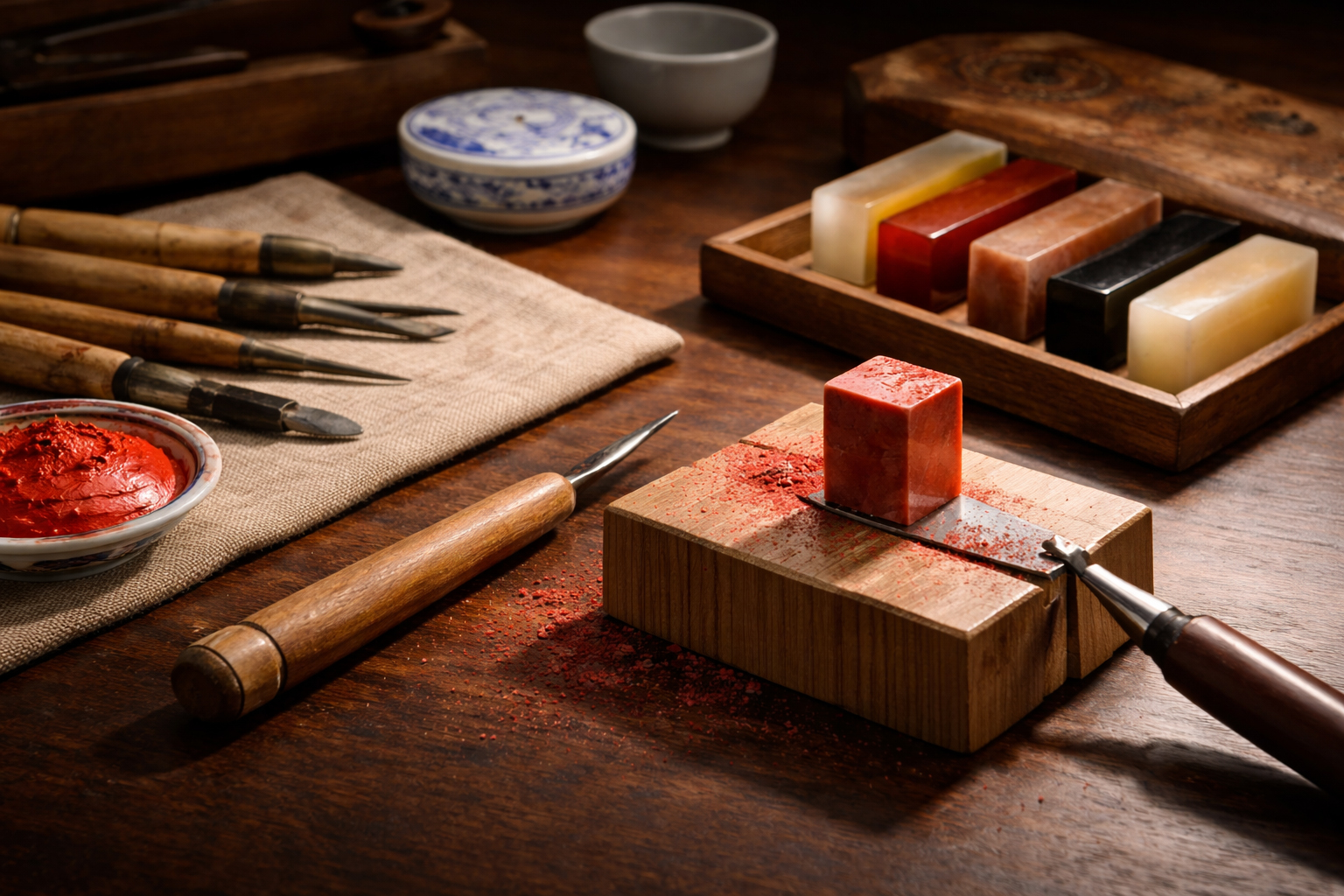
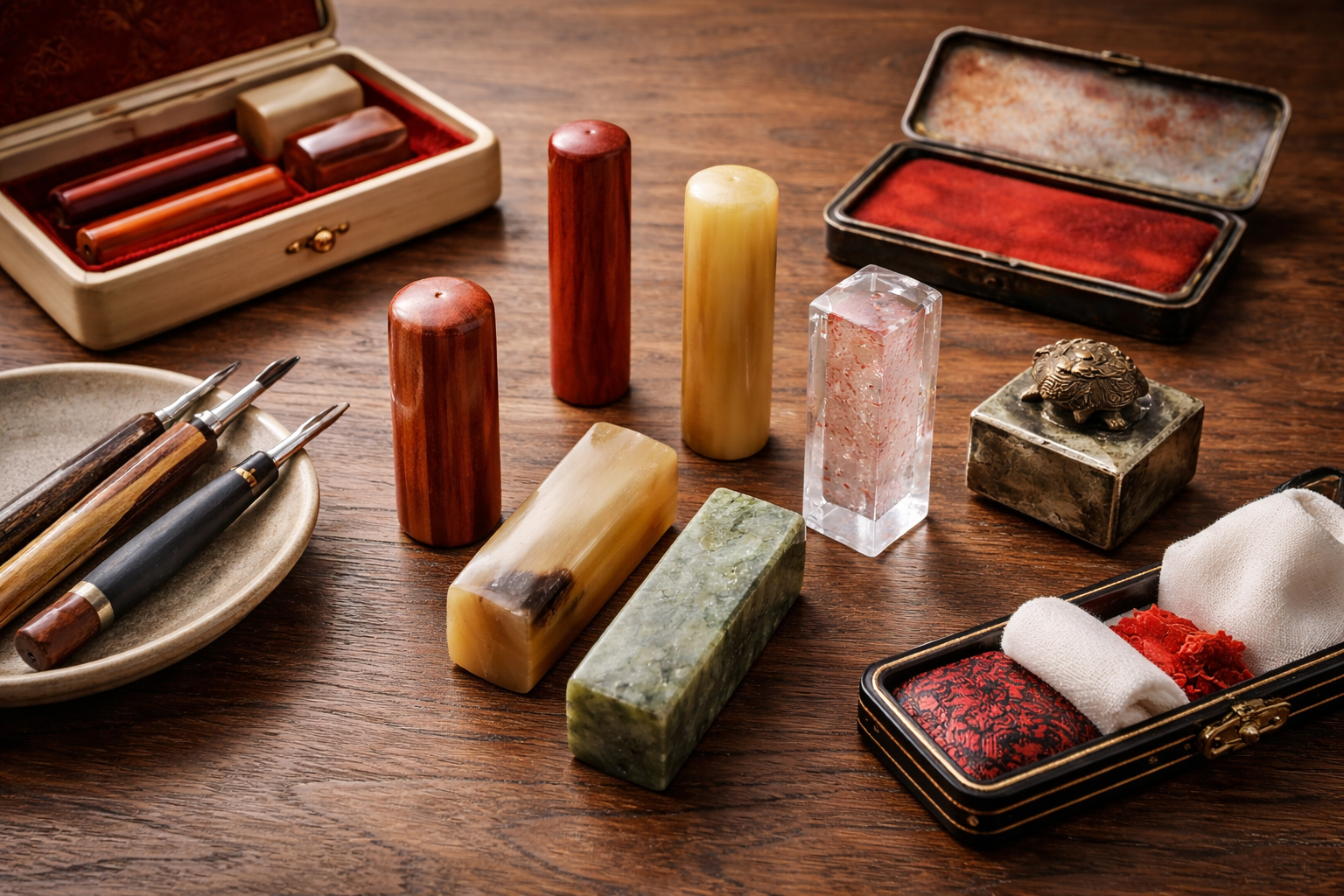
Arrangement of different seal materials

The material that becomes the seal itself

A seal material is the material into which the lettering is carved and from which the seal body is formed. Because of that, a change of material changes not only appearance, but also touch, weight, and atmosphere.

The material is both the physical foundation of the seal face and part of the seal’s overall character.
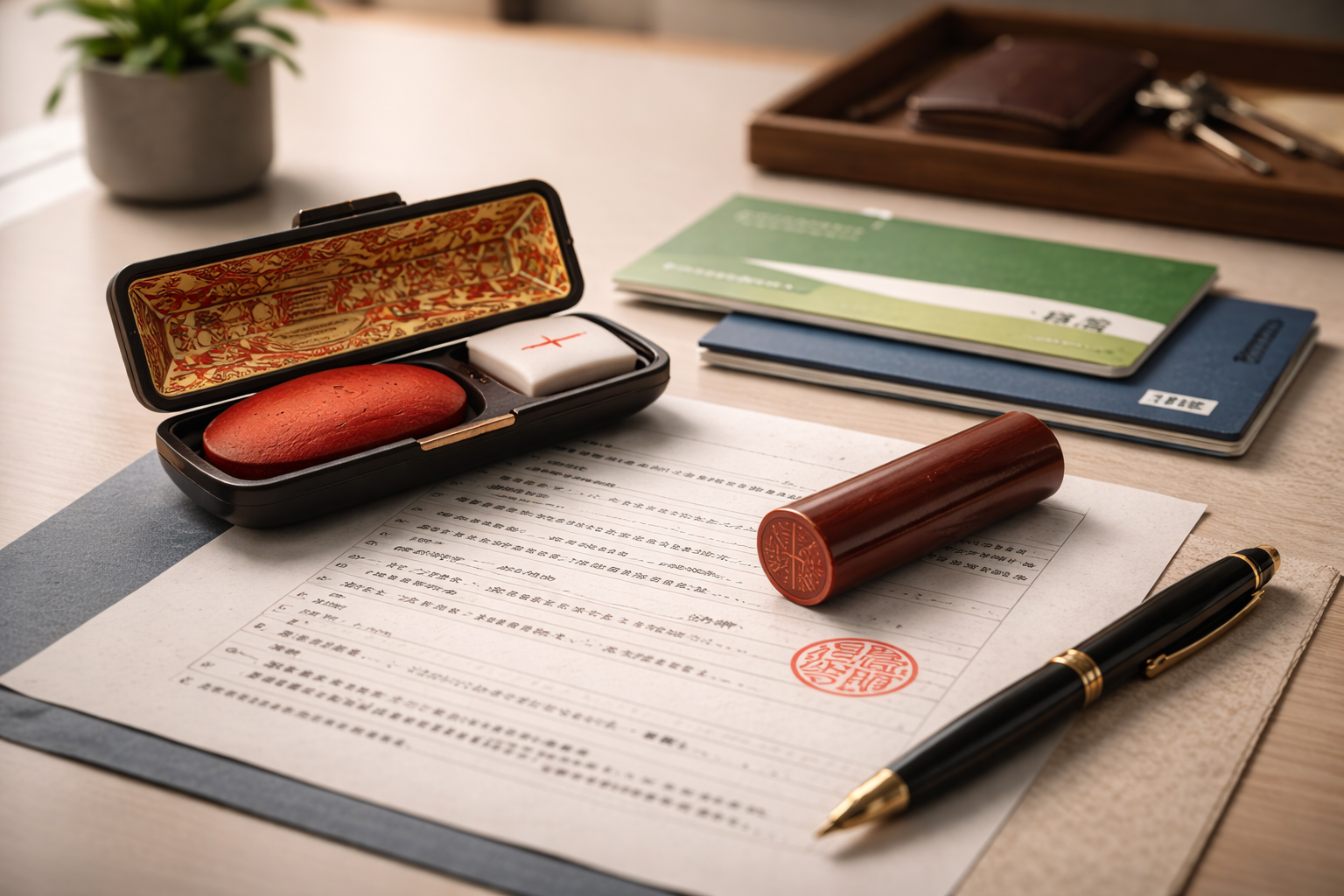
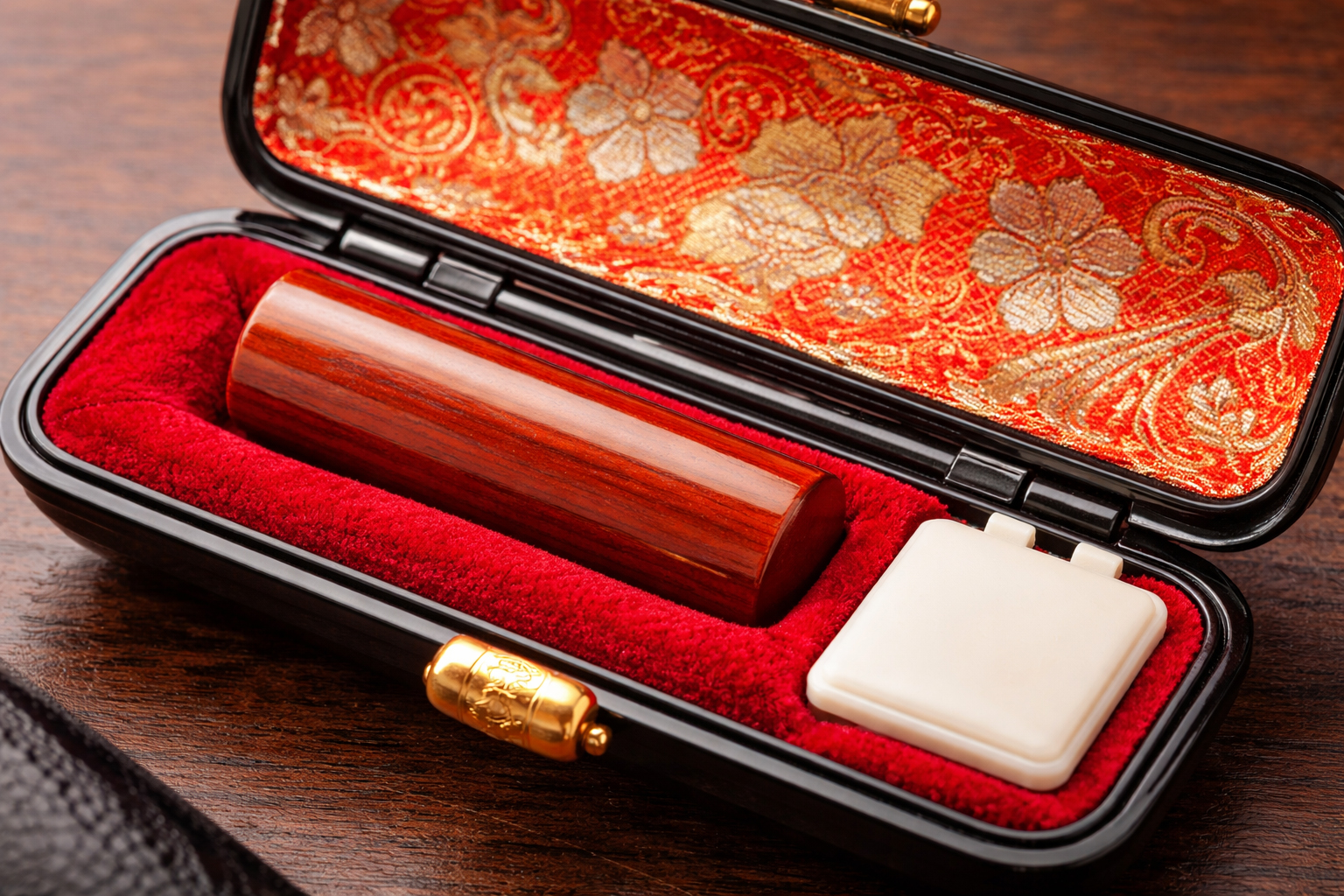
Modern hanko resting on a desk

Material also shapes suitability

A light and friendly material may feel natural in daily seals, while a calmer and more settled material may feel more appropriate for registered or bank seals.

Material choice therefore affects not only appearance, but also the kind of situation in which the seal feels right.

A seal material is not only what the hanko is made from, but also what supports its character and atmosphere.
— hanko.co.jp materials introduction note

Main categories of materials used for hanko

In modern seal culture, the main material families can be understood in a few broad groups.

Wood

  • Warm and approachable
  • Light and easy to hold
  • Often suits daily seals
  • Has a natural visual character

Horn-like materials

  • Calm and formal in appearance
  • Can feel firm and ordered
  • Often suits registered or bank seals
  • Suggests a more traditional seal mood

Stone

  • Quietly heavy and present
  • Often suits artistic or carved seals
  • Has strong visual stillness
  • Feels craft-oriented and object-like

Modern and resin-based materials

  • Practical and easy to manage
  • Often visually stable
  • Well suited to daily office or personal use
  • Fits contemporary life naturally

When the material changes, the atmosphere of the seal changes too

Even with the same name carved into them, wood, stone, horn-like materials, and modern materials do not feel the same.

Wood-based materials

Wood is one of the most approachable and human-feeling materials in modern seal culture.

Desk scene close to everyday life

Comfort in the hand

Wood often feels gentle and light. That makes it especially comfortable for daily-use seals such as mitomein or casual name seals.

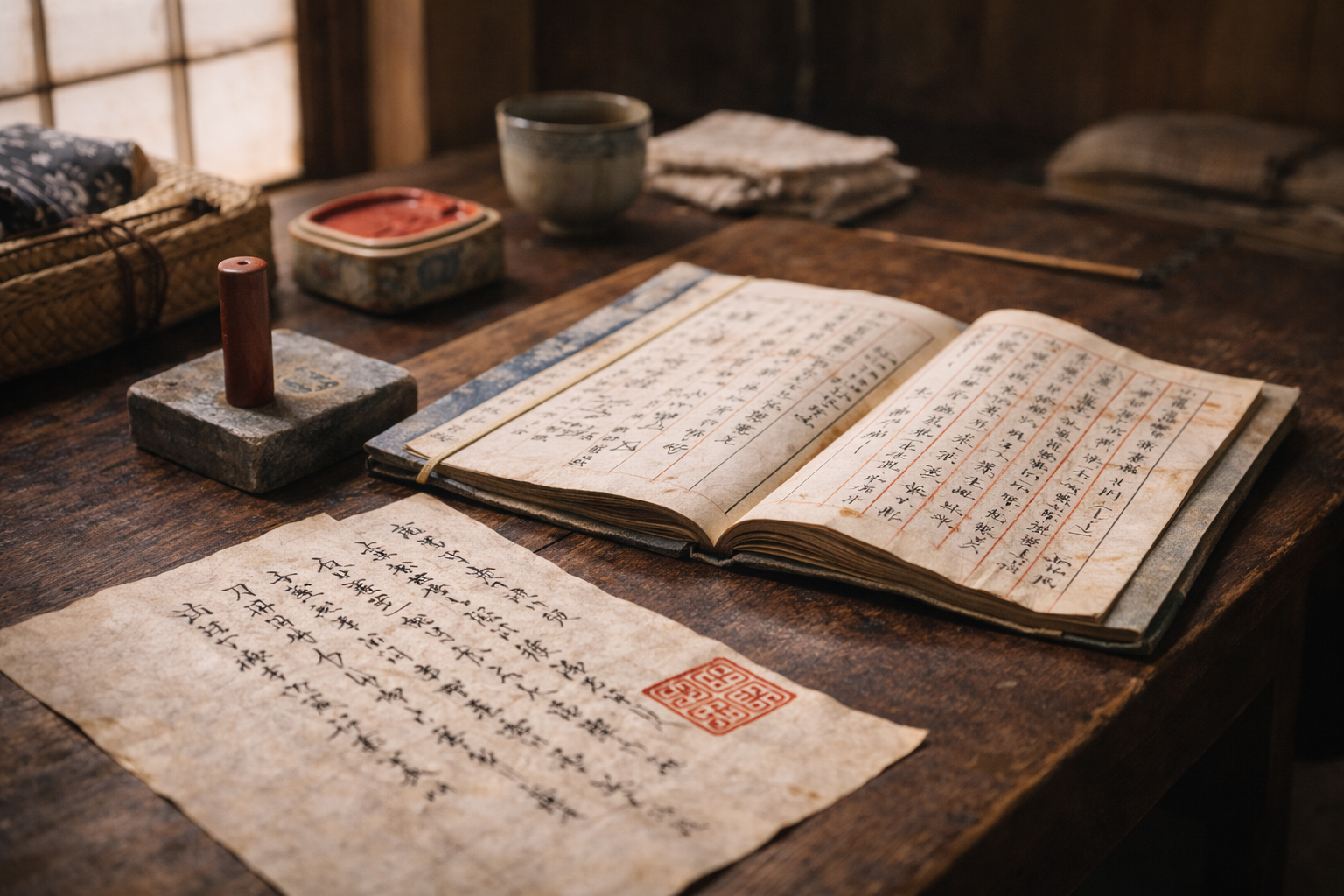
Woodworking and craft atmosphere

Natural warmth

The appeal of wood lies less in formal prestige and more in its natural ease and familiarity. It often feels like part of life rather than a ceremonial object.

Wood-based seal materials offer warmth, familiarity, and hand-friendliness more than formal grandeur.
— hanko.co.jp wood note

Horn-like materials

Horn-like materials are often chosen when people want calmness, order, and a more settled impression.

Visual qualities

  • Ordered and settled
  • Quietly refined
  • Often suits serious personal seals
  • Can suggest traditional prestige

Common uses

  • Registered seals
  • Bank seals
  • Some company seals
  • Seals intended to feel more formal

Horn-like materials are often appealing when the goal is not friendliness, but quiet seriousness. They can give a seal the feeling of something kept carefully and used with intention.

They are especially natural choices when people want a seal to feel settled rather than casual.

Stone-based materials

Stone materials bring weight and object-like presence to a seal.

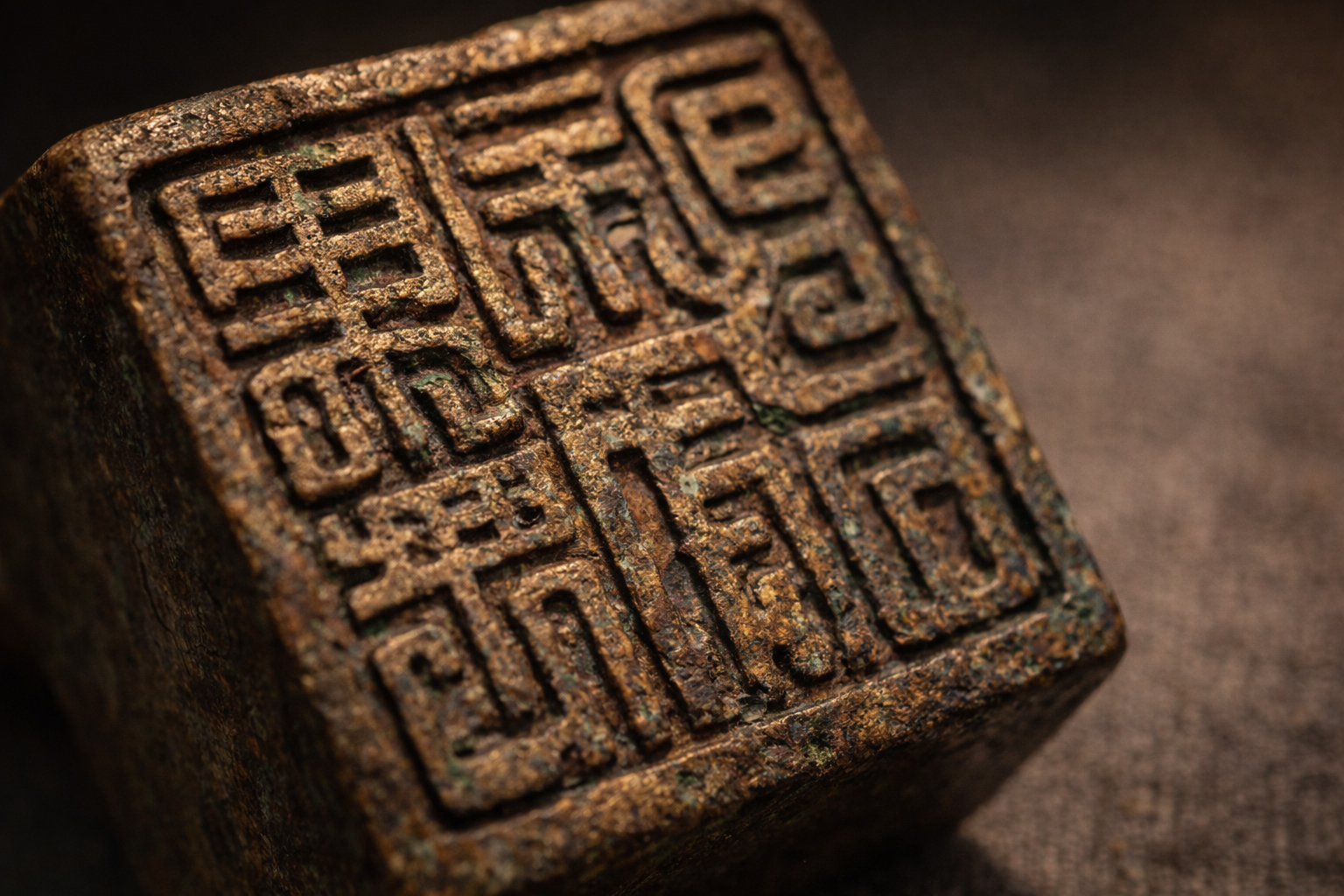
Heavy seal-like surface texture

Weight as part of the atmosphere

Stone often feels substantial in the hand. That physical weight becomes part of the identity of the seal itself. It is less the material of quick daily motion and more the material of slower attention.

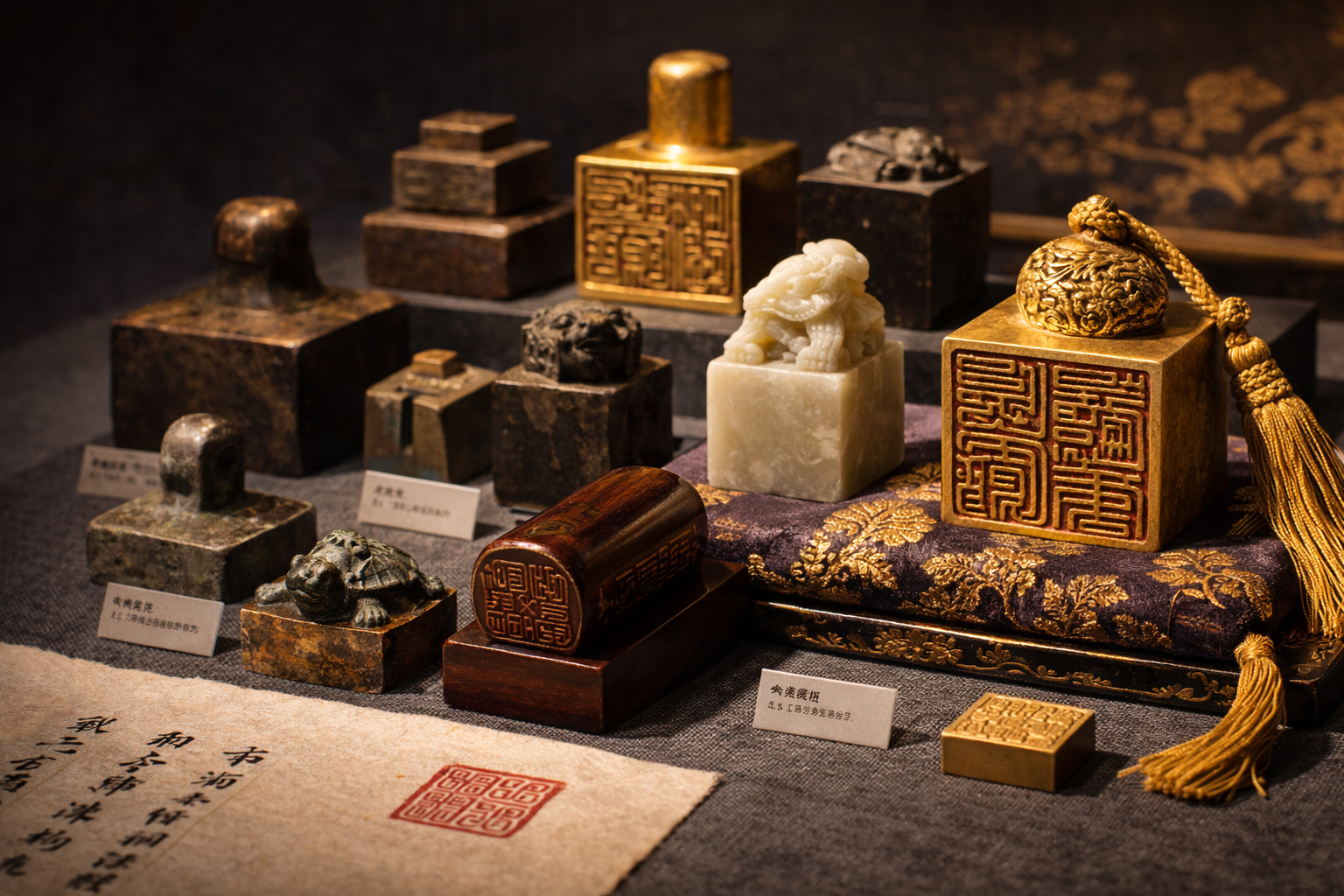
Display of stone and metal seal objects

Strong affinity with artistic seals

Stone is often especially at home in the world of artistic seals, seal carving, and rakkan. It feels less like office equipment and more like a crafted object with presence.

Stone-based materials bring quiet weight, stillness, and craft-like presence to a seal.
— hanko.co.jp stone note

Modern and resin-based materials

Modern materials are among the strongest choices for practical everyday use.

Main strengths

  • Easy handling
  • Strong practicality
  • Stable appearance
  • Natural fit with daily work
  • Well suited to contemporary routines

Common uses

  • Mitomein
  • Bank seals
  • Daily personal seals
  • Office-use seals
  • Backup or secondary seals

Modern materials are valued less for symbolic prestige and more for ease of use. They fit a world in which many seals are expected to function smoothly inside ordinary daily life.

If comfort, convenience, and steady use matter most, modern materials are often among the best candidates.

How to choose among materials

It is usually more natural to ask which material suits which kind of seal than to ask which material is simply “best.”

For everyday seals

  • Lightness
  • Approachability
  • Comfort in the hand
  • Ease of access and use

For registered and bank seals

  • Calmness
  • A sense of keeping long-term
  • Stability
  • A settled visual impression

For artistic seals

  • Atmosphere of the material
  • Weight
  • Harmony with the seal impression
  • Craft and object quality

For practical work seals

  • Ease of handling
  • Ease of storage
  • Stable appearance
  • Comfort in repeated use
Good material choice is less about ranking materials than about finding the material that matches the seal’s purpose.
— hanko.co.jp choosing note

Conclusion

The materials used for hanko each carry their own strengths, limits, and kinds of beauty.

Wood gives warmth and familiarity. Horn-like materials give calm formality. Stone gives weight and craft-like presence. Modern materials give practical stability and ease. These are not only differences in appearance. They shape the character of the seal itself.

That is why material choice should not be reduced to a simple question of luxury or price. It is better understood as a question of what kind of seal you want, what kind of situations it will serve, and what kind of feel will remain satisfying over time. Seen in that way, the world of hanko materials becomes much richer and much more useful.

Related pages

These pages help place seal materials in the larger context of choosing and using a hanko well.