Craft Guide

How to Choose a Good Hanko

A good hanko is not good simply because it is expensive. What matters is whether it fits its purpose, whether the name is carved well, whether it stamps cleanly, whether it feels right in the hand, and whether it can be used with confidence over time. A truly good hanko is one that matches the person and the job it is meant to do.

hanko.co.jp Craft / Basic Guide Reading time 7–10 minutes

When choosing a hanko, people often look first at appearance or material. Those things matter, but the most important question comes earlier: what is the seal for?

A mitomein, a bank seal, a registered seal, a company seal, and an artist seal do not ask for exactly the same qualities. A good hanko is easiest to find when purpose comes before decoration.

The first thing to decide

Good seal selection begins by deciding what kind of role the seal must play.

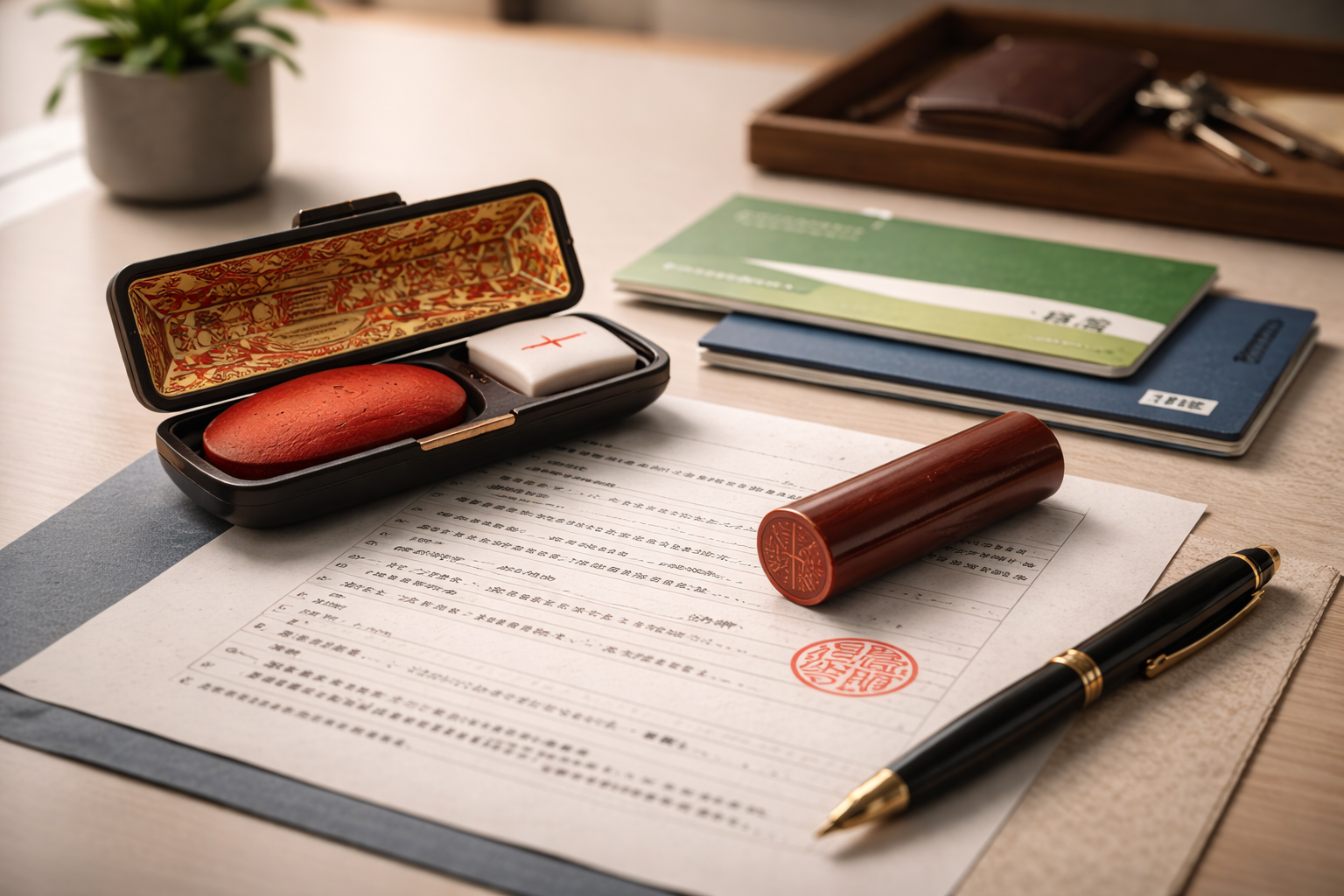
Modern desk with hanko

Is it for daily use or formal use?

A seal for everyday acknowledgment is chosen differently from a seal for banking or a heavily formal registered seal. A daily-use seal benefits from convenience and ease. A serious seal benefits from stability, dignity, and a sense of long-term trust.

A good hanko always fits the seriousness of its intended use.

Formal contract desk

How often will it be used?

A seal used every week and a seal used only for major formal moments should not be chosen in exactly the same way. Daily-use seals need comfort and ease. Rare but serious seals need lasting weight and dependable handling.

Frequency changes what “good” means.

Choosing a good hanko begins not with appearance, but with purpose.
— hanko.co.jp craft note

How to think about lettering

A good hanko has lettering that fits its role.

When clarity matters most

  • Good for everyday seals and practical name seals
  • Easy-to-read characters can be helpful
  • The seal’s owner is easier to recognize

When formality or mood matters most

  • Good for registered seals and artistic seals
  • More classical styles may suit the purpose better
  • The seal can carry stronger atmosphere and dignity

The best lettering is not simply the easiest lettering. For a daily-use seal, readability can be very useful. For a formal or artistic seal, mood, dignity, and balance may matter more.

Good lettering matches the seal’s function.

Good lettering is not only readable. It also feels right for the seal’s purpose.

A hanko is a tool of letters, but also a tool of impression.

How to choose the right size

Size affects both visual weight and practical ease of use.

Seal on paper

Too small can feel weak

If a seal is too small, the impression may look thin or the characters may crowd together. In more formal contexts, some visual stability is desirable.

A good size is small without looking fragile.

Seal and paper margin

Too large can become awkward

If a seal is too large, it may be awkward on ordinary forms or narrow spaces. For everyday or banking use, manageability matters.

A good size sits between visual weight and practical ease.

How to think about material

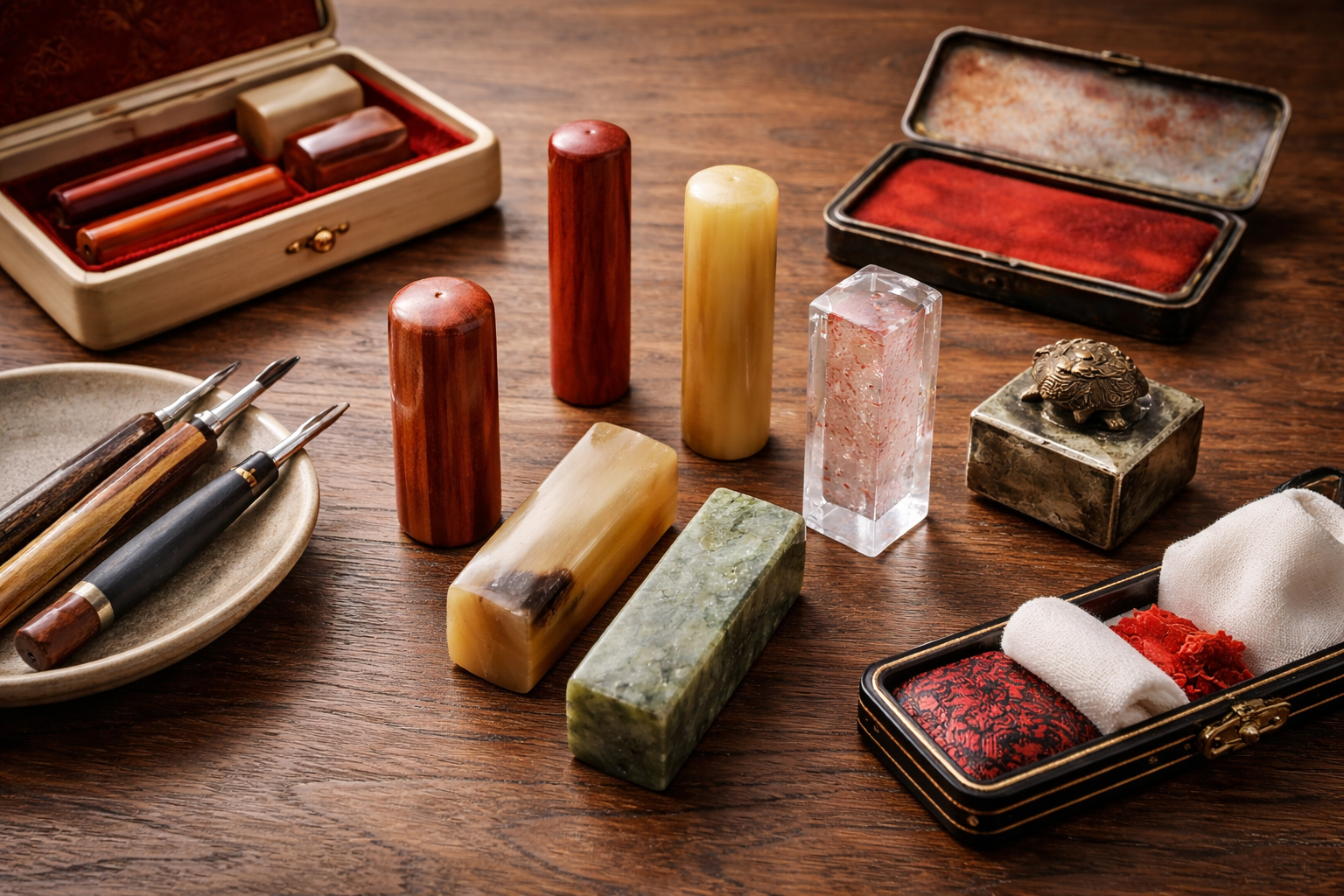
Material affects not only appearance, but also touch, stability, and emotional feel.

For everyday use

  • Lightness and ease may matter more
  • Comfort in frequent handling matters
  • Daily practicality should not feel burdensome

For formal use

  • Stability and quiet dignity may matter more
  • A sense of long-term confidence is useful
  • The material should feel appropriate to serious use

There is no single universally correct material. The important question is whether the material feels right for the seal’s purpose.

Daily seals may benefit from light practicality. Formal seals may benefit from steadier presence. Artistic seals may benefit from expressive character.

A good material is not simply a luxurious one. It is the material that fits the seal’s purpose.
— hanko.co.jp materials note

How to judge carving quality

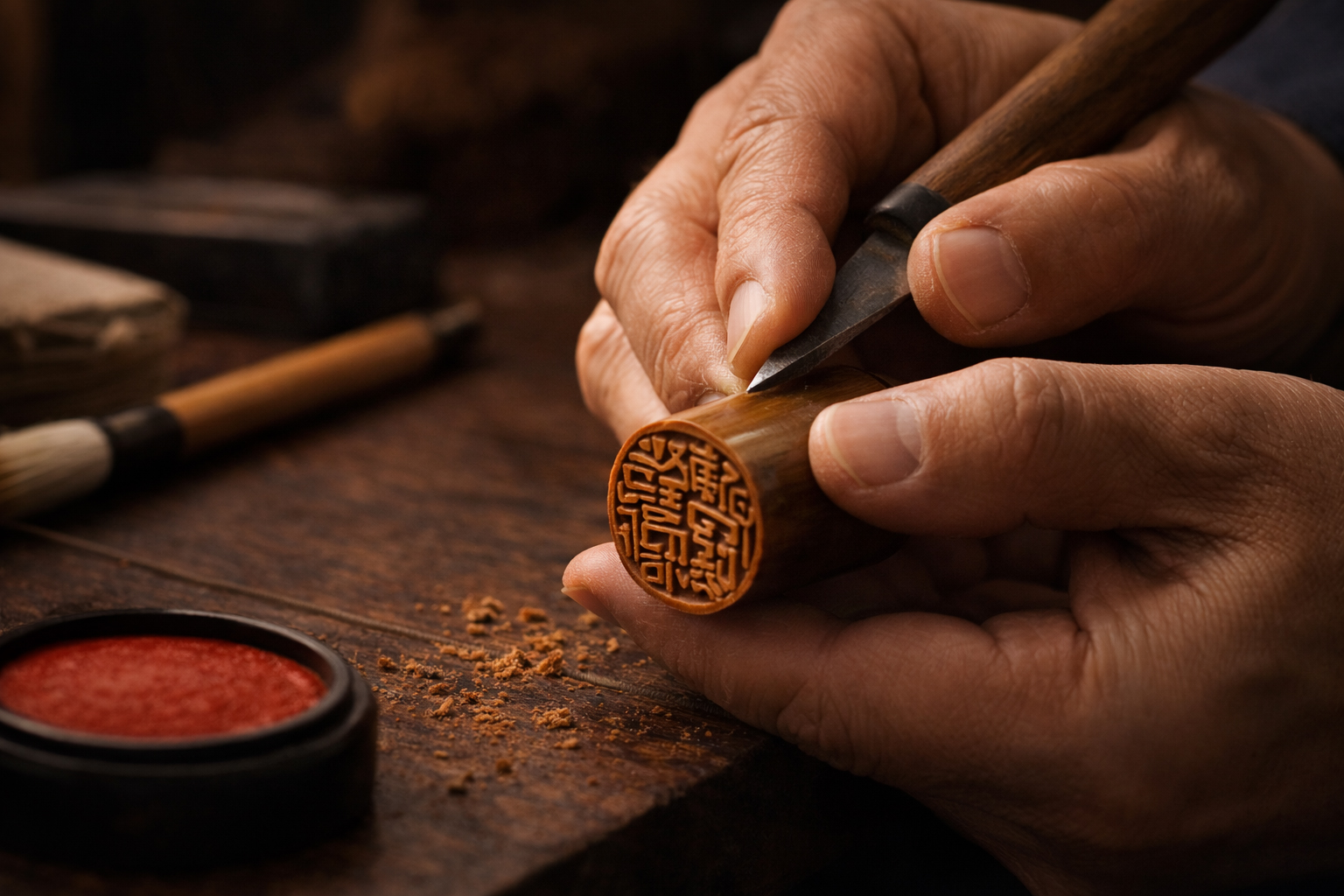
A good hanko produces an impression that feels balanced, natural, and alive.

Craftsman carving a seal

The lettering should not feel cramped

Good carving does not force too much into too little space. The lines should feel settled rather than suffocated, and the characters should have room to breathe.

Balance between character count and seal size is essential.

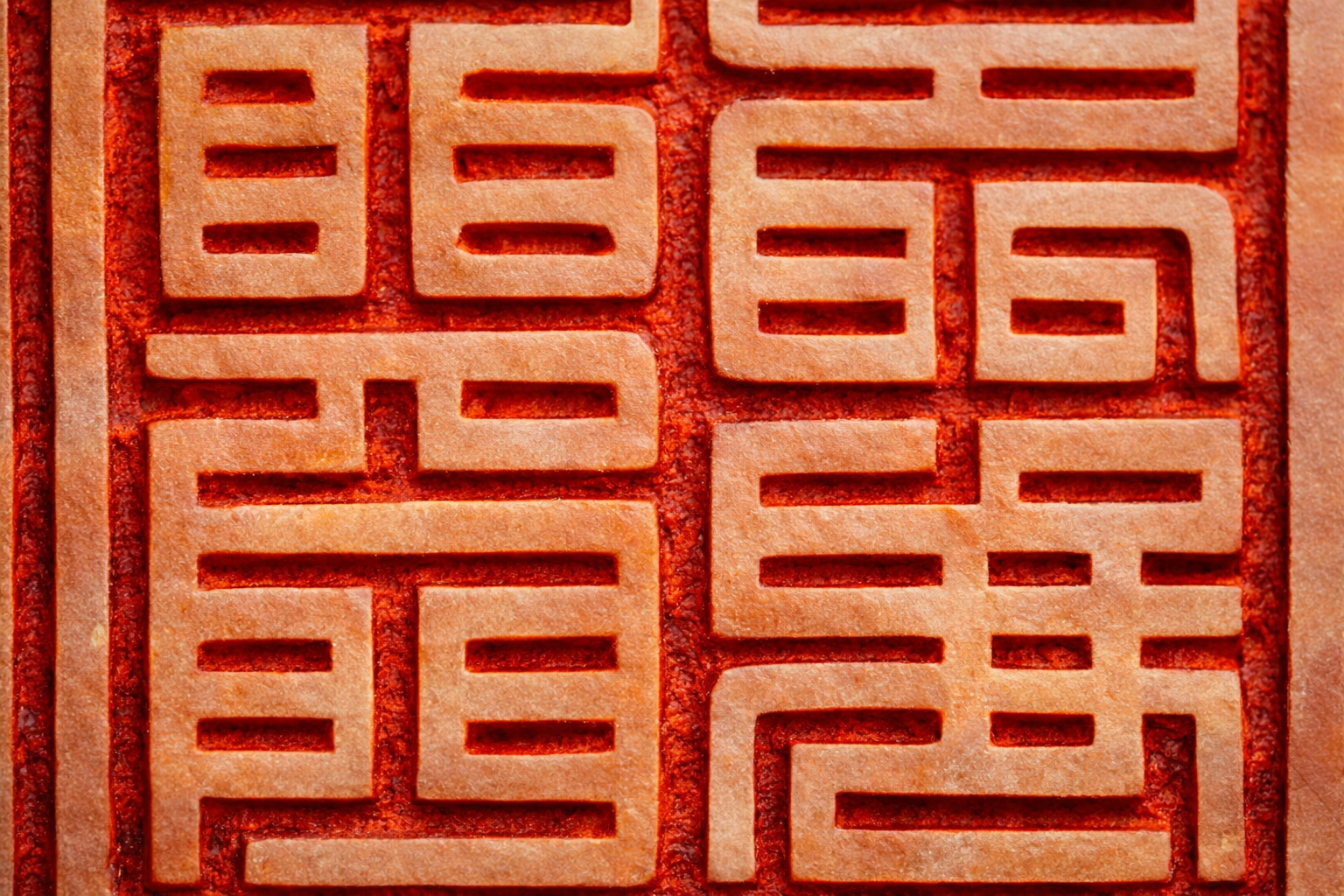
Close-up of seal impression

The stamped impression matters most

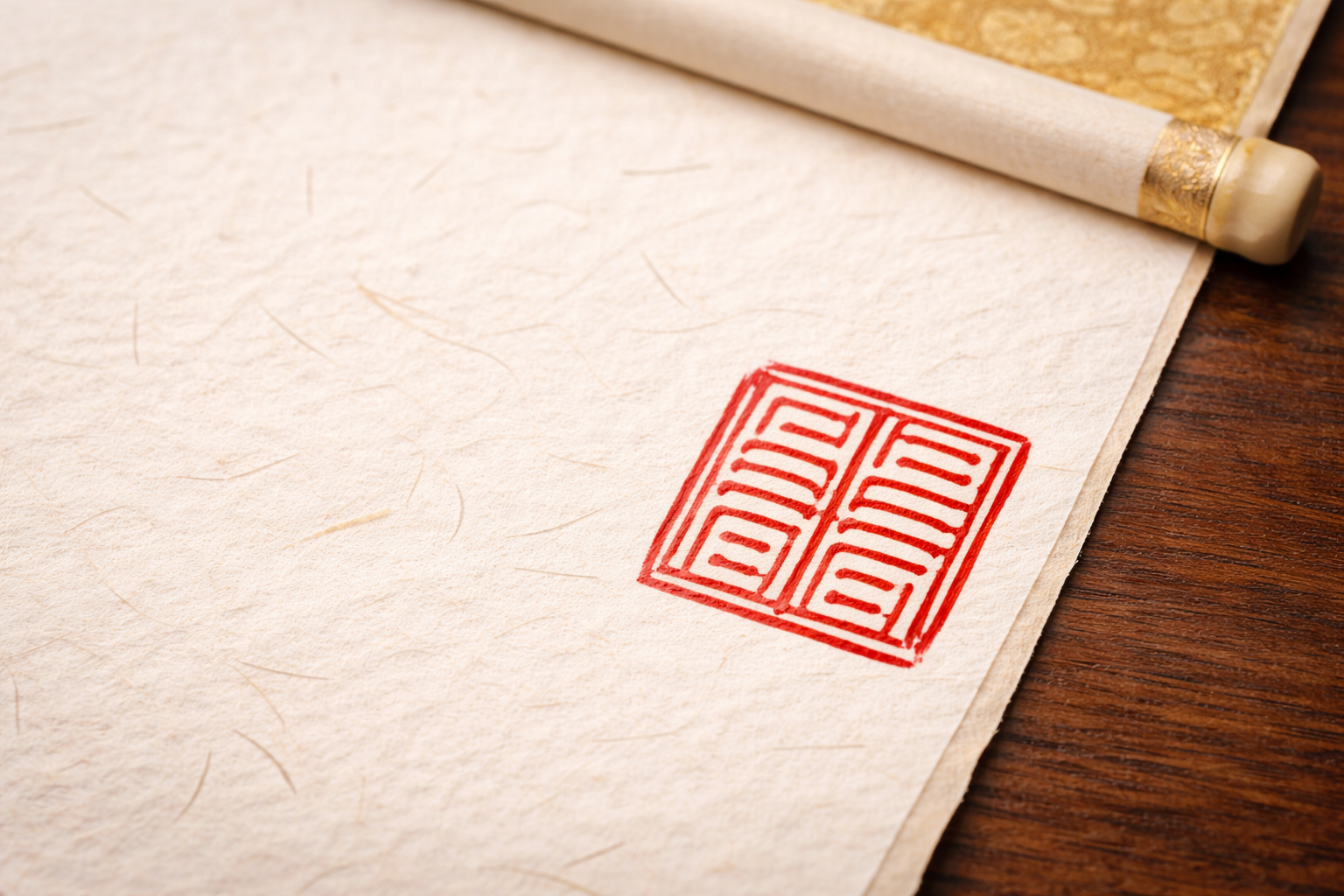
A hanko is not judged only in the hand. Its real form appears when stamped. A good impression should not collapse, blur, or feel unstable. The balance of red and blank space should feel convincing.

Good hanko can often be recognized by the quality of the impression itself.

Ease of use matters too

A good hanko is not only beautiful. It should feel good to use.

Does it sit well in the hand? Is it easy to stamp straight? Does it require awkward force? These questions matter, especially for seals used often.

A daily-use hanko that creates small frustration every time will not feel good over the long run. A good hanko is one you do not hesitate to use.

A simple method for choosing well

When in doubt, move through the decision in this order.

Decision order

  • Decide the purpose
  • Decide how the name or lettering should appear
  • Choose the size
  • Choose the material
  • Look at carving and impression quality
  • Think about comfort and handling

Signs of a good hanko

  • It fits its purpose
  • The lettering feels natural
  • The impression is clean and balanced
  • It is easy and satisfying to use
  • It feels worth keeping for a long time
  • It suits the seriousness of the setting
A good hanko is not merely an expensive hanko. It is a hanko that truly fits its user and its task.
— hanko.co.jp summary note

Conclusion

Choosing a good hanko is really a matter of choosing the right role, then choosing the right form.

A good hanko is not chosen by appearance alone. It is chosen by purpose, name style, size, material, carving quality, and actual stamping comfort. When these things align, the seal becomes genuinely good for the person and the work it must do.

That is why the best first step is always to understand your own purpose clearly. Once that is clear, the right hanko becomes much easier to recognize.

Related pages

These pages help make the selection criteria even clearer.