Craft Guide

The History of Ivory Hanko

Ivory hanko were long spoken of in Japan as if they were the classic premium seal material. That image did not arise from rarity alone. Tactile feel, density, carving quality, visual calmness, and the modern culture of registered personal seals all helped give ivory a special place. This page traces that history and the changes in how ivory hanko have been understood.

hanko.co.jp Craft / Material History Reading time 8–11 minutes

The history of ivory hanko is not only a history of material. It is also a history of what Japanese society came to associate with dignity, trust, adulthood, and formality in personal seals.

Seals themselves have a much older history, but ivory became especially visible as a premium seal material in connection with modern registered-seal culture, seal-registration systems, and the rise of a commercial seal industry. In that sense, the history of ivory hanko is also a history of social values and institutions.

Why ivory was attractive as a seal material

First, it helps to understand why ivory was admired in seal making.

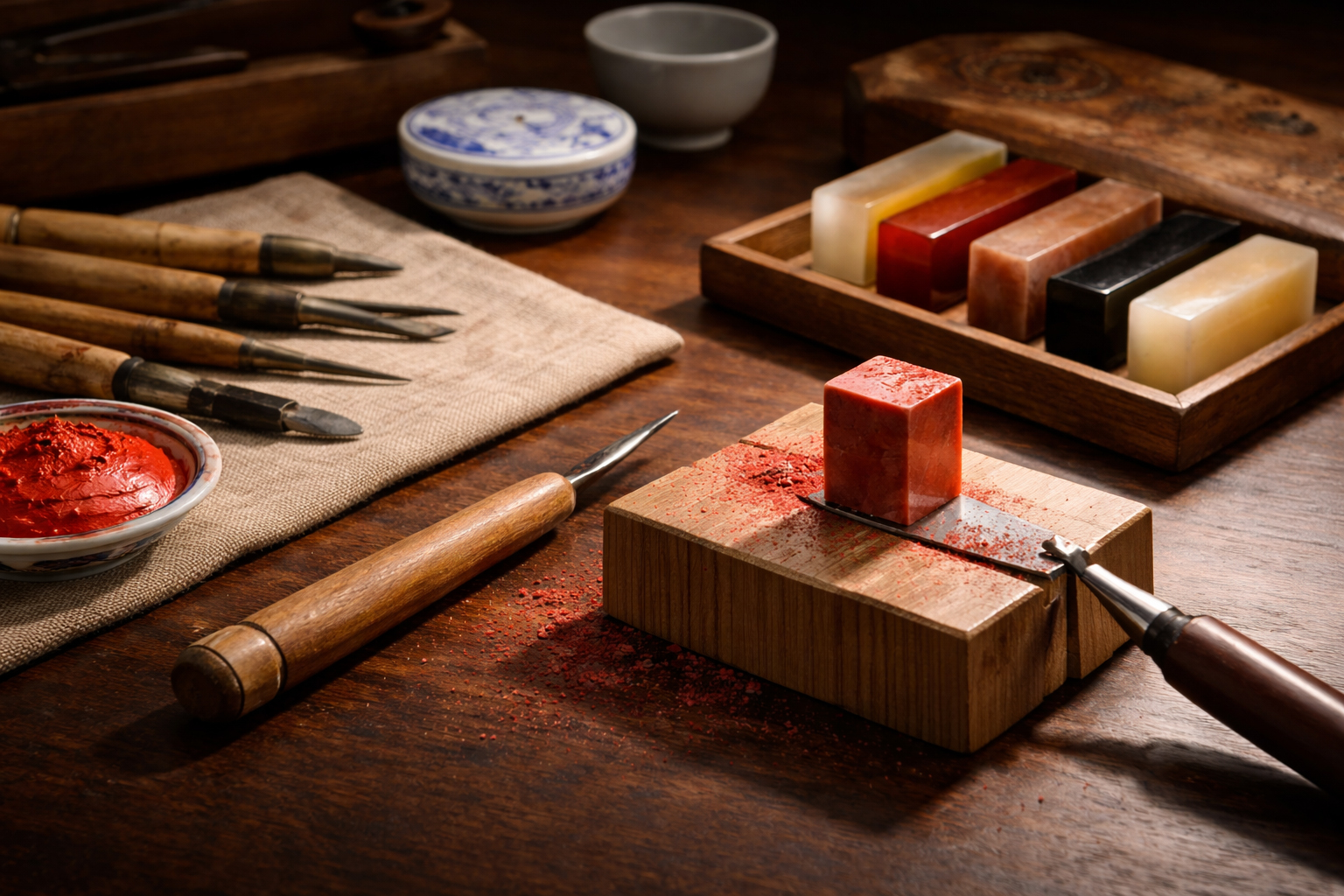
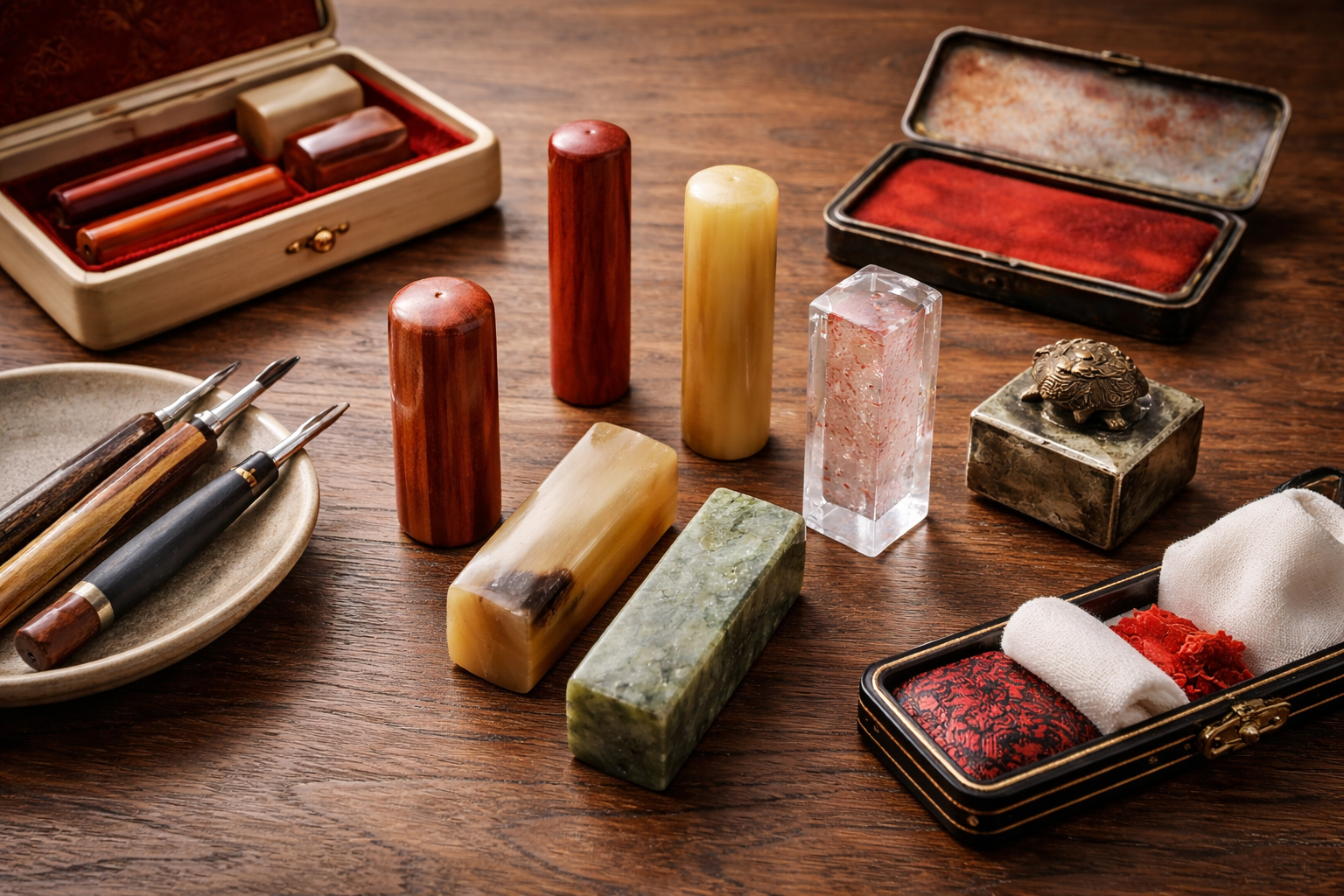
Seal materials compared together

Fine texture and suitability for carving

Ivory was long valued in seal culture for its fine texture and relative uniformity. These qualities made it feel suitable for carving detailed lines and delicate characters in a stable way.

That mattered for both practical seals and more refined seal work.
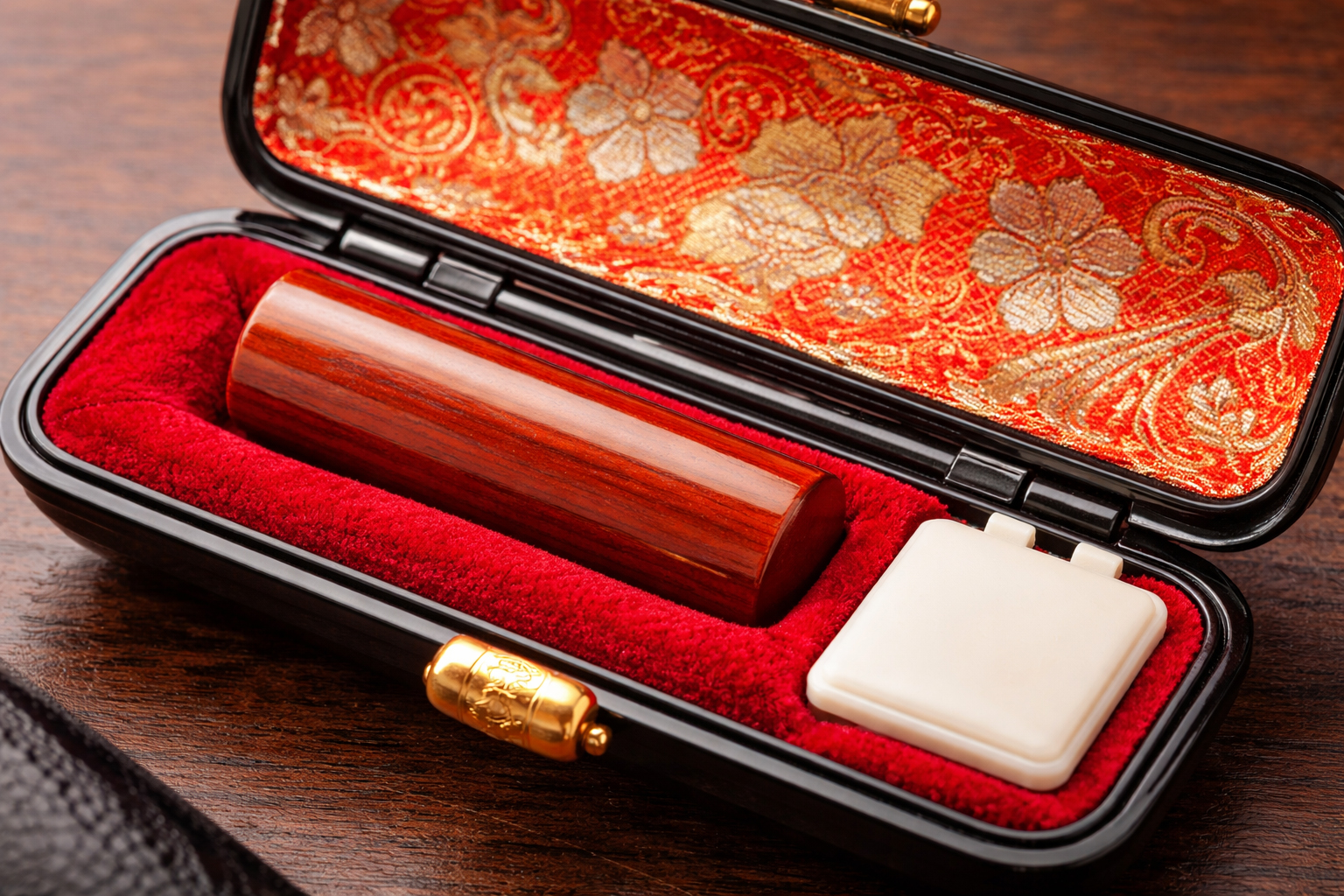
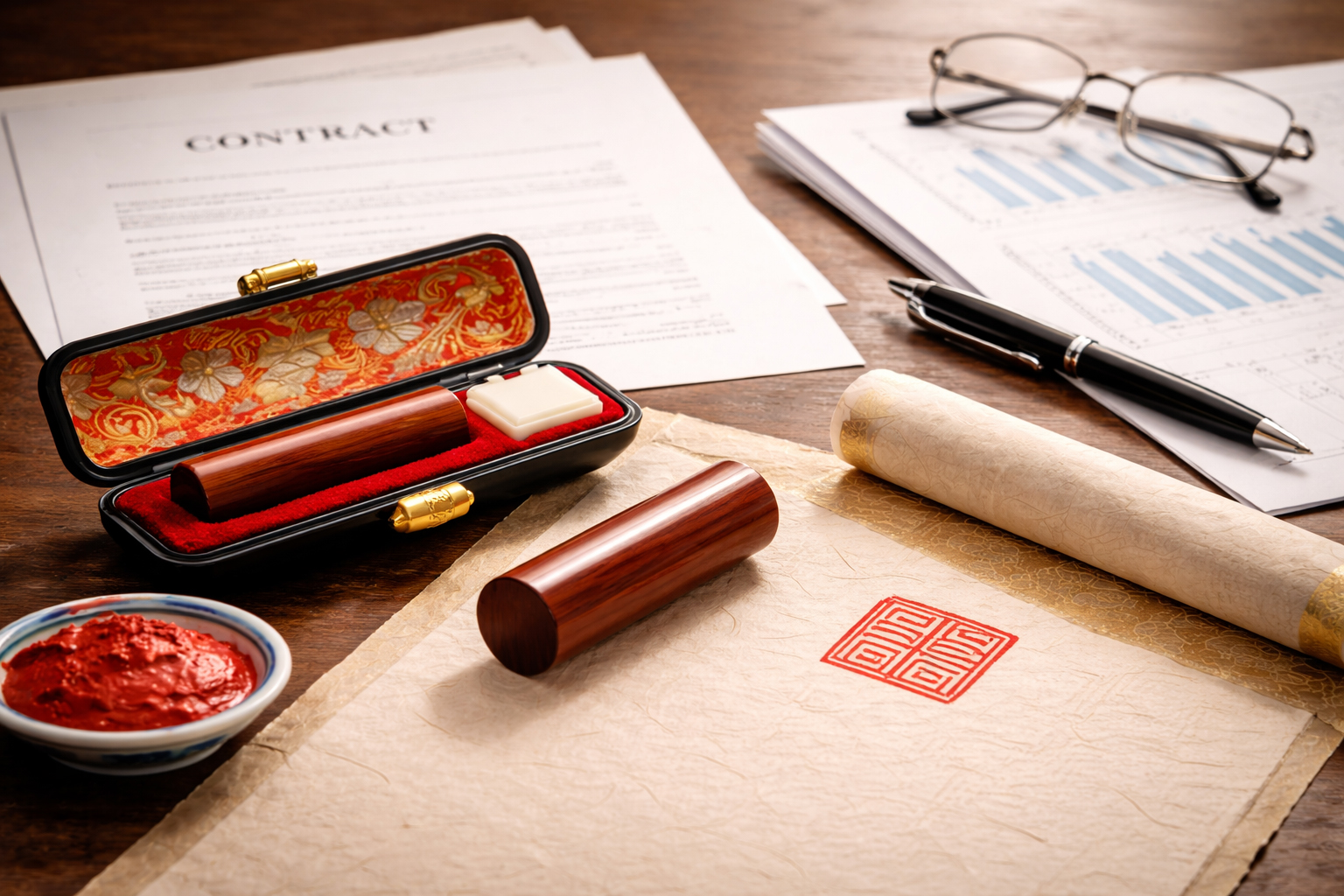
Important seal stored carefully in case

It carried a calm visual dignity

Ivory was often perceived as neither overly bright nor overly showy. It could produce a quiet, settled impression that felt appropriate for serious personal seals such as bank seals and registered seals.

That calm appearance strengthened its prestige.

Ivory became respected in seal culture not only because it was rare, but because it combined carving quality with a quiet sense of dignity.
— hanko.co.jp material-history note

Older seal culture and ivory

Seal history is ancient, but ivory was not always the central material.

Japanese seal culture itself reaches far back through public seals and private seals, but that does not mean ivory dominated every phase of that long history.

In earlier periods, metals, wood, stone, and other materials also played important roles. Ivory may have carried special value, but it was not the single material that defined the whole history of seals.

The history of seals is also a history of many materials

Ivory was important, but it did not originally stand alone over the entire field.

Modern Japan and the rise of the ivory hanko image

Ivory’s stronger premium identity is closely tied to modern institutions and markets.

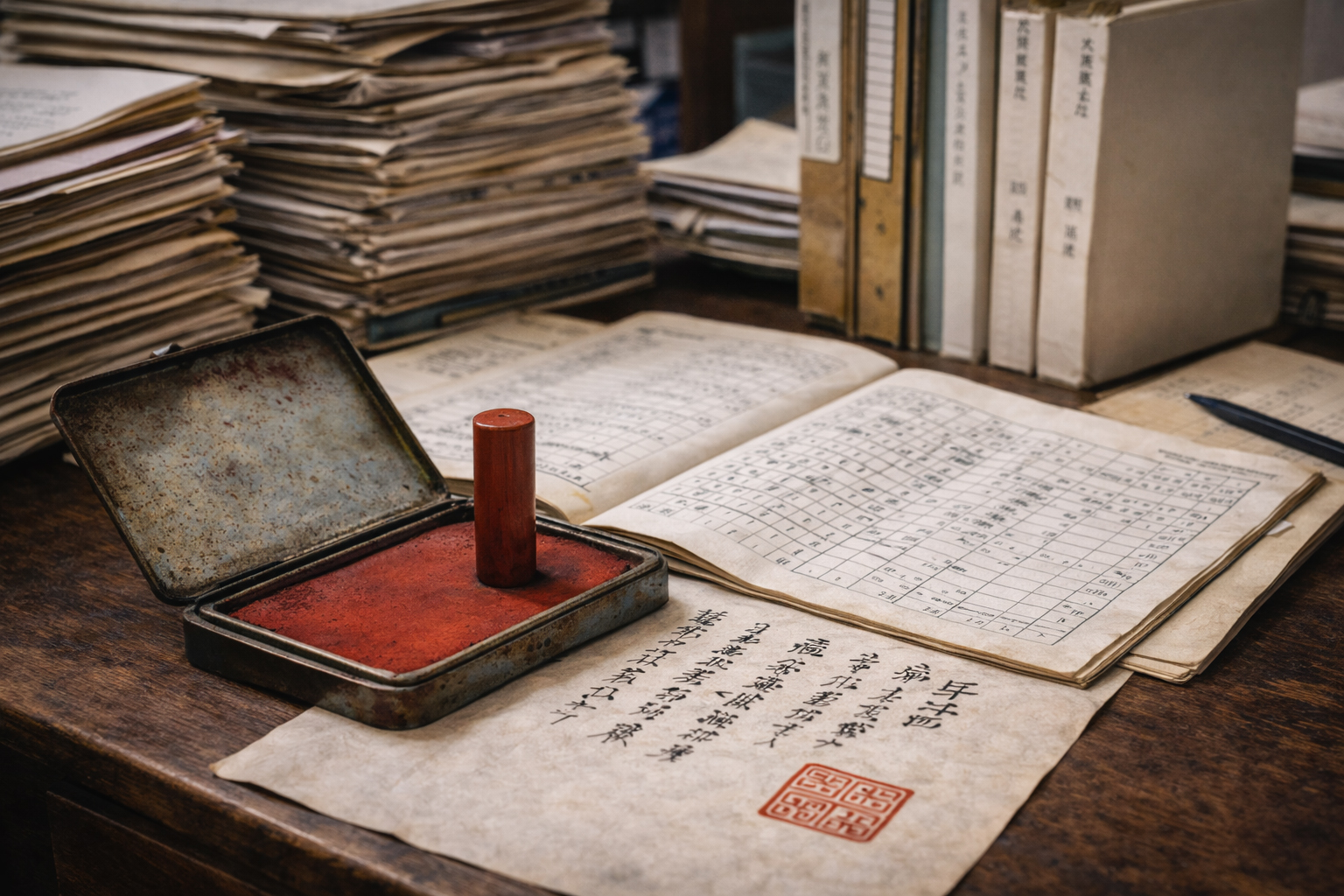
Modern office paperwork culture

Seal registration and registered-seal culture

As modern Japanese society gave greater importance to registered personal seals and formal documentary procedures, people increasingly felt that important seals should be made from materials appropriate to their seriousness.

Ivory became strongly associated with that sense of formal suitability.

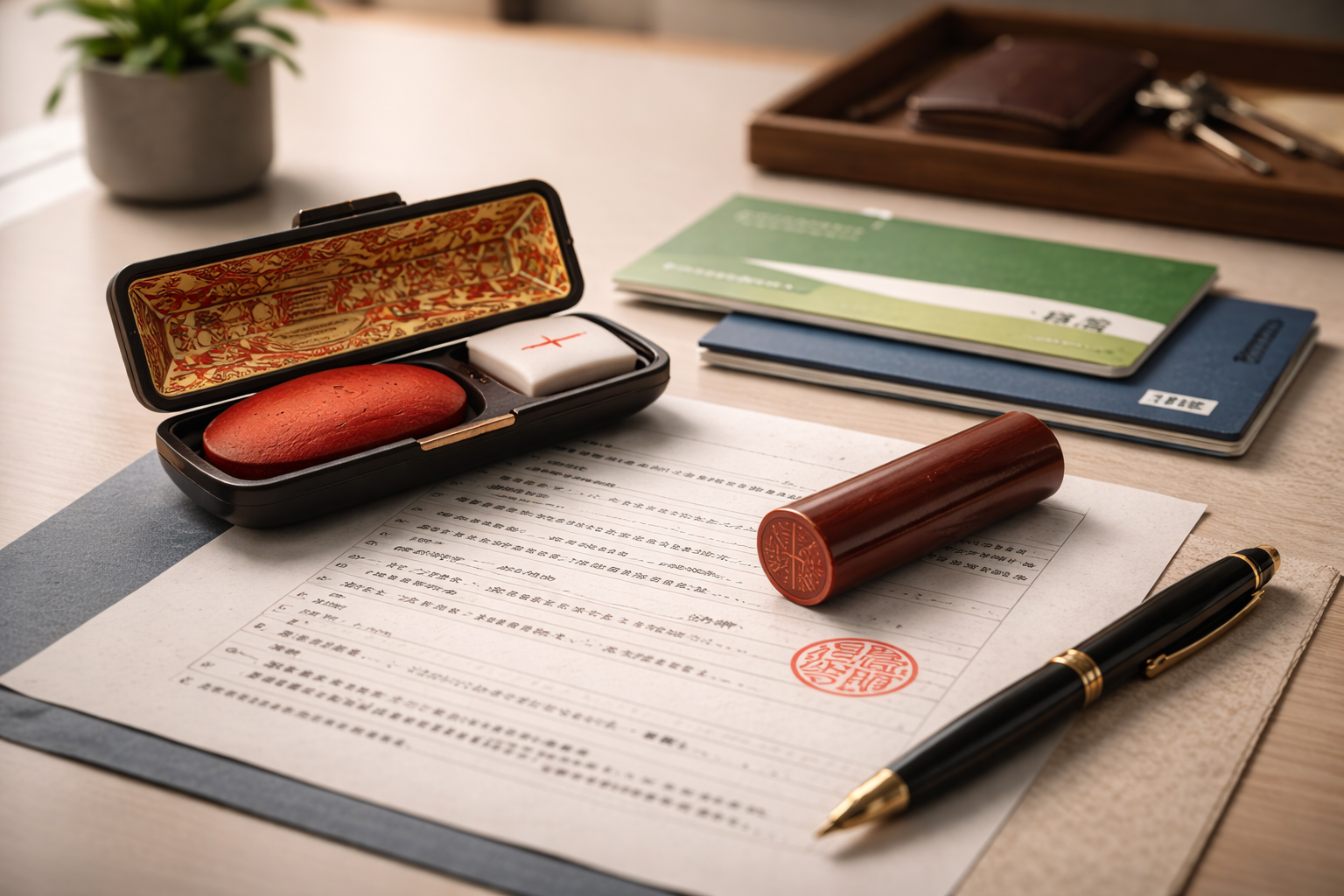
Modern personal seal in use

The commercial seal industry reinforced the image

The growth of seal shops, advertising language, material rankings, and the repeated sales idea that “a serious registered seal should be ivory” all strengthened the premium image of ivory hanko.

In other words, ivory prestige was shaped not only by material qualities, but also by the language of the market.

The premium image of ivory hanko was formed through the meeting of material qualities with modern institutions, seal culture, and commercial promotion.
— hanko.co.jp modern-material note

The Showa-era image of the “classic premium seal material”

Much of what people still imagine about ivory hanko was strongly shaped in the Showa period.

Typical Showa associations

  • A material suited to the registered seal
  • A seal for adulthood
  • A seal made for marriage or employment milestones
  • A “proper” seal to keep for life
  • A premium gift material

Why the image spread

  • Wider use of registered seals
  • Standardized sales language in seal shops
  • Transmission of value inside families
  • Quiet visual prestige
  • The image of long-term reliability

In Showa-era life, seals were still tightly connected to everyday procedures and social formality. In that world, ivory could easily become the material associated with a serious lifelong seal and with formal adulthood itself.

That cultural memory still shapes how many people imagine ivory hanko today.

Reconsideration in the present

Today, ivory hanko are no longer discussed in exactly the same way they once were.

Range of modern seal materials

Material values have diversified

Today, wood, stone, resin-based materials, and horn-like materials are all understood as materials with their own legitimate strengths. Ivory is no longer the only serious way to think about quality in seals.

Modern craft and material choice

Choice now reflects use and personal values

Contemporary seal selection often considers not only prestige, but also tactile preference, practicality, storage, and personal values. Knowing the history of ivory matters, but it does not require treating ivory as the only ideal.

It remains important to know the history of ivory hanko, but modern seal culture no longer has to treat ivory as the only center of quality.
— hanko.co.jp contemporary-materials note

What this history reveals

The story of ivory hanko reveals a great deal about what Japanese seal culture valued over time.

Values visible in that history

  • Dignity
  • Trustworthiness
  • Connection to registered-seal culture
  • The wish for a seal to keep long-term
  • A premium image shaped by the market

Questions that remain today

  • What kind of quality really matters?
  • What counts as refinement now?
  • Which material actually suits the purpose best?
  • How should tradition and modernity be balanced?
  • How should material meaning be understood now?

Conclusion

The history of ivory hanko is both the history of a premium material and the history of Japanese seal values.

Ivory was long respected as a premium seal material because of its fine texture, carving suitability, and calm visual dignity. In modern Japan especially, it became closely tied to registered-seal culture, the commercial growth of seal shops, and social ideas of adulthood, seriousness, and proper documentary form.

Yet modern seal culture has become more plural. That means learning the history of ivory hanko is still valuable, but it does not require freezing ivory into the position of a single permanent ideal. A more natural modern response is to understand that history clearly, then choose the material that best fits today’s real purposes and values.

Related pages

These pages deepen the connection between material history and modern seal selection.