Type Guide

What Is a Registered Seal?

A jitsuin is a personal seal that has been formally registered with the local municipality. Within Japanese seal culture, it is understood as one of the heaviest and most formal personal seals. It is not an everyday acknowledgment seal like a mitomein, and it is not simply a specialized financial-use seal like a bank seal. A jitsuin is the seal used to show strong formal identity and serious personal commitment.

hanko.co.jp Types / Basic Guide Reading time 7–10 minutes

Among Japanese personal seals, the jitsuin is known as one of the heaviest in meaning. This is not because it is physically expensive, but because it is linked to the person through formal seal registration.

For that reason, it is commonly used in situations such as real estate transactions, major agreements, and other formal documents where a stronger expression of personal commitment is required. A jitsuin is therefore not merely a seal with a name on it. It is a seal whose meaning is reinforced by a formal system of identification.

The basic meaning of a jitsuin

Start by clarifying what a registered seal is meant to show.

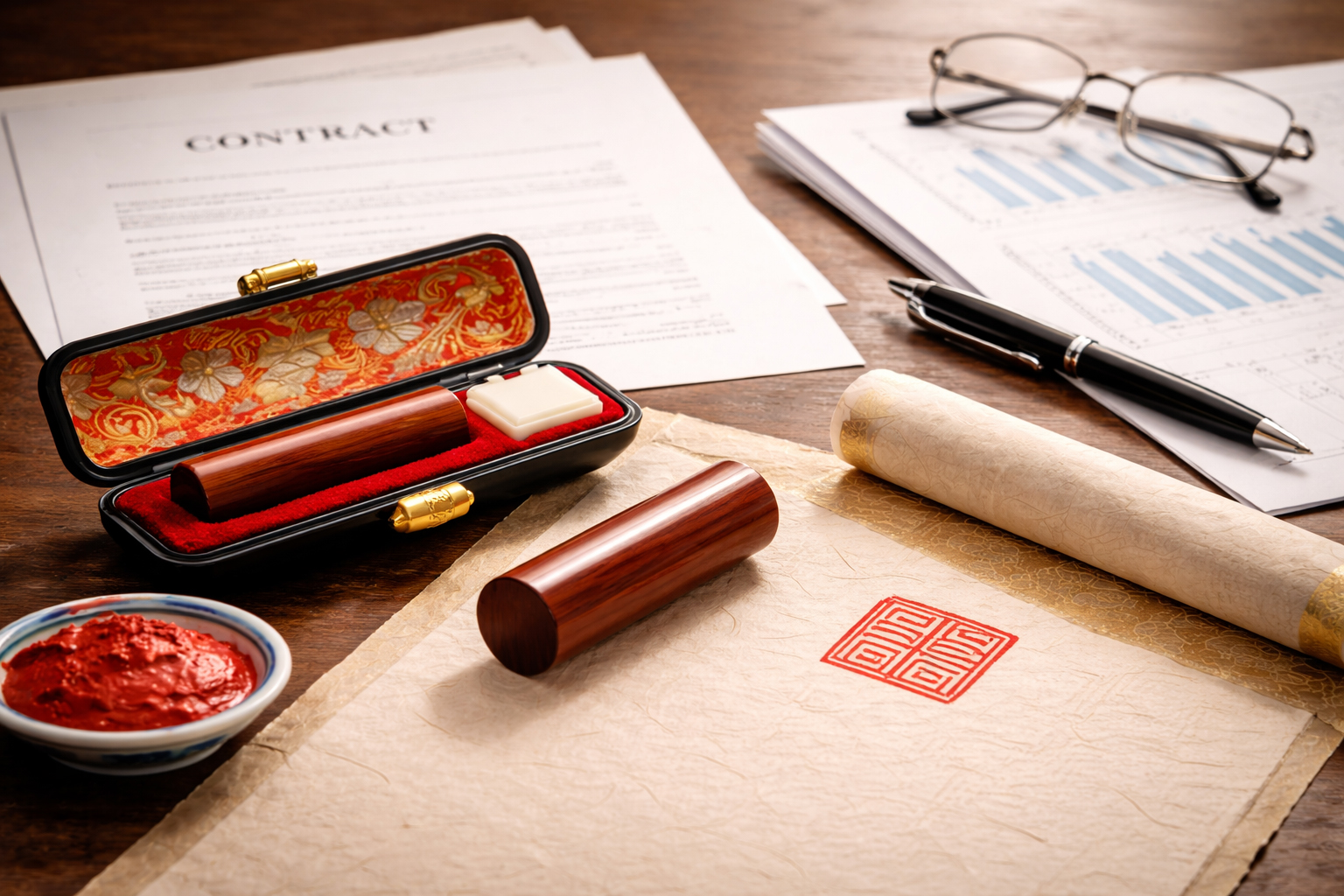
Important contract paperwork and registered seal

A seal of serious formal intent

A jitsuin is used to show that the person is formally involved and taking serious responsibility. The meaning goes beyond light acknowledgment and moves closer to: this person is formally and seriously committed here.

That is why the jitsuin belongs to heavier documentary situations rather than casual everyday ones.
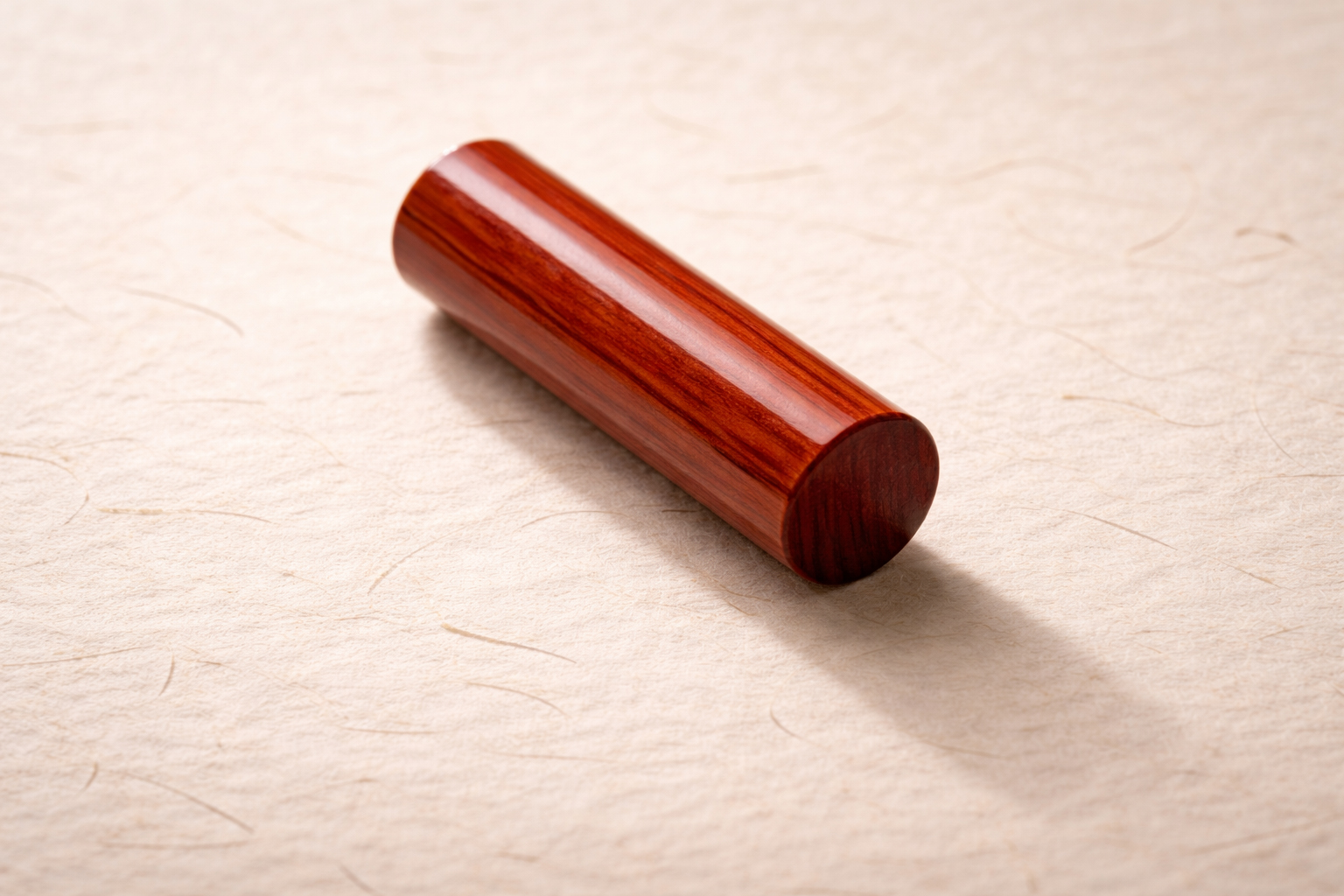
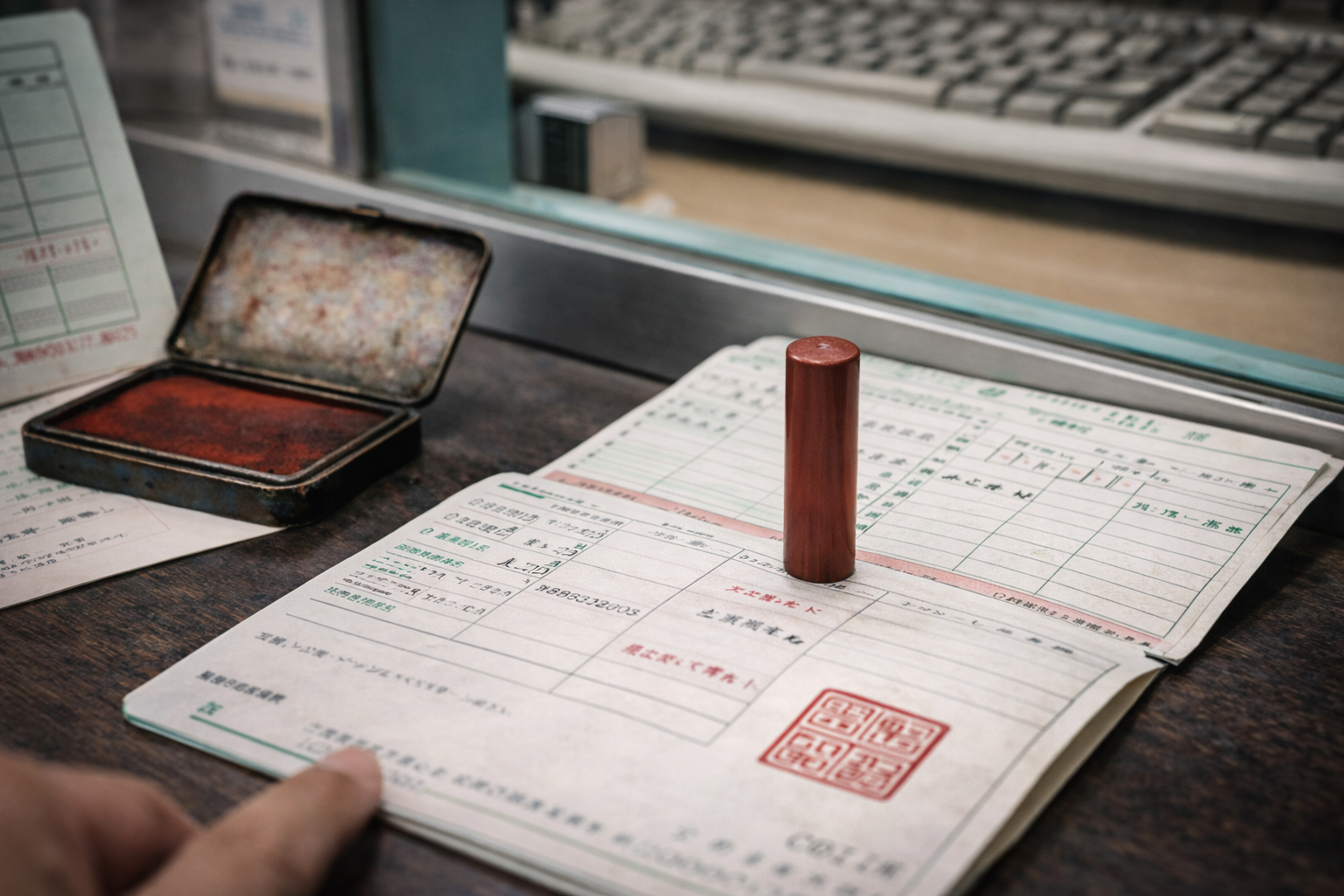
Heavy seal placed on paper

A personal seal tied to formal registration

Unlike casual personal seals, the jitsuin is tied to the registration system. For that reason, its meaning depends not only on the carved seal itself, but on the fact that it is the person’s registered seal.

The jitsuin is therefore a personal seal whose identity is reinforced by institutional form.

A jitsuin is a registered personal seal tied to the person through formal registration and carrying heavy formal meaning.
— hanko.co.jp type note

How is it different from a mitomein?

Both are personal seals, but their documentary weight and function are very different.

Mitomein

  • Used for everyday acknowledgment and receipt
  • Usually carries relatively light meaning
  • Often not tied to seal registration
  • Close to daily practical life
  • Its meaning is close to “seen” or “accepted”

Jitsuin

  • Used for important agreements and formal documents
  • Shows strong responsibility and formal identity
  • Connected to seal registration
  • Deeply tied to institutional proof of identity
  • Its meaning is closer to “formally committed by this person”

If the mitomein is the seal of daily life, the jitsuin is the seal of heavy formal identity

The same name on a seal does not mean the same thing once the institutional context changes.

How is it different from a bank seal?

Both are treated carefully, but the center of meaning is not the same.

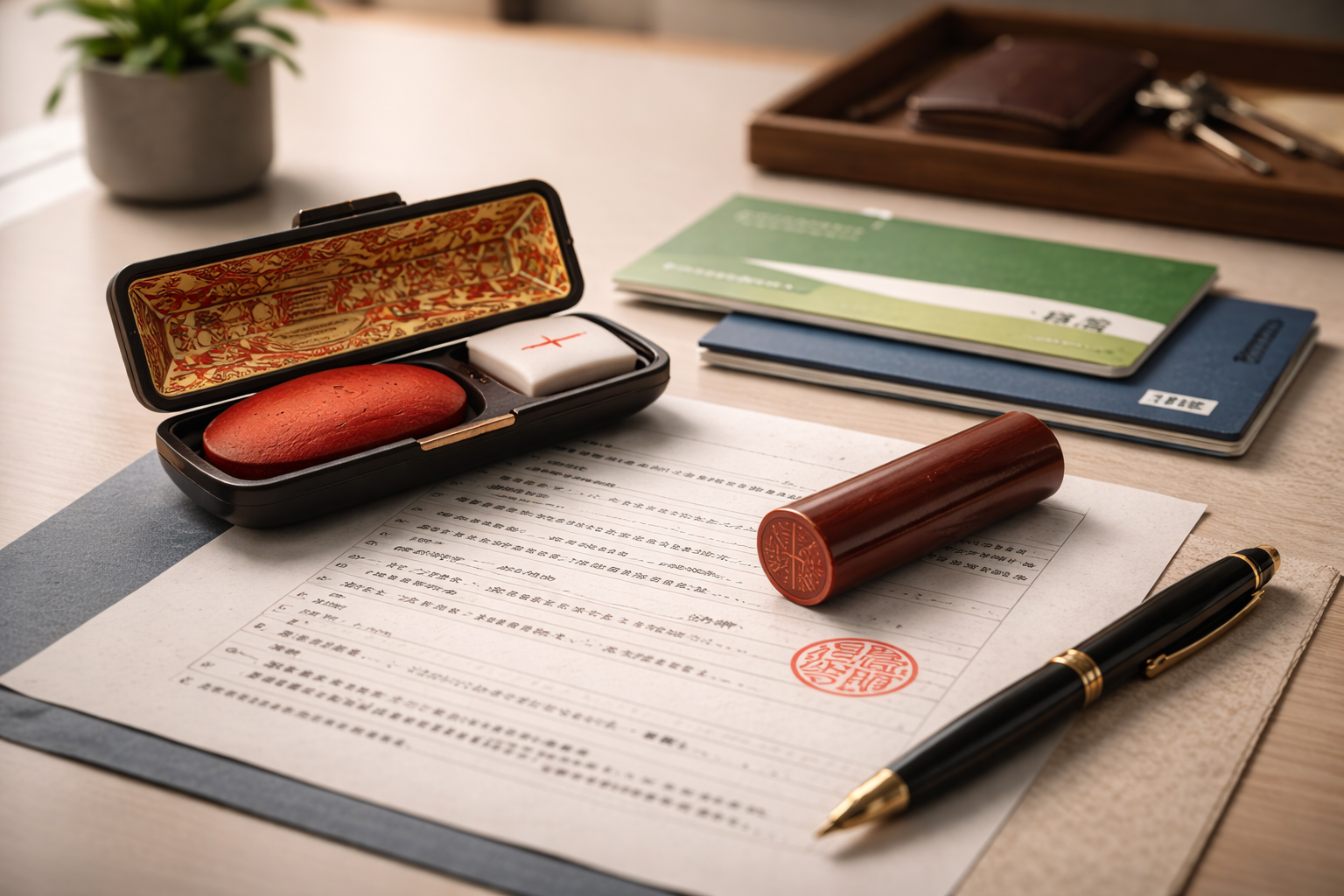
Bank procedure and seal

The bank seal is specialized for finance

A bank seal is used for account opening and financial verification with banks or similar institutions. Its use is narrower and more specialized.

In other words, the bank seal is the seal of financial-use identity.

Heavy formal contract scene

The jitsuin carries broader formal force

A jitsuin is not limited to finance. It is used more broadly in real estate, major contracts, and formal documents requiring stronger personal commitment.

A useful distinction is this: the bank seal is the seal of financial verification, while the jitsuin is the seal of heavier formal personal identity.

Where is it used?

The jitsuin is used where the person’s formal commitment must be shown clearly and strongly.

Common situations

  • Real estate-related procedures
  • Important contracts
  • Documents used with a seal certificate
  • Procedures requiring strong proof of identity
  • Formal documents beyond light acknowledgment

Why the jitsuin is needed

  • It shows stronger personal intent
  • It is linked to formal registration
  • It increases documentary formality
  • It is easier for the other side to trust and verify
  • It makes serious personal responsibility visible
The jitsuin is used where light acknowledgment is not enough and heavier formal identity is required.
— hanko.co.jp system note

Why is it managed so carefully?

Because the meaning of the jitsuin is heavy once it is applied, it should be treated differently from ordinary seals.

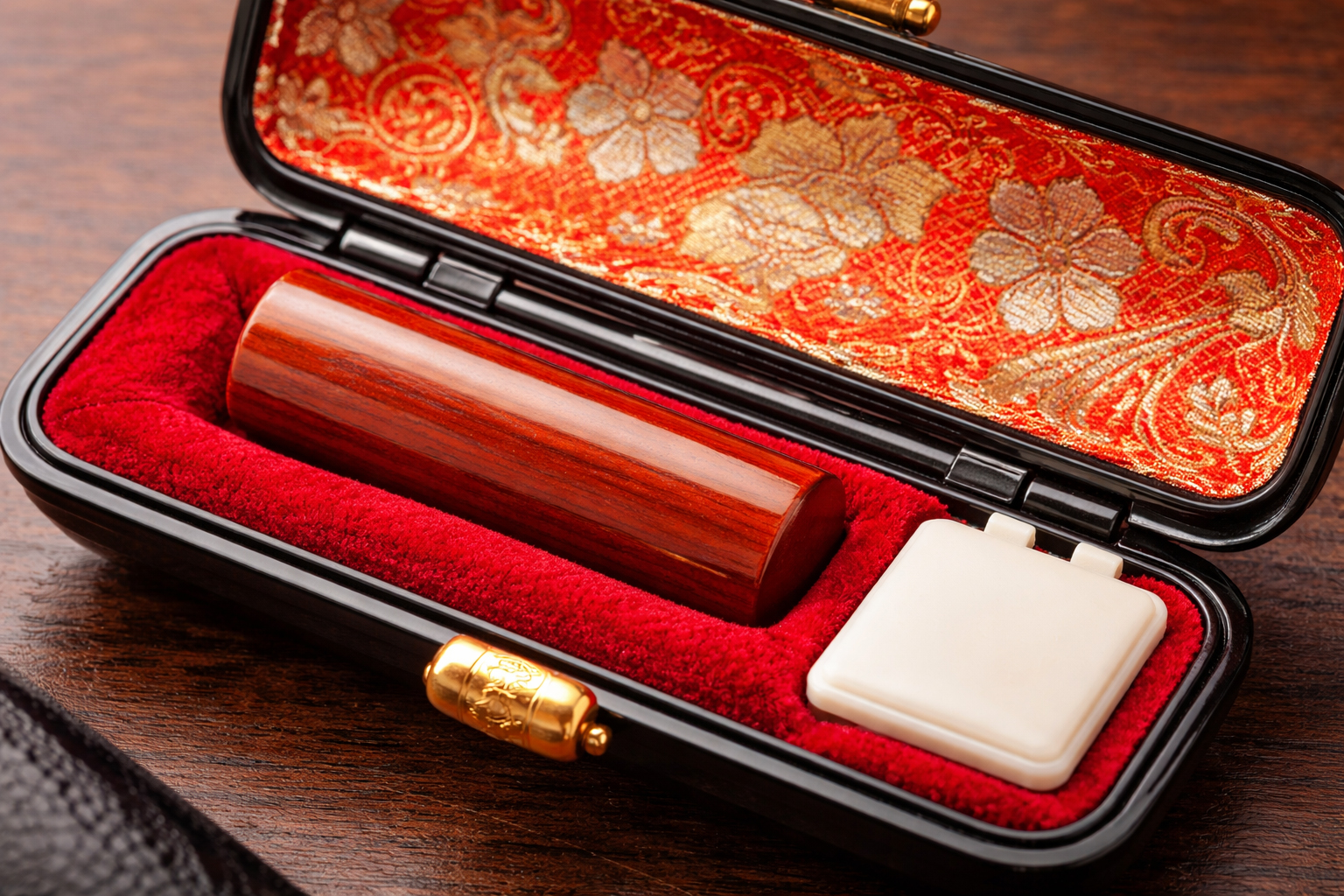
Carefully stored seal case

The meaning of its use is large

A jitsuin is easily read as showing serious formal commitment from the person once it is stamped. That is why it is not something to carry casually or use in ordinary daily situations.

The heavier the meaning of the seal, the heavier its storage and control must become.

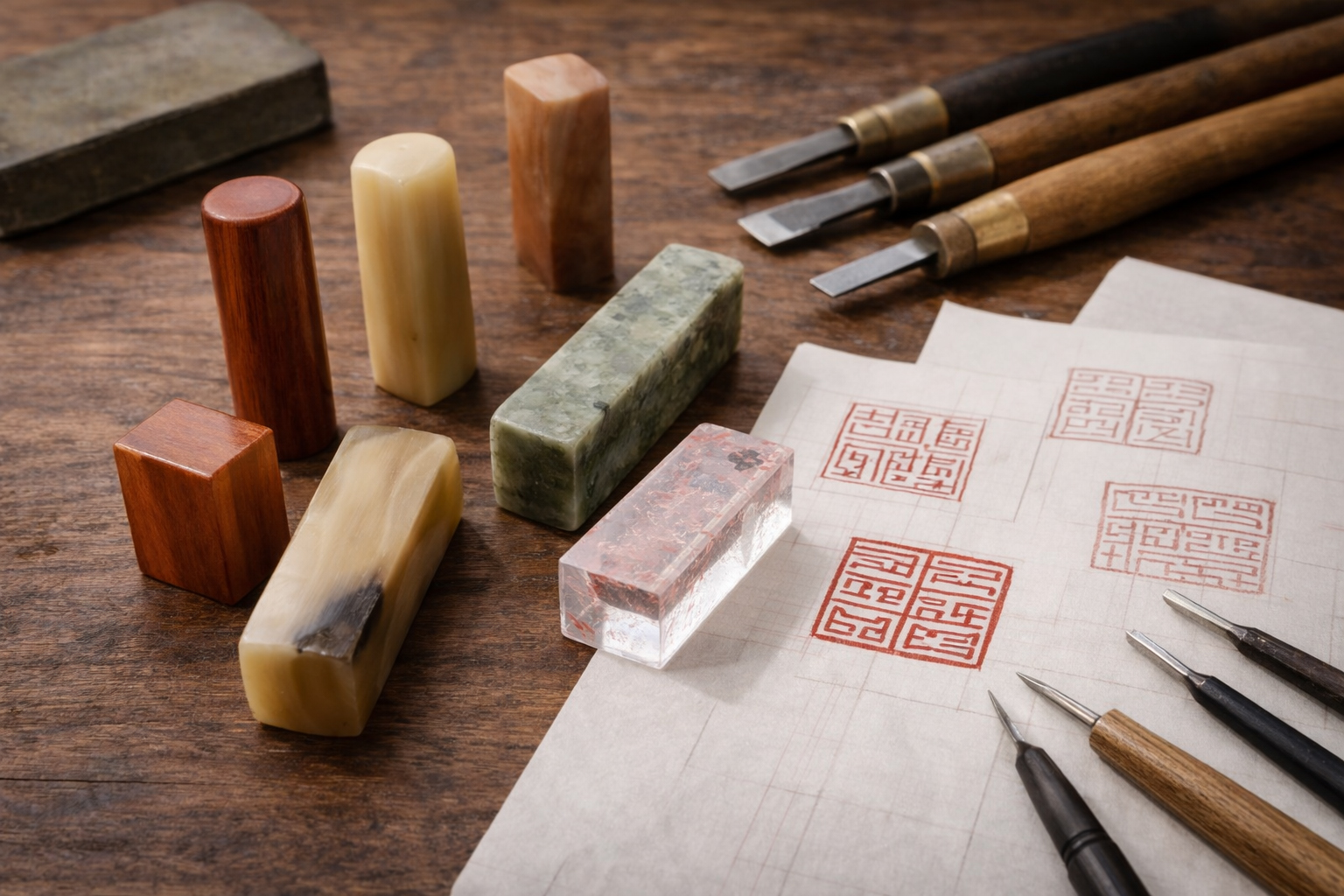
Seal tools and controlled handling

Limiting its use preserves its meaning

If a jitsuin is used too broadly for minor everyday matters, its special force becomes blurred. Restricting it to heavy situations helps preserve its meaning.

It is easiest to think of the jitsuin as the seal taken out only when the matter is serious.

What is it historically?

The jitsuin is one of the forms through which personal seals became more formally differentiated inside institutional life.

In the longer history of seals, seals first developed through public and institutional order, then spread into commerce, household life, and personal procedures. The jitsuin represents one point at which the personal seal became more formally structured inside institutional systems.

It is therefore not just a stronger everyday name seal. It is a seal that matured to carry heavy formal personal identity inside a legal-administrative framework.

Conclusion

The jitsuin is one of the heaviest and most formal personal seals in Japan.

A jitsuin is a registered personal seal tied to the individual through official registration, and it is used in situations such as real estate and major agreements where strong formal identity is required.

Its meaning lies not simply in displaying a name, but in making the person’s serious intent and responsibility visible. That is why the jitsuin remains one of the most carefully handled forms in Japanese seal culture.

Related pages

Companion pages for understanding how Japanese personal seals differ by weight and function.