Type Guide

What Is a Bank Seal?

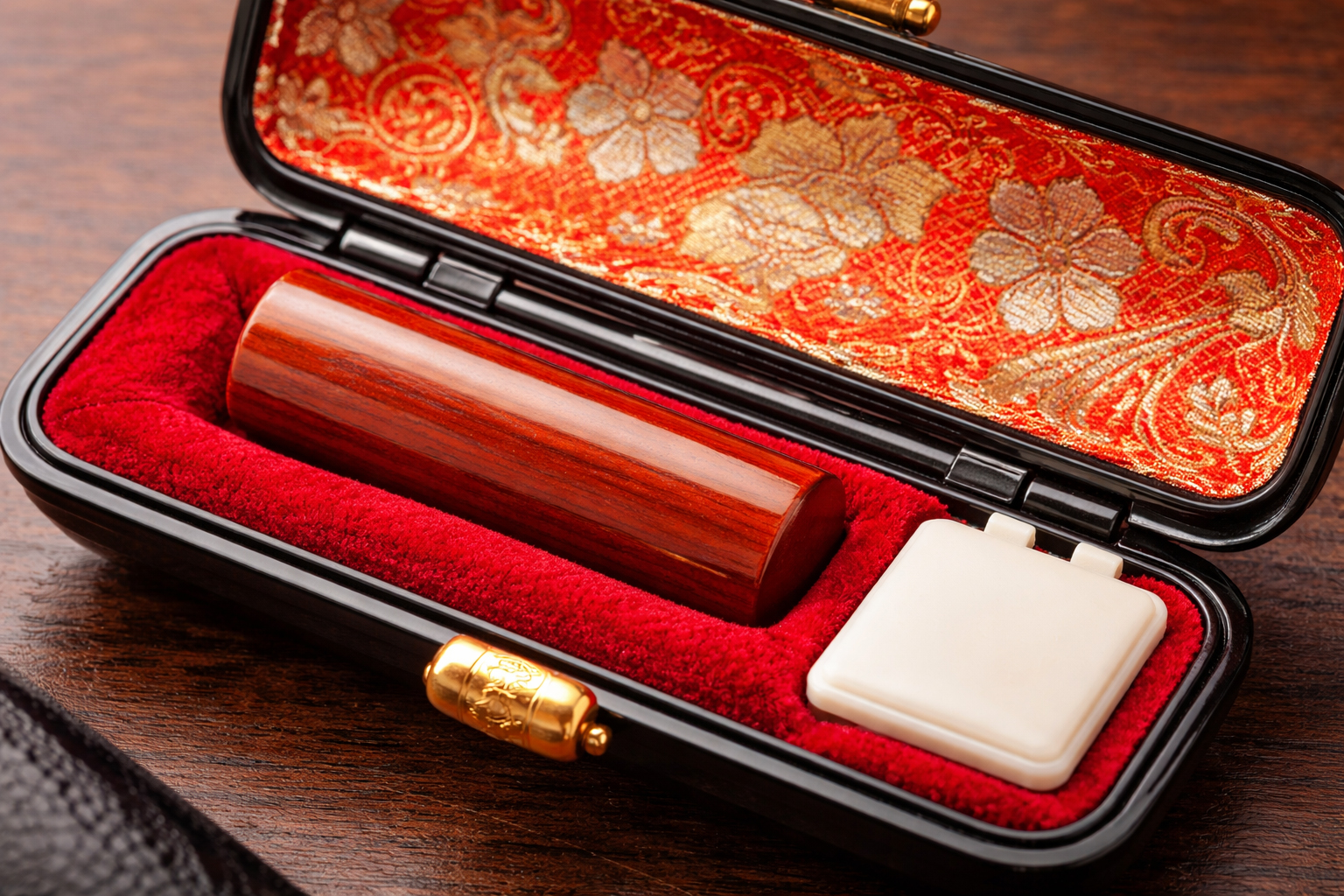
A bank seal is the personal seal used in Japan to connect an account holder to a bank or other financial institution. It is not an everyday personal seal like a mitomein, and it is not quite the same as a heavily formal registered seal either. A bank seal is a personal seal with a clearly defined purpose: financial verification and matching with a registered seal impression at the bank.

hanko.co.jp Types / Basic Guide Reading time 6–9 minutes

In Japanese seal culture, people often separate personal seals by function rather than using one seal for everything. The bank seal occupies a special place in that system because it is tied specifically to the financial world.

The bank seal is not merely a casual confirmation stamp. Historically, it has been used as part of how banks link the account holder to a registered seal impression for verification. That is why it is often treated more carefully than an everyday seal, while still being more limited in scope than a registered seal used for broader formal matters.

The basic meaning of a bank seal

Start by clarifying what a bank seal is actually used for.

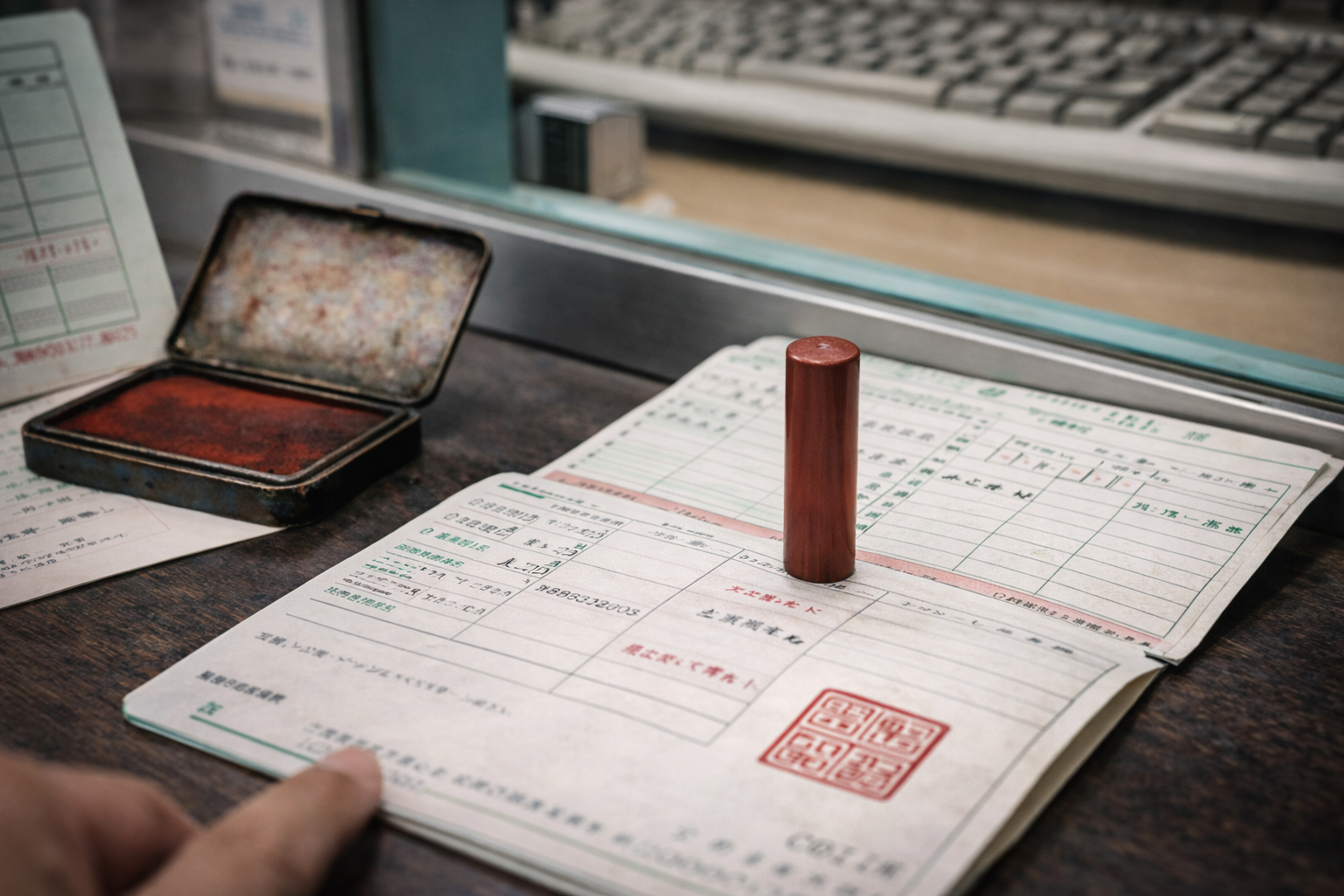
Bank counter and seal scene

A seal used for bank verification

A bank seal is typically the seal submitted to a financial institution when opening an account or setting up certain banking procedures. Later, when needed, the stamped seal impression may be compared with the seal impression on file.

In that sense, the bank seal helps support identity matching within the banking relationship.

Bridge between daily life and institutional systems

Not an everyday-purpose seal

A mitomein can be used broadly in daily life. A bank seal is often safer when kept for financial use only. Restricting its use makes its purpose clearer and its management easier.

The bank seal gains part of its meaning from the fact that it is not used everywhere.

A bank seal is a dedicated personal seal used for financial verification and seal matching.
— hanko.co.jp type note

How is it different from a mitomein?

Both are personal seals, but they differ in use and in how carefully they are usually managed.

Mitomein

  • Used for everyday acknowledgment and receipt
  • Usually carries lighter meaning
  • Broad in use
  • Close to ordinary daily life
  • Easy to use casually

Bank seal

  • Used for banking procedures
  • Connected to account-related verification
  • Often kept for limited-purpose use
  • More likely to be stored separately
  • Usually treated more carefully than a mitomein

The mitomein is the seal of everyday life; the bank seal is the seal of financial verification

Even when both belong to the same person, their purpose changes their meaning.

How is it different from a registered seal?

Both may be handled carefully, but the center of meaning is different.

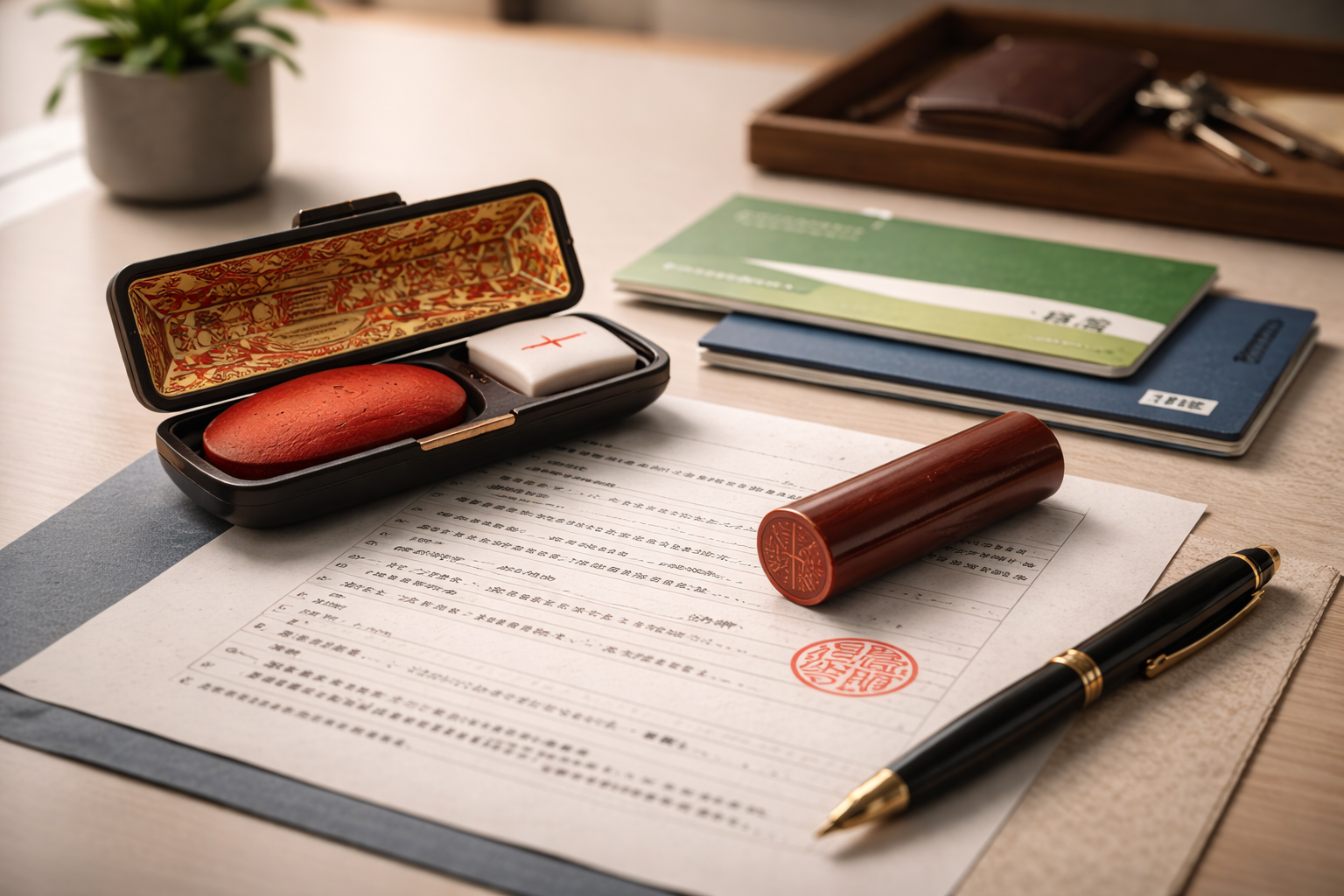
Important contract and seal scene

The registered seal carries broader formal weight

A registered seal is used in heavier formal contexts such as real estate, important contracts, and official seal registration. A bank seal may be important, but it does not normally carry that same broad public-formal function.

A helpful distinction is this: the registered seal is the seal of heavier formal identity, while the bank seal is the seal of financial identity and verification.

Bank procedure atmosphere

The bank seal is specialized for finance

The strength of the bank seal lies in the clarity of its purpose. Because it is tied specifically to financial institutions and account-related procedures, its use and management can be kept more focused.

That is one reason many people prefer to separate it from the registered seal.

Where is it used?

The bank seal appears where a financial institution needs seal registration or seal-impression matching.

Common situations

  • Opening a bank account
  • Registering the seal impression with a bank
  • Changing account-related information
  • Bank paperwork requiring seal confirmation
  • Procedures based on comparing seal impressions

Why keep it specialized?

  • The purpose stays clear
  • It is less likely to be confused with an everyday seal
  • Risk management becomes easier
  • The financial meaning stays stable
  • Storage rules become simpler
The bank seal is often kept as a dedicated seal because its financial meaning is clearer when its use is kept separate.
— hanko.co.jp finance note

Why manage it separately?

A bank seal is usually easier to control when it is not mixed together with ordinary daily-use seals.

Carefully stored seal case

Limited use makes control easier

Because a bank seal is usually not used in daily casual situations, separating it as a dedicated seal makes it easier to know where it is and what it is for.

Limited-purpose use often improves practical control.

Seal tools suggesting organized management

The meaning stays distinct

If the same seal is used casually in daily life and also for bank verification, the line between ordinary acknowledgment and financial confirmation becomes less clear. Keeping them separate makes the role of each seal easier to understand and manage.

The bank seal is easiest to think about as “the seal for finance.”

How should we think about it today?

Even as banking becomes more digital, the underlying logic of the bank seal has not disappeared entirely.

Financial procedures are becoming increasingly digital. Even so, the larger idea remains: financial relationships often require their own dedicated method of confirmation, separate from ordinary daily acknowledgment.

In that sense, the bank seal was one paper-era expression of a broader principle. The physical hanko may change, but the logic of keeping financial verification distinct from everyday use still survives.

Conclusion

The bank seal is a personal seal specialized for banking and financial verification.

A bank seal is not an everyday seal like a mitomein, and it is not a broadly formal identity seal like a registered seal. It is a purpose-specific personal seal used for bank accounts and financial procedures.

Its value lies in making financial verification clearer and easier to separate from daily-use seals. That is why the bank seal remains one of the most functional and carefully understood forms in Japanese seal culture.

Related pages

Companion pages for understanding how Japanese personal seals are differentiated by use.