Type Guide

What Is a Mitomein?

A mitomein is one of the most familiar everyday seals in Japan. It is not a heavily formal registered seal, and it is not a bank seal kept for financial verification. Instead, it is the personal seal commonly used for receipt, acknowledgment, light approval, and everyday procedural confirmation. Its meaning is close to saying: I have seen this, received this, or accepted this.

hanko.co.jp Types / Basic Guide Reading time 6–9 minutes

Within Japanese seal culture, the mitomein is the seal closest to daily life. It has long been used for receiving deliveries, internal office circulation, light applications, and ordinary acknowledgment, especially in situations that are not heavy enough to require a registered seal.

What defines the mitomein is not strong legal weight, but the ability to show everyday acknowledgment clearly and quickly. That is why it became one of the small tools supporting ordinary Japanese practical life.

The basic meaning of a mitomein

Start by clarifying what this seal is actually meant to show.

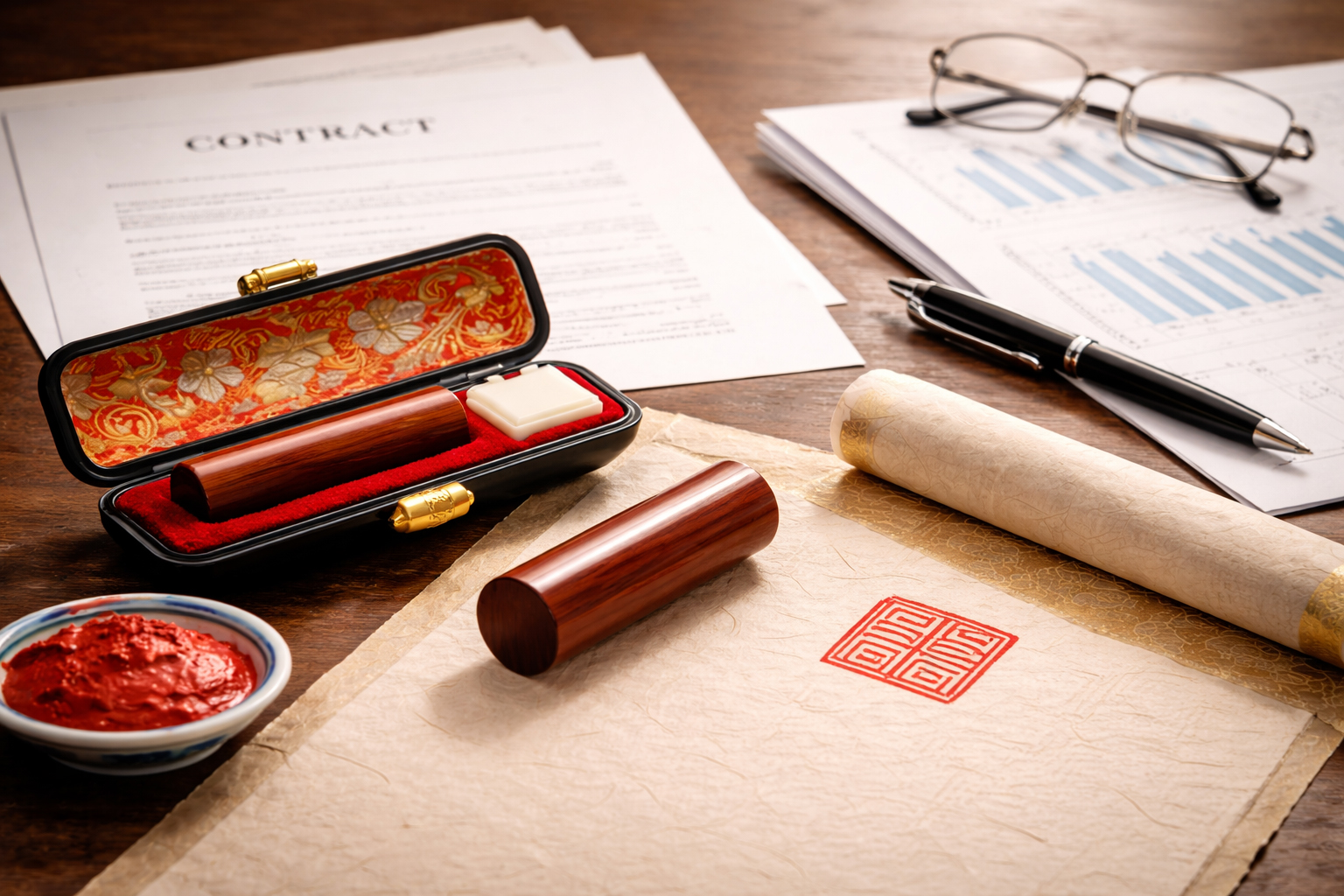
Close-up of an everyday seal impression

A seal of acknowledgment and receipt

A mitomein is commonly used to show that someone has checked, received, or accepted something: a package, a simple form, a circulated paper, or a light internal document.

The important point is that it functions more as everyday acknowledgment than as heavy proof of personal legal identity.
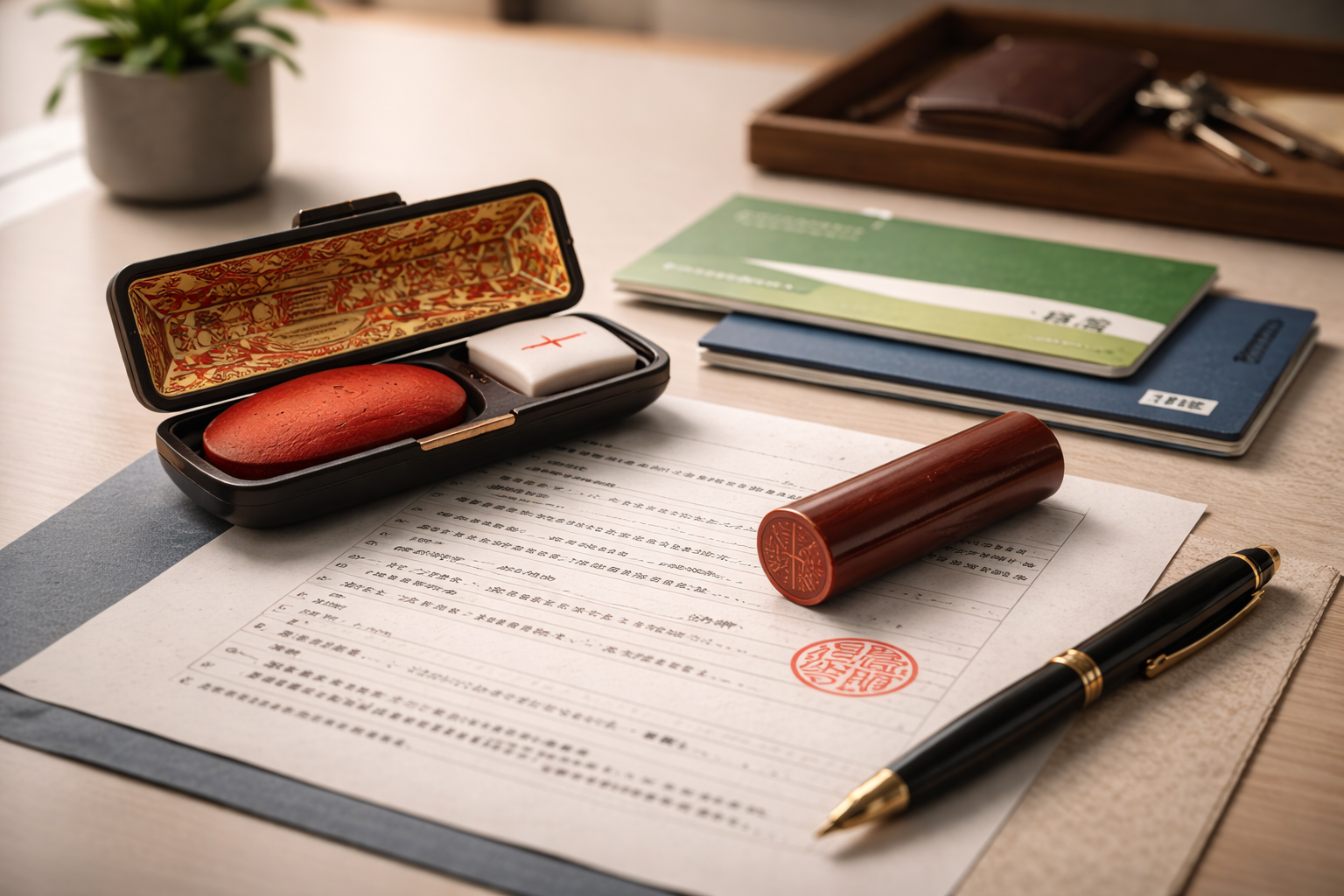
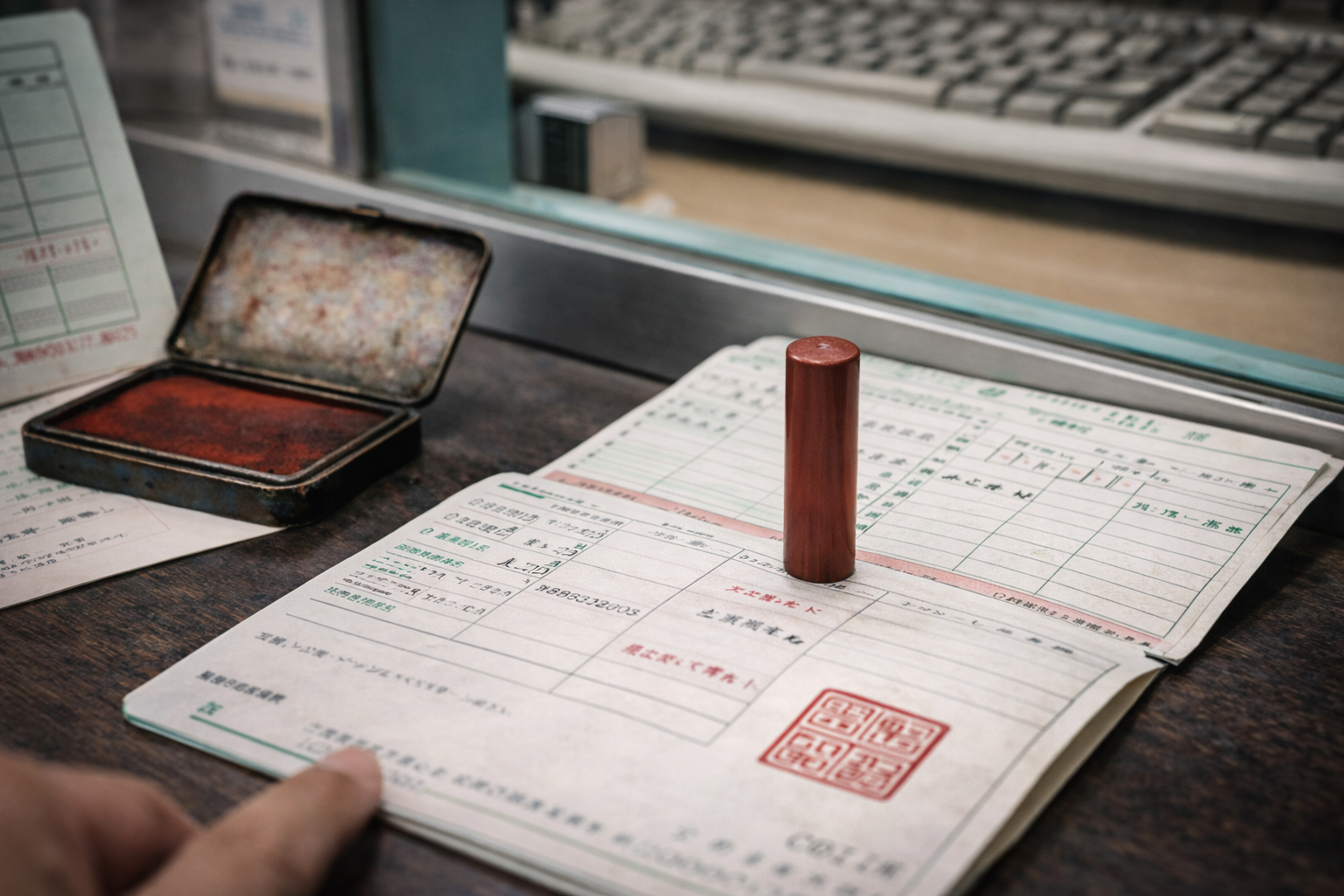
Everyday desk with personal seal

The most familiar personal seal

Among personal seals, the mitomein is one of the easiest to use casually. It is not usually reserved only for tightly controlled special contexts. Instead, it became the seal people kept close at hand in daily life.

For many people, it is the most accessible entry point into Japanese hanko culture.

A mitomein is a relatively light seal used to show everyday acknowledgment.
— hanko.co.jp type note

How is it different from a registered seal?

Both are personal seals, but they differ greatly in documentary weight.

Mitomein

  • Used for everyday acknowledgment and receipt
  • Usually carries relatively light meaning
  • Often not tied to formal registration
  • Close to daily practical life
  • Its meaning is close to “I saw this” or “I accepted this”

Registered seal

  • Used in heavier formal situations
  • Shows stronger personal responsibility and formality
  • Connected to official seal registration
  • Common in real estate and major agreements
  • Its meaning is closer to “this person is formally committed”

The mitomein is the seal of daily acknowledgment; the registered seal is the seal of heavier formal identity

Even when the same person uses both, the meaning changes with the context.

How is it different from a bank seal?

The mitomein belongs to everyday life, while the bank seal belongs to financial verification.

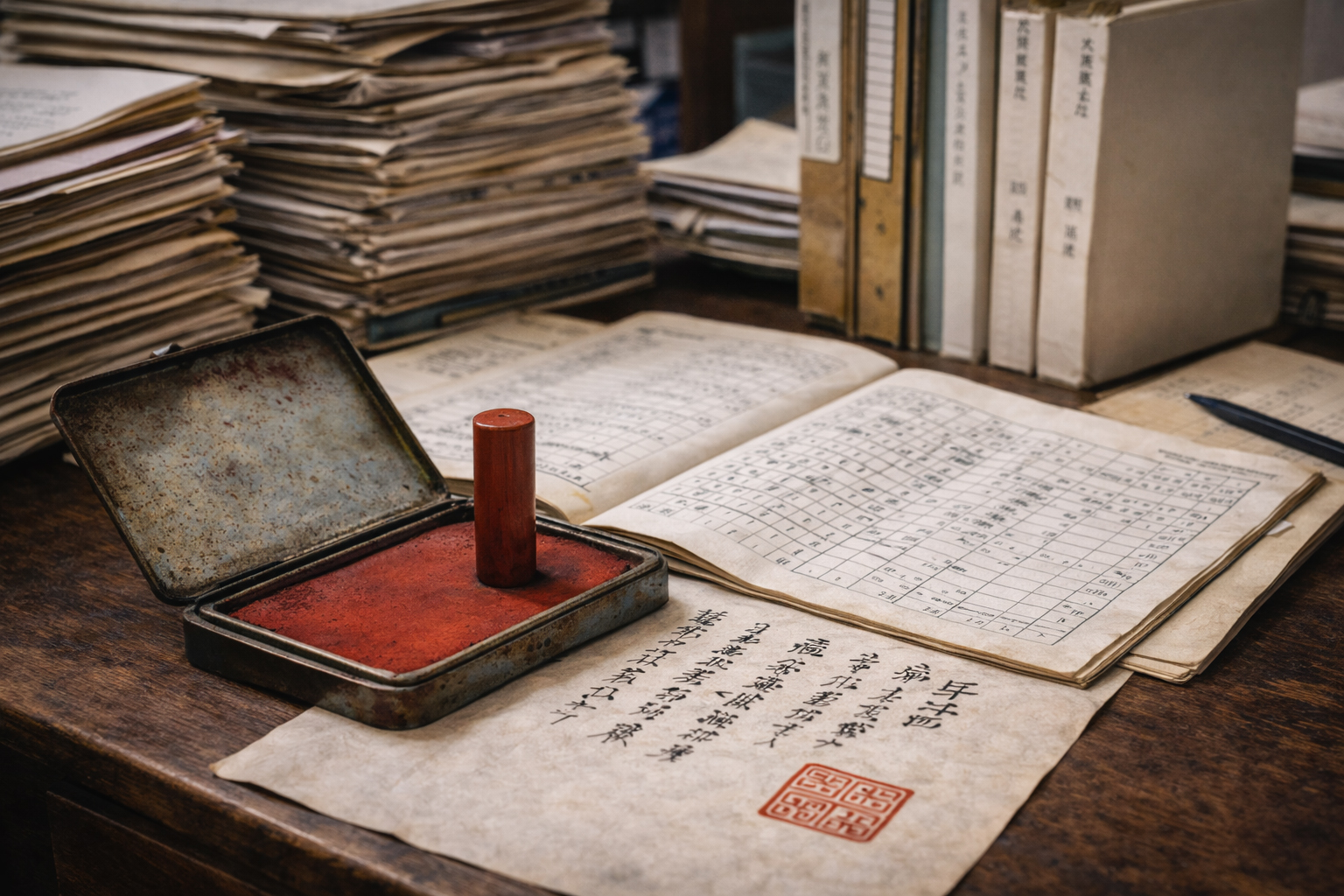
Bank paperwork and seal scene

The bank seal is for financial use

A bank seal is used for opening accounts and confirming identity with financial institutions. It is therefore more specifically tied to banking and is often kept separately from casual-use seals.

In that sense, it is more narrowly purposed than a mitomein.

Bridge between everyday and institutional paperwork

The mitomein is broader and lighter

A mitomein fits many ordinary situations involving receipt and acknowledgment. Because of that broader and lighter role, many people prefer not to use the same seal as both mitomein and bank seal.

Keeping the uses separate can improve both clarity and safety.

Where is a mitomein used?

The mitomein appears most naturally where small acts of acknowledgment need visible form.

Common situations

  • Receiving mail or deliveries
  • Internal office circulation and light approval
  • Simple applications or confirmation forms
  • Everyday receipt confirmation
  • Small household or workplace procedures

Why it fits these uses

  • The meaning is easy to understand
  • It does not slow daily workflow too much
  • It matches a culture of light visible acknowledgment
  • It is easy to keep and use
  • It gives a small sense of completion
The mitomein spread widely because it was well suited to making small daily acknowledgments visible.
— hanko.co.jp daily-life note

Why did it become so widespread in Japan?

The mitomein fit Japanese practical life extremely well.

Household desk with seal

It worked well in the home

A mitomein became the kind of seal it was simply convenient to have at home. It did not require the formality of a registered seal, yet it remained useful in many small practical situations.

This “just-right” quality helped it spread widely.

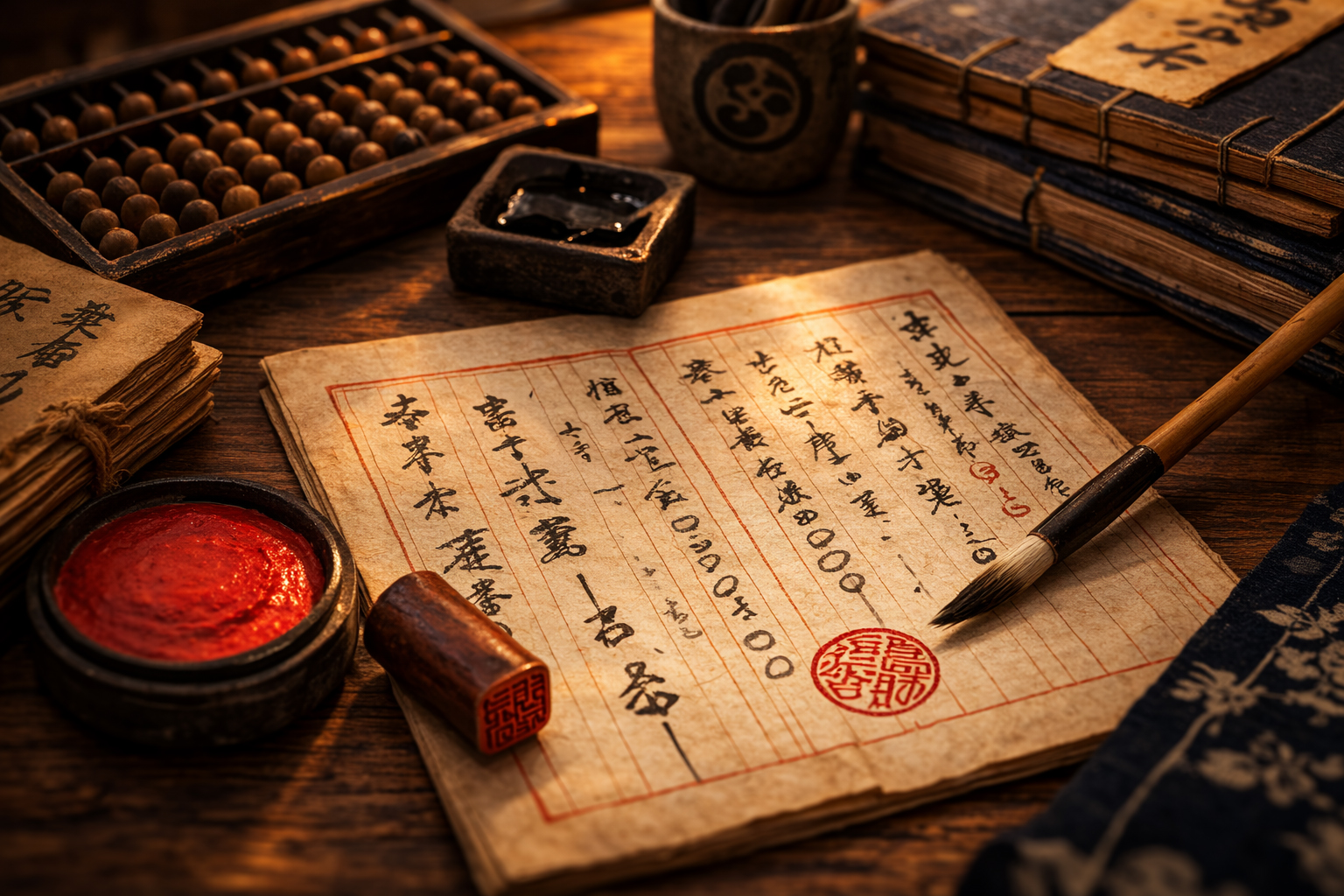
Office paperwork and seals

It also fit office culture

The mitomein also fit naturally into office routines such as internal circulation, checking, and light approval. A small stamp made it easier to see who had looked at something and who had accepted it.

In that sense, the mitomein became one of the small foundations of Japanese office practice.

How should we think about it today?

Even as paper procedures shrink, the underlying logic of the mitomein has not disappeared completely.

Today, some functions once performed by the mitomein have been replaced by digital receipt systems, internal approval tools, and electronic confirmations. Yet the underlying idea of leaving a visible mark of light acknowledgment still survives.

In other words, the mitomein was not merely an old stamp. It was one form of a broader Japanese culture of visible confirmation, and that culture continues in new media.

Conclusion

The mitomein is the most familiar personal seal supporting everyday acknowledgment culture in Japan.

A mitomein is a personal seal that is lighter than a registered seal and less specialized than a bank seal. It is suited to everyday acknowledgment, receipt, and casual confirmation.

Its value lies not in heavy legal force, but in the ability to show “seen,” “received,” or “accepted” in a small and easy way. That is why the mitomein became so deeply rooted in Japanese practical life.

Related pages

Companion pages for understanding how personal seals are differentiated in Japan.