History Feature

The Gold Seal of Na

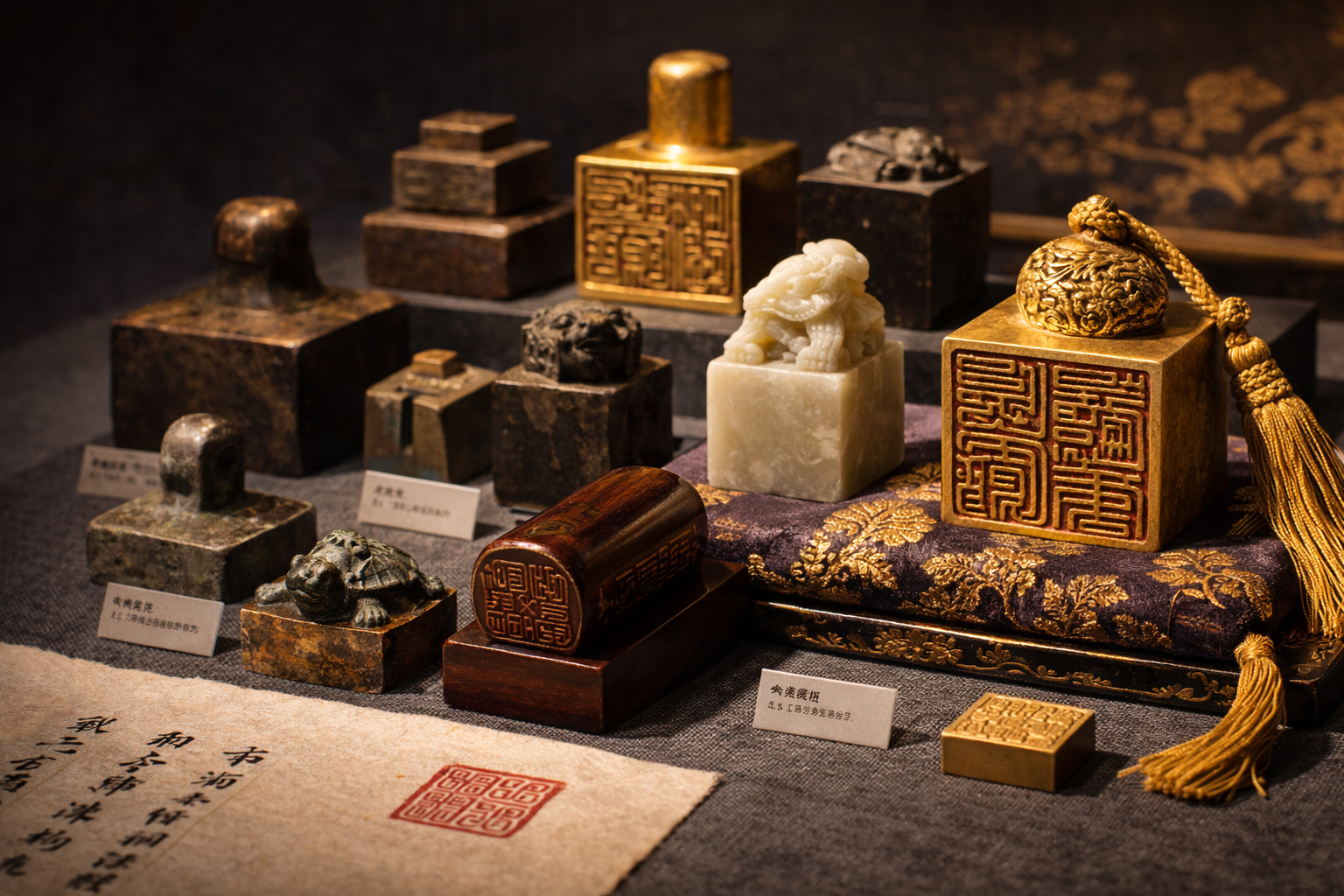
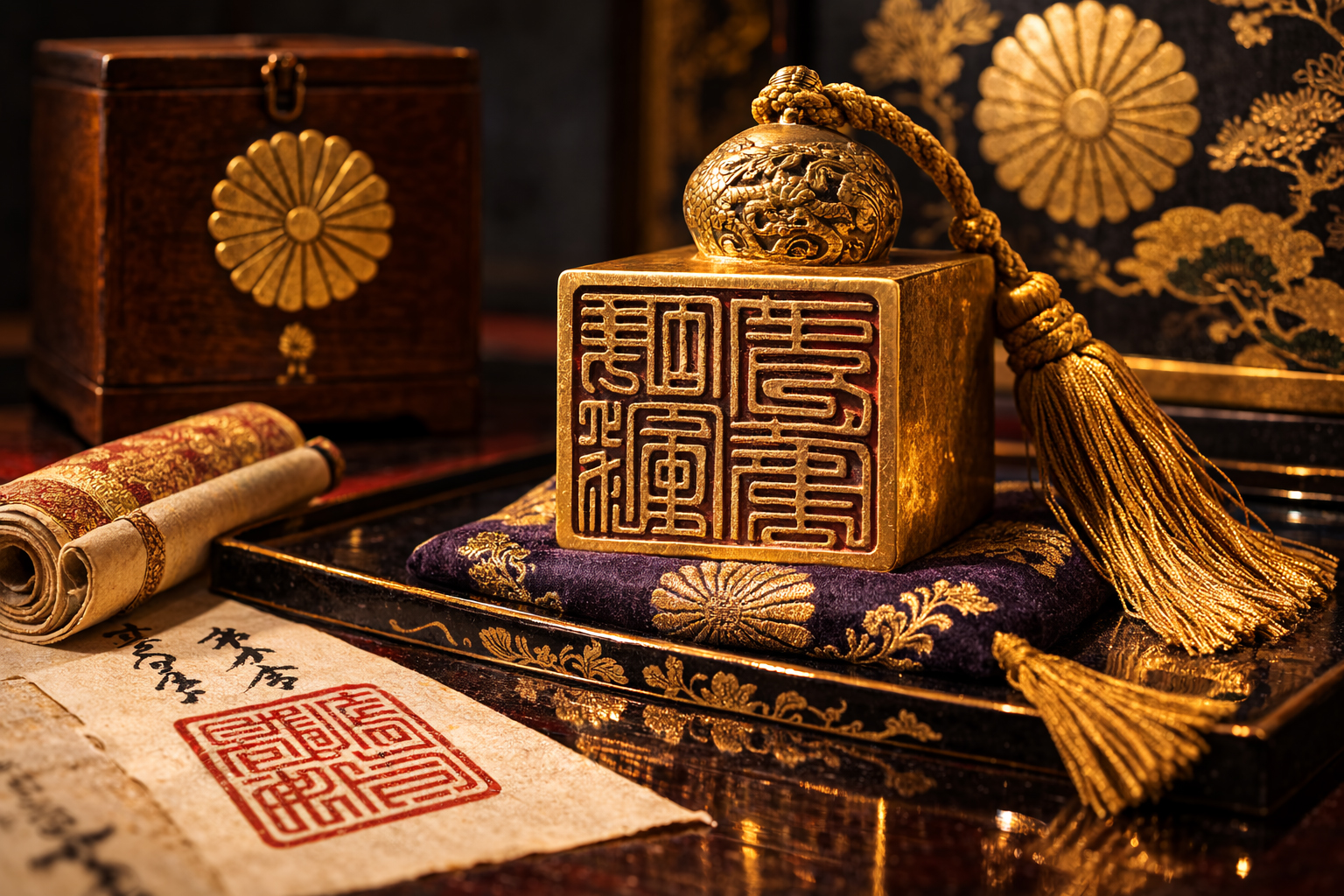
One of the most famous objects in the long history of Japanese seals is the gold seal inscribed “Han no Wa no Na no kokuo.” It is not the direct ancestor of later personal hanko culture. But it is one of the earliest and strongest symbols of a much older idea: that authority can be condensed, granted, and made visible through a seal.

hanko.co.jp History / Feature Reading time 8–11 minutes

The gold seal is generally understood as the seal bestowed in 57 CE by Emperor Guangwu of the Later Han on the Na state of Wa, and it was discovered in 1784 on Shikanoshima in present-day Fukuoka.

Japan’s broad internal culture of seals would develop much later, through state administration, medieval document practice, commerce, and household life. But the Gold Seal of Na matters because it shows, at a very early stage, that political order and recognition could be expressed through a seal.

What does “Han no Wa no Na no kokuo” mean?

The most famous feature of the seal is its inscription itself.

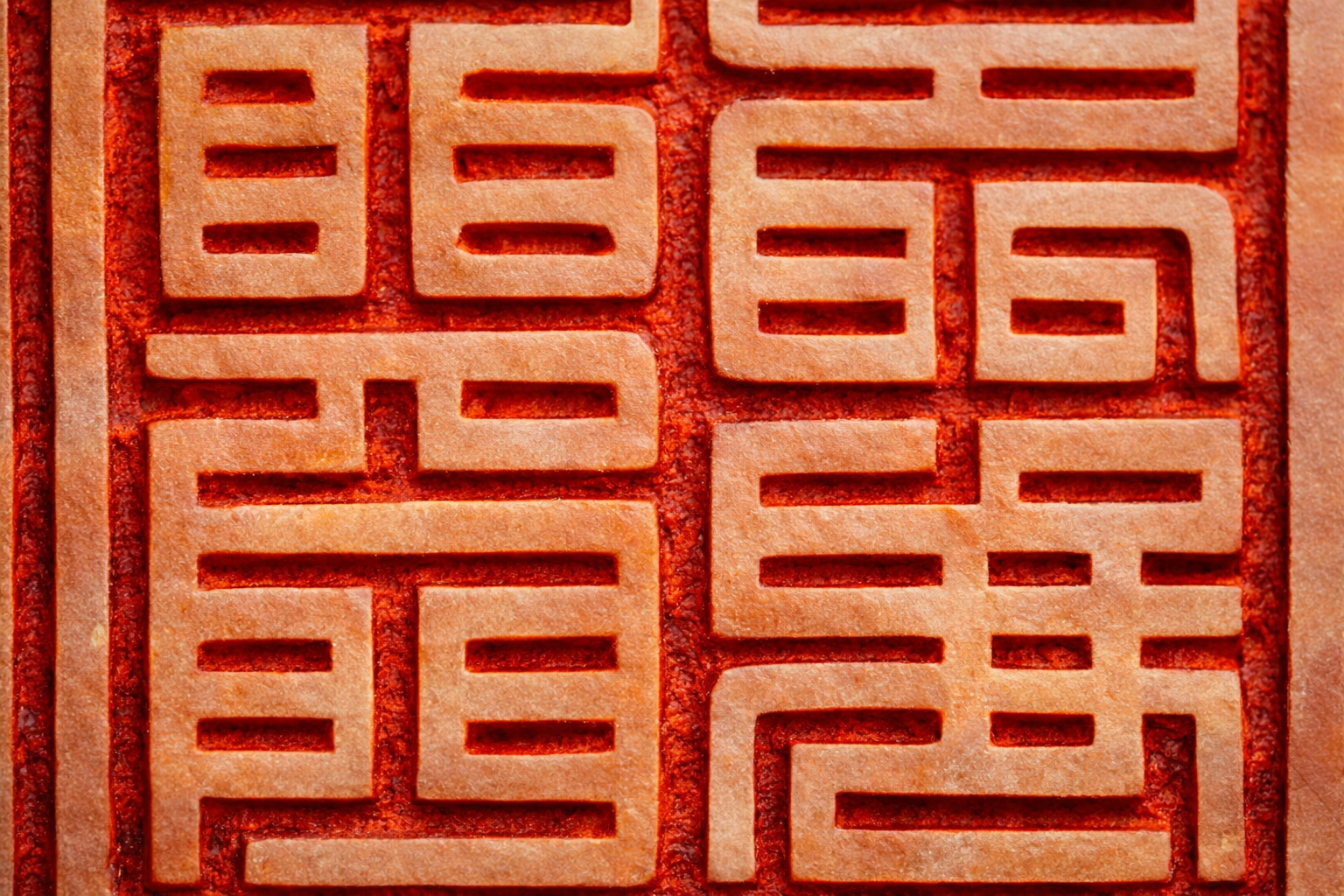
Close-up evoking seal script

Five characters, one political relationship

The inscription is generally read as identifying the king of the Na state of Wa under Han. That means the seal does not merely say “seal of the king of Na.” It marks that kingship within a political relationship to the Han empire.

In this setting, the seal is not a private convenience. It is a visible device of diplomatic order.
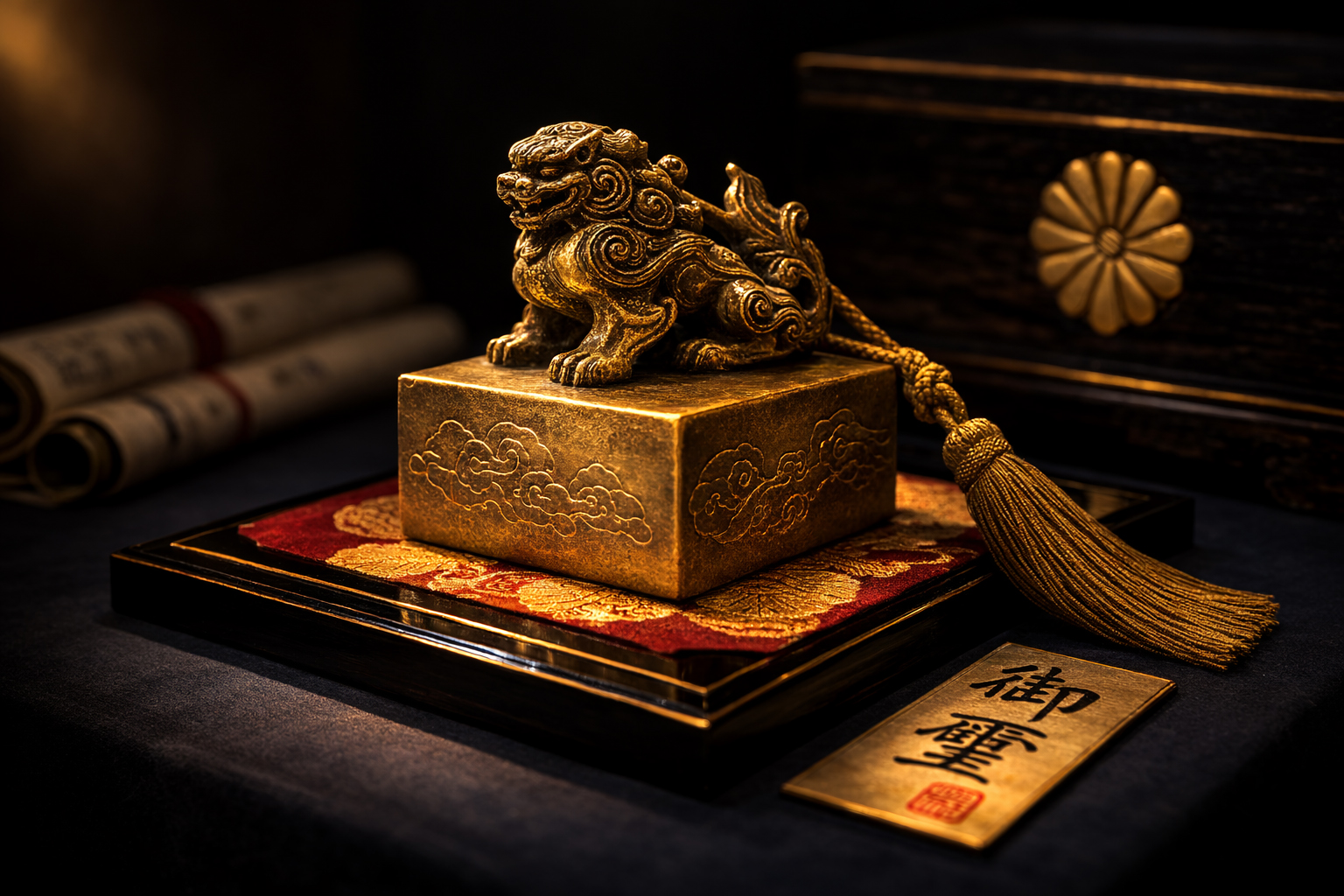
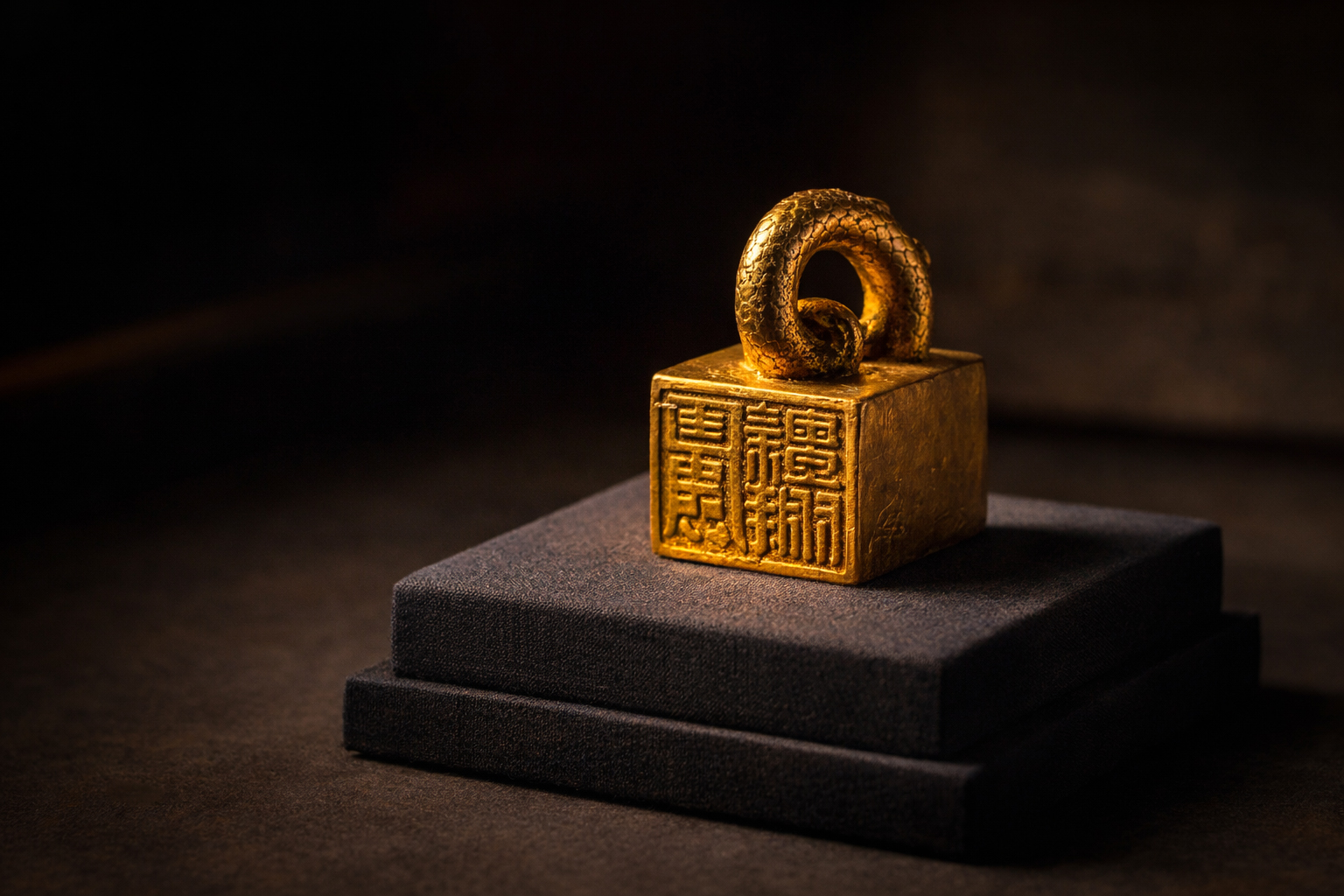
Display evoking official state seal

A small form that grants kingship

From the perspective of the Han court, a seal like this helped place neighboring polities inside an imperial order. A small gold object could express how a ruler was recognized within a larger world of political hierarchy.

Here the seal works not just as documentary form, but as condensed political authority.

The Gold Seal of Na is not yet an everyday hanko. It is an early sign that authority itself can be conferred through a seal.
— hanko.co.jp historical note

Why is this seal so important?

The importance of the seal lies not only in its beauty, but in what it reveals about ancient political relations.

Treasured gold seal image

A link between the archipelago and the continent

The seal shows that a polity in the Japanese archipelago was already positioned within the documentary and diplomatic world of a Chinese dynasty.

It therefore belongs not only to seal history, but also to the history of Japan’s external relations.

Red abstract image evoking the force of the seal

How it differs from later hanko culture

It would be misleading to treat this seal as the simple starting point of later everyday seals such as registered seals, bank seals, or personal seals.

Those later forms grow out of Japanese administrative, medieval, commercial, and household life. The Gold Seal of Na is better understood as an early symbolic flash at the beginning of a much longer story.

The Gold Seal is not the finished form of Japanese hanko culture

But it already shows an idea that remains powerful later on: that a seal can condense authority, recognition, and order into a very small object.

Discovery on Shikanoshima and later meaning

The seal is both an ancient object and a major symbol in early modern and modern Japanese historical imagination.

Archaeological gallery atmosphere

The 1784 discovery

The seal was discovered in 1784 on Shikanoshima. That discovery gave physical reality to a story known from ancient Chinese historical writing.

From that moment forward, the seal became more than an old object. It became a major historical symbol.

Wide museum-like image

Why it is still discussed today

The seal is now held by the Fukuoka City Museum and remains one of the most famous artifacts in the story of ancient Japan.

Its power comes from the way it joins together diplomacy, state formation, seal culture, and the archipelago’s place in East Asia.

What the Gold Seal left to Japanese seal history

The Gold Seal of Na does not lead directly and continuously into later seal culture, but it leaves behind a powerful historical image.

Its historical meaning

  • It shows seals operating in diplomatic order
  • It shows authority being granted through a seal
  • It shows the Japanese archipelago inside a continental documentary world
  • It shows that seals can function as marks of political recognition

Its relation to later periods

  • It stands as a distant prelude to Asuka and Nara institutional seal culture
  • It anticipates the idea that seals condense authority and form
  • It differs in character from later personal and household seals
  • It remains one of the symbolic origins of Japanese seal history

How should we read the Gold Seal of Na?

This object is best read not as a direct template for later hanko, but as one of the earliest strong clues to what a seal can mean.

For later Japanese people, hanko would become familiar tools of contract, banking, and household procedure. But in the world of the Gold Seal of Na, the seal first appears as a mark of diplomacy and kingship.

The difference is enormous. Yet the deeper logic remains recognizable: a seal can compress large authority into a small form. That is why the Gold Seal of Na remains one of the earliest important scenes in the long history of Japanese seals.

Related pages

This page connects naturally to ancient Japan, Asuka and Nara seal culture, and the wider history of Japanese seals.