History Feature

Seals in the Nara Period

Seals in the Nara period belong to the moment when Japanese seal culture begins to function clearly inside the machinery of government. The ritsuryō state, official documents, wooden tablets, temples, storehouses, military administration, and provincial control all required ways to record, distinguish, and authorize. In this period, the seal was not decoration. It was part of the working form of rule.

hanko.co.jp History / Feature Reading time 9–12 minutes

The Nara period was an age in which Japan sought to organize itself as a ritsuryō state. To connect center and province, appoint officials, collect taxes, move armies, manage temples, and control storehouses, the state needed systems of writing, record keeping, distinction, and formal confirmation.

Within that system, the seal became an important instrument. To study Nara seals is to see one of the key origins of the Japanese hanko not as a personal stamp, but as a technology of administration and record.

Nara seals belonged to the ritsuryō state

Seals mattered because the state was trying to make a large realm move through shared forms.

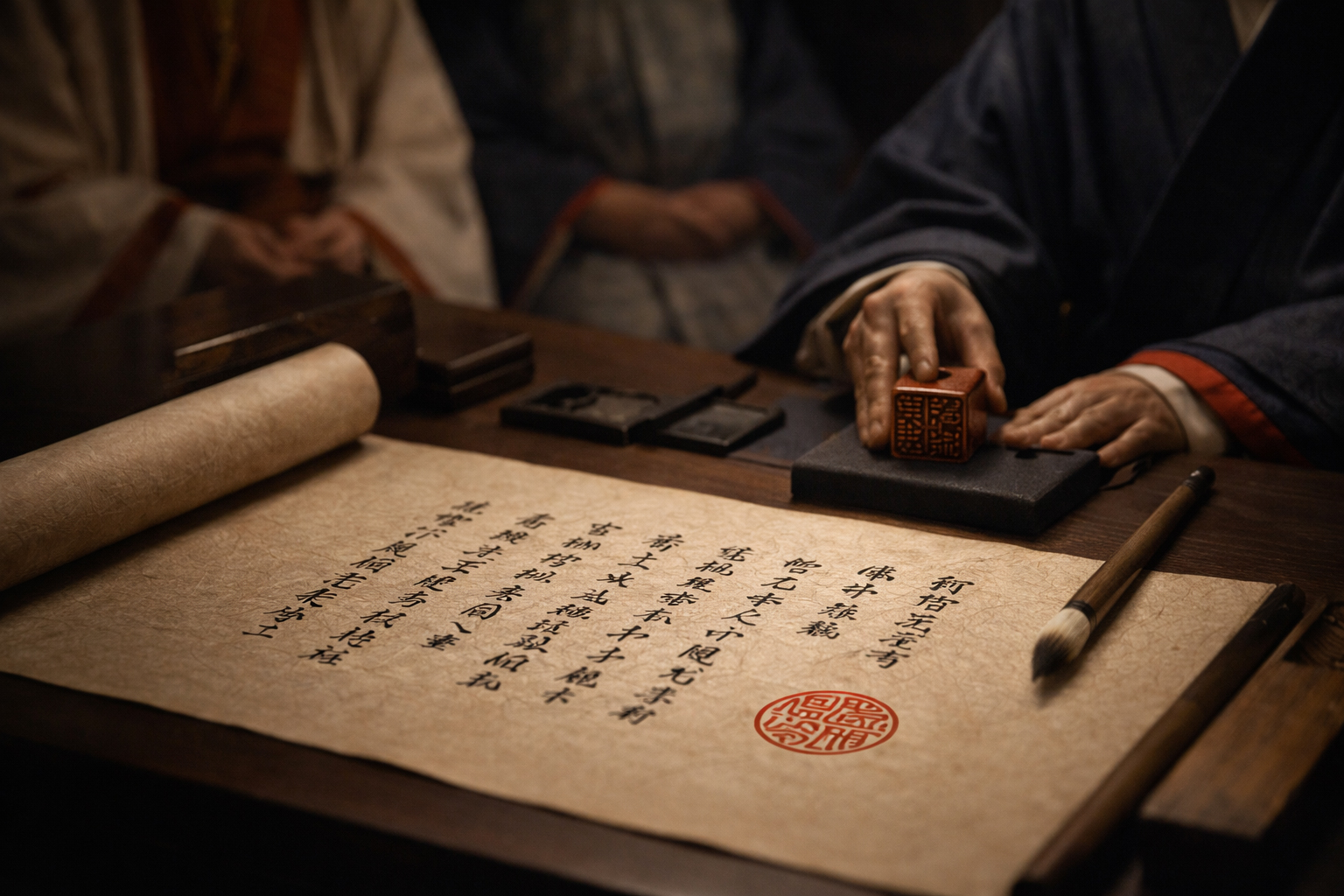
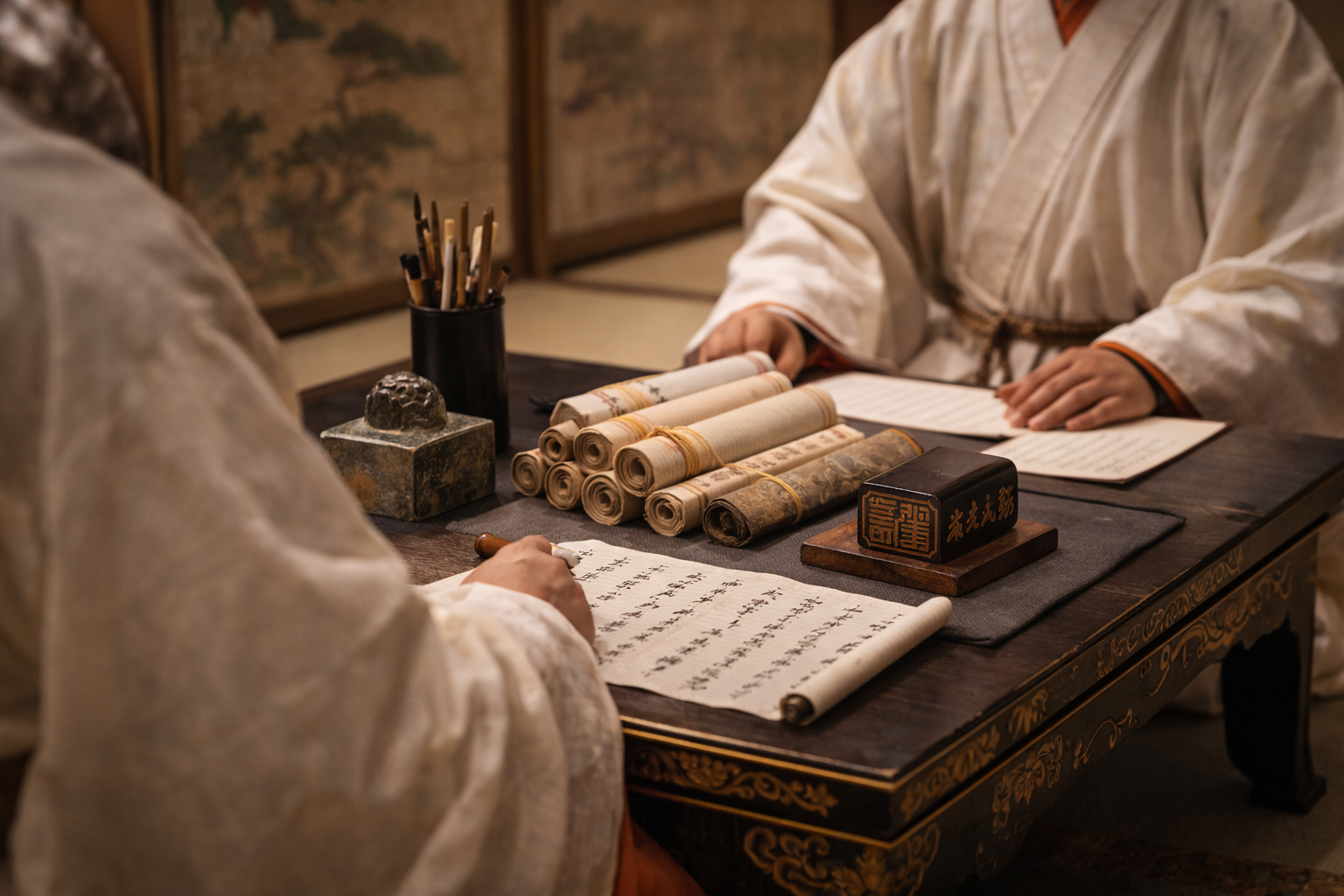
Administrative scene inspired by Asuka-Nara Japan

A seal as part of administration

The Nara state sought to know people, land, and goods, and to circulate orders and reports through documents. In that world, seals helped give official form to writing.

The seal was therefore strong first not as a personal identifier, but as a device inside the administrative order of the state.
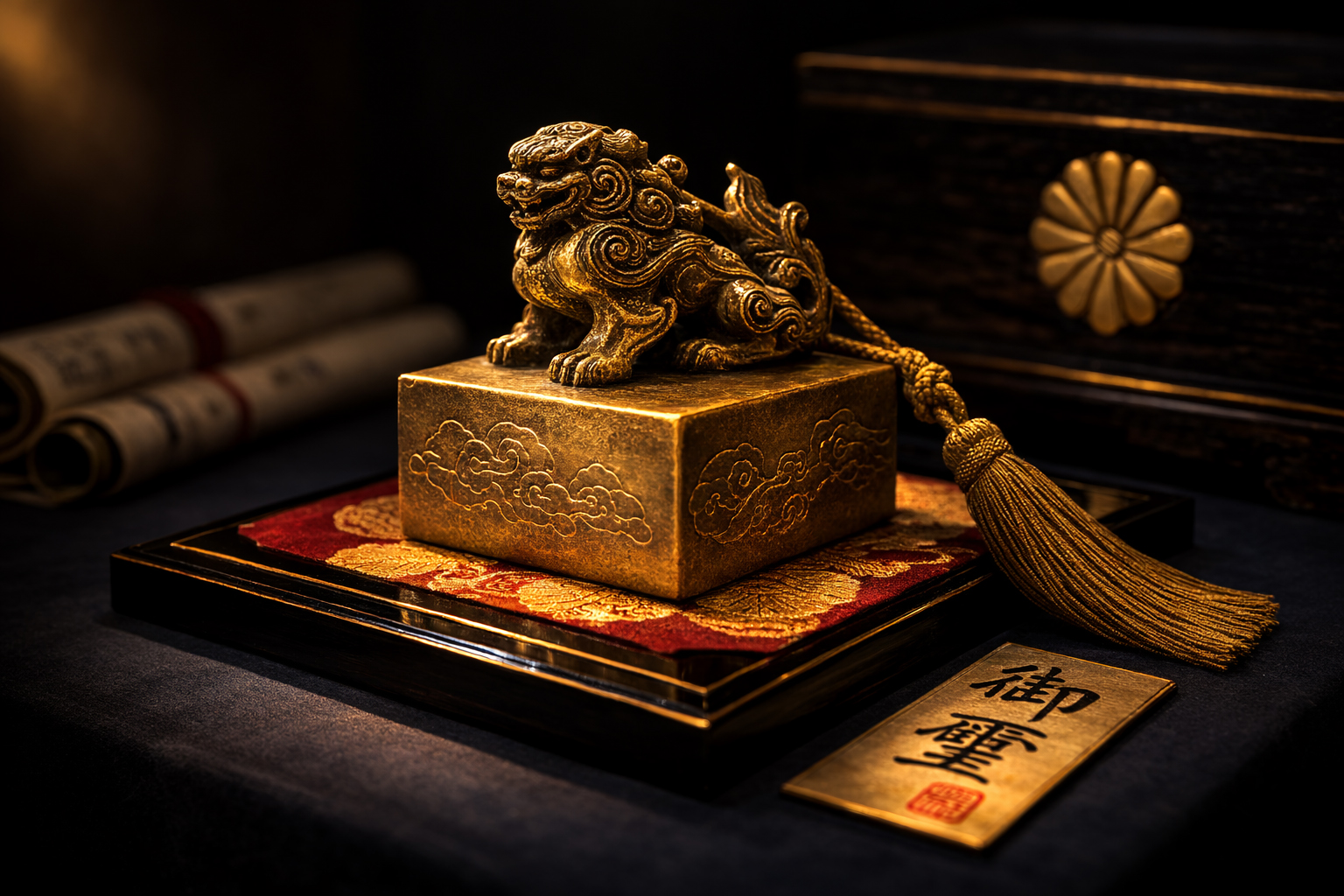
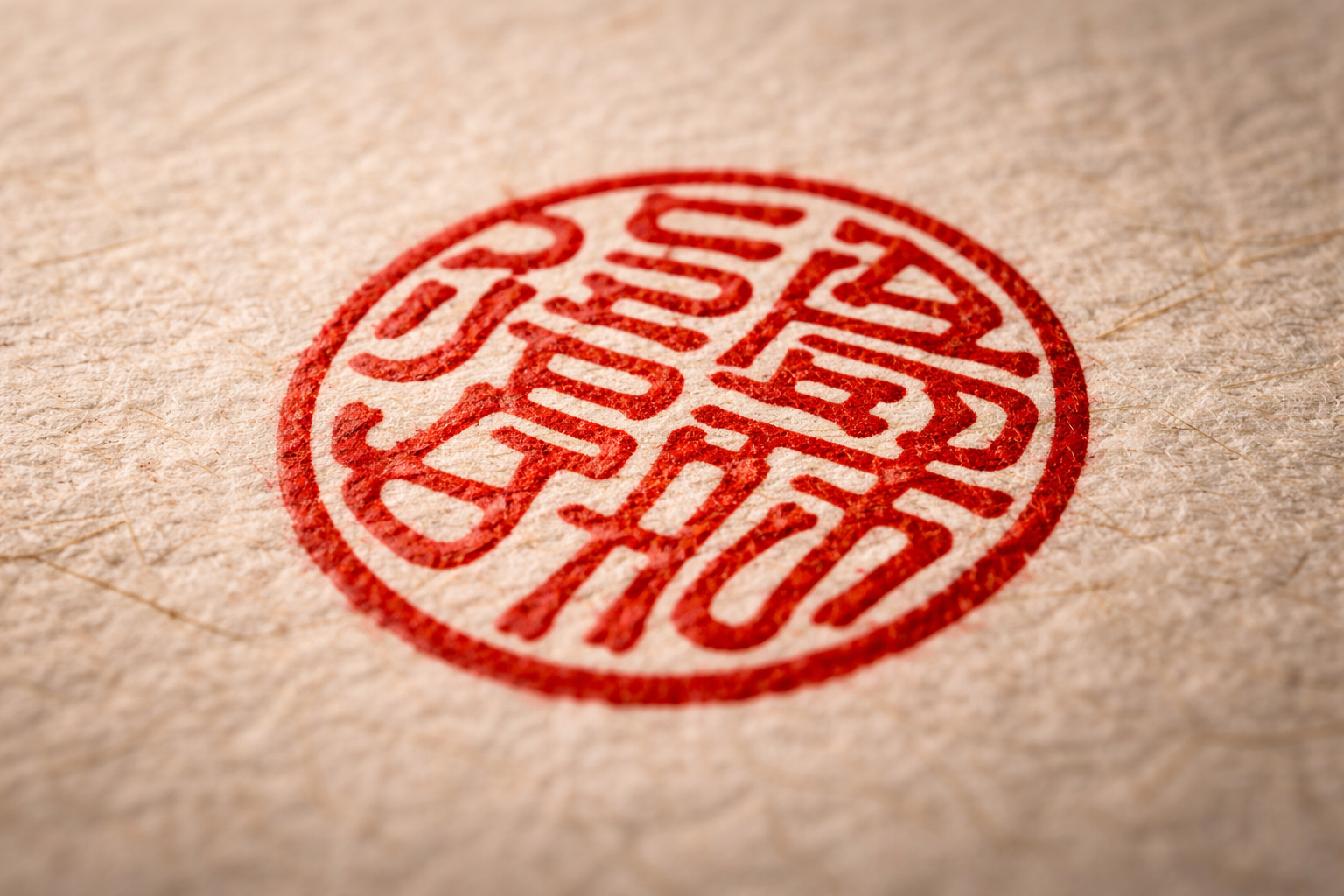
Display of an official seal

Showing what authority stood behind it

A Nara-period seal did more than indicate a writer. It also showed what public order a document or record belonged to.

With a seal, a text could be read less as a private note and more as something valid inside official procedure.

In the Nara period, the seal was less a convenient personal stamp than a mark through which the state recorded and managed itself.
— hanko.co.jp historical note

Not only paper: seals belonged to the world of wooden tablets too

Nara record culture did not consist only of paper documents.

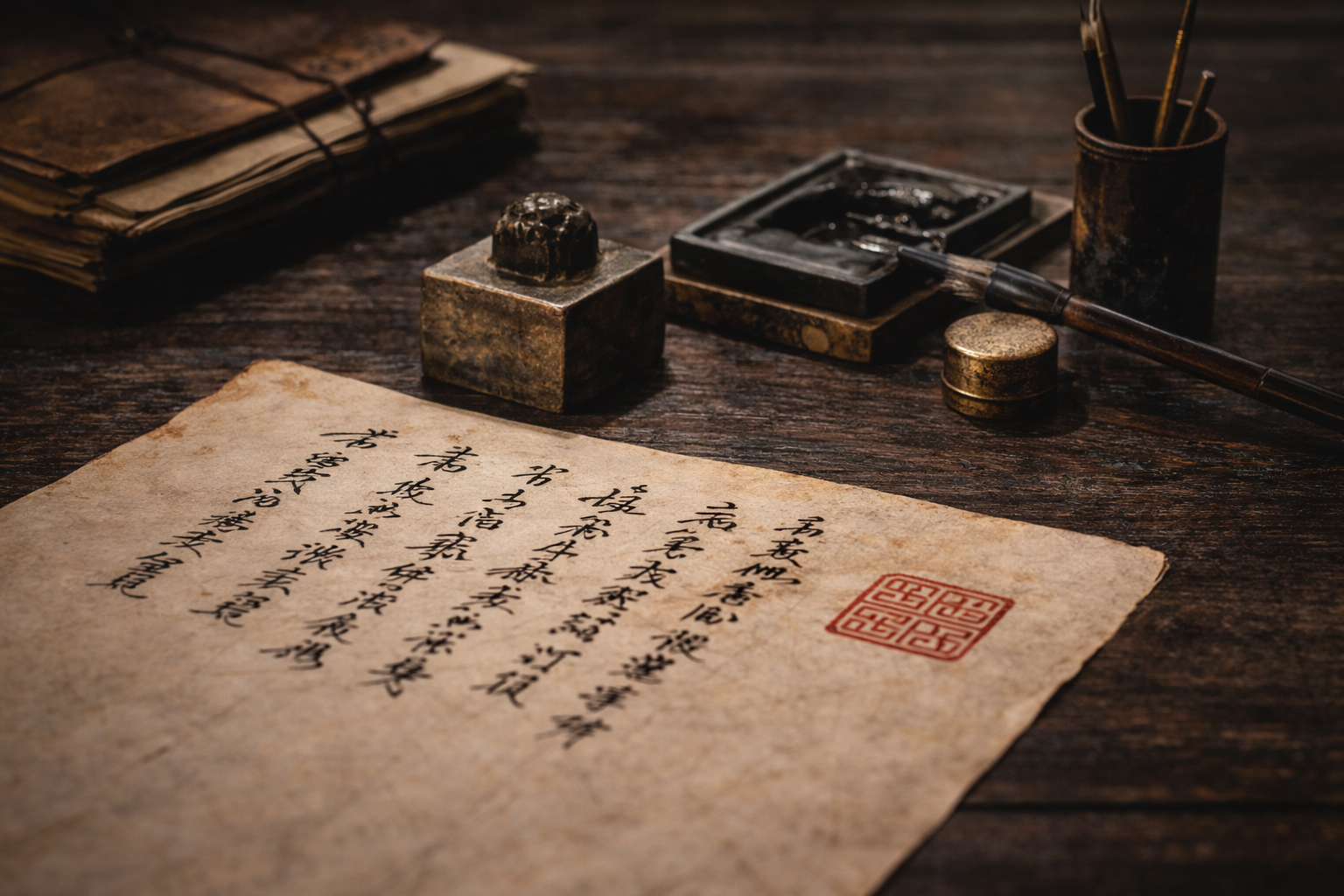
Document table with writing tools

A state that records

In Nara Japan, paper documents were used alongside mokkan, or wooden tablets. These functioned as labels, messages, and practical units of record.

In such a varied documentary world, seals helped supply forms of recognition and distinction.

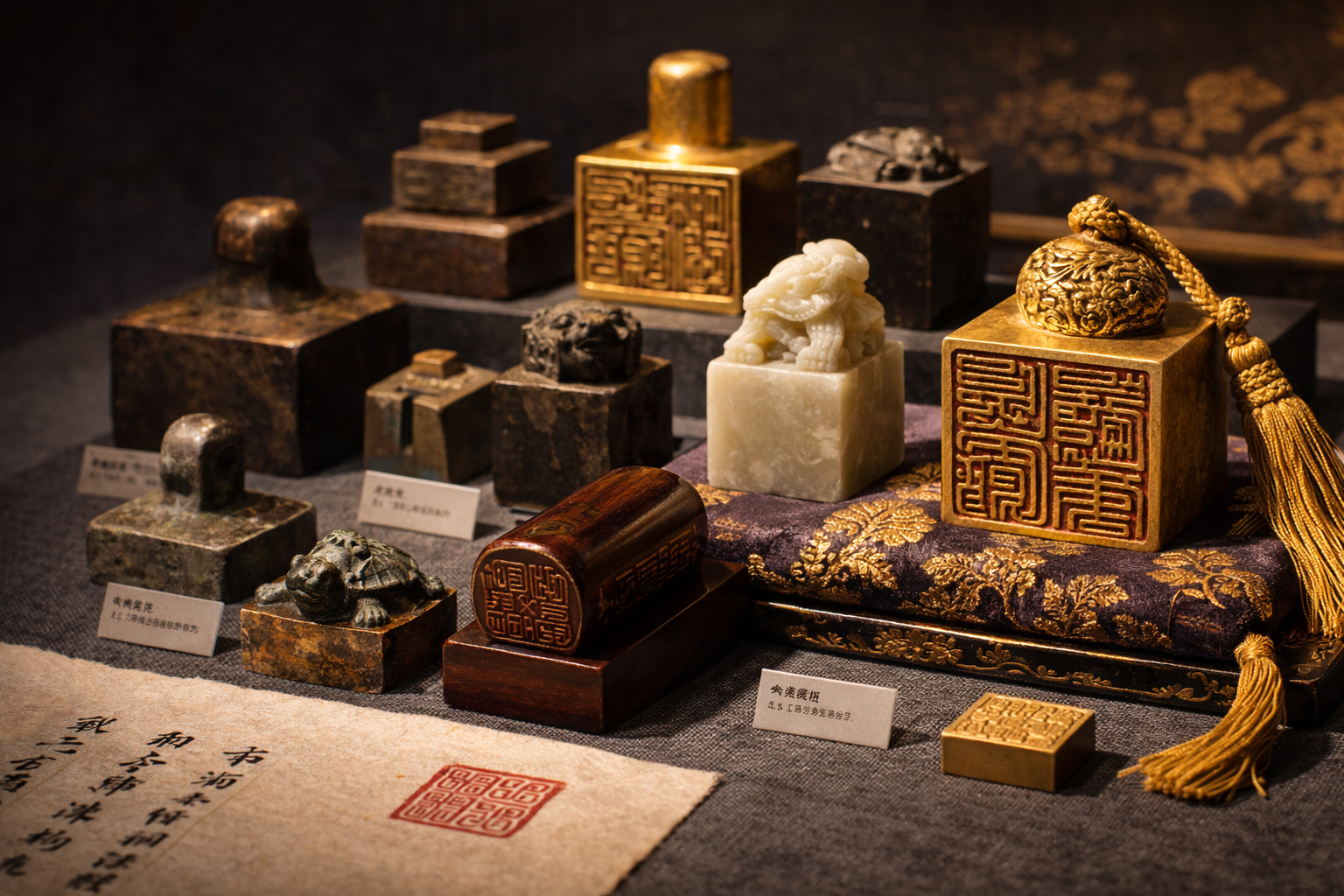
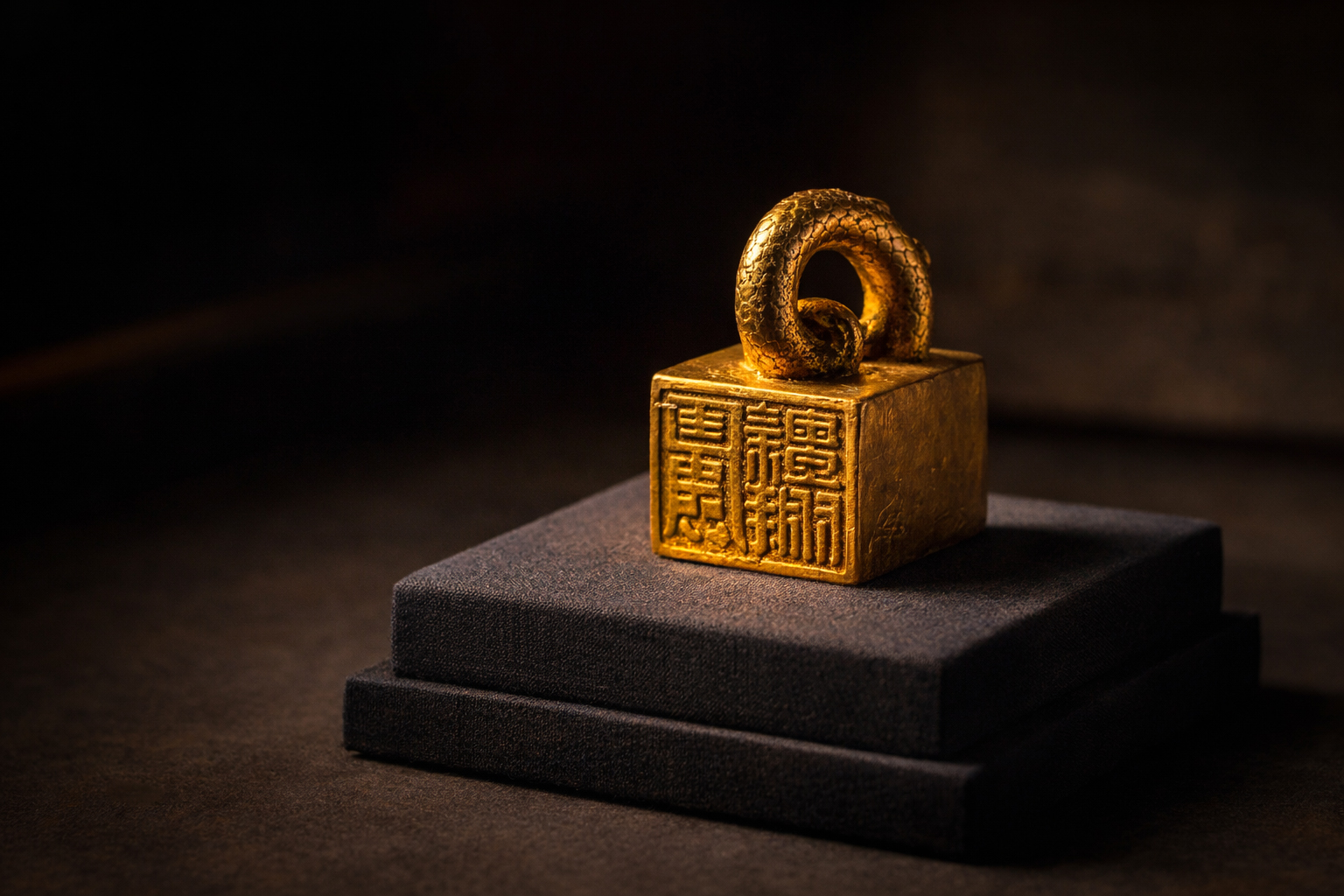
Historical seal display

Goods, storehouses, and administration

The Nara state needed to manage not only texts, but also storehouses, armies, temples, and transported goods. Seals can be understood as part of the forms by which belonging, movement, and official handling became visible.

The seal therefore worked not only at the level of words, but within administrative flow itself.

Nara seals were one of the ways the state reached paper and wood

Documents, labels, records, storehouses, temples, provinces: the seal helped make ritsuryō order visible in small form.

Temples and storehouses also depended on form

Nara was also an age in which temple institutions and the state stood in close relation.

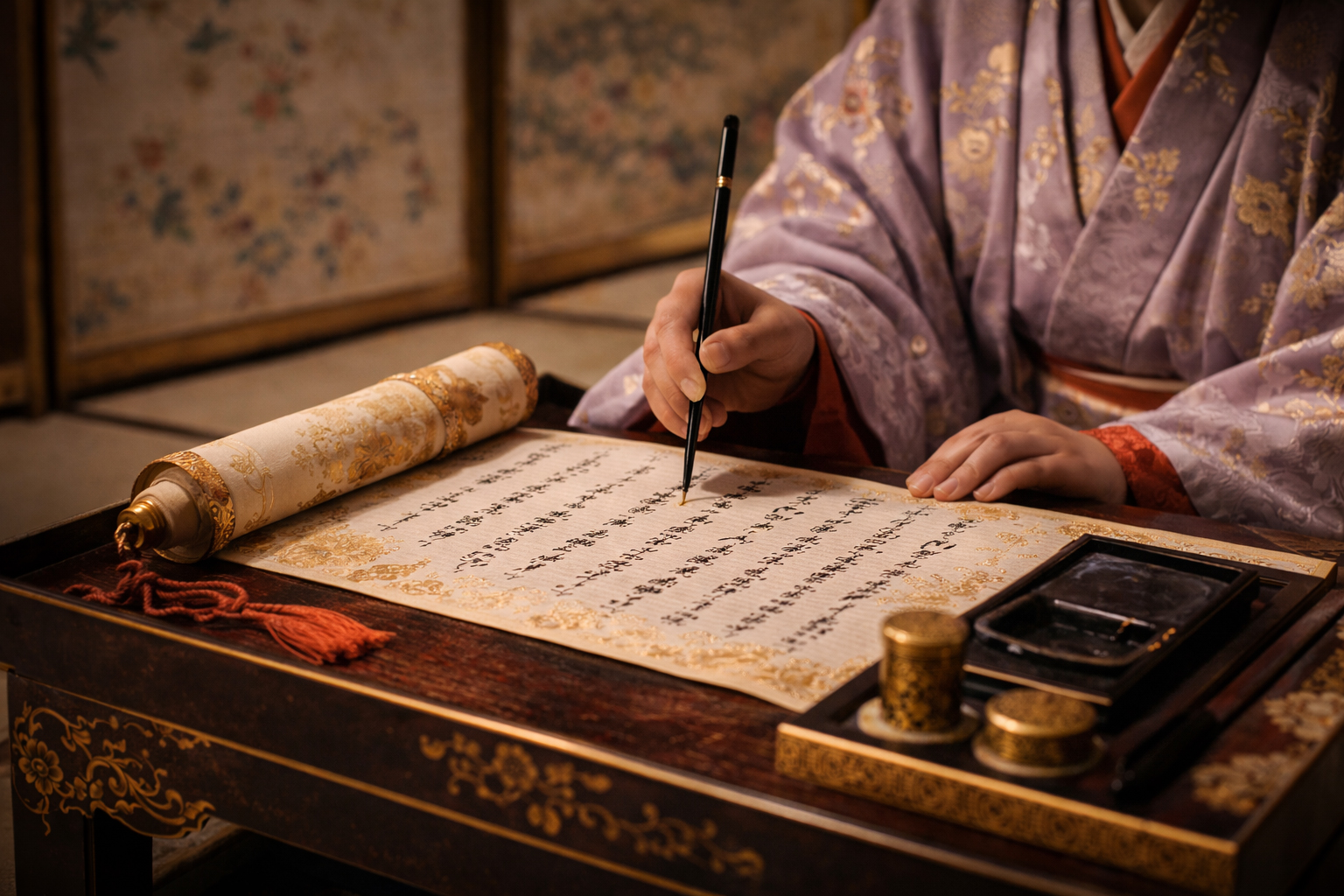
Classical document scene

Temple records and public order

Major Nara temples were not only religious spaces. They were also institutional spaces with records, assets, and documentary needs. Formal modes of confirmation mattered there as well.

Seals helped support the weight of records and documents in those settings.

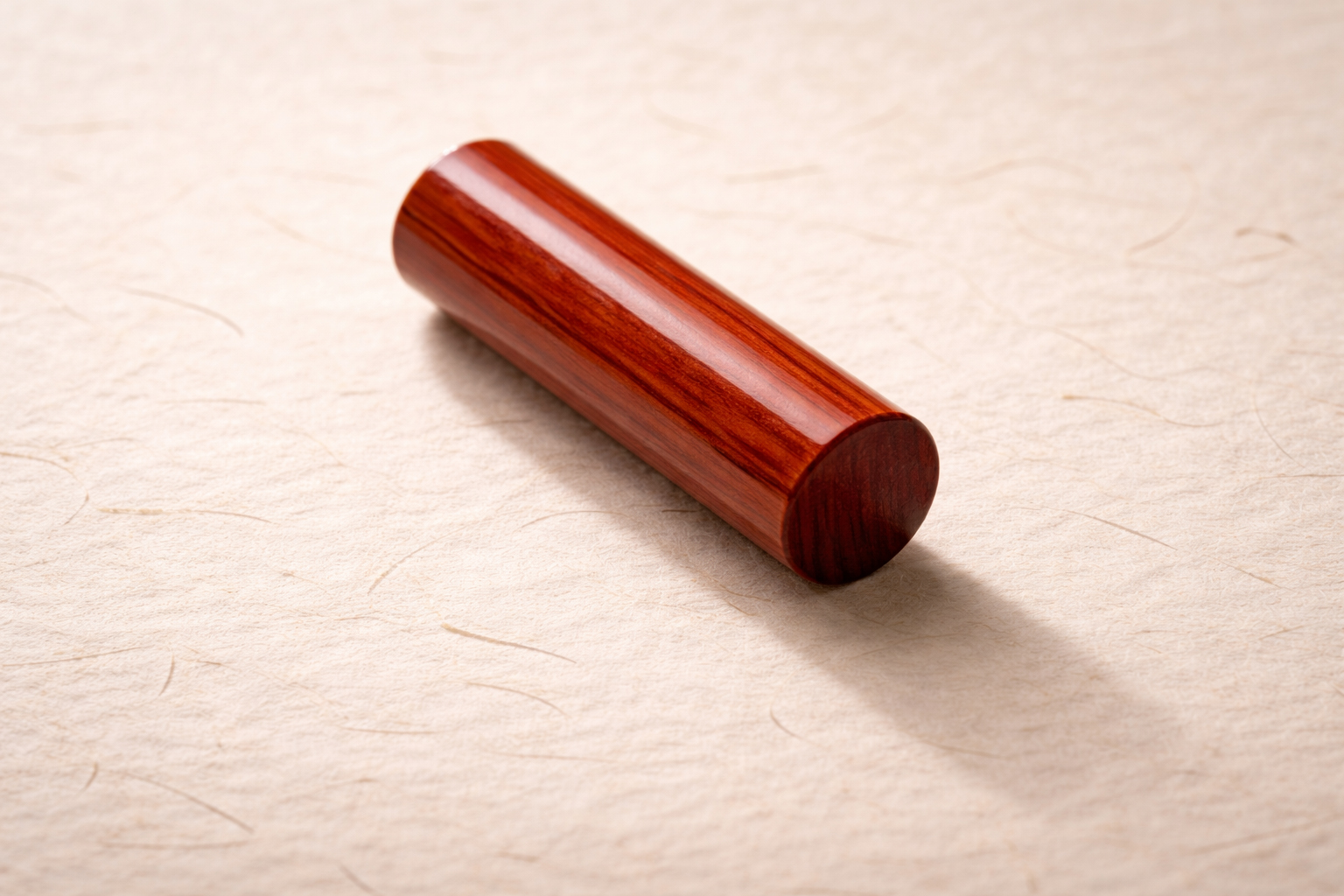
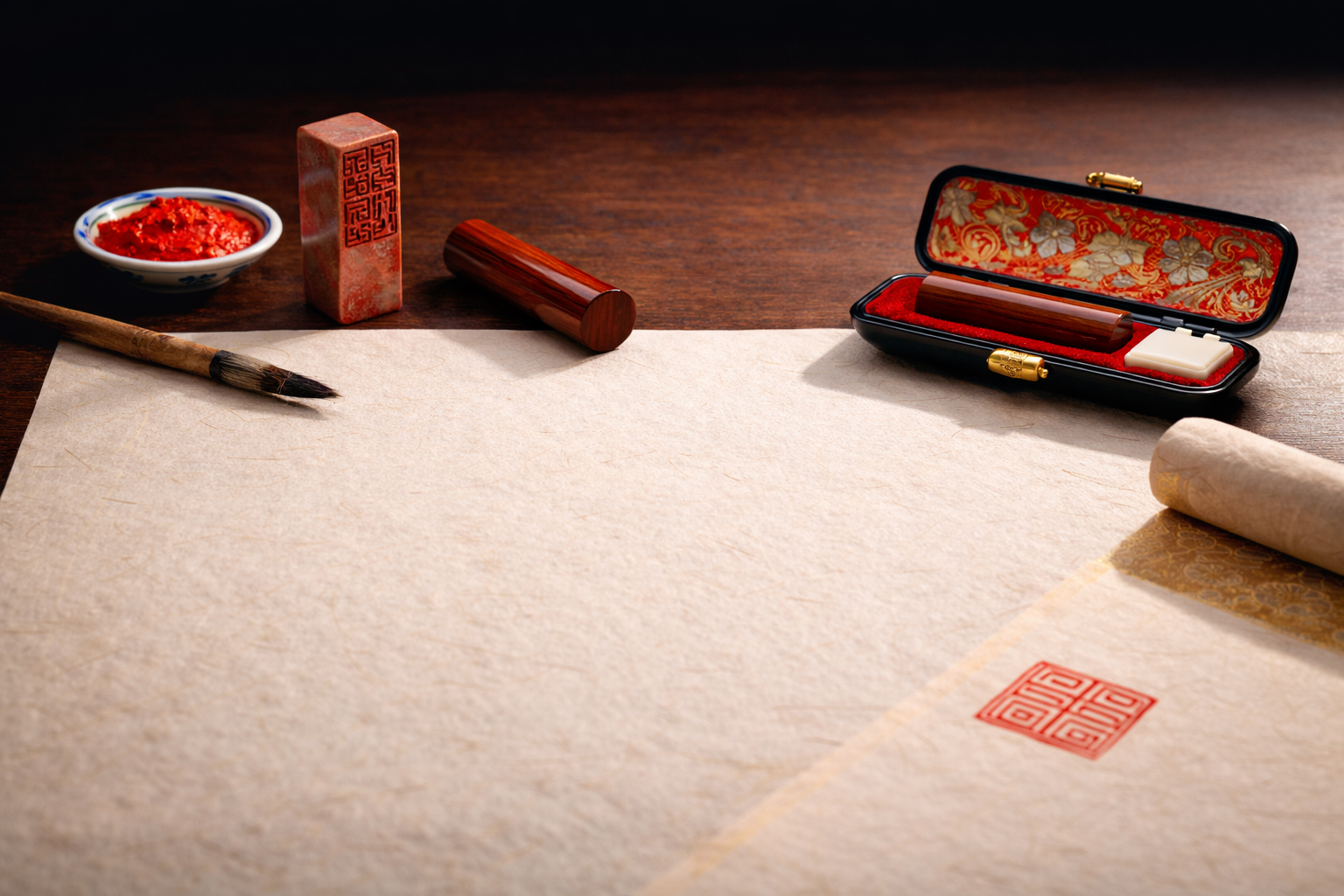
Seal casting shadow on paper

Quiet but strong form

Nara seals do not yet carry the urgent tone of later warrior command. Instead, they carry a quieter authority grounded in institutional order.

The seal’s power lay in saying: this belongs inside the system.

What Nara seals left to later Japan

Nara seal culture formed part of the institutional foundation of later Japanese seal practice.

Key features of Nara seals

  • They functioned inside the administrative practice of the ritsuryō state
  • They gave official form to documents
  • They were tied to both paper and wooden-tablet record culture
  • They mattered in temples, storehouses, armies, and provincial administration
  • They were stronger as institutional seals than as personal seals

What they prepared for later periods

  • They fed into Heian court documentary culture
  • They established the idea that seals give form and legitimacy
  • They provided part of the distant groundwork for medieval warrior documents
  • They built the administrative basis of Japanese seal culture

How should we read Nara seals?

Nara seals are best read not as everyday seals, but as seals of state formation and record.

When later Japanese seal culture is viewed backward from personal seals and household practice, Nara seals may seem distant. But one of the major origins of the Japanese hanko lies precisely here.

The seal gave form to documents, placed records inside systems, and made administrative procedure visible. That logic would later change and widen, but in the Nara period it first took strong shape as part of the working state.

Related pages

This page leads naturally into Heian court culture, the history of trust, and the larger history of Japanese seals.