History Feature

Seals in the Asuka Period

Seals in the Asuka period belong to one of the starting points of Japanese seal culture as it became tied to state formation. In this age, Japan was receiving continental institutions and documentary forms while trying to shape new structures of rule, command, record, and office. Asuka seals are not yet the settled administrative seals of Nara, but rather the marks of a country learning how to give political order visible form.

hanko.co.jp History / Feature Reading time 8–11 minutes

The Asuka period was a time of deep political reorganization. Japan was moving away from looser aristocratic arrangements toward more centralized structures of rule. In that process, documentary form and official recognition became increasingly important.

Within this world, the seal began to matter not as decoration, but as a means of showing that something belonged to a public and ordered system. Asuka seal culture is one of the earliest strong entry points for the Japanese hanko as a formal instrument of government.

Seals entered alongside institutional reception

One of the defining features of early Japanese seal culture is its close connection to the reception of continental state forms.

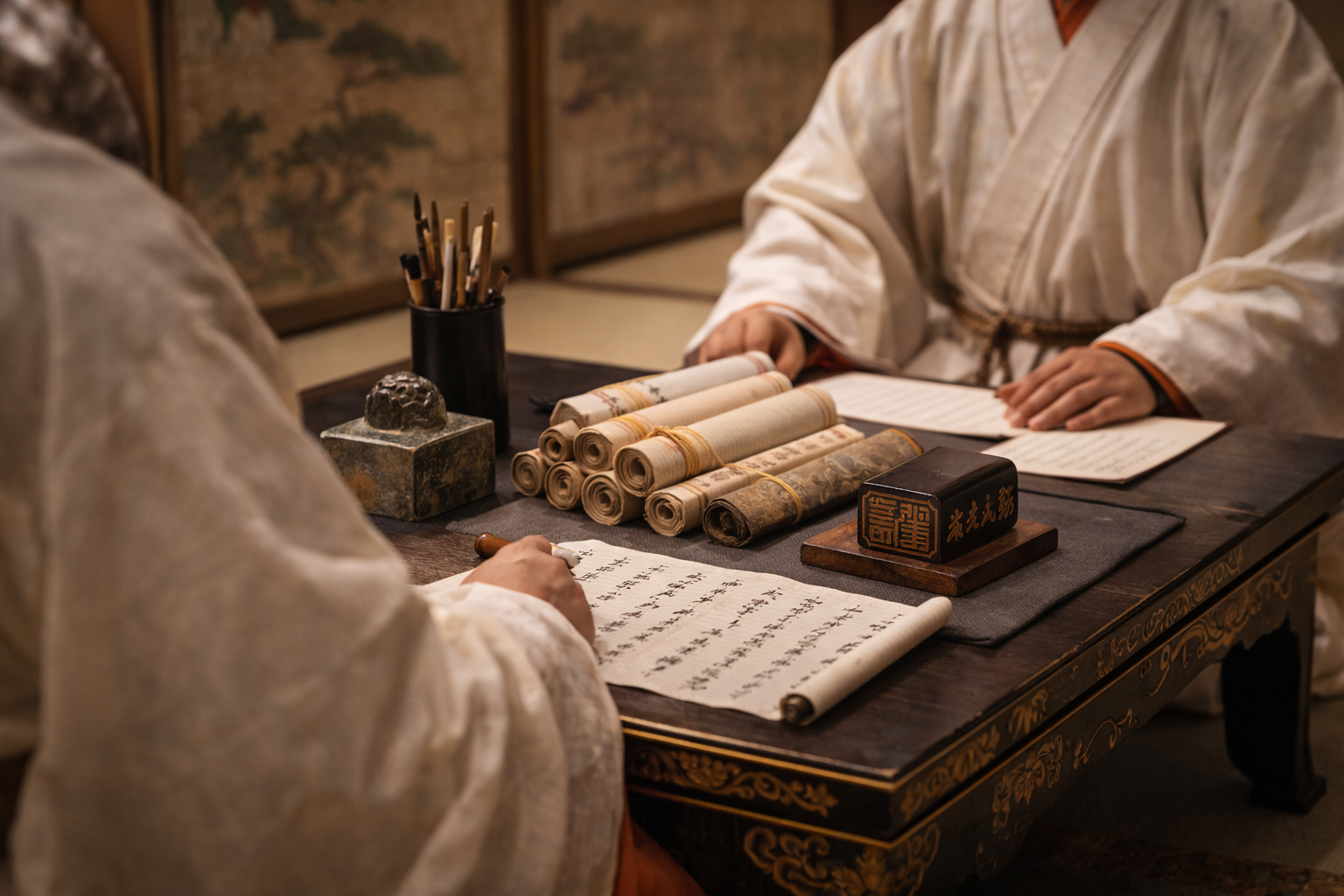
Administrative scene inspired by Asuka-Nara Japan

Learning official form

In the Asuka period, Japan was adopting continental institutions and documentary practices while trying to order offices and administration more clearly. Seals mattered because they helped turn writing and commands into forms with recognized official status.

What matters here is that seals entered first from the side of the state. Institutional seals were stronger before everyday personal seals.
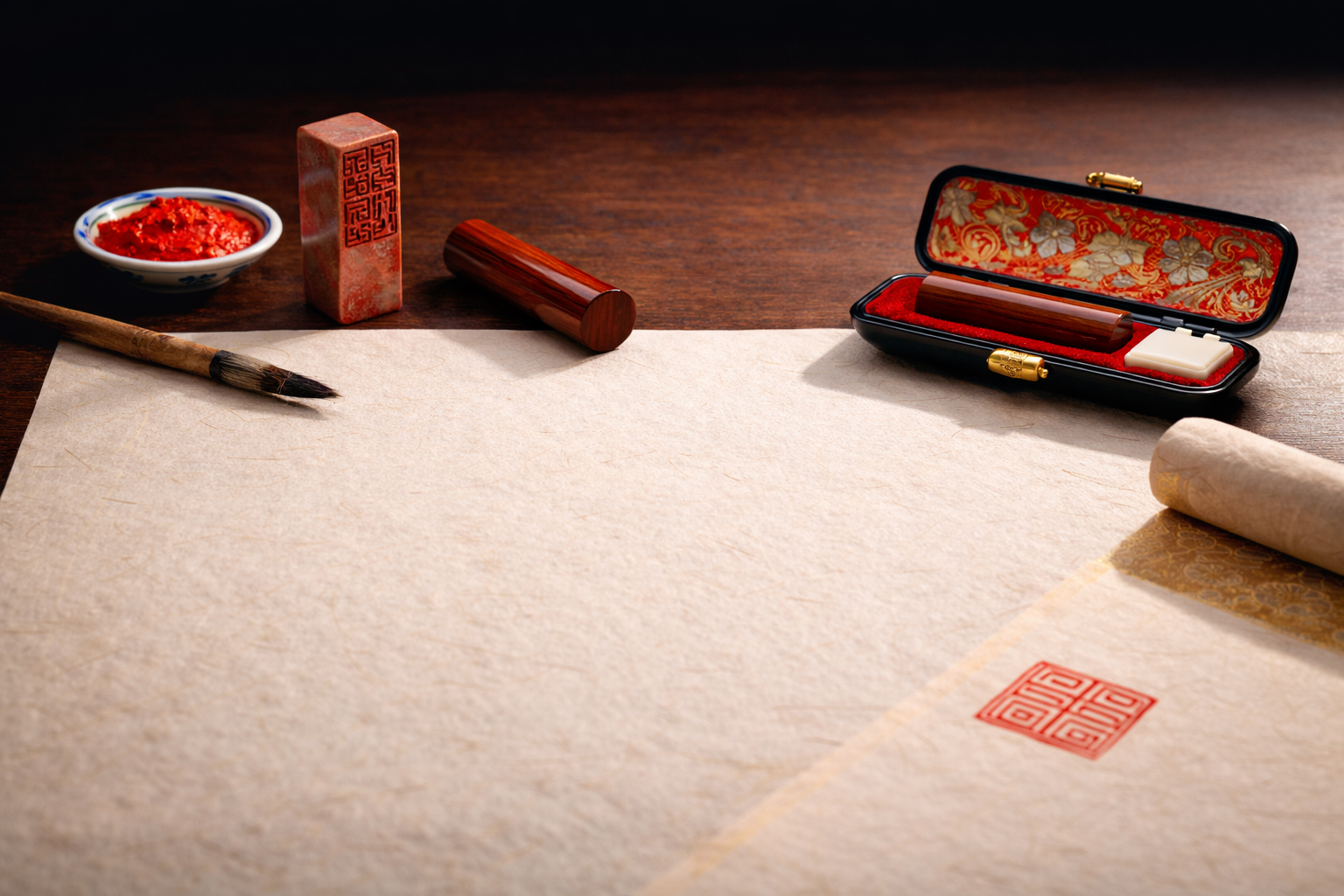
Formal official seal display

Showing what order a document belonged to

An Asuka-period seal did more than indicate a writer. It also suggested what public order the document or record belonged to.

With a seal, a document became more easily legible as something valid within formal institutional space rather than a private note.

In the Asuka period, the seal was less a personal mark than a sign of a Japan beginning to learn the forms of statehood.
— hanko.co.jp historical note

Asuka seals were not yet everyday seals

Seal culture at this stage remained far from the later worlds of merchants, households, and routine daily procedure.

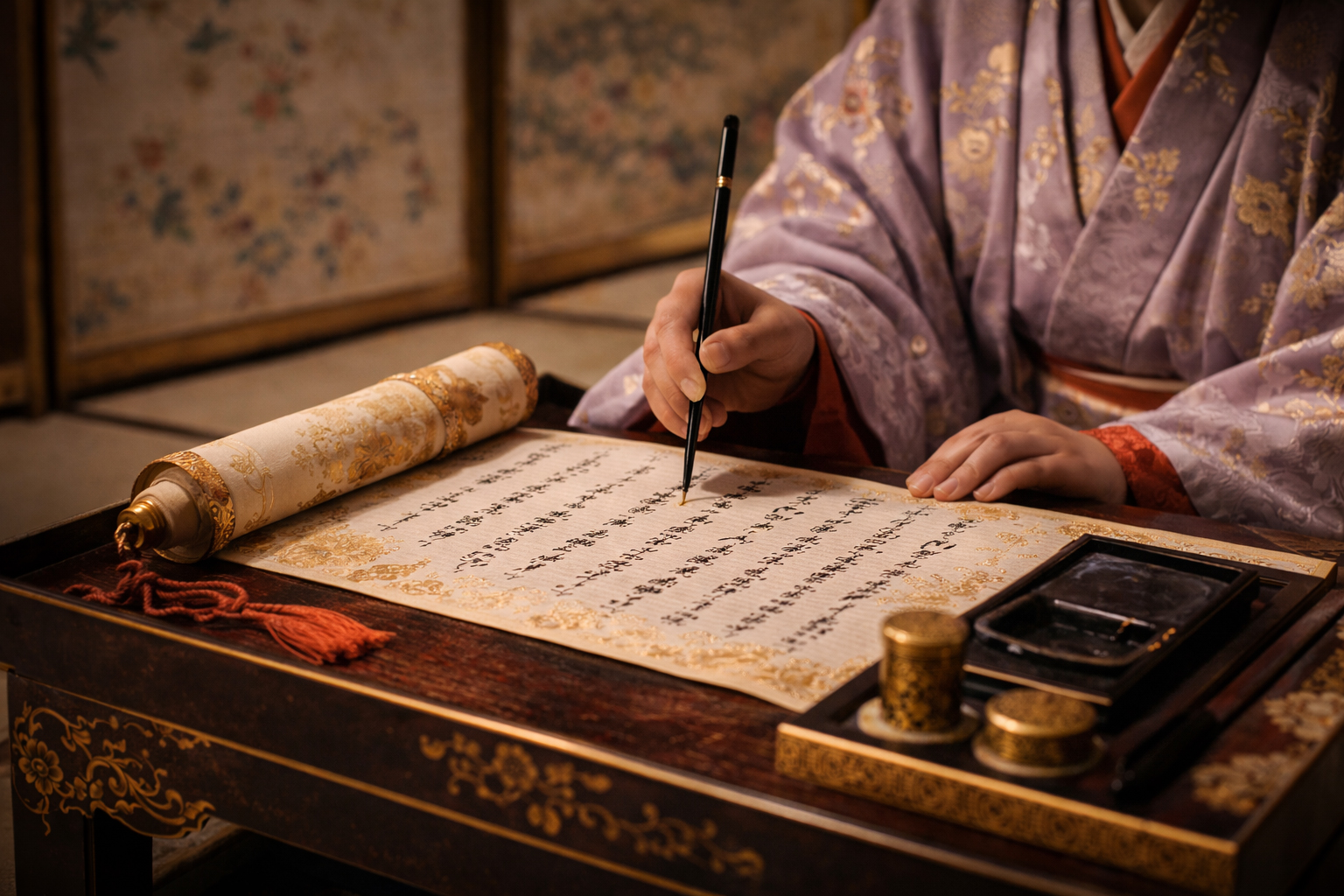
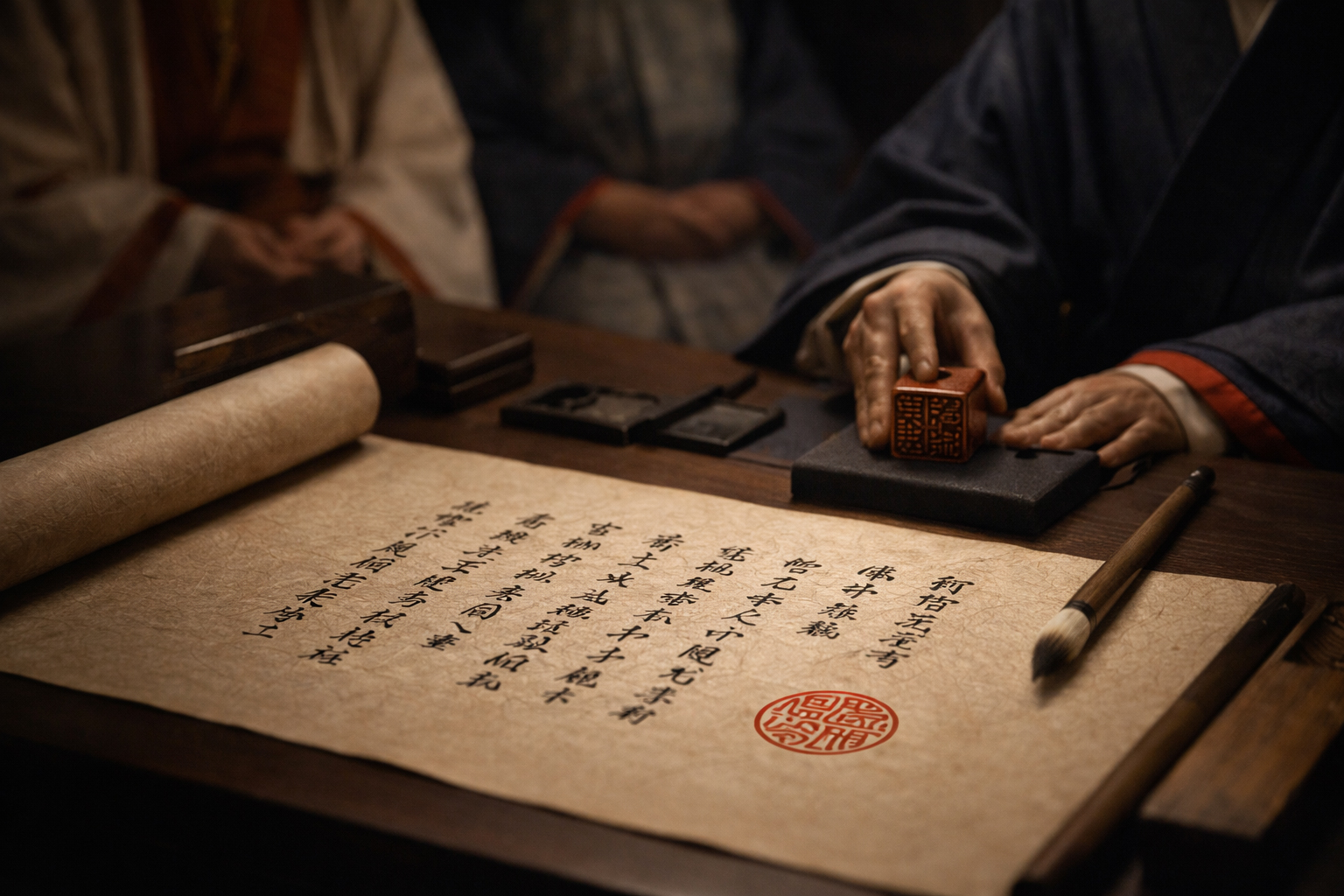
Classical document scene

Primarily on the side of official documents

In the Asuka period, seals had not yet spread through small-scale social life. They belonged much more to offices, command, and public form than to the practical routines of ordinary households.

In that sense, Asuka seal culture stands before the later socialization of seals.

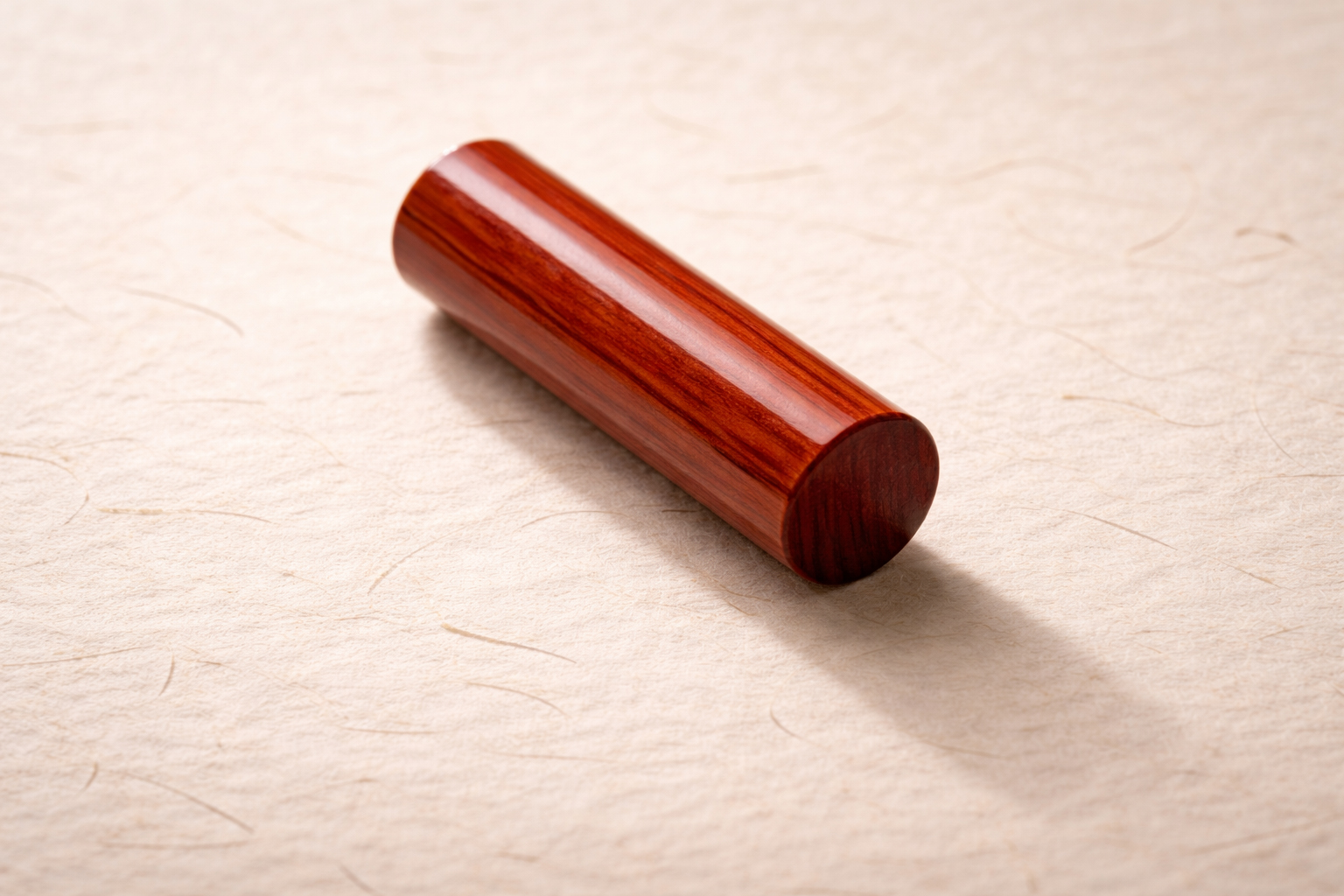
Seal resting on paper

A quiet age of introduction

Asuka seals do not yet show the urgency of Sengoku command or the domestic familiarity of Edo. Their force lies instead in the quiet beginning of institutional rootedness.

They are small cores of a documentary culture that would later grow much larger.

Asuka seals belonged to a Japan learning the shape of the state

Before seals spread widely through society, they first stood on the side of office, order, and public form.

From Asuka to Nara: from introduction to operation

The importance of Asuka lies not in a fully matured seal culture, but in preparing the conditions for one.

Asuka-Nara administrative scene

A prelude to Nara administration

In the Nara period, seals became more clearly integrated into the actual administrative life of the state. Asuka mattered because it made the connection between seals and institutional form imaginable and usable in Japan.

Asuka seals are important not because they show full maturity, but because they show successful introduction.

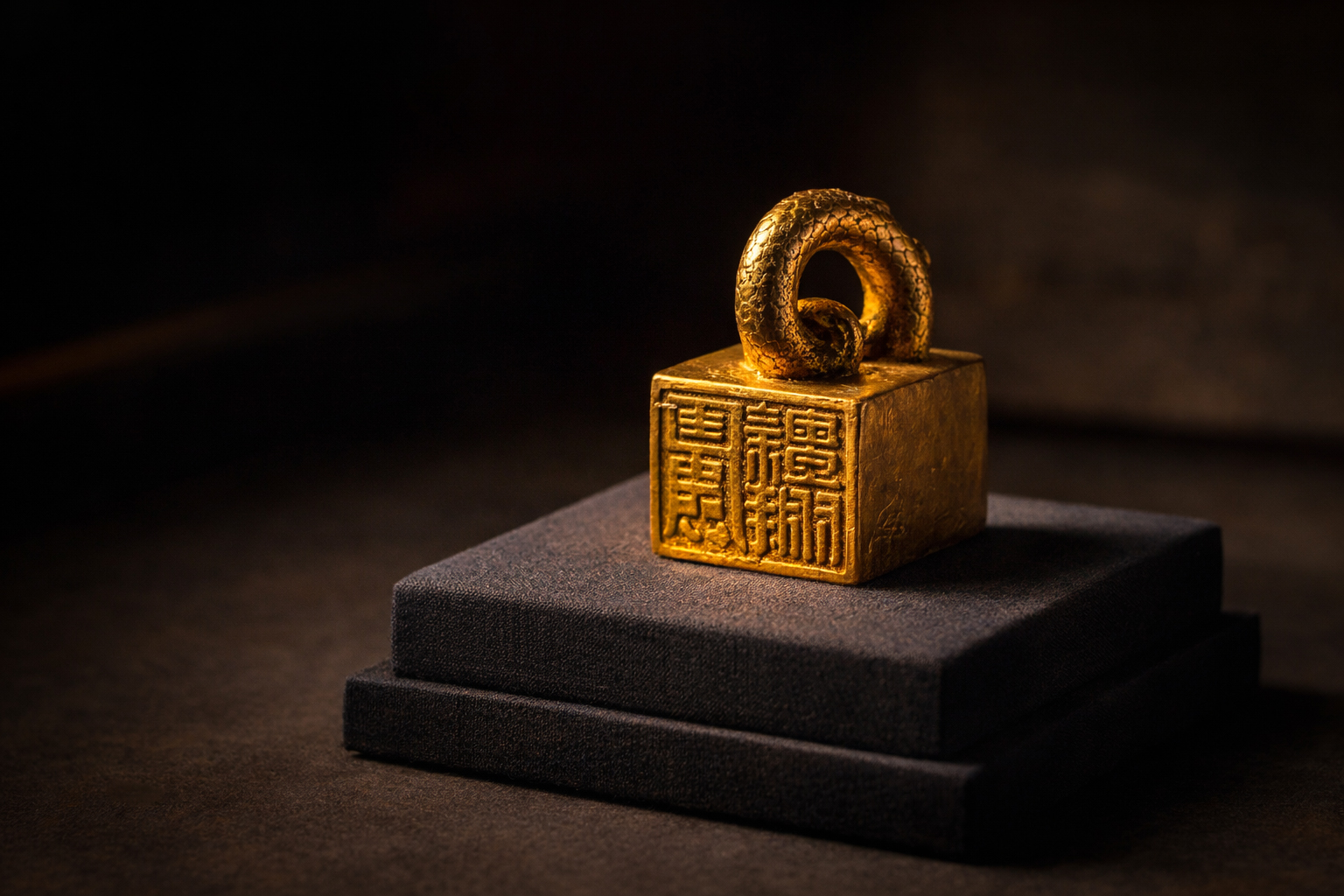
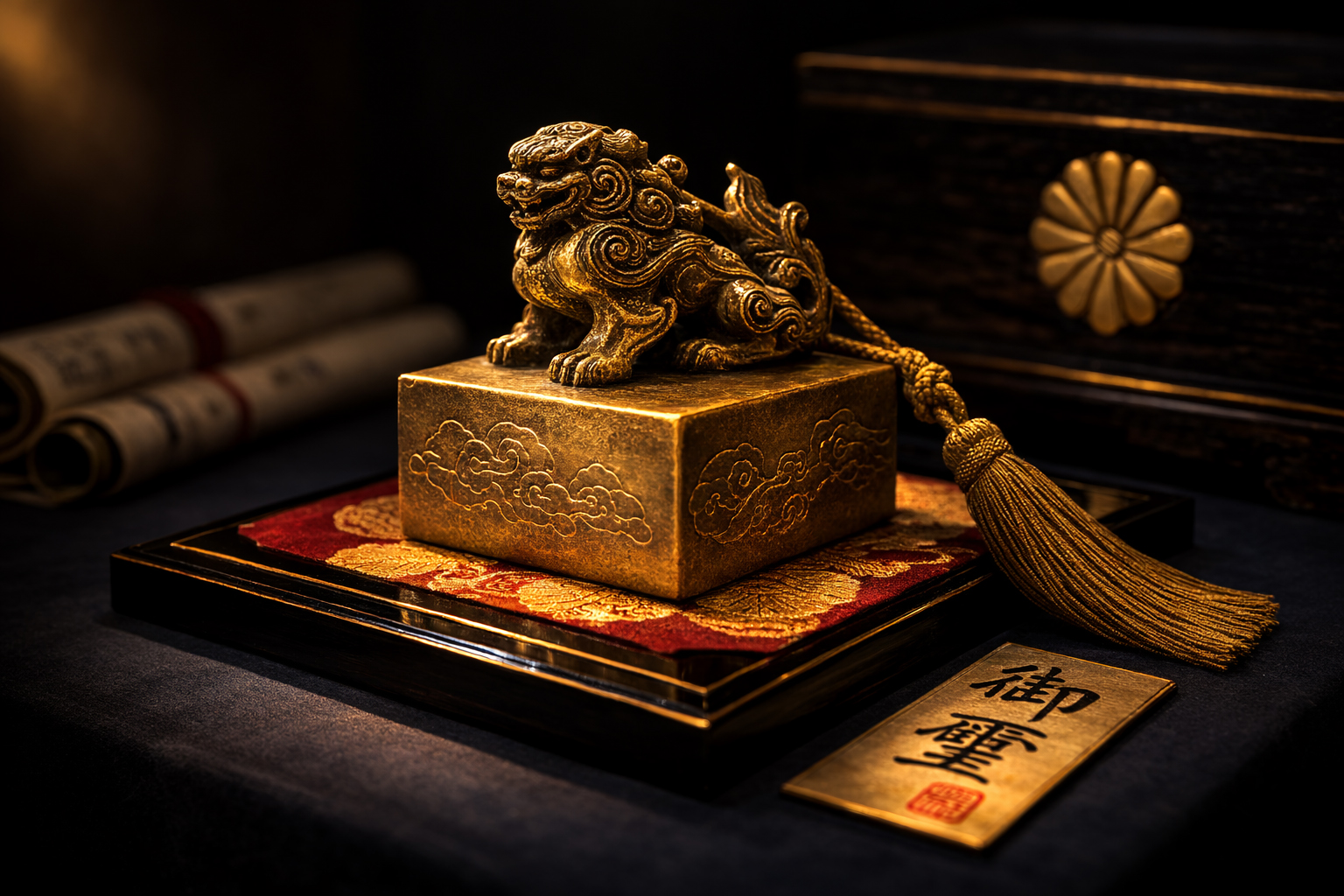
Gold seal treasure

A distant beginning of Japanese seal culture

Japan’s relationship to seals also has older symbolic points of origin, such as the famous gold seal. But the special importance of Asuka lies in the movement from symbol toward institutional use.

From here, Japanese seal culture begins a long administrative and documentary history.

What Asuka seals left behind

Asuka seal culture forms one of the starting points of later Japanese seal history.

Key features of Asuka seals

  • They entered with the reception of continental institutions
  • They were tied to state formation
  • They supported the form of official documents
  • They were stronger as institutional seals than as personal ones
  • They had not yet spread broadly through society

What they prepared for later periods

  • They led into the fuller administrative seal culture of Nara
  • They formed part of the background of Heian court documentary order
  • They established the sense that seals could give form and authority
  • They became one of the institutional origins of Japanese hanko culture

How should we read Asuka seals?

The Asuka seal is best read not as a fully developed Japanese cultural form, but as an entry point through which seals began to mean office and institution in Japan.

Asuka seals were not yet the widely diffused seals of later Japanese life. Precisely for that reason, they are important. In this period, the seal begins to acquire a direction: it becomes a device that can place writing inside order.

To give form to documents, to place records under authority, to make public procedure visible in small form: these are some of the basic logics that enter Japan in the Asuka period and continue, in changed ways, through later centuries.

Related pages

This page connects naturally to Nara administration, Heian court culture, and the longer history of Japanese seals.