History Feature

Seals in Ancient Japan

Seals in ancient Japan are among the deep ancestors of later hanko culture. They did not begin as everyday personal tools. They first took root as forms of state, office, record, document, and order. From Asuka through Nara and into early Heian, the seal became an important way of making public authority visible.

hanko.co.jp History / Feature Reading time 9–12 minutes

To understand seals in ancient Japan, it is important to begin with the idea that they entered first as instruments of government form. Before they became household tools or personal marks, they belonged to a world of offices, records, commands, and public order.

To place a document within a system, to make a record legible as official, to give command and report recognizable form: ancient Japanese seals are best understood through these functions.

Seals became powerful through state formation

In ancient Japan, seals first mattered as instruments of institutional order.

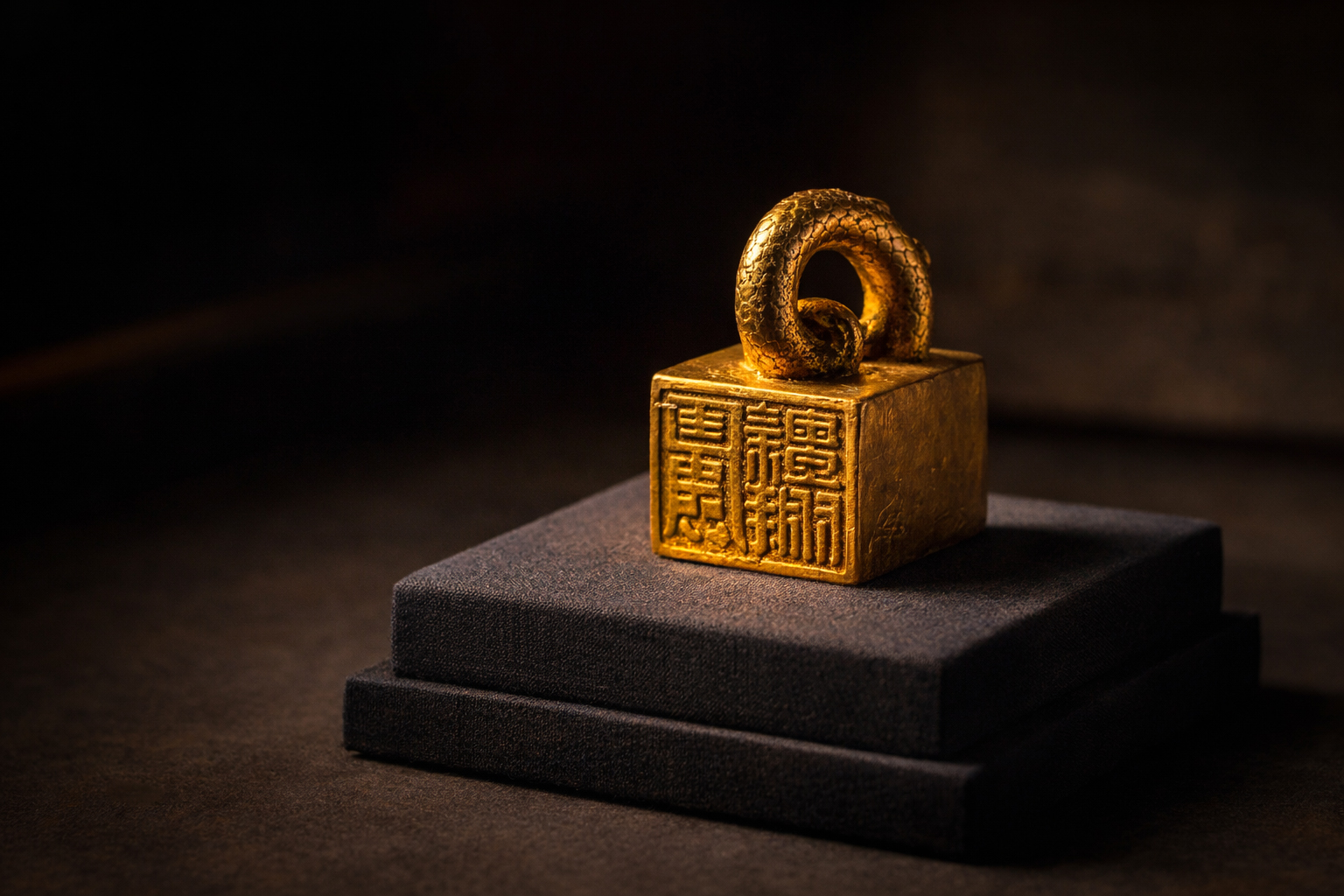
Ancient-style gold seal treasure

From symbol toward system

Japan’s relationship to seals has early symbolic points of origin. But what matters historically is the movement from symbol into working institution.

The seal became not simply a treasure, but a device for linking authority and documentary order.
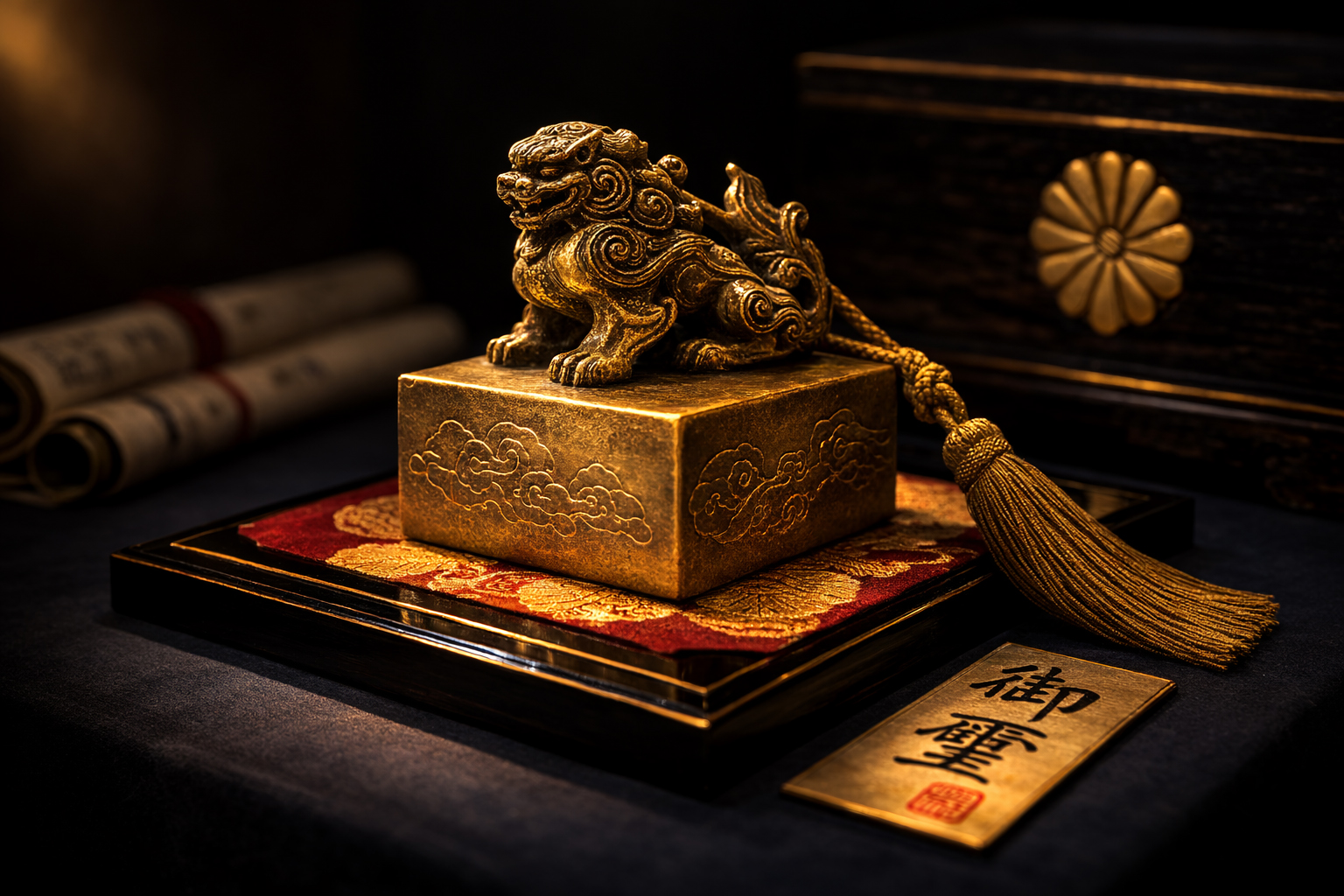
Display of an official seal

Showing what public order stood behind it

Ancient seals often mattered less as markers of private identity than as signs that a document or record belonged to a recognized public system.

With a seal, writing could be read as part of formal order rather than as a private note.

Ancient Japanese seals began not as convenient personal stamps, but as forms through which the state gave writing and record official shape.
— hanko.co.jp historical note

Asuka: the age of introduction

In the Asuka period, seals entered Japan as part of the reception of continental institutions and documentary order.

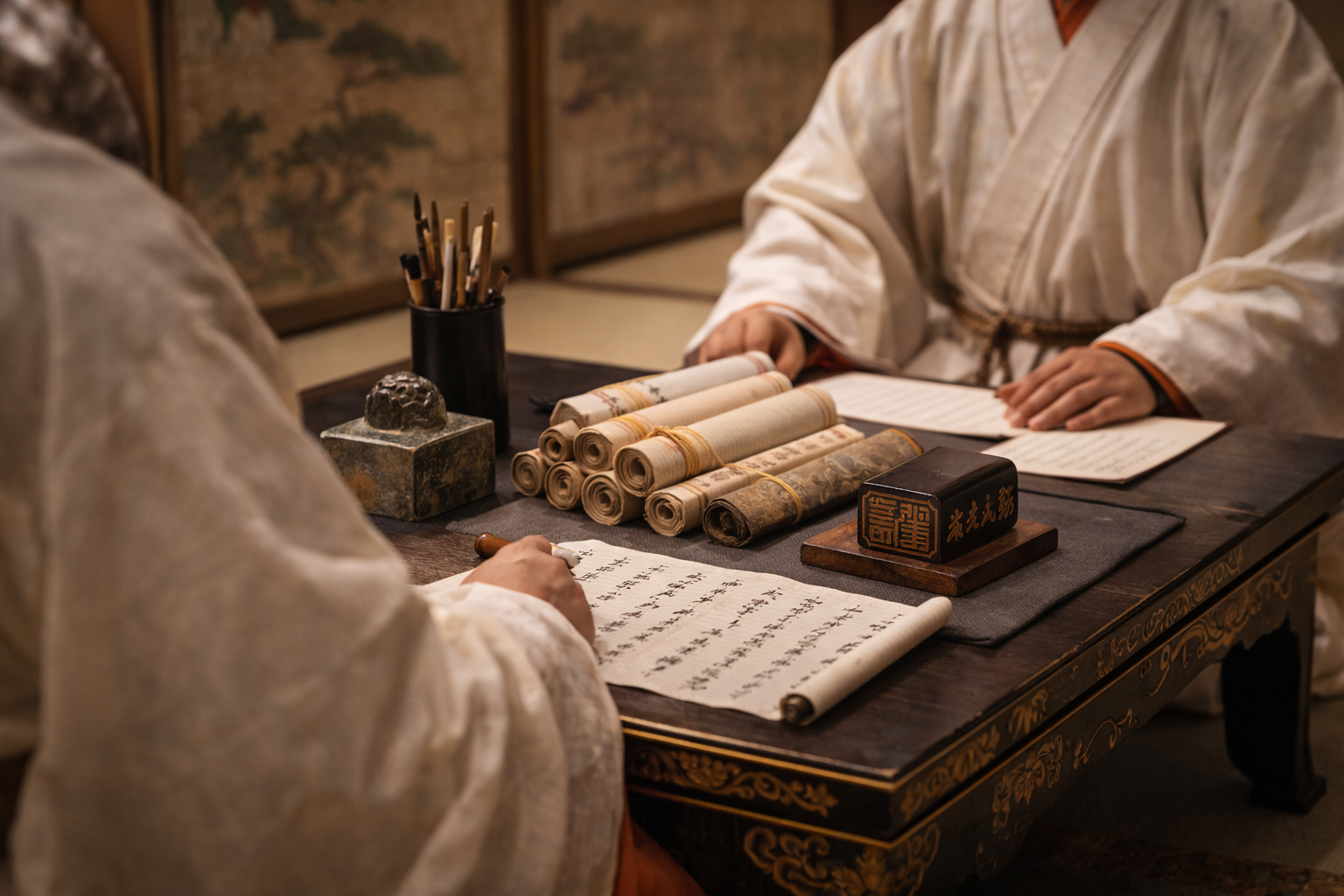
Administrative scene inspired by Asuka-Nara Japan

Learning institutional form

Asuka Japan was trying to shape a more centralized political order. In that process, seals began to matter as devices through which offices, commands, and official writing acquired visible form.

At this stage, seals still belonged mainly to the side of the state rather than to daily social life.

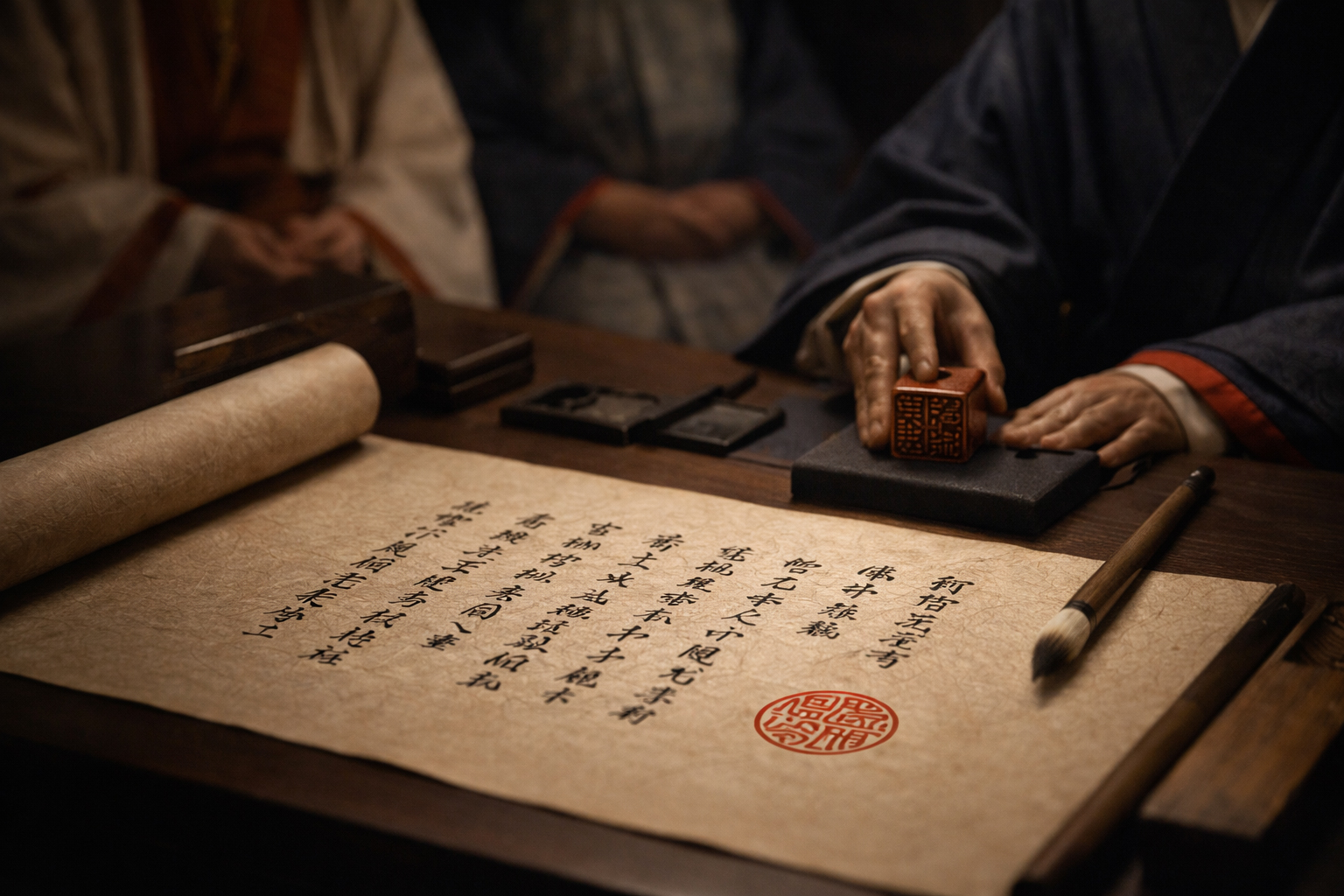
Classical document scene

An entry point into public document culture

What matters about Asuka is that the seal begins to mean something in Japanese institutional life: not merely written content, but valid form.

Here one of the long administrative histories of the hanko begins.

Ancient seals belonged to the making of the state

They made order, record, command, and administration visible in compact form.

Nara: fuller administrative use

What Asuka introduced, Nara put to fuller work inside the machinery of government.

Nara administrative scene

A technology of the ritsuryō state

In Nara, seals became more clearly integrated into administration, provincial management, military record, temples, storehouses, and the documentary world of paper and wooden tablets.

Here the seal matured as one of the state’s small but powerful technologies of order.

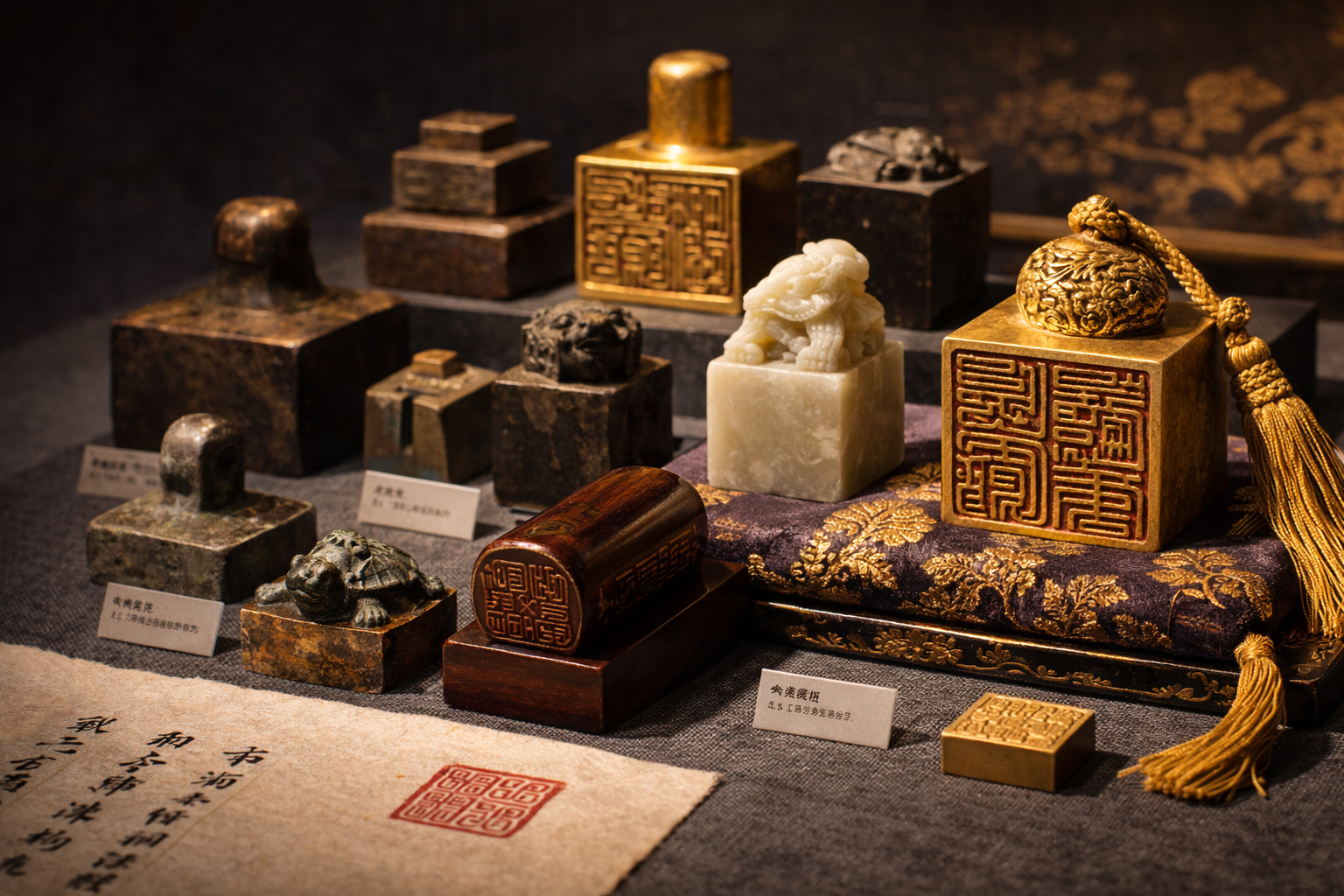
Collection of historical seals

Beyond documents alone

Nara seal culture was not only textual. It also belonged to storehouses, goods, belonging, and administrative flow. The seal helped the state identify, track, and authorize.

In that sense, it was a form of visible order across multiple layers of early government.

Heian: refinement within courtly form

In Heian Japan, seals remained public forms but were also absorbed into a more refined courtly documentary culture.

Heian court scroll

Formality and courtly order

Heian seals still belonged to official form, but now within a more highly cultivated documentary world of rank, ritual, writing, and courtly propriety.

The seal became part of a broader sense that a document must not only be official, but properly composed.

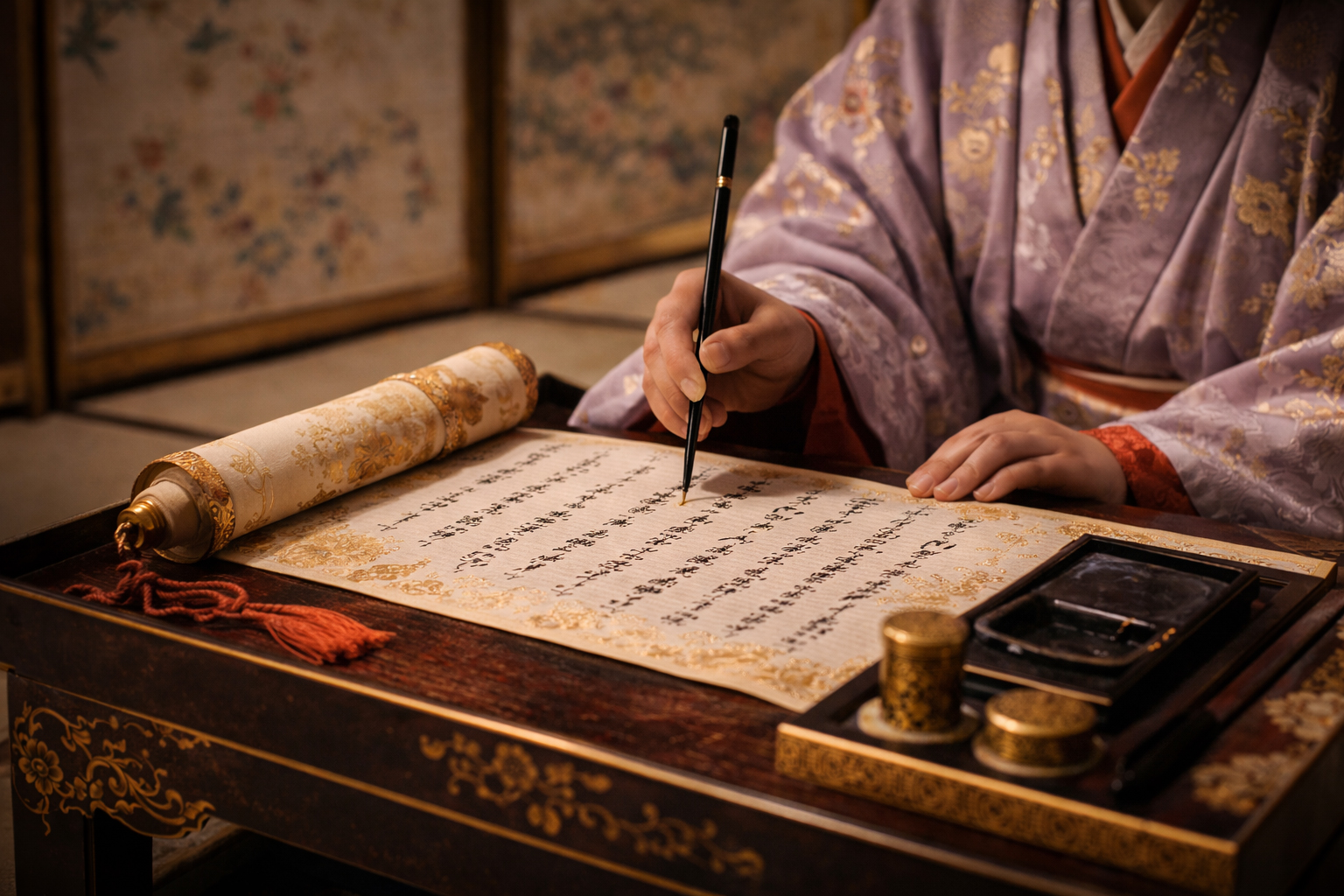
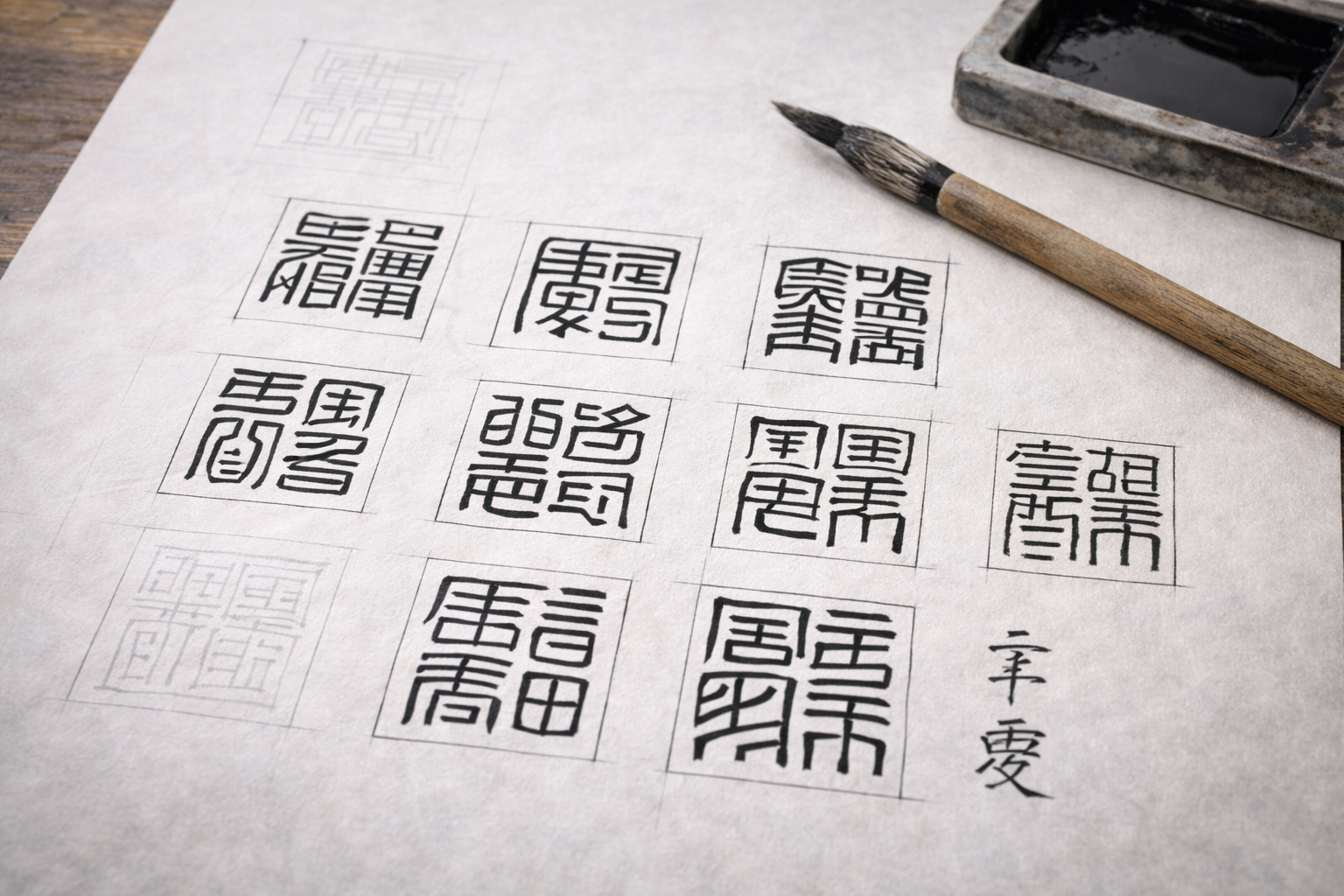
Calligraphy and seal design

The beauty of formal completion

In Heian culture, the seal could participate in a documentary aesthetic of writing, paper, space, and finish. This helped shape one of the later aesthetic strands of Japanese seal culture.

The seal was still institutional, but now also part of refinement.

The character of ancient Japanese seal culture

Ancient seals begin from a very different social position than later merchant seals or household seals.

Key traits of ancient seal culture

  • It was deeply tied to state formation
  • It first functioned in official documents and public order
  • Institutional seals mattered before personal everyday seals
  • Asuka introduced them, Nara operationalized them
  • Heian refined them within courtly order and beauty

Later consequences

  • It helped form the basis of medieval documentary culture
  • It established the idea that seals give form and legitimacy
  • It provided distant foundations for later warrior documents
  • It became both an administrative and aesthetic source of later hanko culture

How should we read seals in ancient Japan?

Ancient Japanese seals are indeed part of the prehistory of the everyday hanko, but they should first be read as seals of the state.

From a modern point of view, a hanko looks like a personal tool. But in ancient Japan, the seal began first in the worlds of state, document, record, and order.

It placed writing inside formal systems, made public acts legible, and gave small visible shape to authority. One of the basic skeletons of later Japanese seal culture was built here.

Related pages

This page connects the individual Asuka, Nara, and Heian pages with the broader history of Japanese seals.