History Feature

Seals in the Heian Period

Seals in the Heian period were not yet the urgent marks of later warrior orders or the broadly socialized seals of everyday life. They belonged first of all to court culture and the formal world of official documents. In that setting, a seal did more than confirm authorship. It helped make visible that a document stood within the correct order, form, and authority. Heian seals show how deeply Japanese seal culture was grounded in both institution and aesthetic refinement.

hanko.co.jp History / Feature Reading time 9–12 minutes

In the Heian period, political and cultural life centered on the court, where documents, ritual, rank, and formal order were deeply intertwined. In that world, the seal was not simply a convenient confirming tool. It was part of what gave documents proper weight and shape.

The beauty of writing, the choice of paper, the arrangement of text, and the placement of a seal all mattered. Heian seals belonged to that larger documentary sensibility in which content alone was never enough.

Heian seals belonged to courtly order

Heian documents existed not only to be read, but to be properly placed within a structured world of authority.

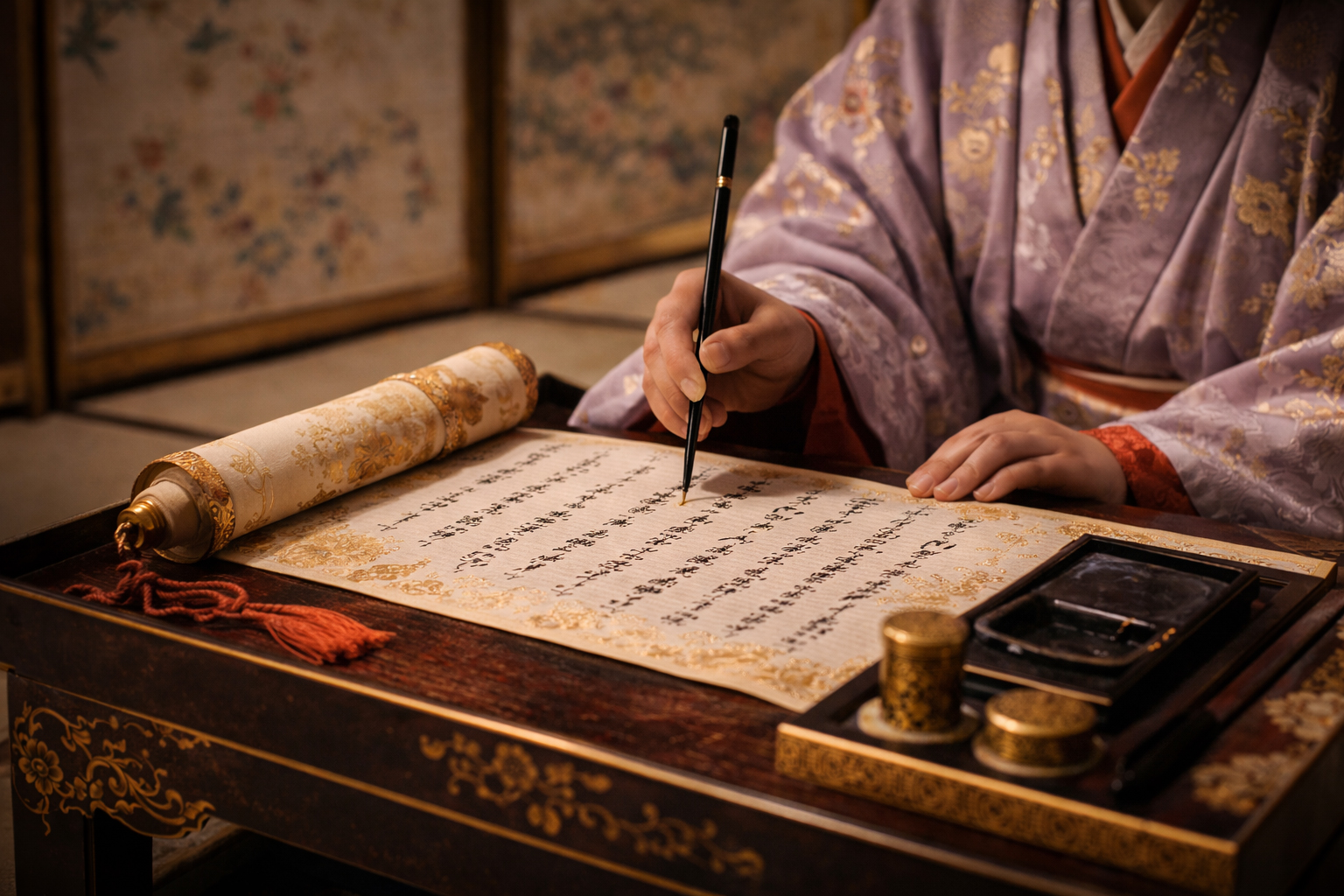
Heian court-style scroll scene

Giving formality to documents

In Heian documentary culture, what mattered was not only the content, but the form in which it was issued. A seal helped show that the document belonged to the correct order.

The seal was therefore part of what made a document not merely written, but proper.
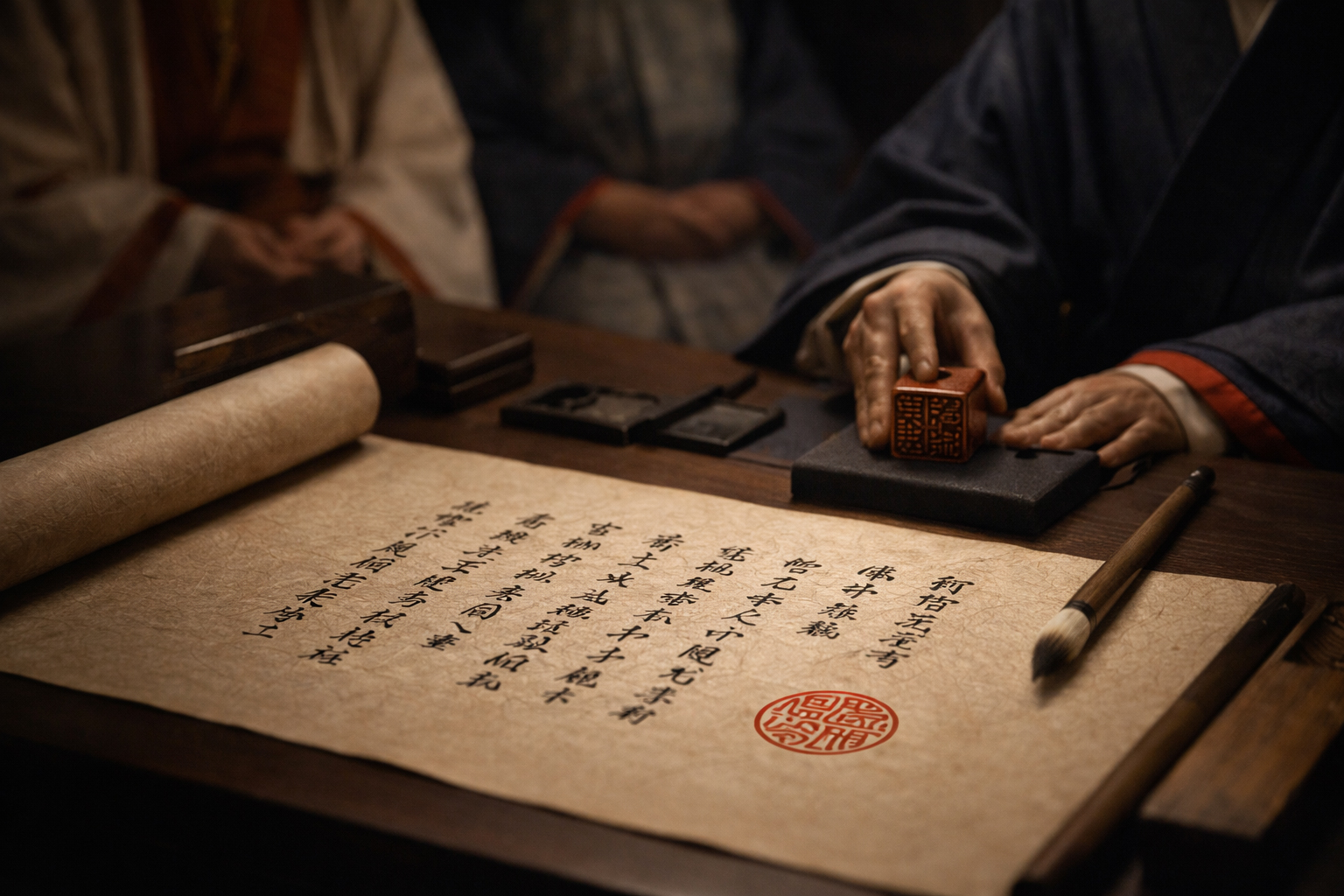
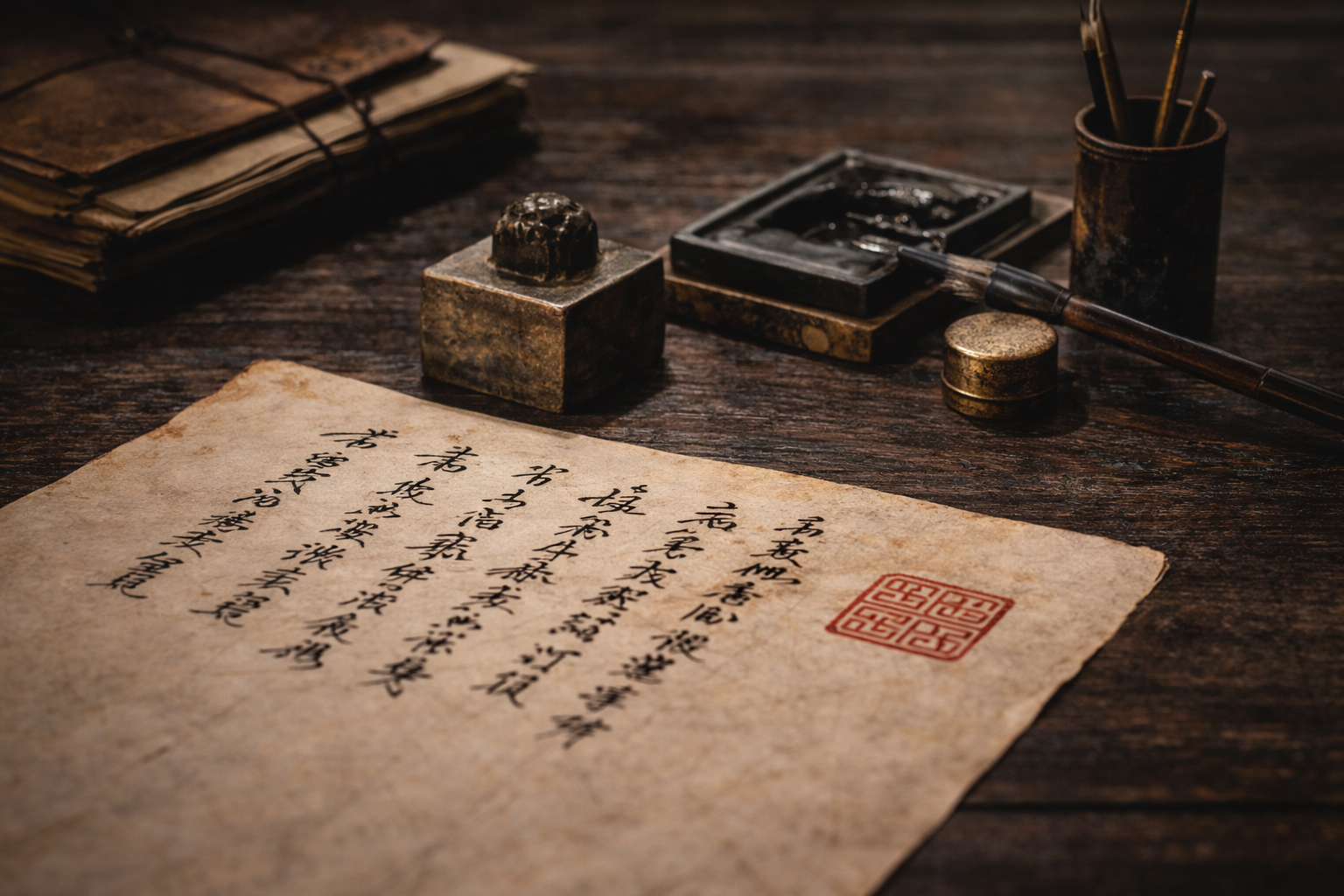
Classical court document scene

What world did the document belong to?

A seal in Heian Japan often indicated more than a person’s name. It helped show what world of office, form, and authority the document belonged to.

With a seal, a document could be read less as a private note and more as an act within formal order.

Heian seals were less marks of force than marks that placed documents inside the correct order.
— hanko.co.jp historical note

Seals and the aesthetics of writing

Heian documentary culture was tied not only to administration, but also to a refined sense of beauty.

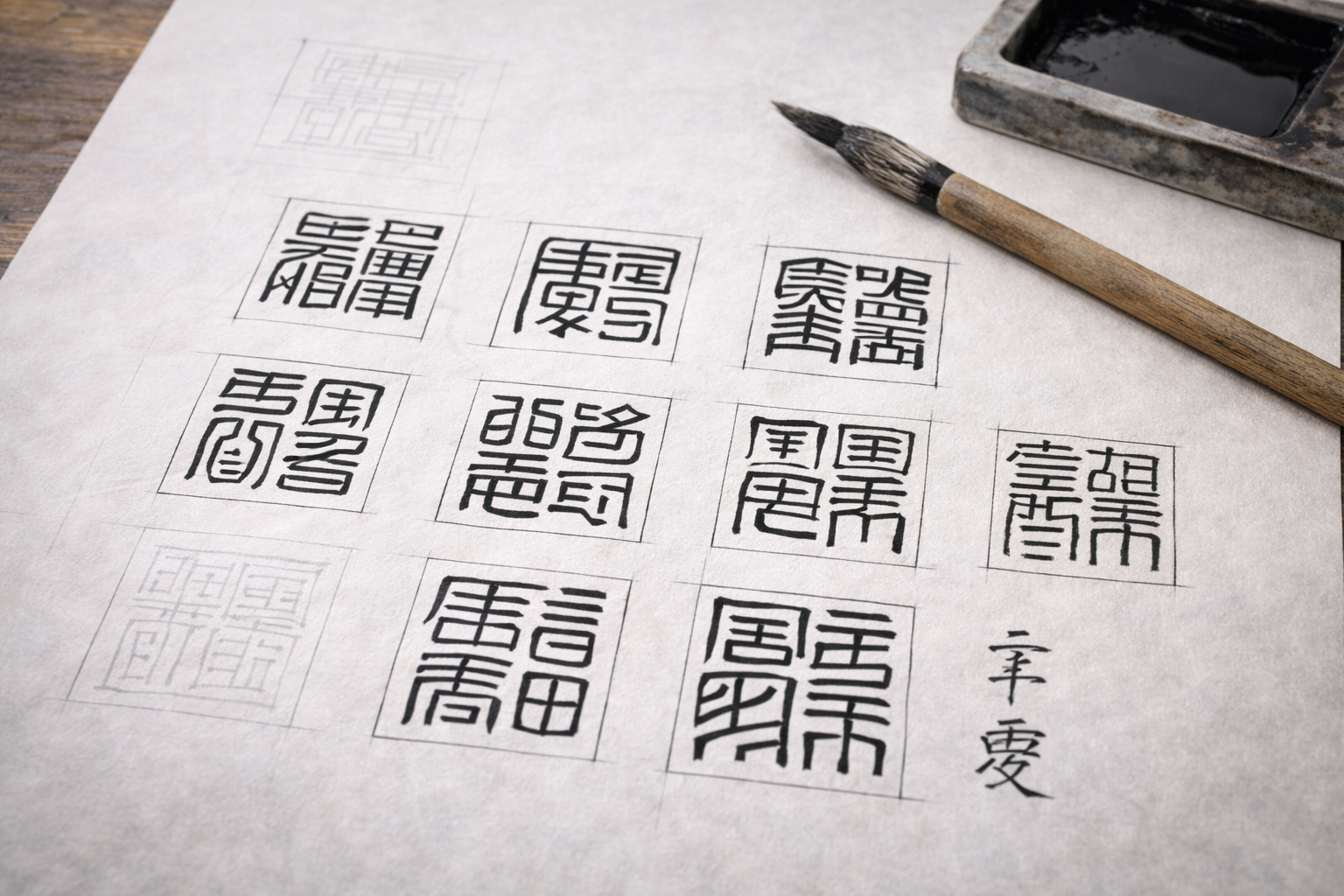
Calligraphy and seal planning

Writing and seal were not separate worlds

In Heian culture, brushwork, spacing, paper, and textual flow mattered deeply. The seal should be understood as part of that total composition rather than as an isolated device.

It could function as one of the final elements that completed the document.

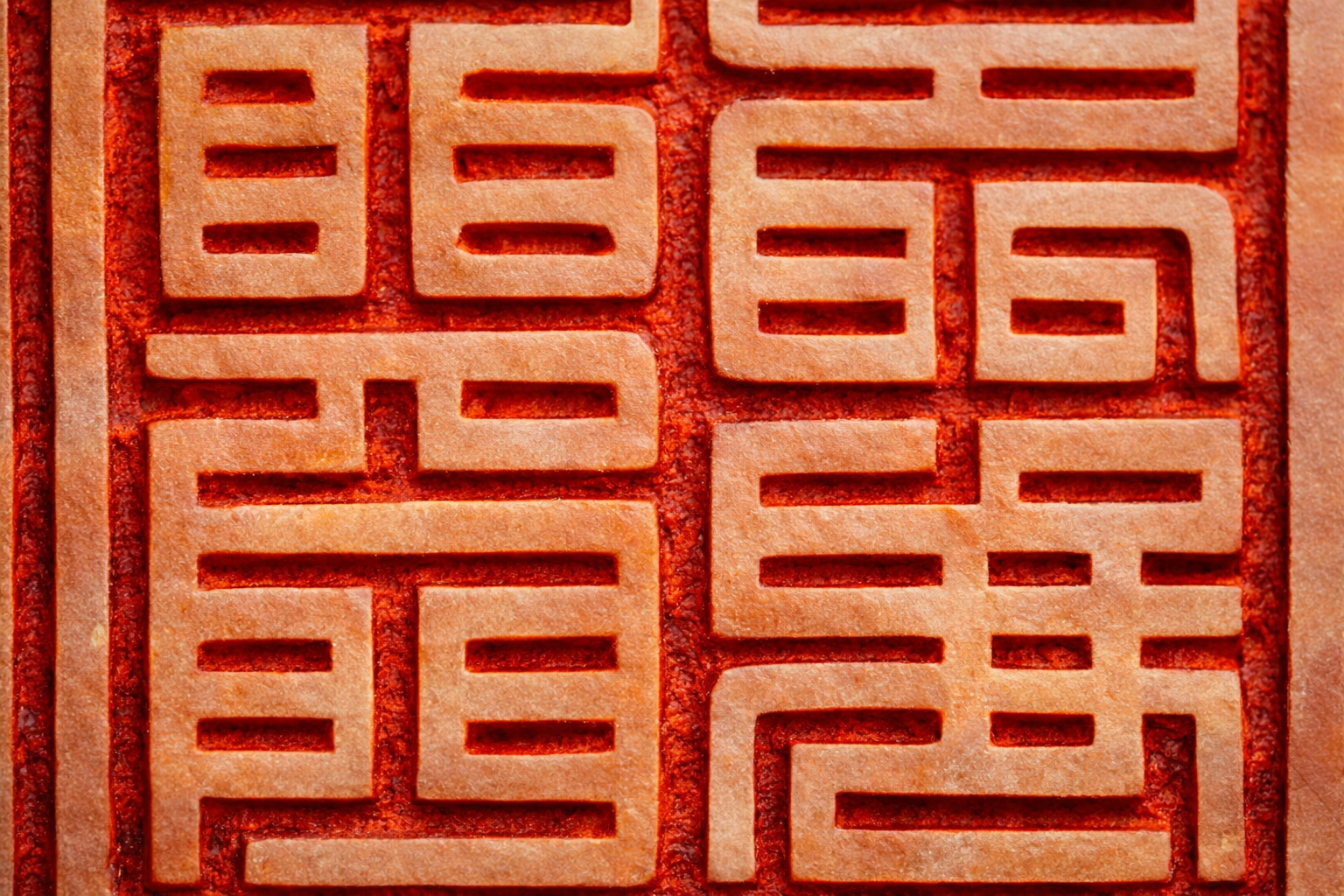
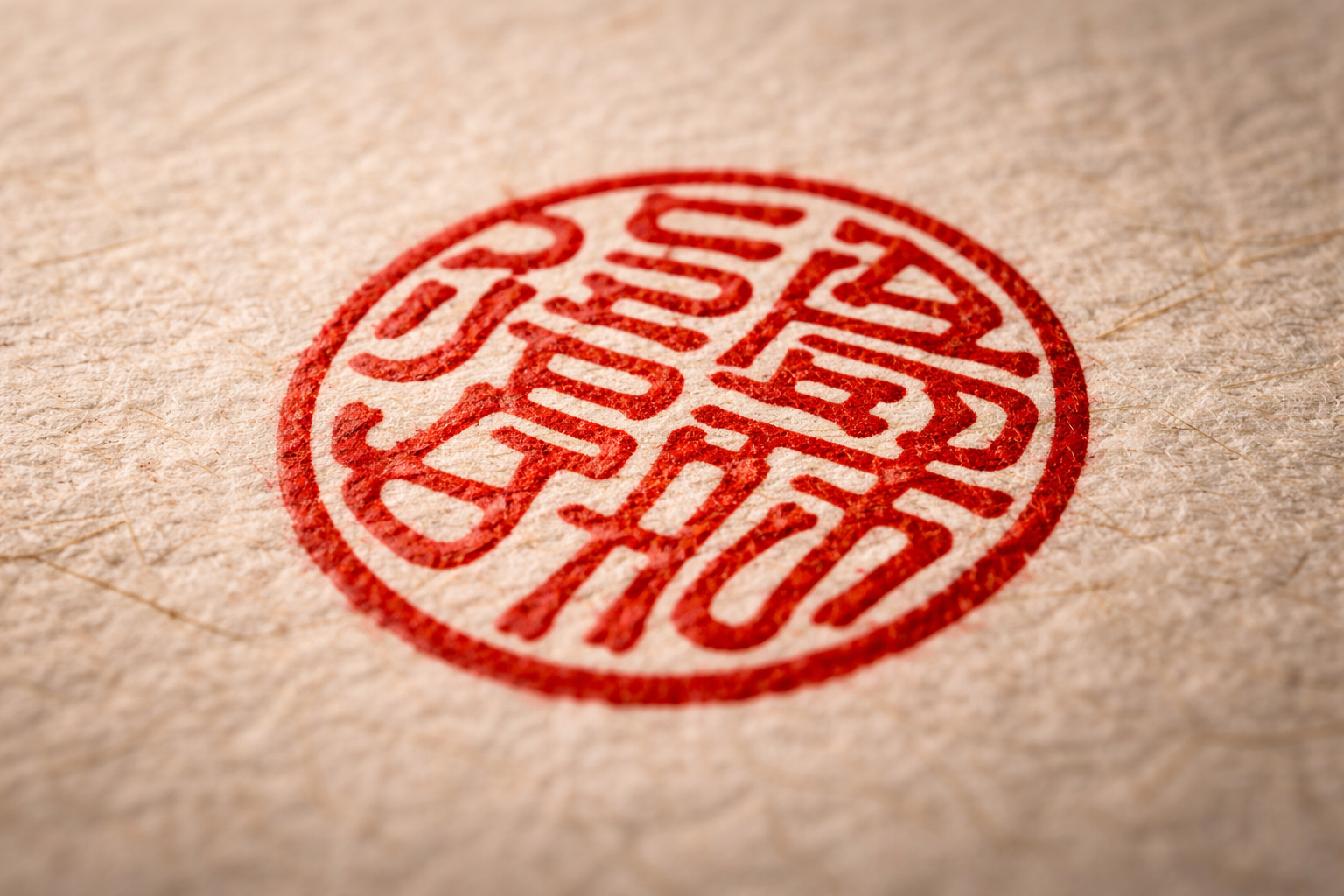
Close-up of seal script

The beauty of form itself

In Heian documentary culture, correctness and beauty often pointed in the same direction. A seal helped visually tighten and complete a document’s formal presence.

In this sense, seals were not only tools of institution, but also forms within an aesthetic order.

Heian seals supported both order and beauty

They were not the loud marks of command, but quieter marks that helped complete a document properly.

Heian seals were not yet everyday seals

There is still a clear distance between Heian seal culture and the later broad use of seals in commerce and household life.

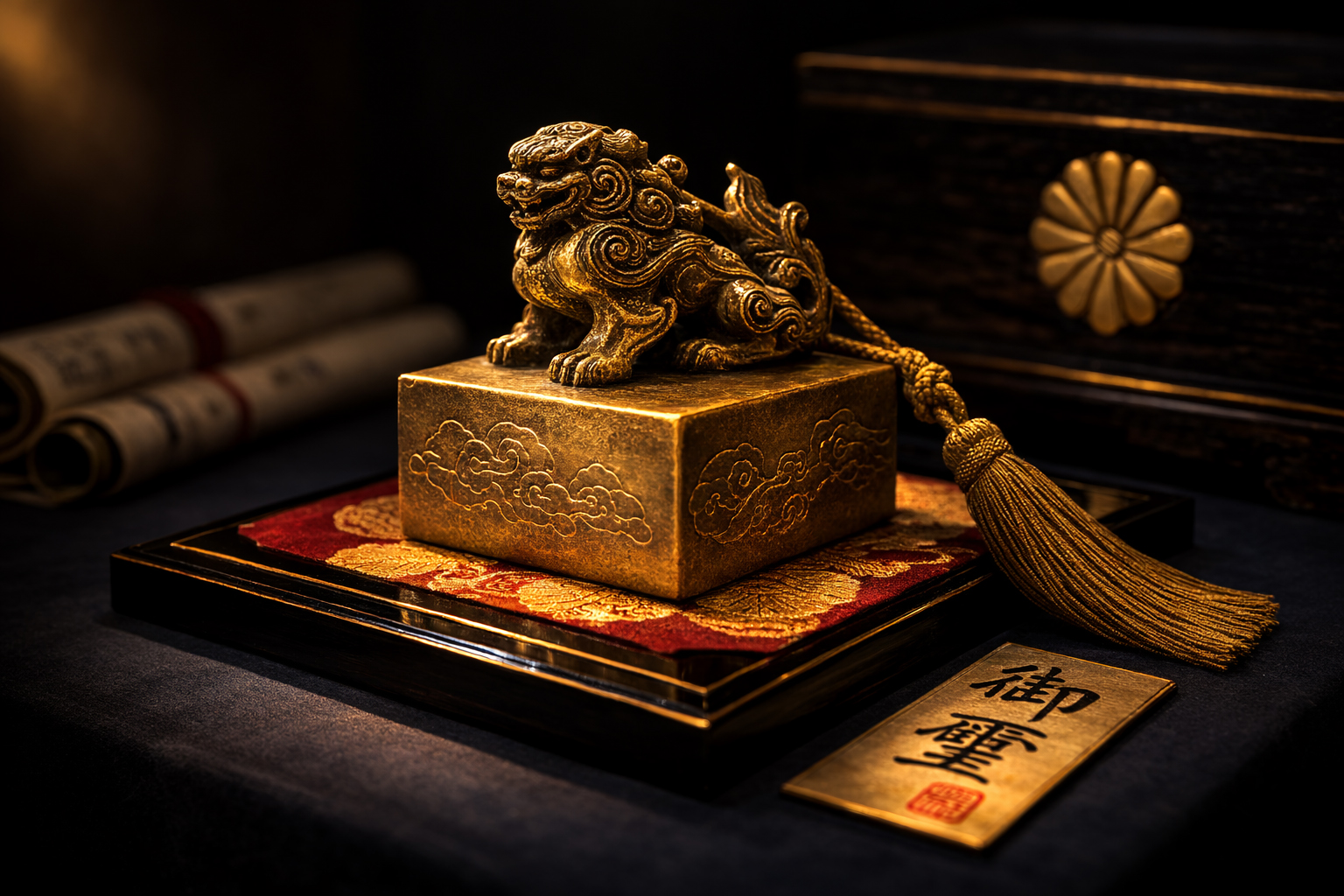
Formal official seal display

A seal within institutional space

Heian seals primarily had meaning within courtly and official systems. They belonged to a world before seals were widely socialized in everyday life.

In that sense, Heian seal culture can be read as a stage before broader social expansion.

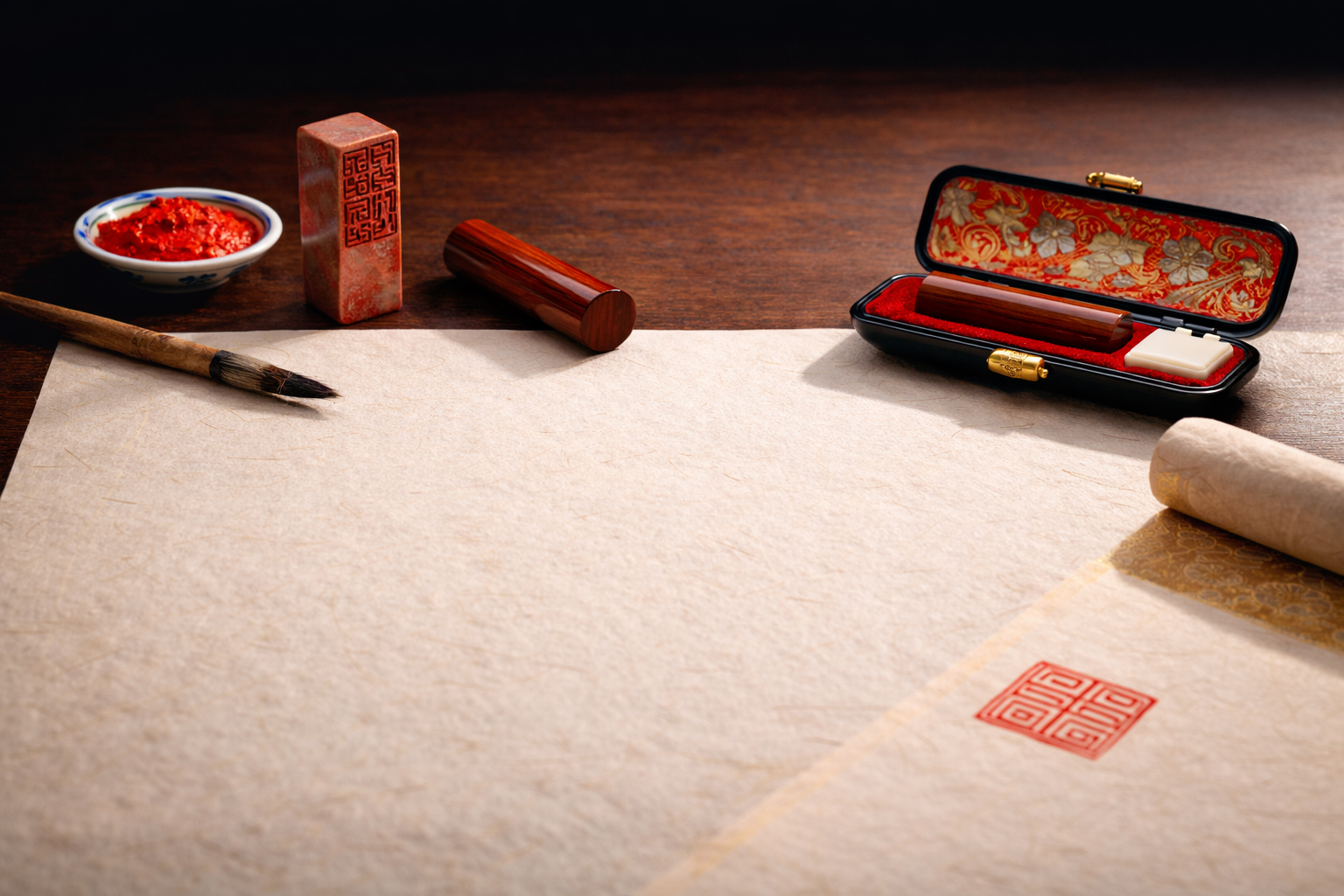
Seal casting shadow on paper

Quiet authority

Heian seals do not yet carry the urgency of later warrior command. Instead, they possess a quieter, more settled authority: one that says a document is correctly formed and properly placed.

The seal did not shout. It completed.

What Heian seals left to later Japan

Heian seal culture formed one of the foundations on which later medieval and early modern seal practice could build.

Key features of Heian seal culture

  • It belonged to courtly and official documentary order
  • It gave documents formality and legitimacy
  • It was tied to the aesthetics of writing and paper
  • It had not yet spread broadly into daily social life
  • It supported both institution and formal beauty

What it prepared for later periods

  • It fed into Kamakura medieval documentary culture
  • It formed part of the prehistory of Muromachi rakkan culture
  • It established the seal as a form-giving device in Japanese culture
  • It prepared some of the deeper logic of later warrior documents

How should we read Heian seals?

The Heian seal is best read not as a practical personal stamp, but as part of the formal completion of a document.

Heian seal culture does not yet show the wide social spread of later periods. But what it offers instead is a highly refined documentary consciousness.

A document needed not only content, but correct form, correct placement, and correct beauty. In that setting, the seal quietly helped bring the document to completion. Heian seals can therefore be seen as one of the origins of the Japanese sense that a seal gives form to what would otherwise remain incomplete.

Related pages

This page leads naturally into Kamakura medievalization, Muromachi layering, and the broader history of trust.