History Feature

Hanko and the History of Trust in Japan

The hanko was never just a substitute for a name. In Japan, it helped make authority, procedure, obligation, continuity, and reliability visible. To trace the history of the hanko is also to trace the history of how trust took form in Japanese society.

hanko.co.jp History / Feature Reading time 10–13 minutes

Trust is invisible. It lives in expectations: that a promise will be kept, that a document has been properly made, that a person really holds the office or position they claim. Every society must find ways to give these invisible things a visible form.

In Japan, one of those forms was the seal. The hanko did more than identify an individual. It came to signify official standing, commercial reliability, household formality, procedural completion, and the sense that a document had passed through the right hands in the right way.

How does trust become visible?

As societies grow, spoken promises are no longer enough. Trust needs shared forms, recognizable procedures, and visible signs.

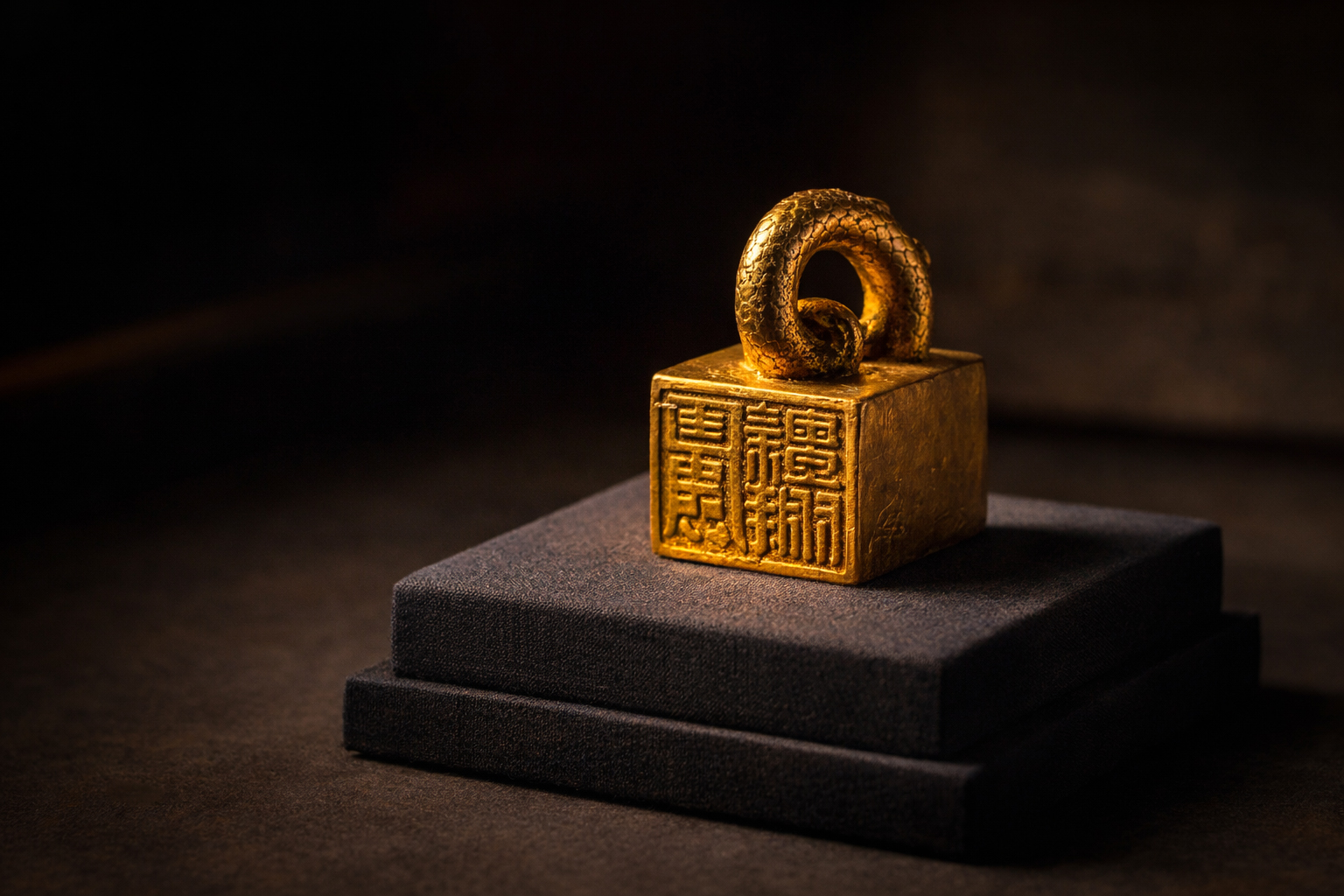
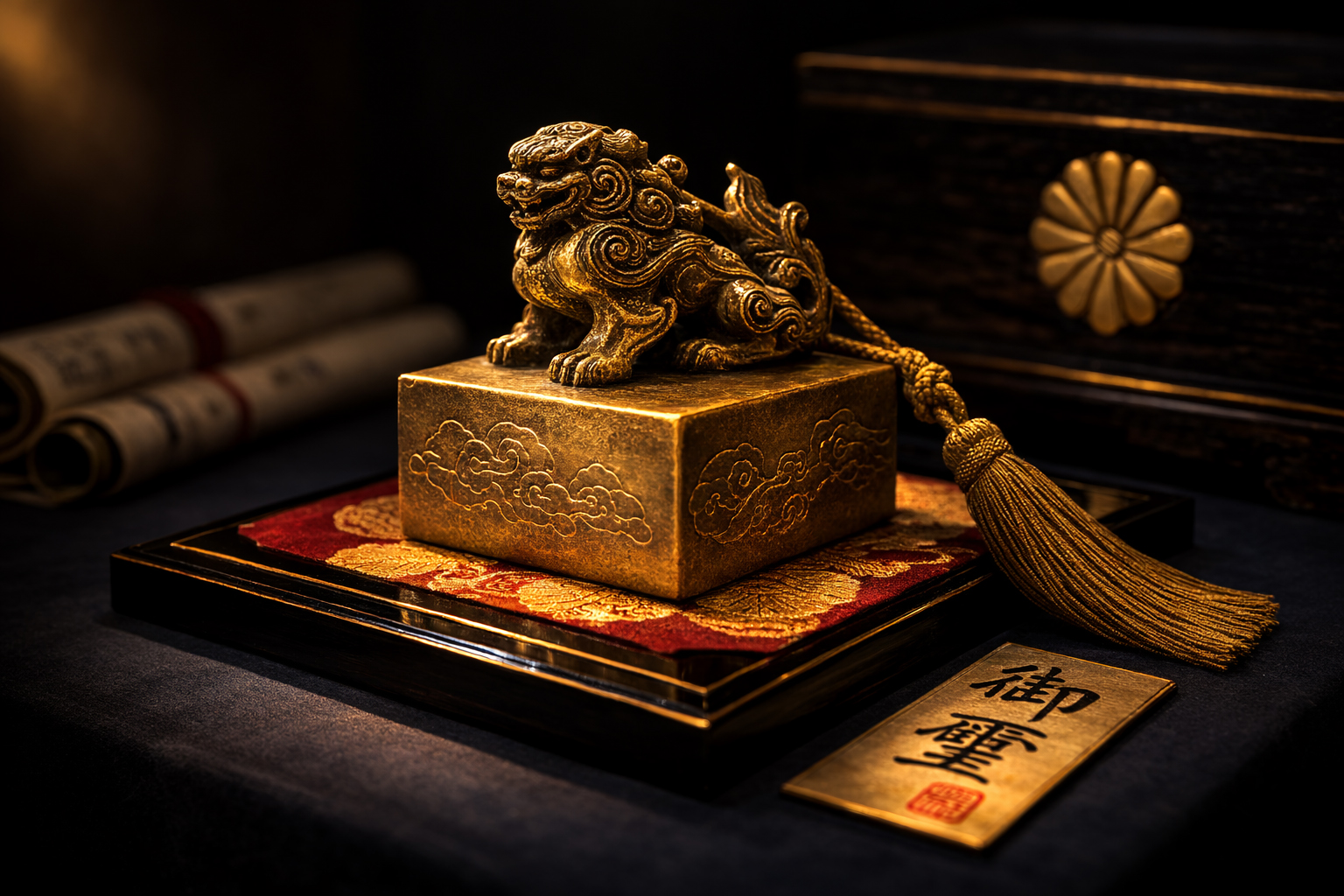
Museum-style display of an official seal

Trust first attached itself to authority

In the ancient state, trust was not primarily about personal warmth. It was about whether an act came from a legitimate source of power. A document mattered because it stood within a recognized chain of authority.

The seal was powerful in this world because it could show more than a person. It could represent an office, an institution, a delegated power, or an authorized channel of action.
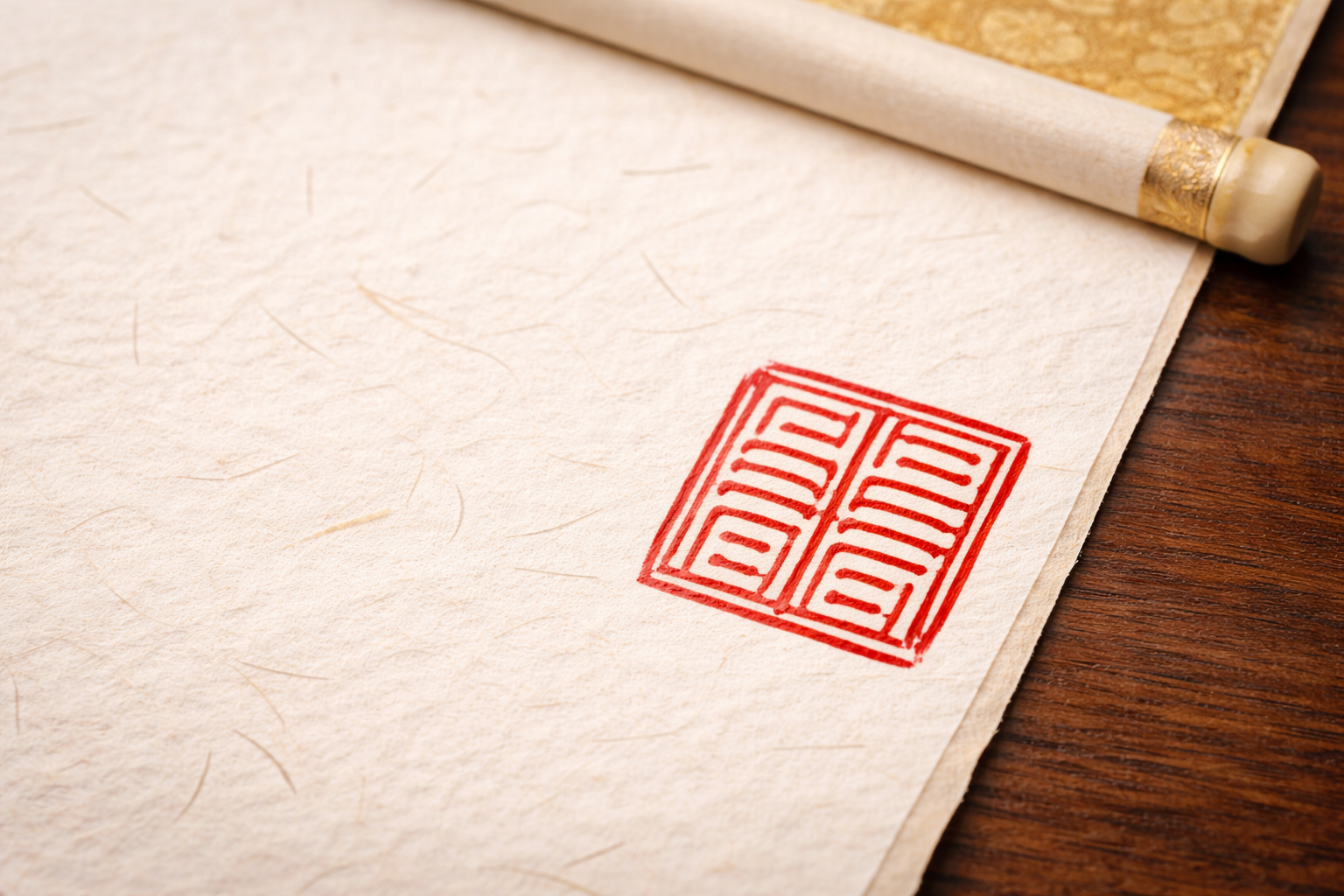
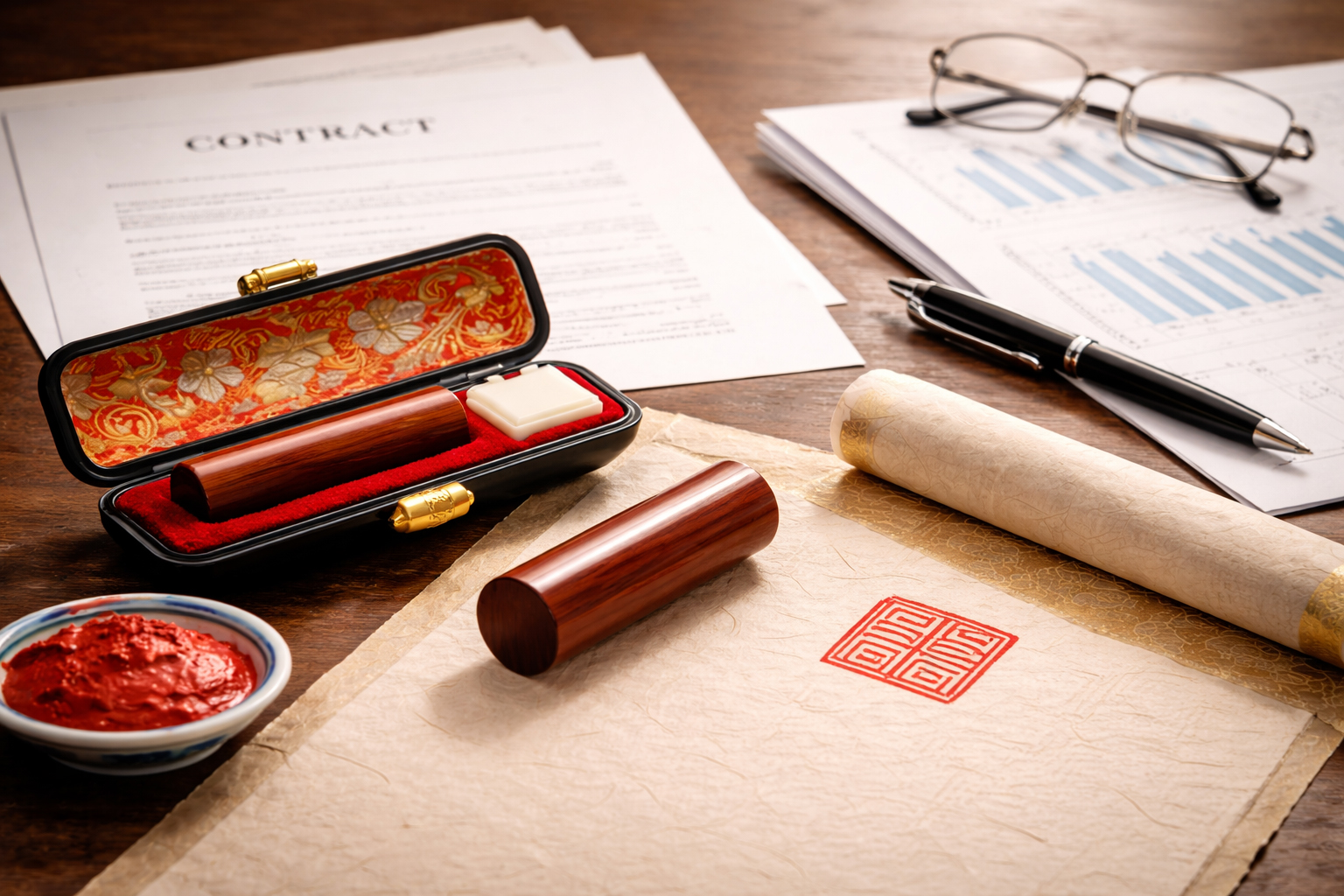
Seal impression on the edge of a document

Trust also lives in completed procedure

A document bearing a seal is not only a written sheet of paper. It often signals that a process has been completed, reviewed, approved, or brought to a formal close.

That is one reason the hanko endured. Its force was not magical. It was procedural. It marked the moment when trust became official enough to move forward.

Certainty in ancient Japan

Japanese seal culture grew in dialogue with continental institutions. In that setting, seals helped make order and legitimacy visible.

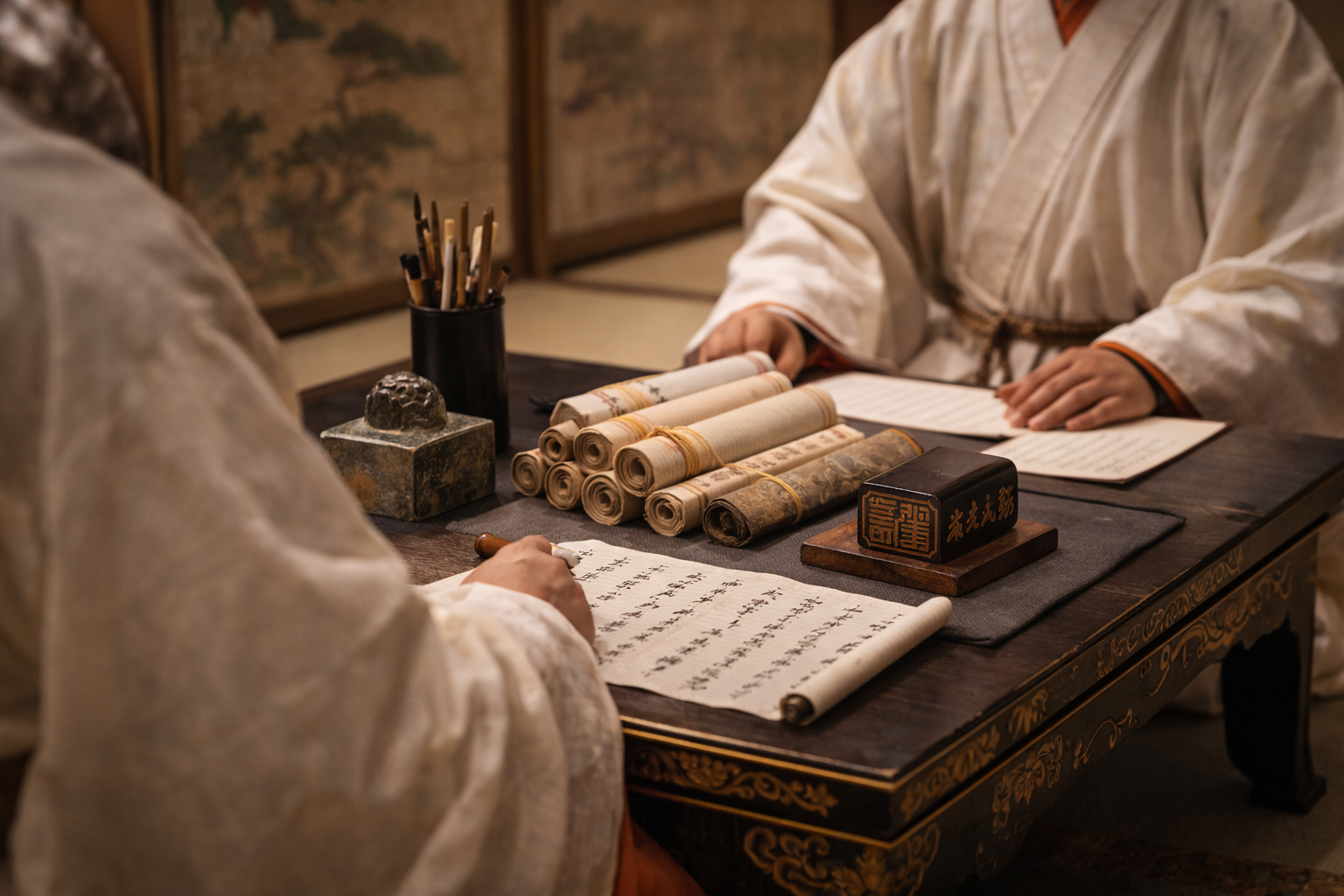
Administrative scene inspired by Asuka and Nara Japan

Institutions support trust

As the early state expanded, document exchange could no longer depend on face-to-face familiarity. A message had to remain credible even at a distance. Seals served as one of the forms that made such institutional trust possible.

It was not enough that something be written. It had to appear as a properly issued act.

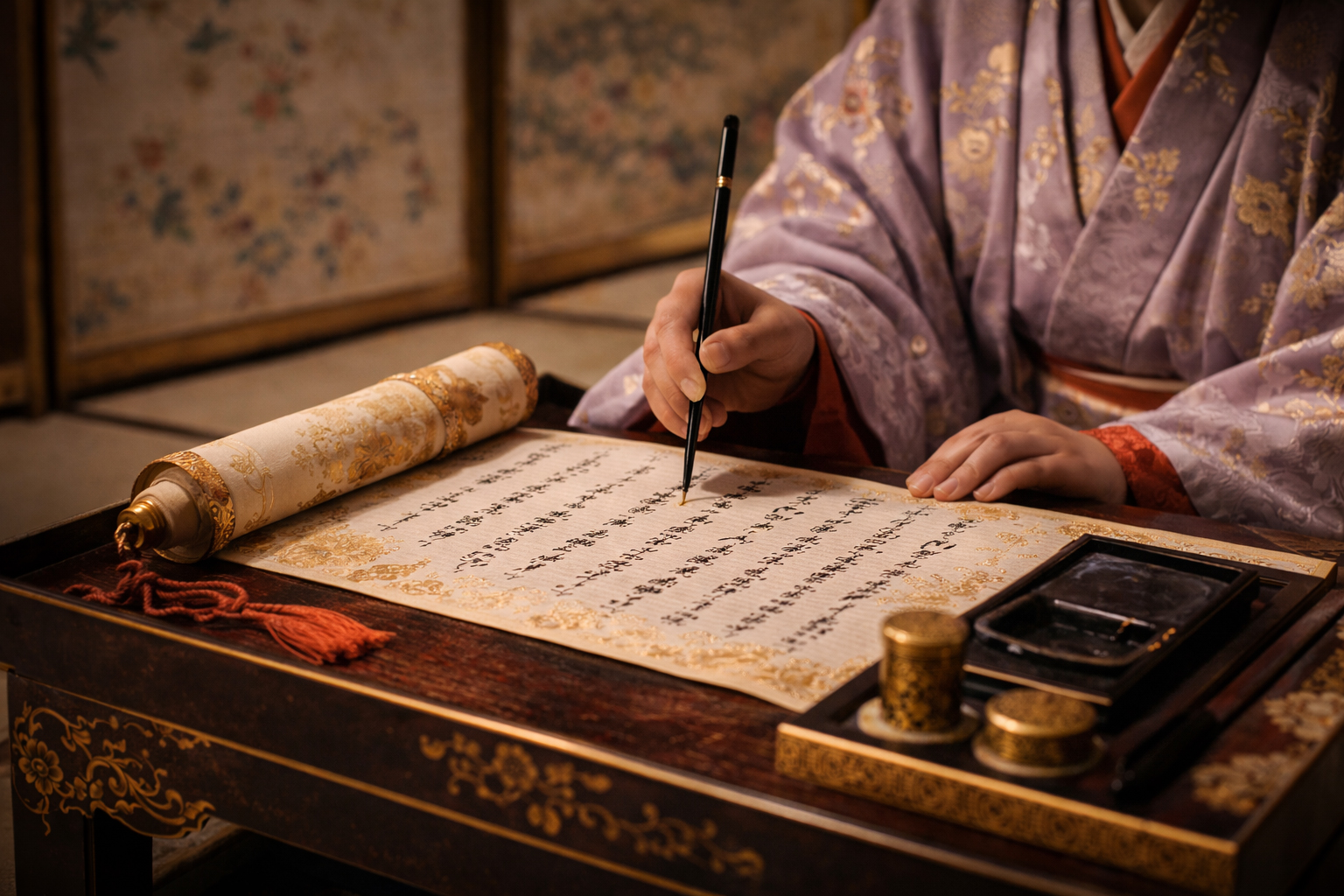
Elegant Heian-style scroll scene

Form could also carry beauty

In Japan, trust was not expressed through function alone. Writing, paper, script, and seal could also carry elegance, status, and refinement. Proper form was part of credibility.

Trust, in this sense, was cultural as well as administrative. It could be felt in style, restraint, and the disciplined beauty of documentary practice.

In Japan, trust was never only a matter of whether something was “true.” It was also a matter of whether it had been shown in the right form, in the right order, from the right place.
— hanko.co.jp historical note

Trust in warrior rule and commerce

Over time, trust moved beyond court and government. It entered orders, trade, receipts, ledgers, and everyday practice.

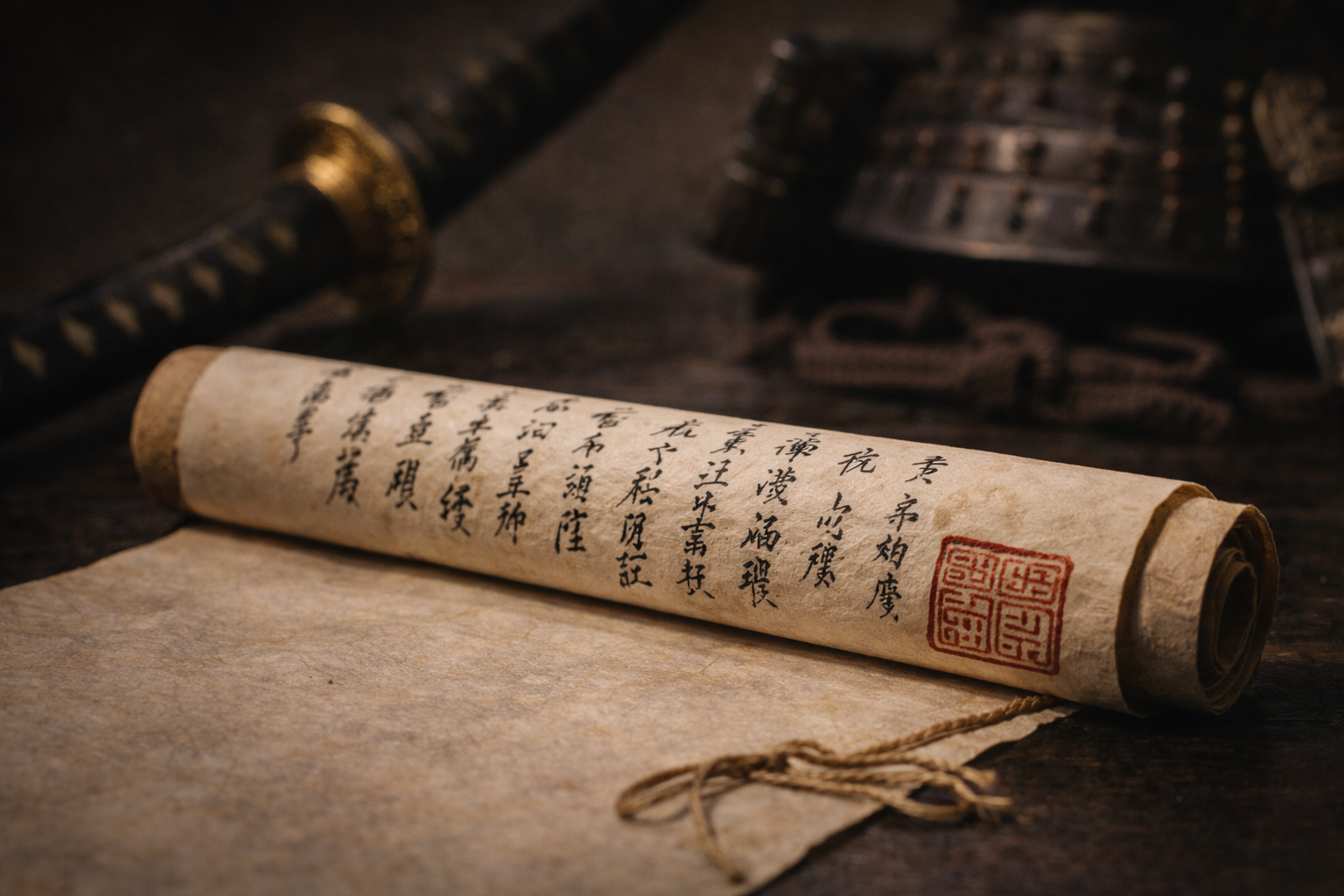
Military order scroll with seal

The trust of command

In periods of warrior rule, instructions and commands needed visible weight. A seal helped show whose will stood behind an order and why it should be obeyed.

Trust here was not gentle. It could be stern, hierarchical, and deeply tied to rule, obedience, and order.

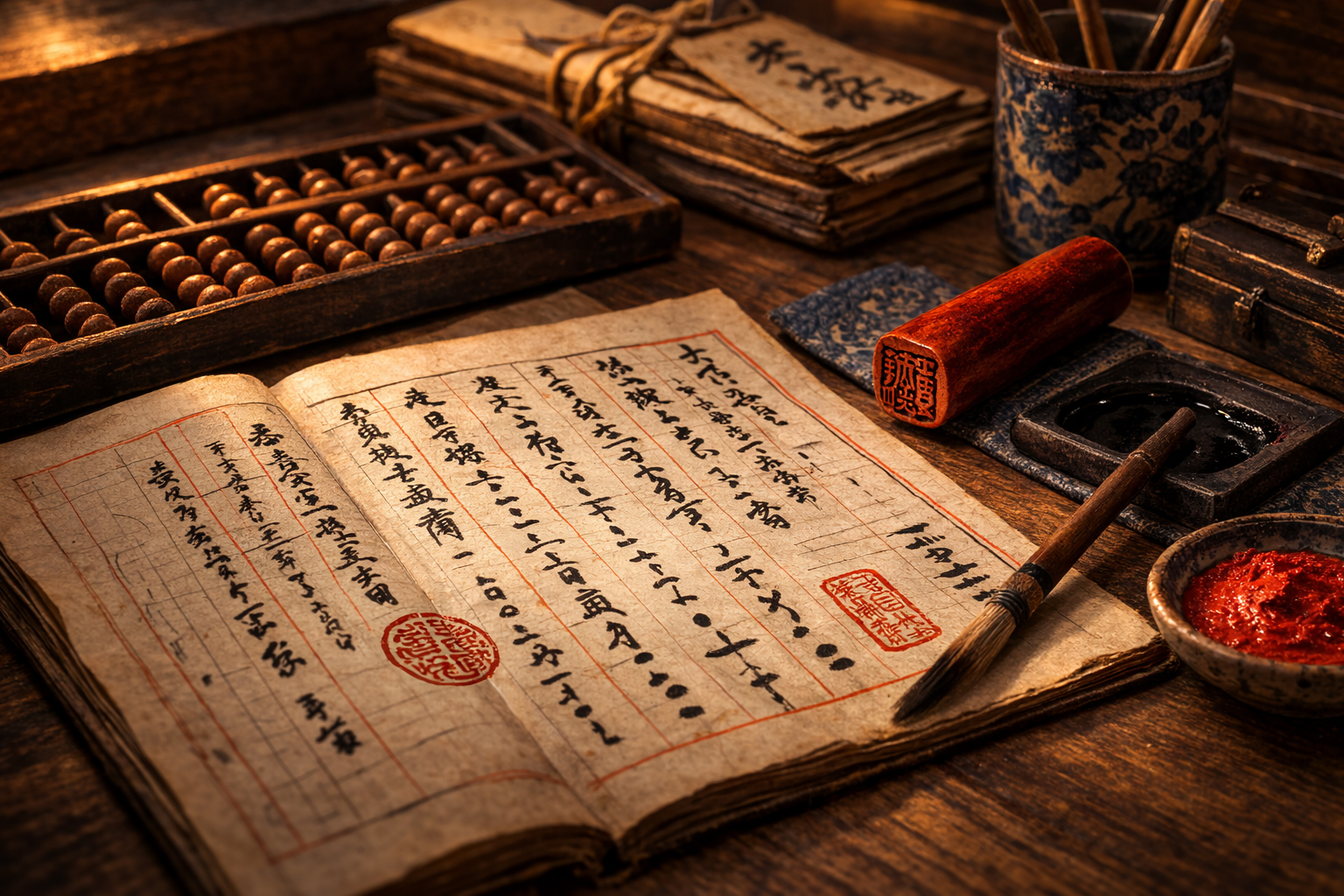
Edo merchant ledger with seal

The trust of trade

In commerce, reliability was everything. Money, goods, promises, deliveries, and balances all depended on records that others would accept.

The seal became a practical sign of continuity. It showed that the same person, shop, or responsibility stood behind a series of repeated transactions.

Trust rarely survives for long if it remains invisible

Japanese hanko culture gave trust a place to land on paper. Authority, approval, continuity, and commitment were compressed into a small but legible form.

Trust at home and in daily life

One reason the hanko endured is that it did not remain confined to the state. It entered the household, the bank, the application form, and the routine of ordinary life.

Old Japanese family desk with seal and paperwork

Household formality

A seal kept in the home was not just stationery. It was part of the household’s ability to act formally in the world. It was stored with care, brought out when needed, and used in a deliberate manner.

That rhythm itself expressed a culture of trust: trust not only in the mark, but in the seriousness of the act.

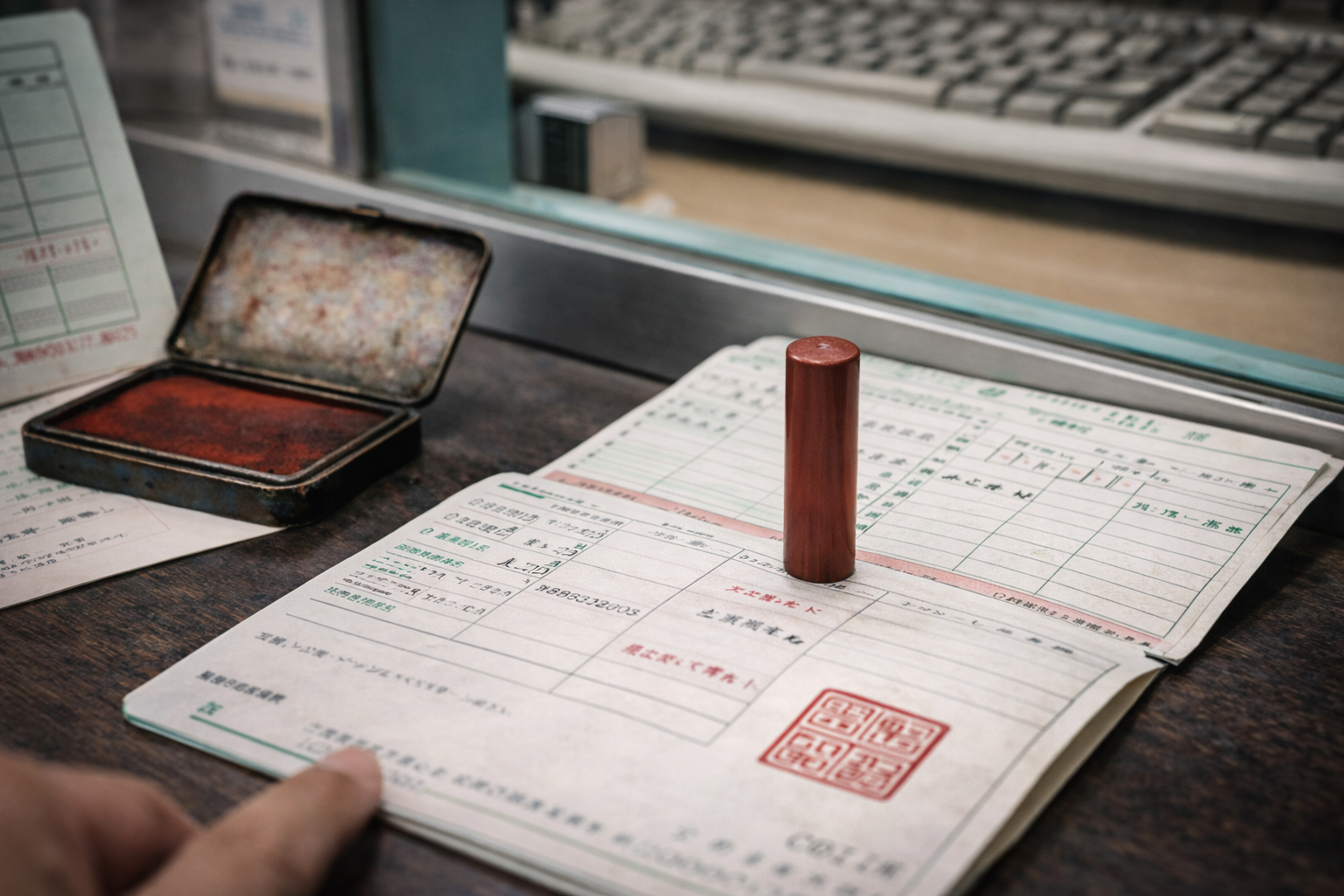
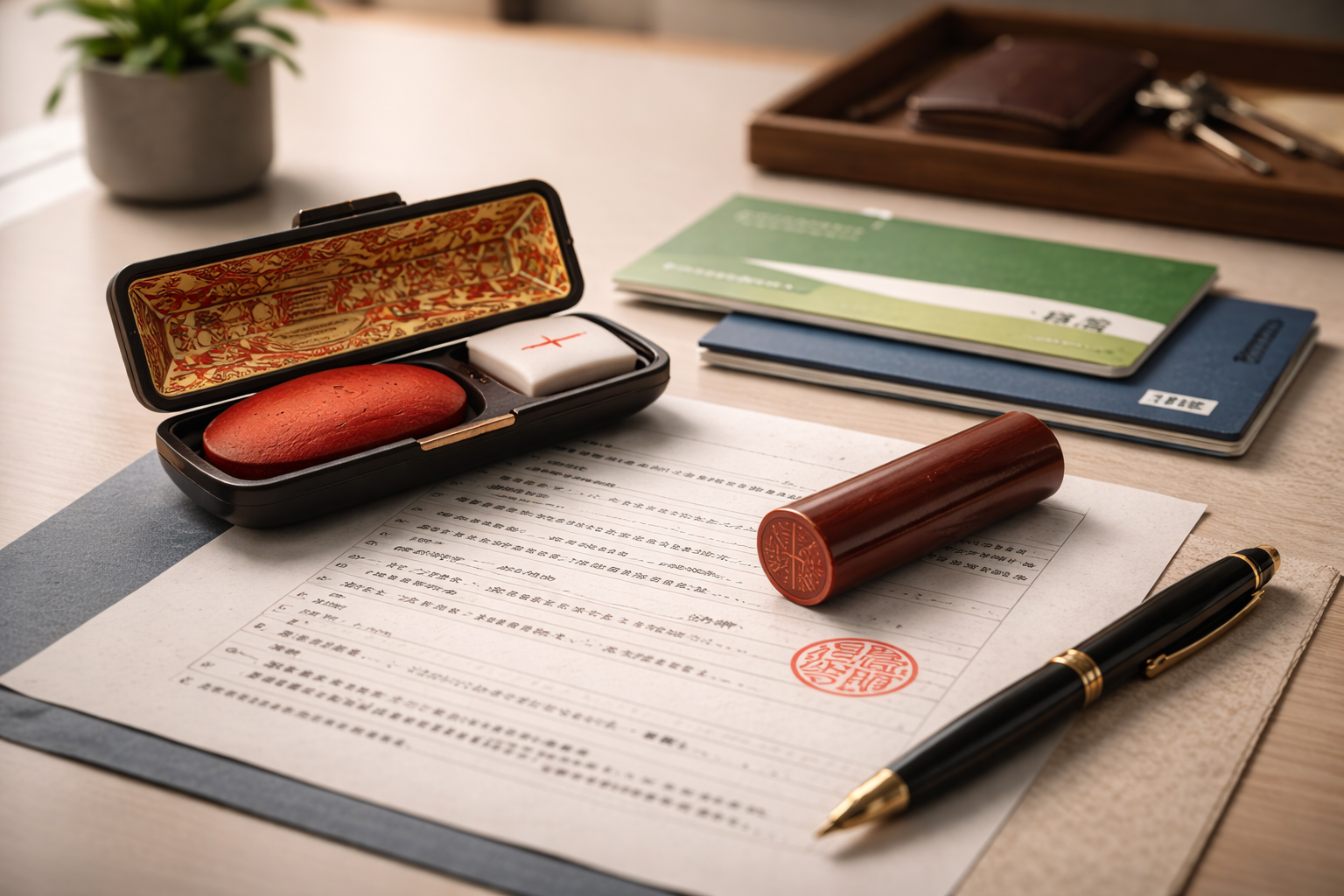
Bank-related seal scene in Japan

Everyday procedural certainty

In modern life, seals became familiar in banks, applications, receipts, and contracts. They supported not only identity, but also the feeling that a procedure had been correctly carried out.

That sense of procedural reassurance is part of the deeper history of trust in Japan.

From paper to digital: the question remains

Today, trust can also be attached to signatures, certificates, and electronic records. But the underlying question is still familiar.

Modern society asks much the same thing ancient society asked in different form: who made this act valid, under what authority, through what recognized procedure?

That is why the history of the hanko does not simply end. It becomes part of a longer Japanese history of making trust visible, transferable, and legible across distance and time.

Related pages

This topic connects naturally to the broader history of the hanko, its relationship to signatures, and the modern system of registered seals.