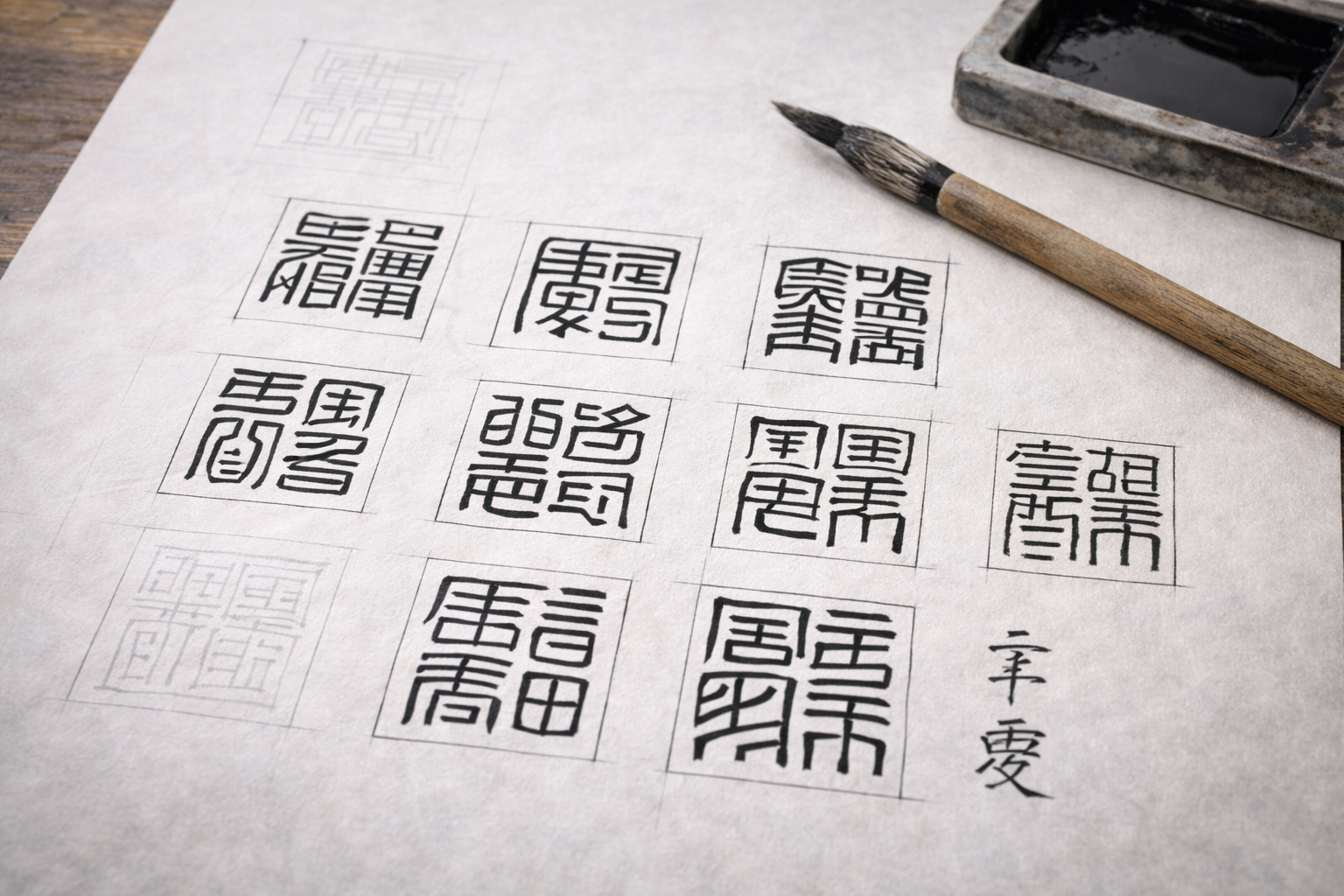
History Feature

The History of Signatures vs Seals in Japan

Japan did not move through history by choosing one forever: signature or seal. Instead, handwritten names, written attestations, official seals, personal marks, and institutional authority developed together. The result is not a simple victory of ink over handwriting, but a long and fascinating coexistence.

hanko.co.jp History / Authority Essay Reading time: 9–12 minutes

To understand signatures and seals in Japan, it helps to step away from the modern idea that one must naturally replace the other. In Japanese history, seals were closely tied to office, legitimacy, rank, transaction, and formality. Written names and handwritten confirmations also existed, but they did not always carry the same social or legal force.

Over time, seals became deeply embedded in administration, diplomacy, commerce, and household life. Yet signatures never vanished. In some contexts, written names remained essential. In others, seals signaled authority more powerfully than handwriting. Some important modern records even preserve both: signature and seal in the same act.

Why seals became so powerful

A seal can stand for more than identity. It can represent office, institution, delegated authority, continuity, and the visible completion of a formal act.

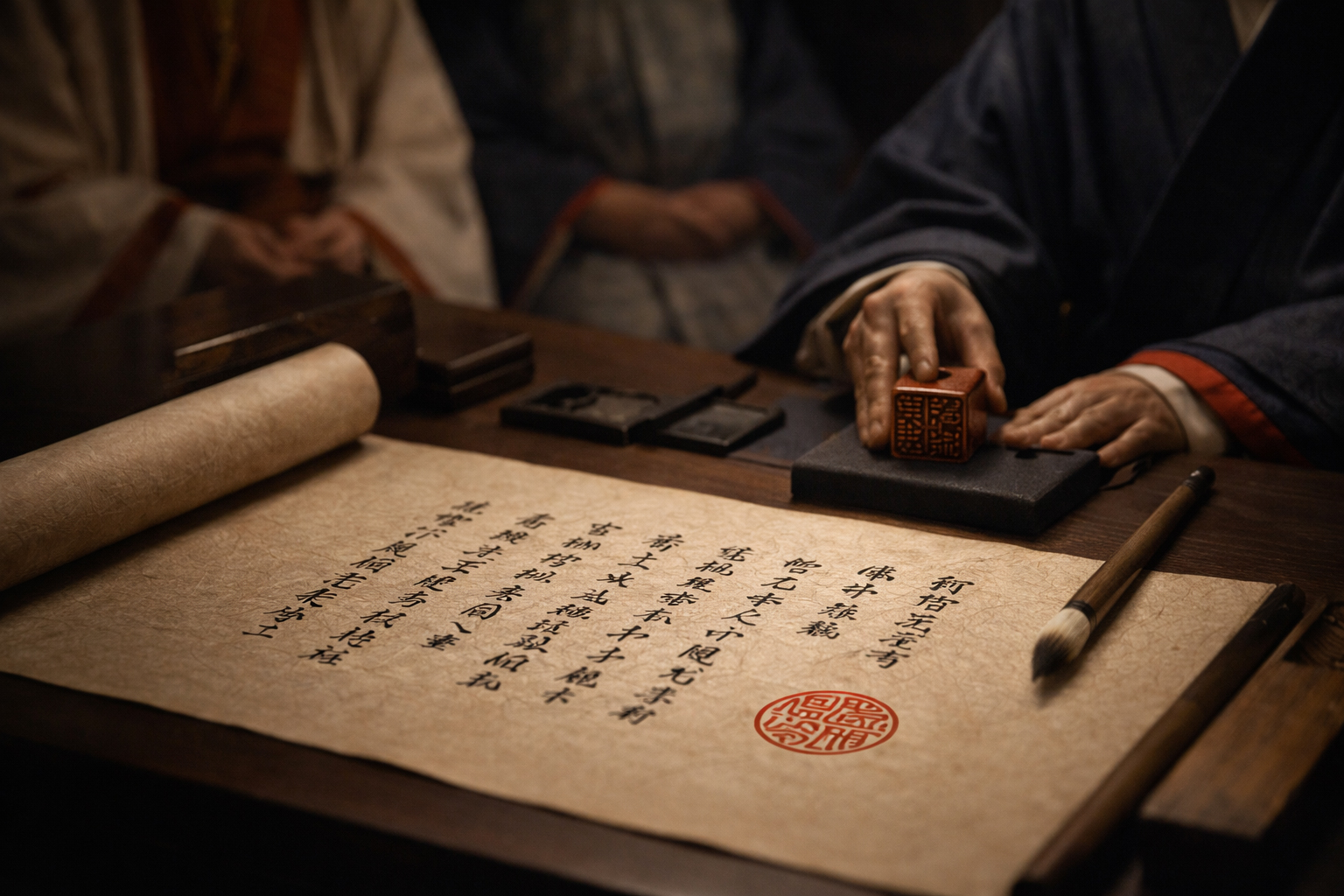
Classical document scene with seal and writing tools

Seals signaled office

In early and medieval Japan, seals were especially suited to government and elite administration because they attached action to rank. A written hand could identify a person; a seal could identify an office, a line of authority, or an approved channel of action.

That distinction matters. A signature can be intimate and personal. A seal can be impersonal in a useful way: it can indicate that an action is valid not merely because one human wrote it, but because recognized authority stands behind it.
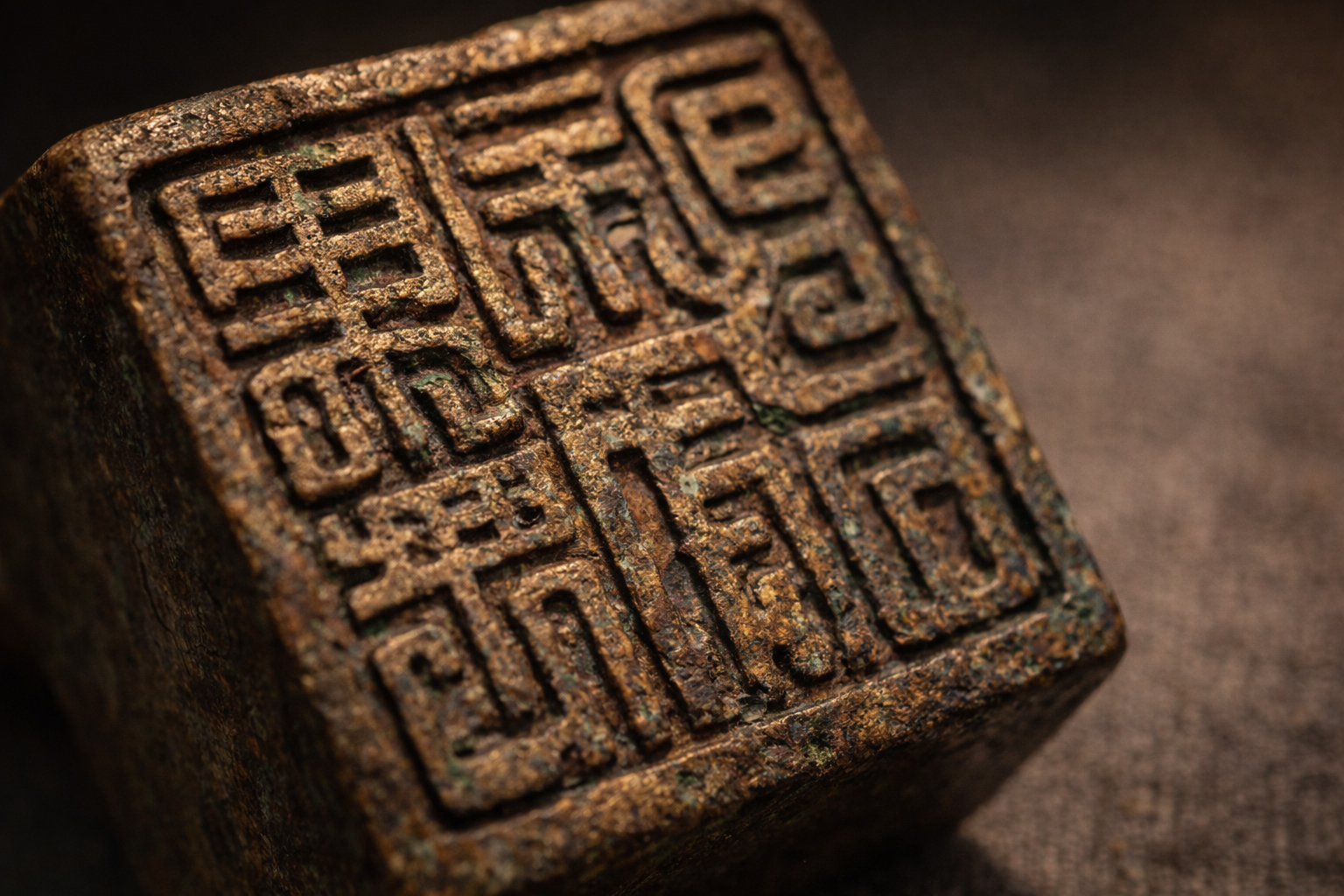
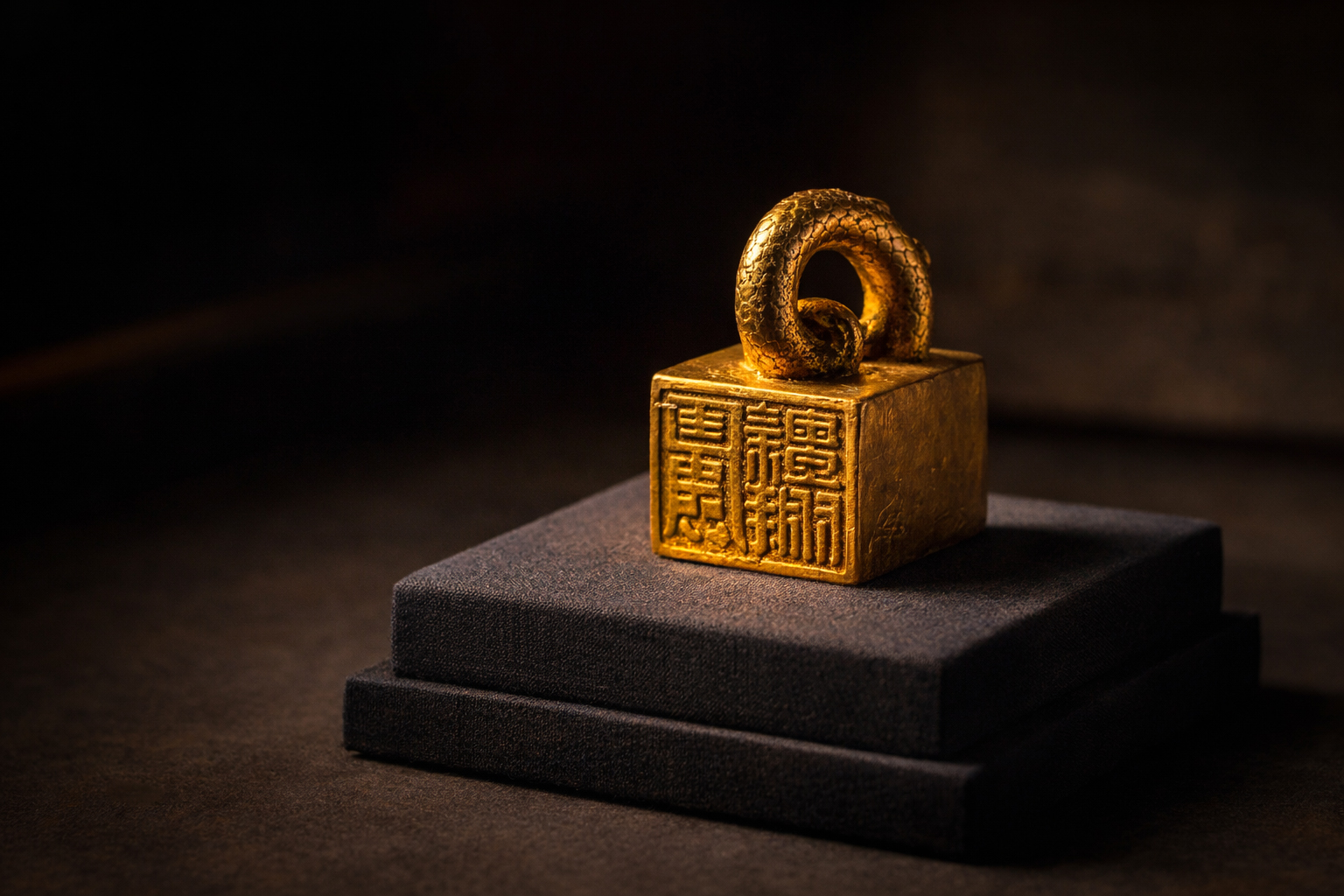
Ancient bronze seal close-up

Seals were durable and repeatable

A seal also offered practical advantages. It could reproduce a recognizable mark with consistency, survive repeated use, and carry symbolic weight across documents, inventories, permissions, and trade records.

In this sense, the seal was never just decoration. It was a compact technology of recognition. Its authority came not only from the mark it made, but from the system of trust in which that mark operated.

A timeline of coexistence

The relationship between signature and seal changed over time, but the most important word is still coexistence.

Early state formation

Imported authority

Seals fit naturally into courtly and administrative systems shaped by continental models.

Classical to medieval

Office before individuality

Official validity often depended more on recognized authority than on a personal handwritten flourish.

Warrior and merchant eras

Practical expansion

Seals traveled beyond court life into military order, trade, account books, and household records.

Modern Japan

Signatures persist

Written names remained meaningful, especially where personal assent mattered, but seals stayed central in formal procedure.

Today

Parallel forms of proof

Signature, seal, and digital methods now all exist in overlapping legal and social space.

In Japan, the contrast was never simply “handwritten name versus stamp.” The deeper question was always: what kind of authority is being made visible here?
— hanko.co.jp historical note

Signature and seal did different work

One of the easiest mistakes is to assume that signatures and seals were identical tools competing for the same job. They often were not.

What a signature tends to emphasize

  • Personal assent
  • Individual handwriting
  • The visible act of writing one’s own name
  • A direct sense of personal presence
  • Variation from one act to the next

What a seal tends to emphasize

  • Recognition through a fixed mark
  • Formality and completion
  • Institutional or registered identity
  • Continuity across repeated transactions
  • Authority that may exceed the merely personal

From courtly record to everyday life

The more seals moved into trade, accounting, family paperwork, and banking, the more they became part of daily Japanese habit rather than a purely elite technology.

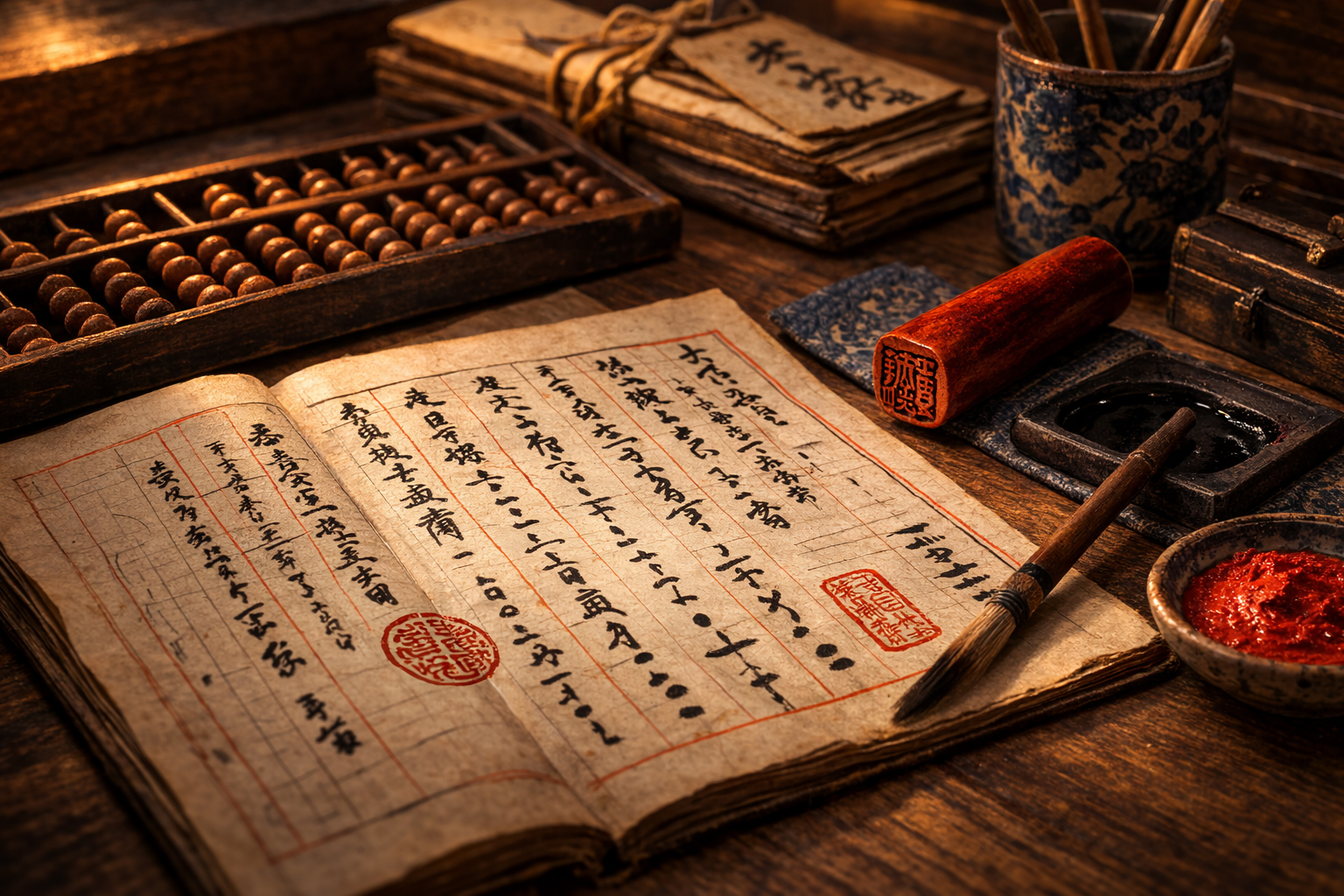
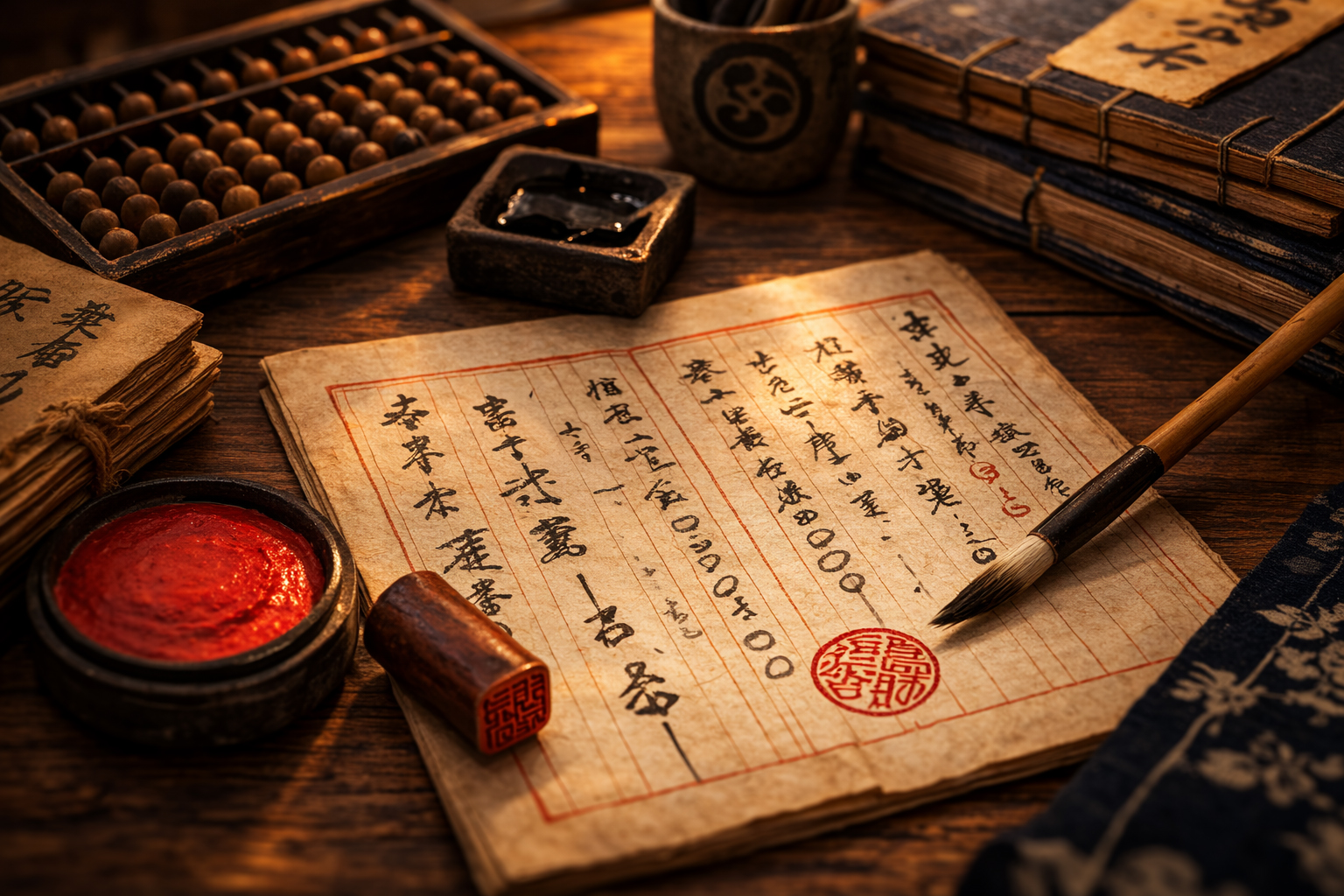
Edo merchant ledger with seal and brush

Merchants and account books

By the early modern period, seals and written records were often companions. Ledgers, orders, receipts, acknowledgements, and business memoranda could combine writing and stamping in ways that made practical sense.

A document written by hand could still gain a different weight once sealed. The seal did not erase the writing. It completed it.

Family desk in old Japan with household papers and seal

The household seal

Once seals entered the sphere of family life, they became more than a tool of the state. They became objects of routine trust: kept at home, stored carefully, used when practical life demanded formality.

This domestic familiarity is one reason seals survived so long. They were not only imposed from above. They were woven into ordinary life.

The long Japanese habit of layered proof

A written name could matter. A seal could matter. Together, they could matter even more. Japan’s documentary culture often preferred accumulation of proof over a single symbolic form.

Modern Japan did not erase either form

In modern life, seals remained powerful in banking, registration, property, business, and office procedure, while signatures also retained a place in many transactions.

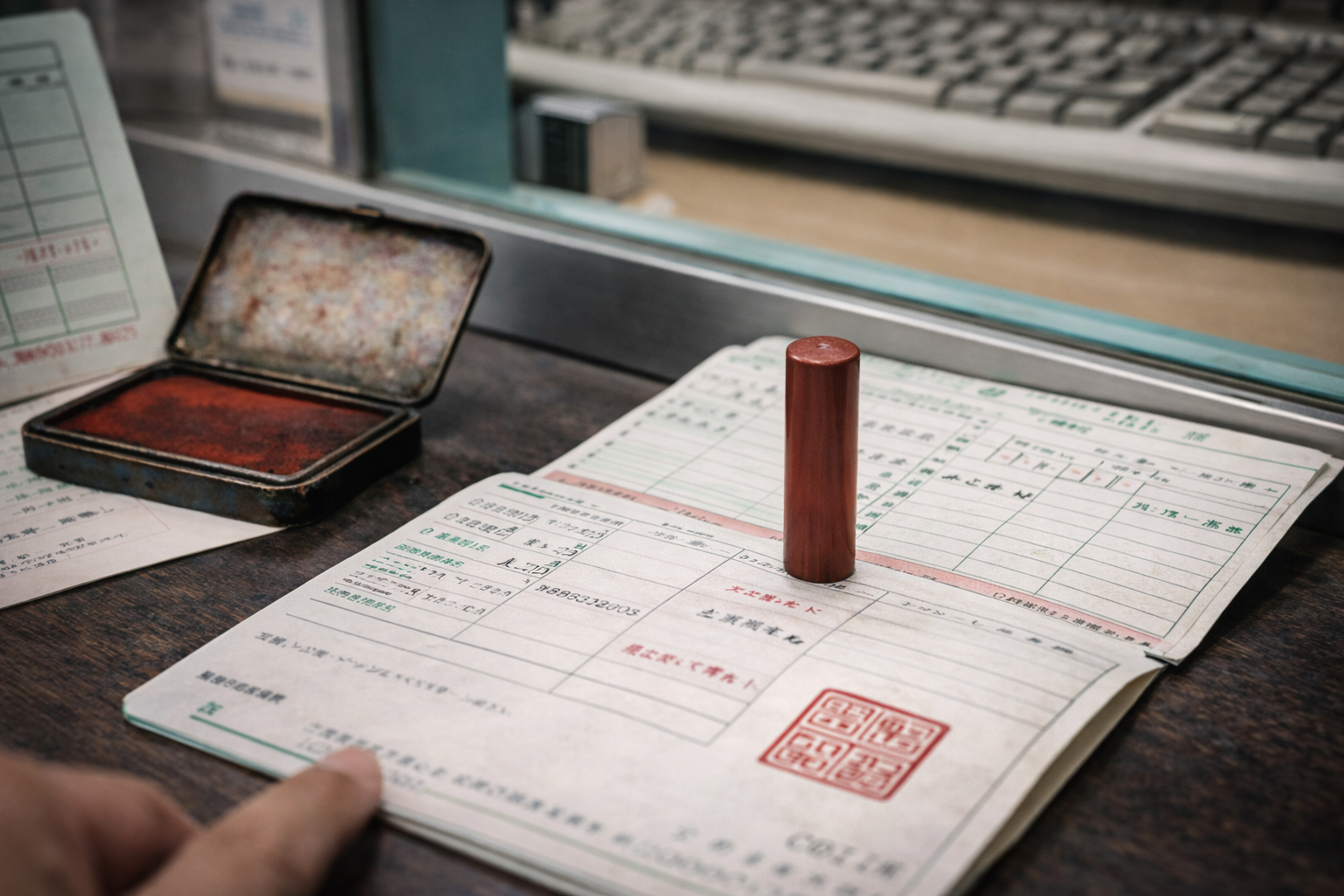
Japanese bank counter paperwork with hanko

The seal as institutional habit

Banking and administrative life helped preserve the practical importance of the seal. Even when handwritten names were possible in some settings, the seal often remained the more expected visual signal of formal completion.

It is one thing for a society to know signatures. It is another for institutions to normalize seals as the smoother path of proof.

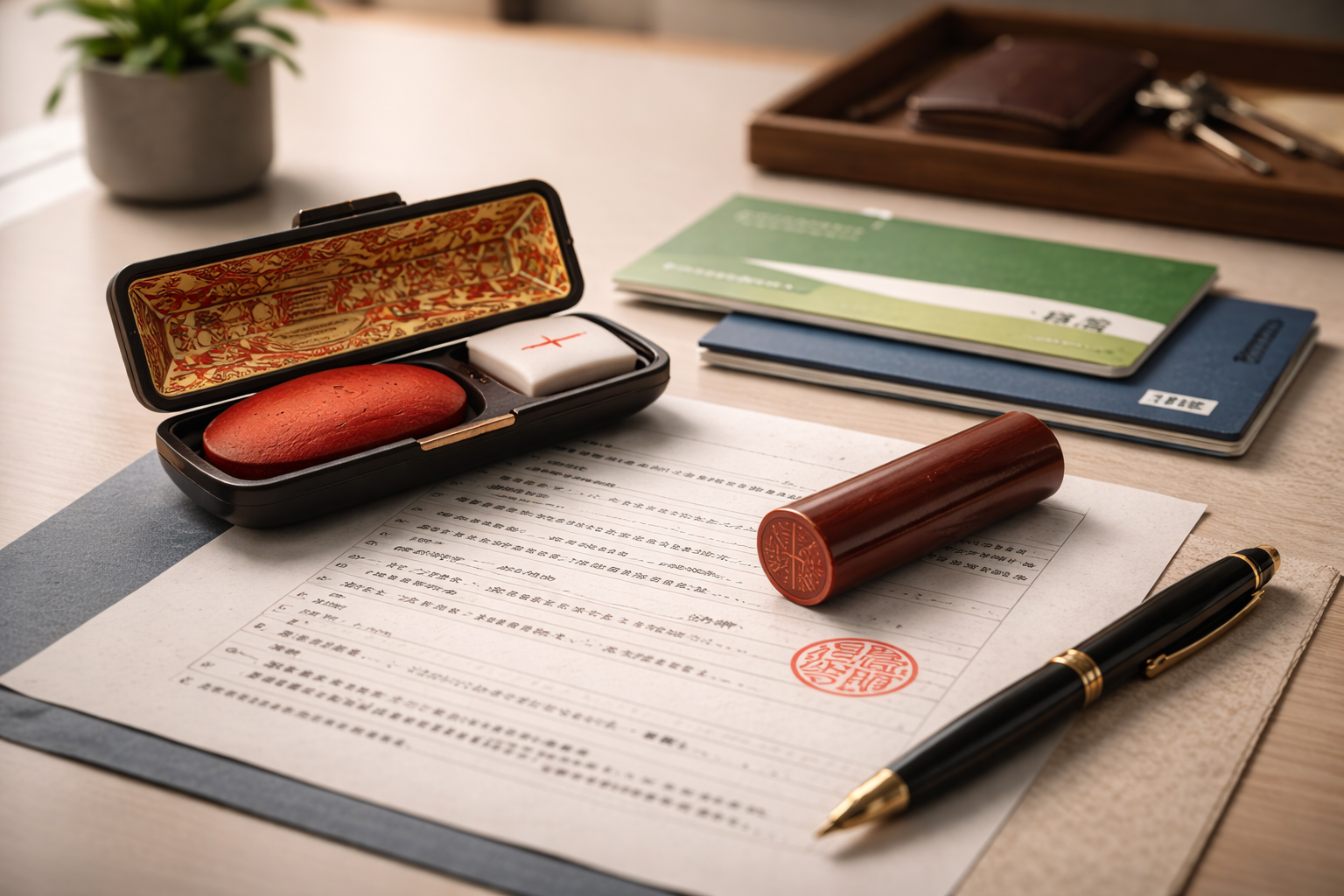
Modern real estate signing desk with contract papers and hanko

Why the comparison still matters

The signature-versus-seal question still appears today because people often assume the two are cultural opposites. Historically, that is too simple. Japan developed a documentary world in which the two forms could overlap, reinforce each other, or serve different ends.

That is why the story remains so rich: it is not the story of replacement, but of balance.

What this means historically

The best historical reading is not that Japan preferred one universal form forever. It is that different kinds of proof were assigned different cultural weight.

A signature makes the body visible through handwriting. A seal makes authority visible through form. Those are not identical ideas, and they do not carry the same emotional or legal force in every society.

In Japan, seals came to express more than a person’s name. They signaled the completion of procedure, the recognition of office, the weight of institution, and the seriousness of the act. Handwritten names still mattered, but often within a different symbolic register.

That is why the history of signatures versus seals in Japan is best written not as a duel, but as a dialogue.

Related pages

Build this article into a larger history cluster so readers can move from broad theory to specific eras, objects, and practices.