History Feature

Seals in the Muromachi Period

Seals in the Muromachi period did not belong to only one world. They mattered in warrior documents, in temple and Zen culture, in the artistic practice of rakkan seals on painting and calligraphy, and in documents of trade and diplomacy. Muromachi seal culture was not yet the fully socialized everyday seal culture of later centuries, but it was a crucial period in which seals became more varied, more layered, and more deeply rooted in medieval Japanese life.

hanko.co.jp History / Feature Reading time 9–12 minutes

The Muromachi period was shaped by overlapping orders: court tradition, warrior authority, temple institutions, Zen aesthetics, regional powers, and external trade. Unsurprisingly, the meaning of the seal was equally layered.

In one setting, a seal marked documentary authority. In another, it completed a work of art. In yet another, it helped a document travel credibly across political or geographic distance. Muromachi seals stand at the border of administration, culture, practice, and aesthetics.

Seals mattered in warrior documents

In the Muromachi world, documents were central to rule, recognition, and formal relations.

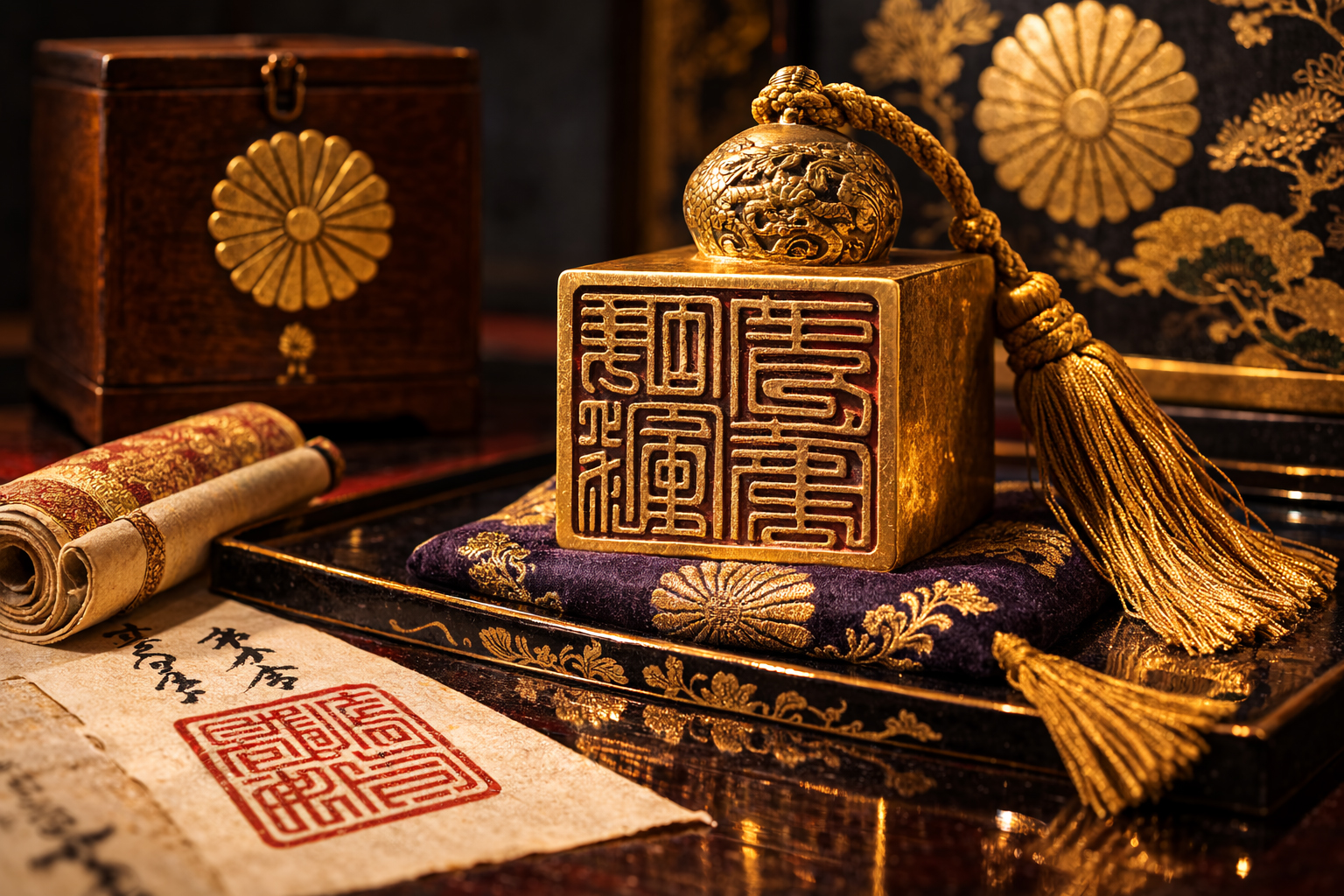
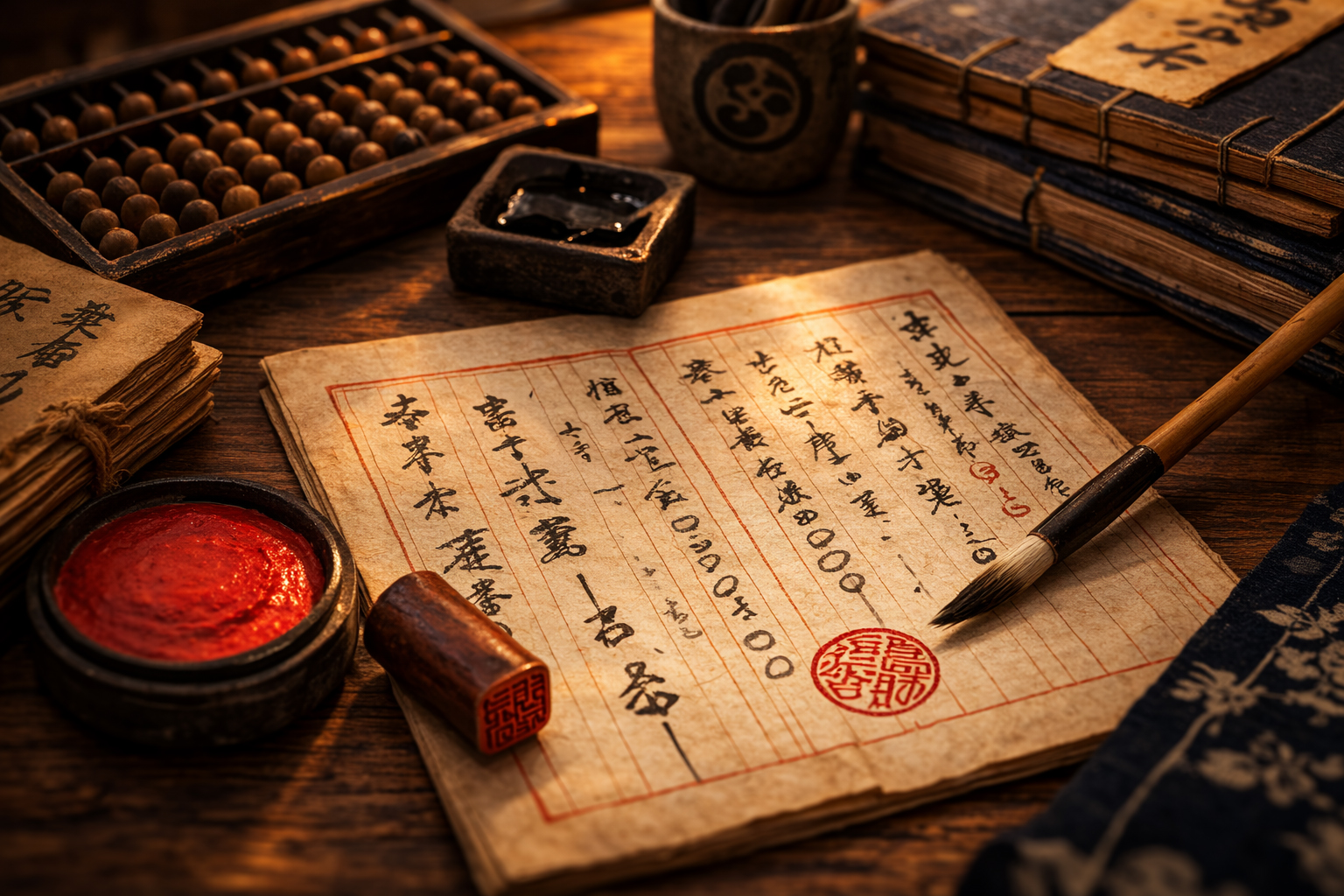
Medieval document table with seal

The form of medieval documents

In Muromachi warrior society, acts of command, notice, confirmation, and guarantee were deeply tied to documentary form. It was not enough for a document to be readable. It had to be recognized as properly issued.

Seals helped supply that formal force. With a seal, a document could carry a stronger public weight than words alone.
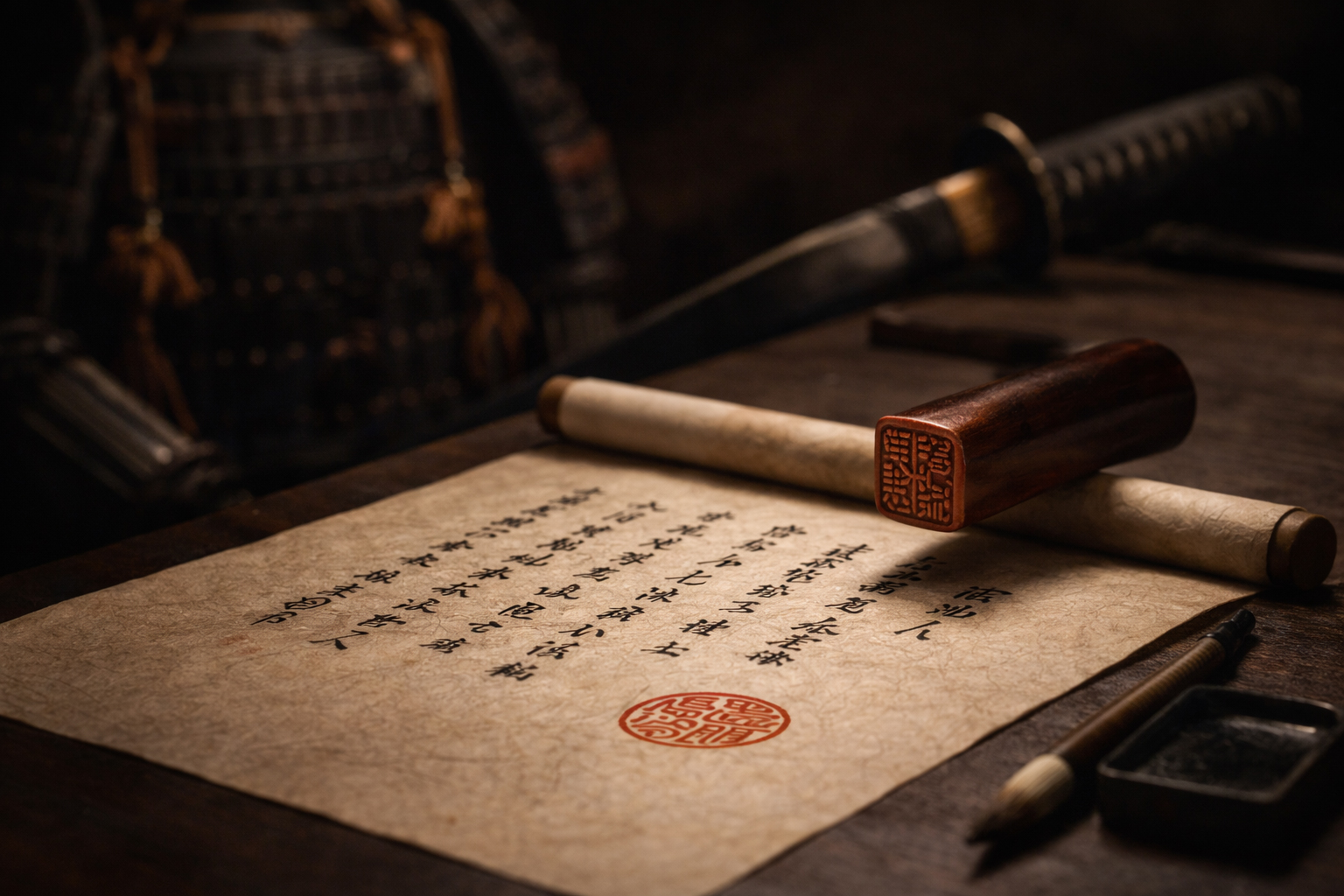
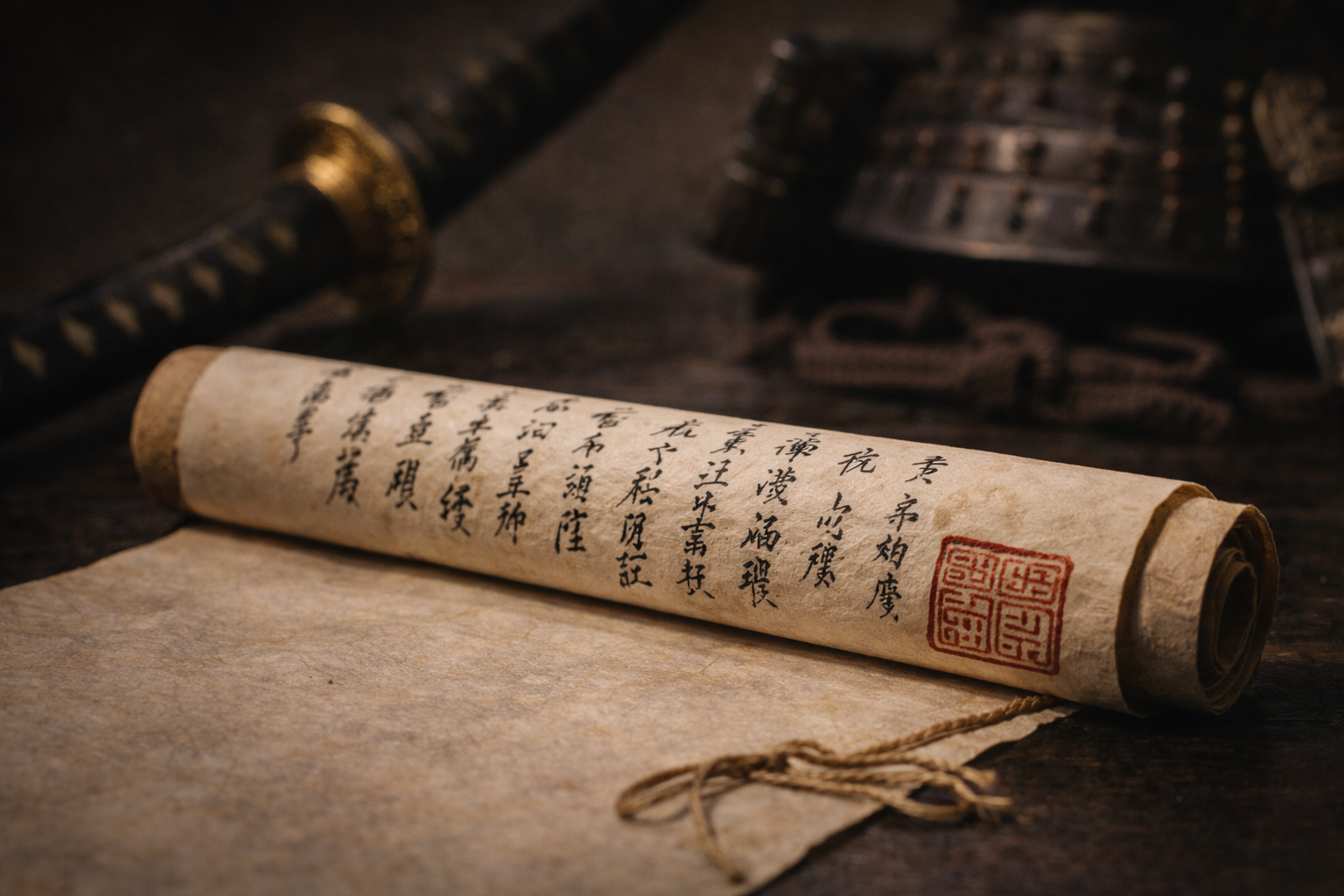
Warrior document with seal

Showing whose authority stood behind it

A seal in Muromachi documents often did more than point to a person’s name. It indicated the place from which that document spoke: a warrior lord, an office, or a recognized source of authority.

In this way, the seal helped fix relations of power and legitimacy onto paper.

In the Muromachi period, the seal was still less an everyday personal mark than a sign of what world a document belonged to.
— hanko.co.jp historical note

Zen, literati culture, and the spread of artistic seals

One of the most distinctive aspects of Muromachi seal culture lies on the artistic side of Japanese life.

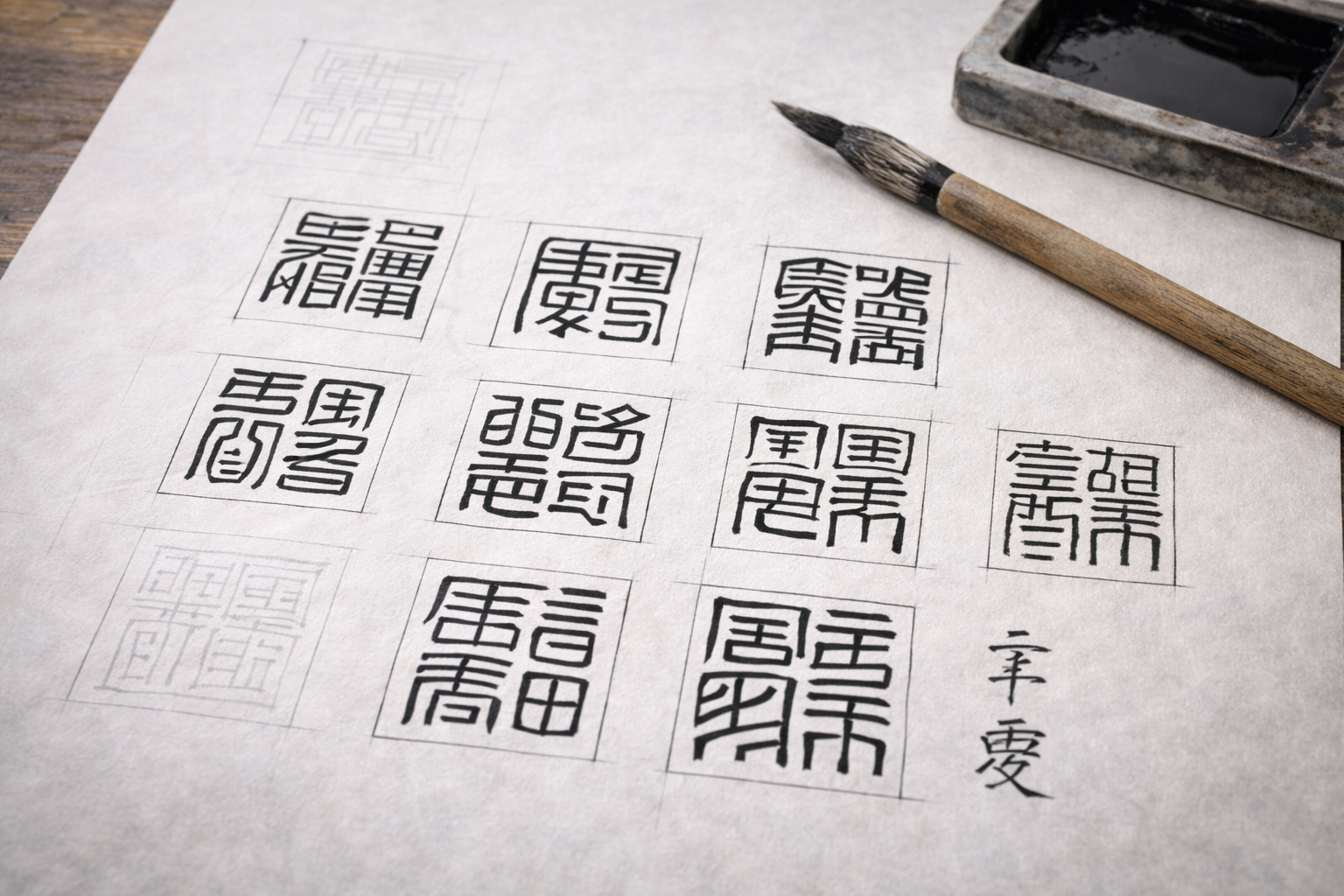
Seal design sheet and calligraphy

Writing and seal together

In the world of Zen monks and literati culture, seals increasingly accompanied works of writing and painting. Here the seal was not only a confirmation device, but part of the visual and intellectual composition.

It began to carry authorship and aesthetic presence in addition to documentary function.

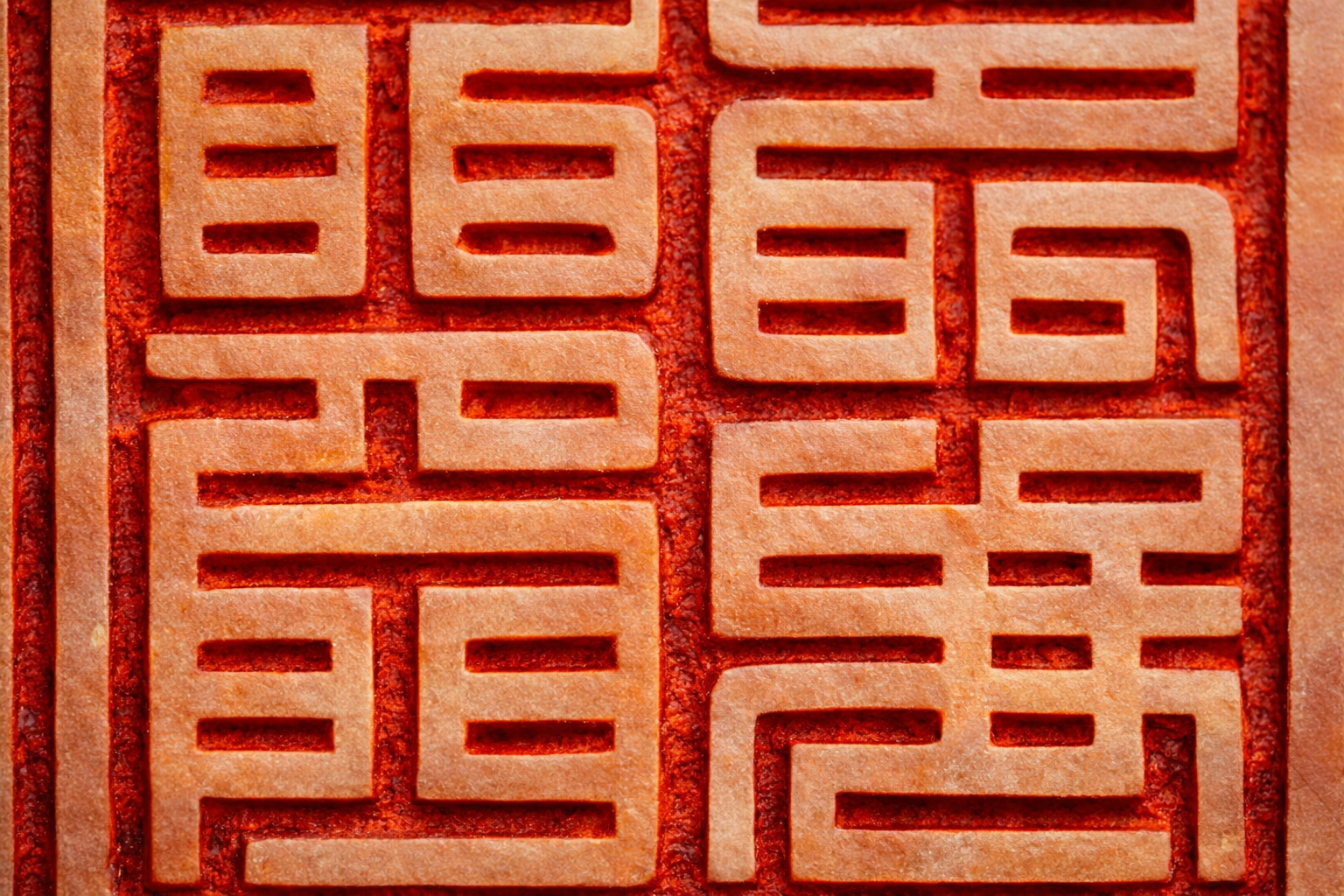
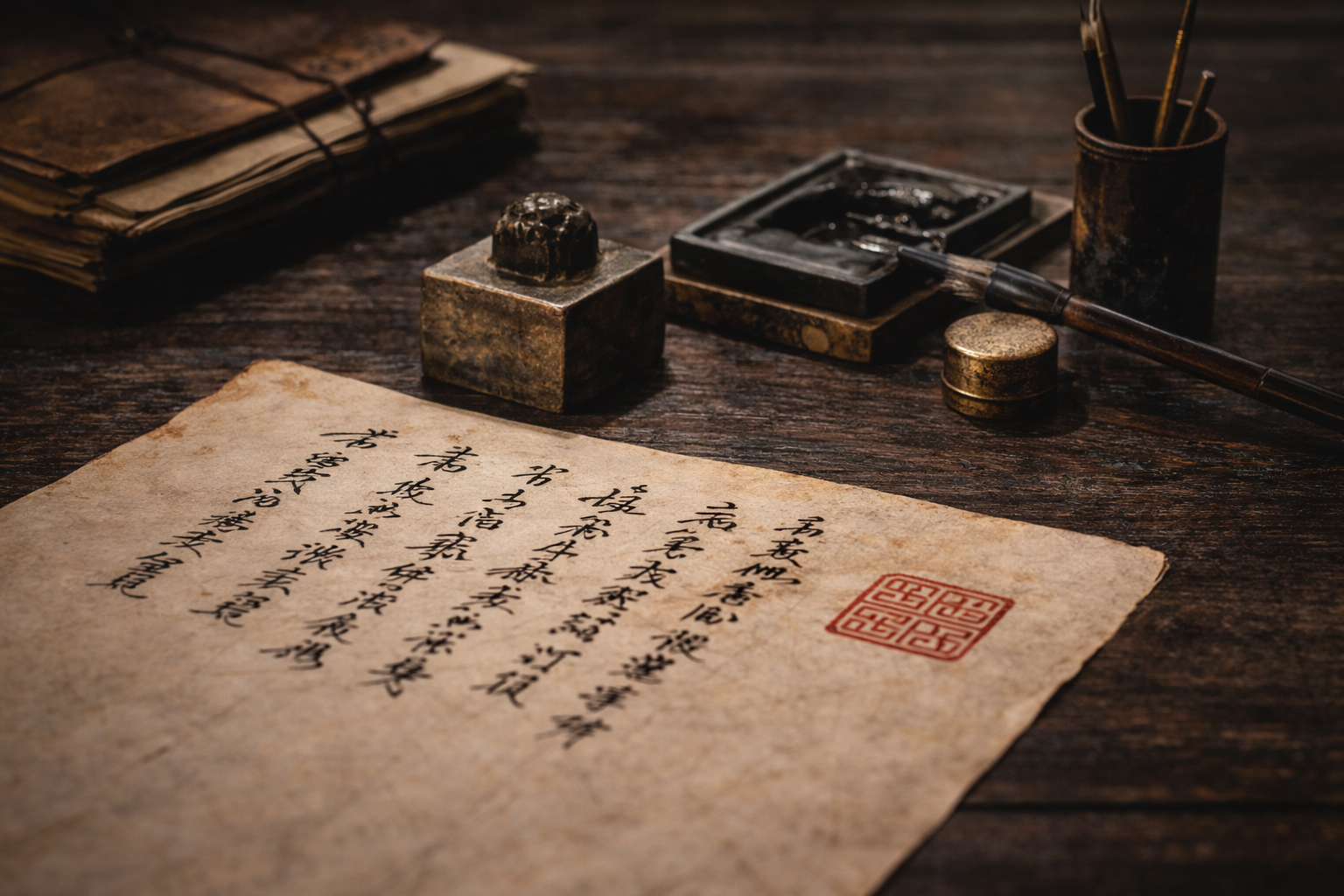
Close-up of carved seal script

Rakkan as formal beauty

A rakkan seal does more than add a name. It places the maker into the work through another layer of form. In Muromachi culture, this gave seals an importance that was artistic as well as practical.

Seals in this period thus worked in very different worlds at once: administration and art.

Muromachi seals stood between authority and aesthetic refinement

They could be marks of rule, but also quiet marks of completion within painting and calligraphy.

Trade and diplomacy also needed seals

Muromachi was also a period in which documentary form mattered across distance, region, and external relations.

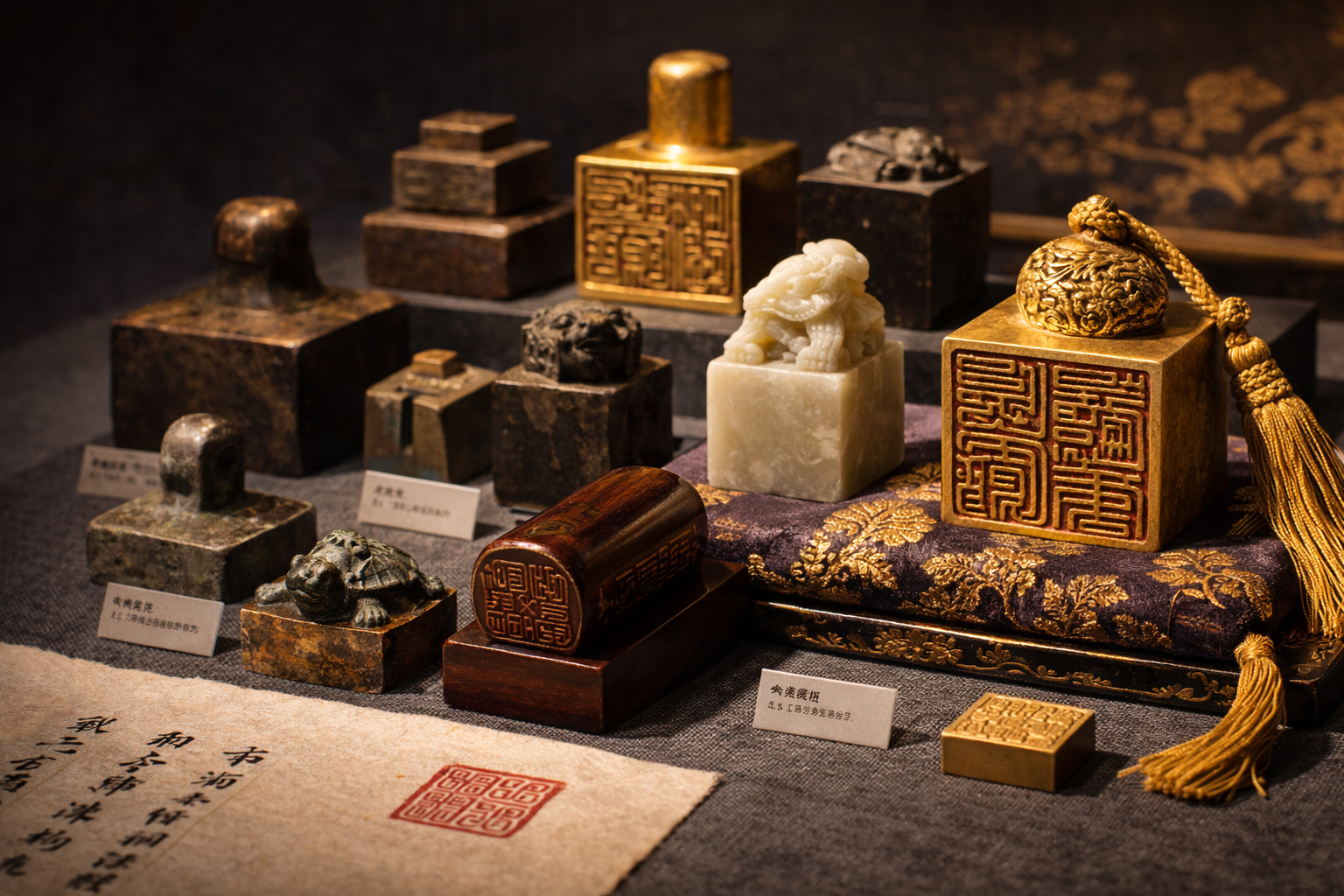
Collection of historical seals

Trust in documents of exchange

When documents traveled, the receiver could not always rely on personal familiarity. In settings of trade and diplomacy, form had to help sustain credibility.

Seals mattered in this environment because they helped make a document legible as an authorized act rather than a mere sheet of writing.

Formal seal display

Sending authority across space

A seal helped carry authority beyond the immediate presence of the issuer. It told the recipient what kind of order, institution, or legitimacy stood behind the document.

This function would matter even more in later red-seal and official-document cultures.

Muromachi as a bridge to Sengoku and Edo

Muromachi seal culture points forward both to the sharper warrior-document culture of Sengoku and the broader social spread of Edo.

What characterized Muromachi seals

  • They supported warrior-document form
  • They indicated the source of authority
  • Rakkan culture expanded in painting and calligraphy
  • They supported trust in trade and diplomatic documents
  • They operated in both practical and aesthetic worlds

What they prepared for later periods

  • They fed into Sengoku authority-document culture
  • They helped prepare Edo social seal practice
  • Their artistic seal use endured in later Japanese art
  • They helped establish the seal as a multi-functional form in Japan

How should we read Muromachi seals?

Muromachi seals still belonged to a medieval world, but one with many overlapping orders and uses.

What makes Muromachi seal culture so interesting is that it cannot be reduced to a single function. Seals worked as signs of authority, confirmation, origin, completion, authorship, and artistic identity.

That layered quality helped prepare the richness of later Japanese seal culture. Muromachi was therefore an important relay point in the making of the hanko as both formal instrument and cultural form.

Related pages

This page connects naturally to Sengoku tension, Edo socialization, and the broader history of trust.