History Feature

Seals in the Edo Period

Seal culture in the Edo period marks one of the great expansions of the hanko in Japanese society. Seals remained important in warrior documents and formal authority, but they also moved deeply into trade, ledgers, receipts, agreements, and household procedure. To understand why hanko culture later became so widespread, it is essential to understand Edo.

hanko.co.jp History / Feature Reading time 10–13 minutes

The Edo period was shaped by long peace, urban growth, expanding commerce, and dense social life. In such a world, writing, receiving, recording, and confirming became more common parts of everyday practice. The seal increasingly served as a visible sign that something had been properly done, received, or accepted.

Edo seal culture laid much of the groundwork for what later became modern Japanese hanko culture. The expansion of seals in Meiji, Taisho, and Showa did not begin from nothing. Its social basis had already been prepared in Edo society.

A peaceful age produced more documents and more acts of confirmation

In times of peace, the role of the seal expands from command into the smaller but constant acts of daily validation.

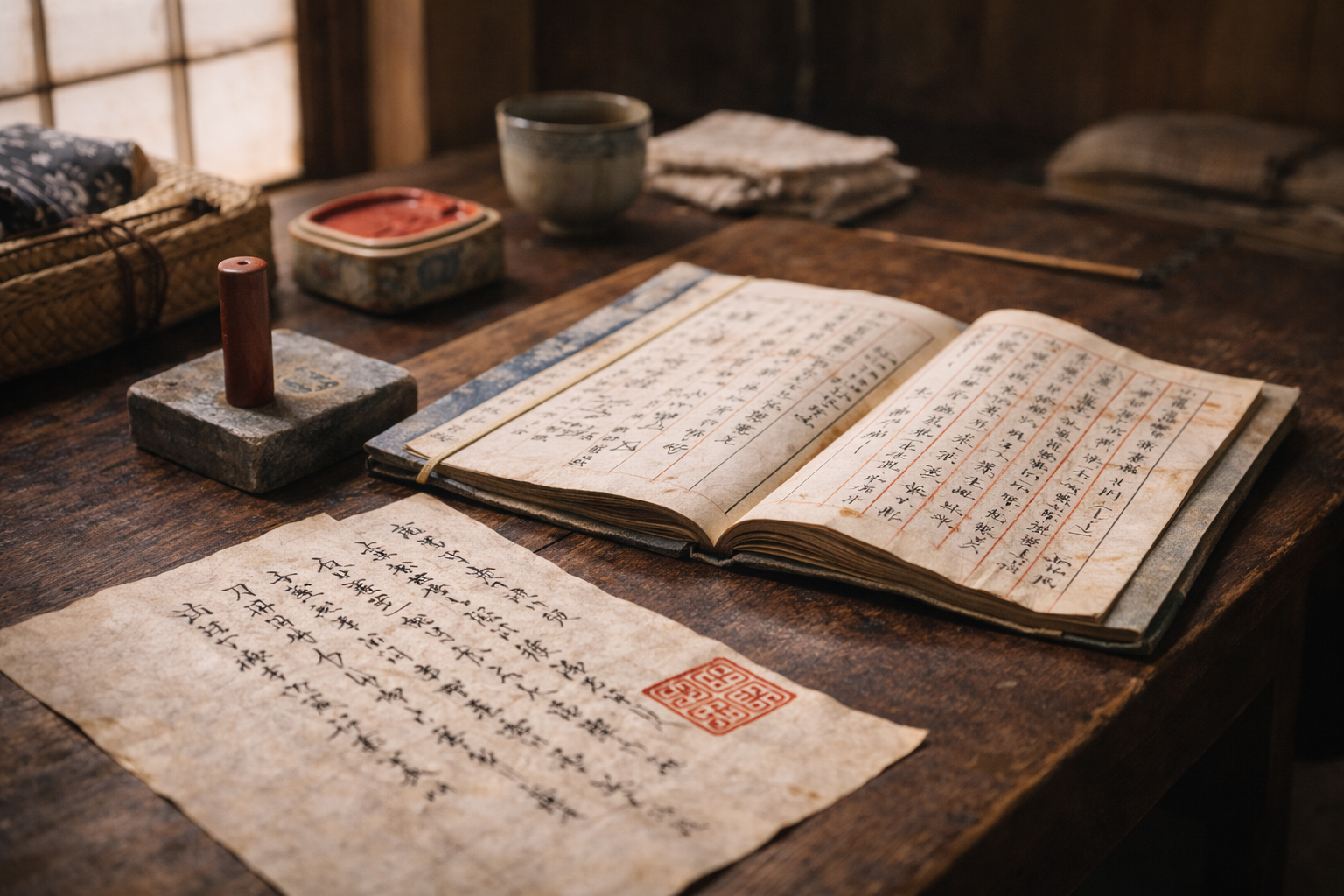
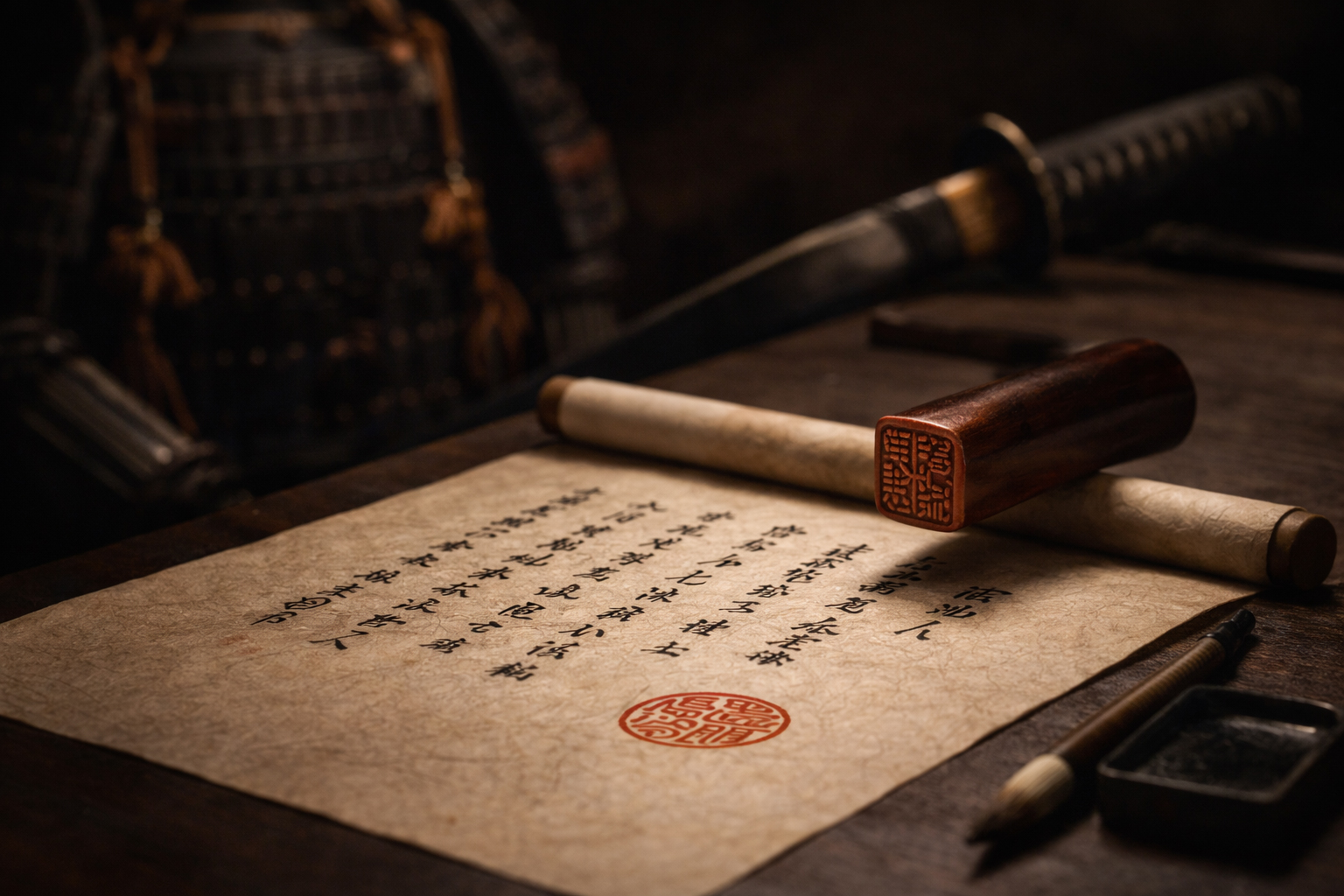
Warrior document with seal

Warrior formality continued

In Edo Japan, seals still mattered in warrior documents and official communication. They continued to show authority, legitimacy, and formal correctness in a recognizable way.

But the distinctiveness of Edo lies in the fact that seal culture did not remain there. It flowed outward.
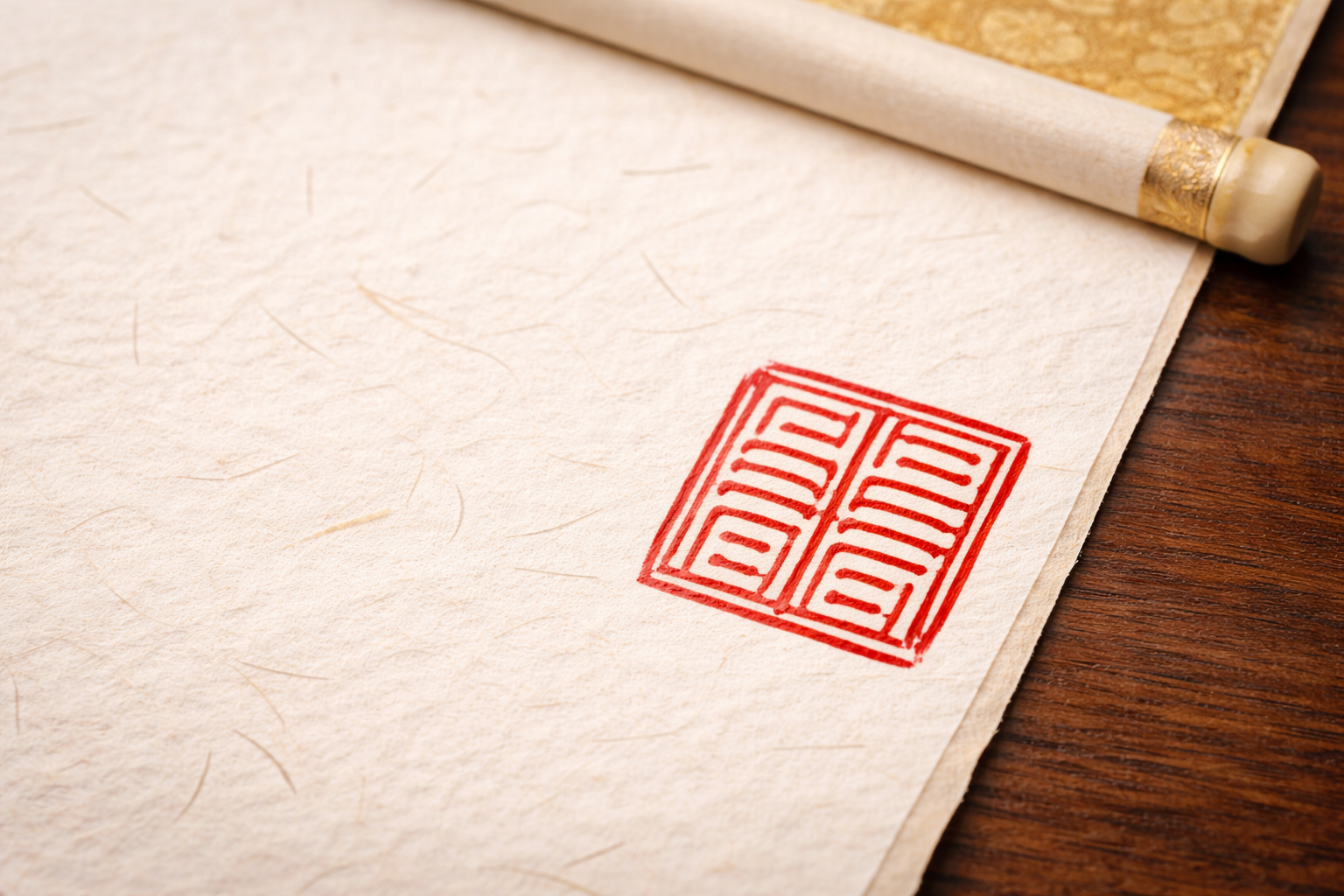
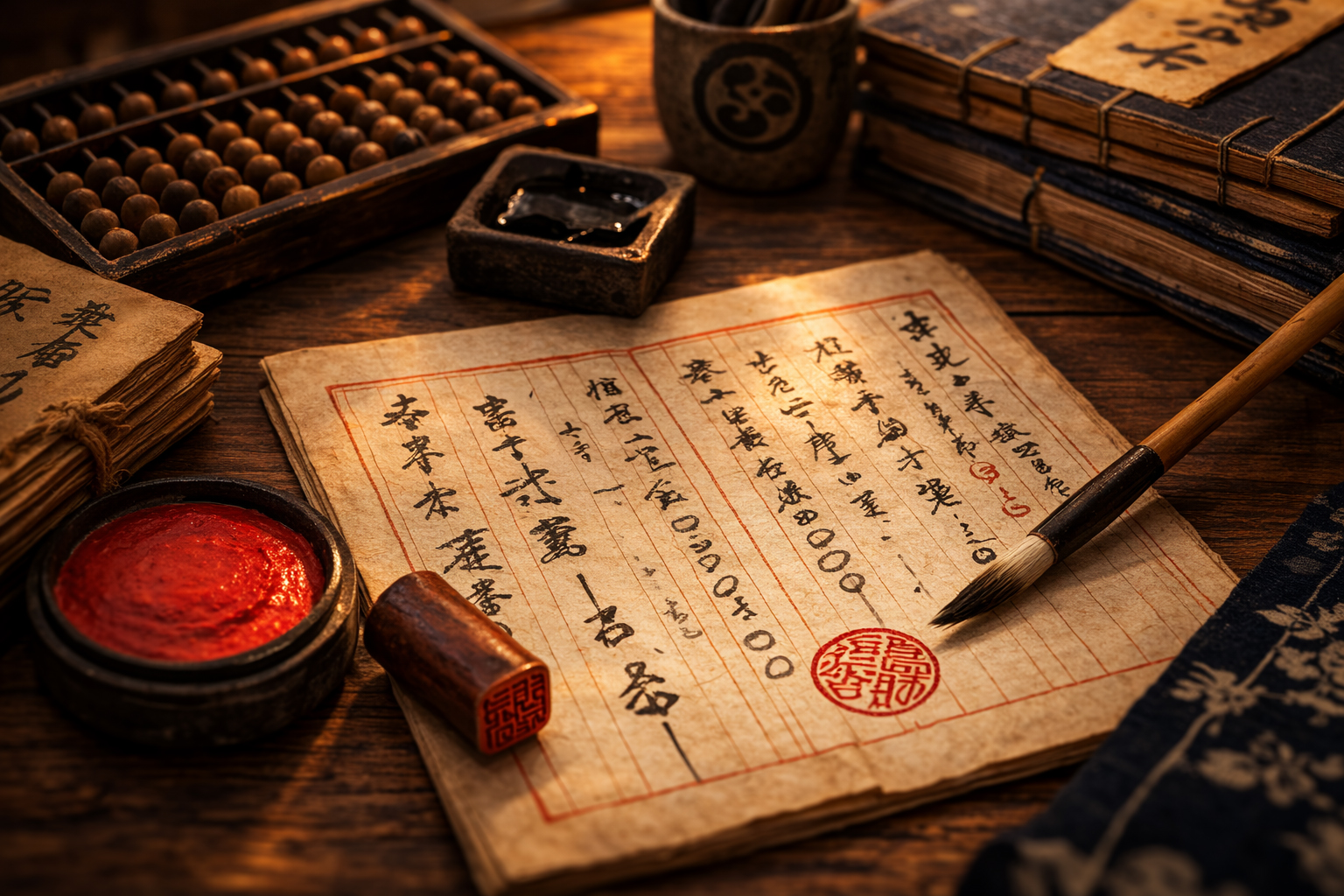
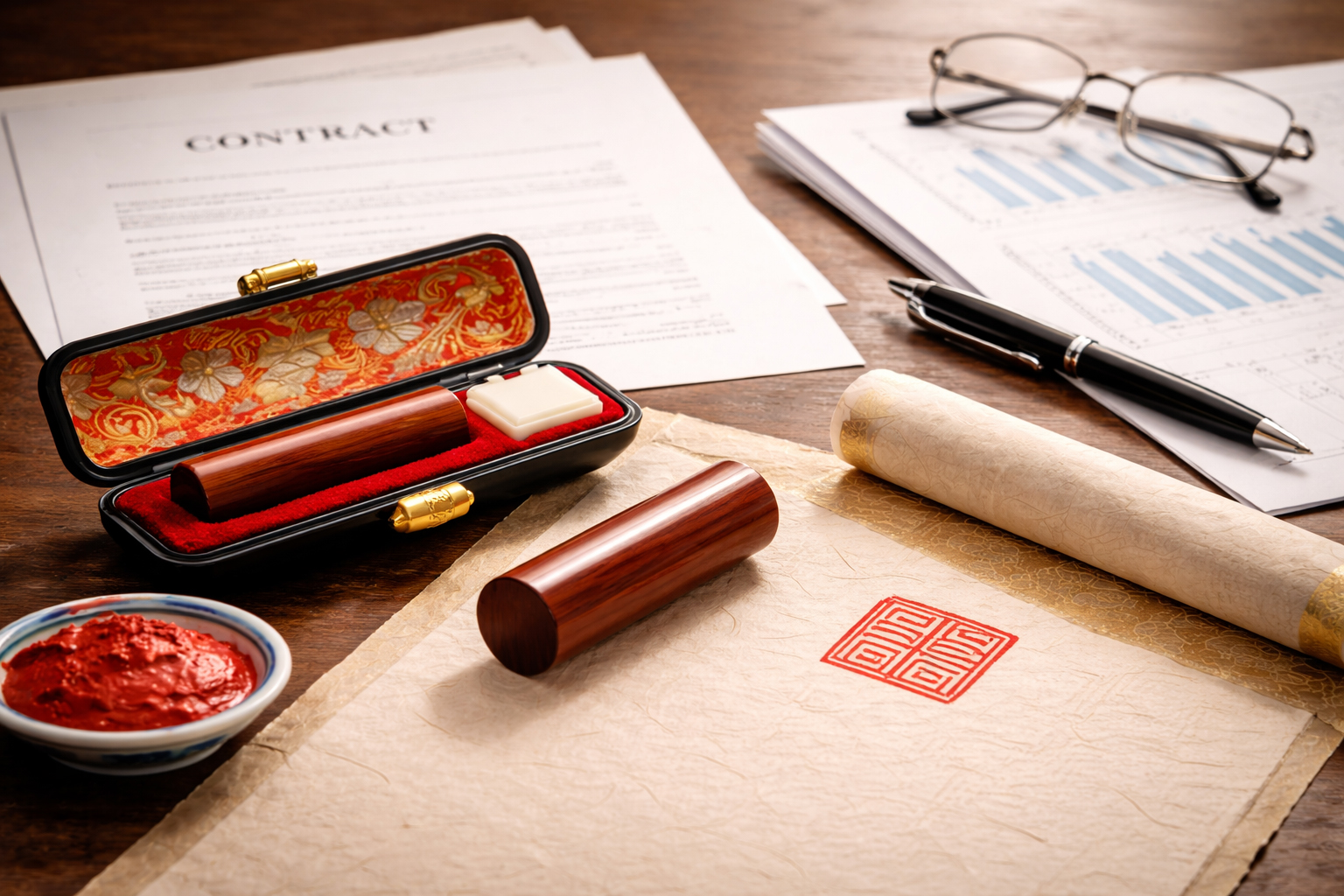
Document with seal impression

From command to confirmation

In a more stable society, the seal increasingly marked not only orders, but also receipt, acknowledgment, approval, and the completion of routine process.

This shift was one of the key reasons seal culture became socially durable.

The importance of seals in Edo Japan lies in the fact that they remained marks of authority while also becoming marks of everyday confirmation.
— hanko.co.jp historical note

Merchant life socialized the seal

No account of Edo seal culture is complete without commerce.

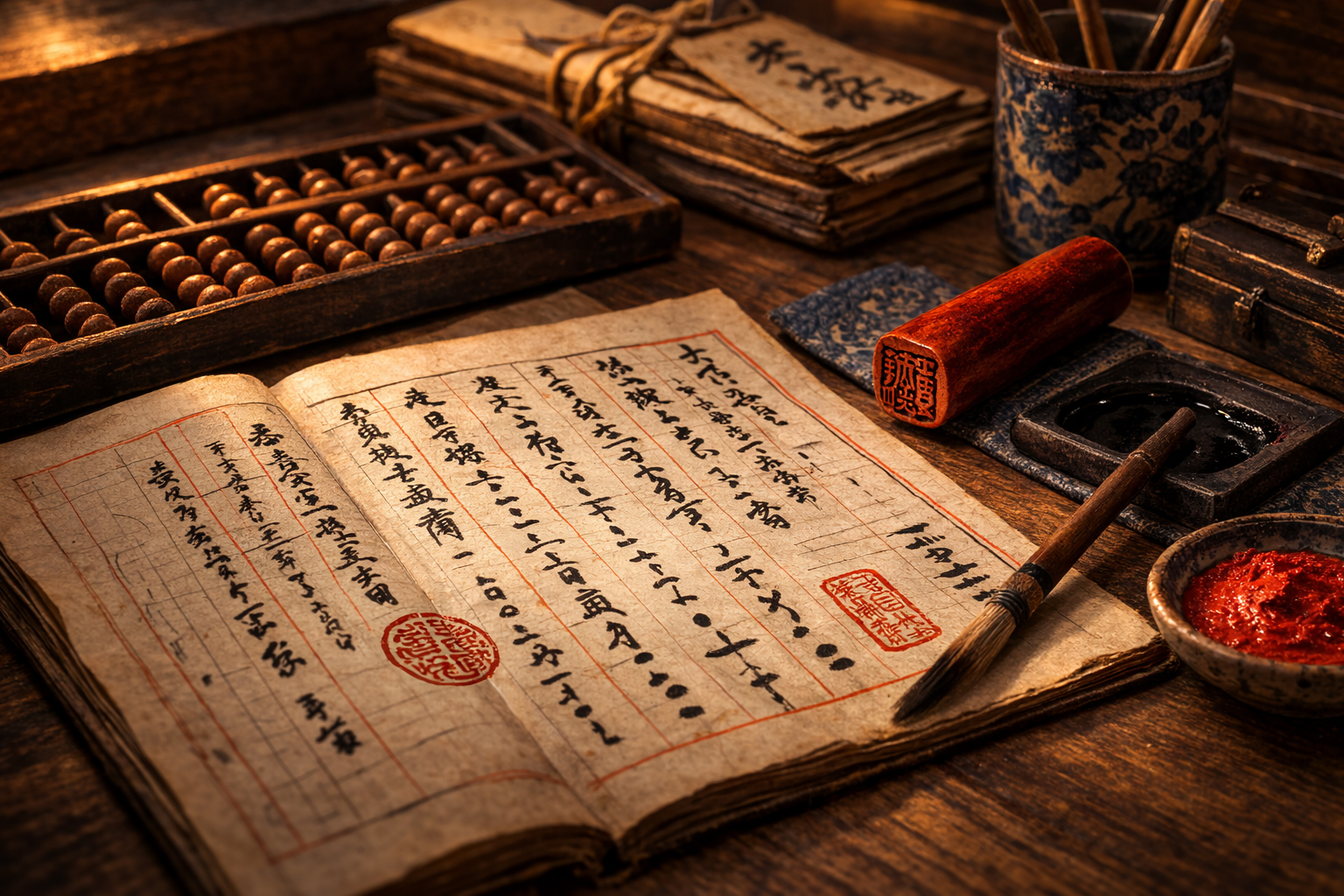
Merchant ledger and seal

Ledgers, receipts, and repeatable trust

Trade depends on repetition: the same partners dealing with one another over time. That requires visible ways to show who received something, who agreed, and who remained responsible across repeated acts.

The seal was extremely well suited to this. A recurring mark made continuity visible.

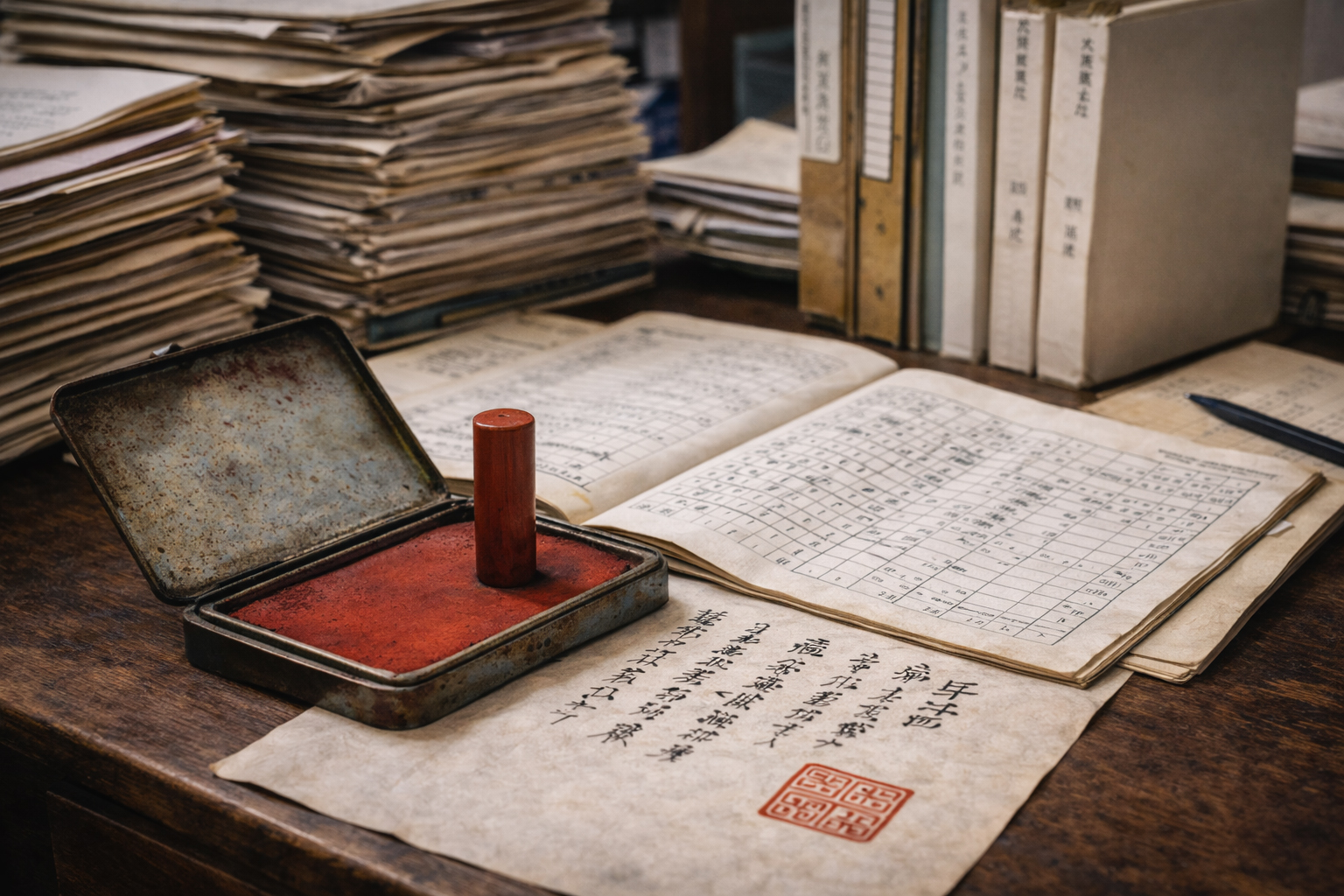
Merchant desk with ledgers

Writing and sealing together

In merchant documents, writing conveyed the content, but the seal often gave the act a different weight: accepted, completed, acknowledged, or properly taken into record.

The pairing of writing and stamping became increasingly natural in Edo social practice.

In Edo, seals gained force in the town and in the home

Seals did not spread merely because power pushed them downward. They spread because society found them useful.

Seals in townspeople’s and household life

For a seal to become truly social, it had to enter the household.

Household desk with seal

A formal tool kept in the home

Once seals were stored in households and used when needed, they ceased to be remote symbols of power and became familiar instruments of domestic formality.

Receipts, confirmations, promises, and practical dealings all helped root seal culture in everyday life.

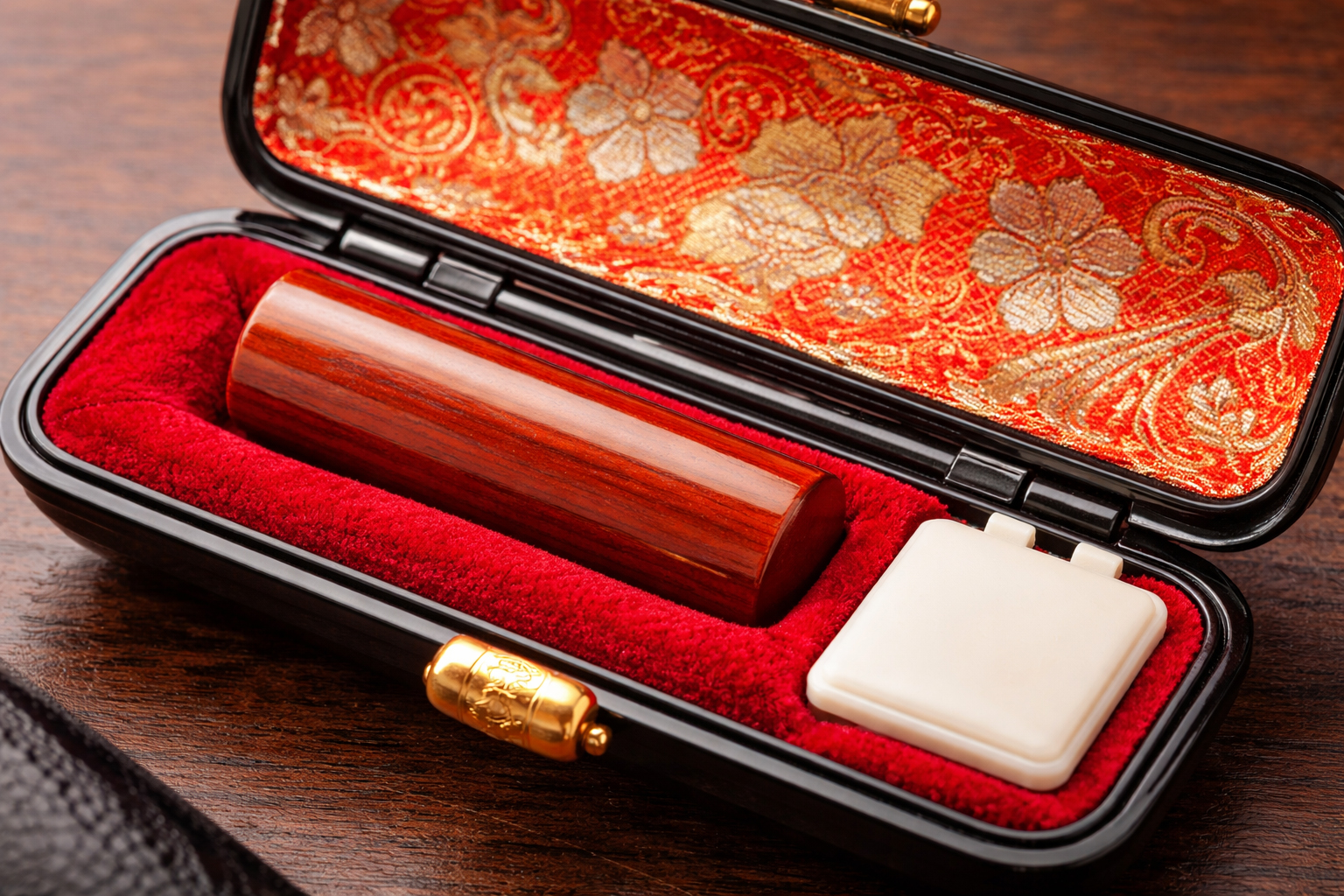
Seal case detail

The seal as a proper possession

To own a seal, keep it properly, and use it when needed was itself becoming a social habit. In this sense, Edo helped prepare the later idea that having a seal was a normal part of orderly life.

The seal was becoming not only an institutional device, but also a personal possession of formality.

What Edo left to later Japan

Edo turned the seal from a premodern mark of authority into a socially widespread form ready to enter modernity.

What strengthened in Edo

  • Seals were used not only for command but for confirmation
  • They became part of commerce and ledger culture
  • They spread into townspeople’s and household practice
  • Writing and stamping became a familiar pair
  • Seals settled into everyday formal thresholds

Later consequences

  • Meiji could reorganize an already social seal culture
  • Banks and companies inherited practical seal habits
  • The household seal became easier to normalize
  • Showa hanko culture rested on Edo foundations

How should we read Edo seal culture?

Edo seals belonged to warrior formality, but also to the expanding practical life of cities, shops, and homes.

The essence of Edo seal culture is not that the sign of authority weakened. Rather, that same formal logic became useful in many more layers of society: markets, households, receipts, records, and agreements.

Edo was therefore the period in which the seal remained a mark of order while also growing into a broad social instrument of confirmation. In that sense, Edo created the real social foundation of later hanko culture in Japan.

Related pages

This page connects naturally to Meiji reorganization, later modern expansion, and the wider movement from state power into daily life.