History Feature

Seals in the Kamakura Period

Seals in the Kamakura period stood at the intersection of older documentary tradition and the practical needs of a warrior government. Courtly forms remained alive in Kyoto, while in Kamakura the documentary world of land, service, command, and recognition grew stronger. The seals of this period are best understood as part of a transitional age that prepared the fuller medieval document culture of Muromachi and Sengoku Japan.

hanko.co.jp History / Feature Reading time 9–12 minutes

The Kamakura period should not be reduced to the simple idea that “the age of warriors began.” In practice, Kyoto court society and Kamakura warrior rule coexisted in a kind of layered political order.

Documentary culture and seal use reflected that complexity. In some settings, older courtly forms continued. In others, new warrior-document practices grew stronger. Kamakura seals mattered precisely because they stood within that overlap.

Kyoto and Kamakura: two worlds of authority

Documents in the Kamakura period did not come from a single center.

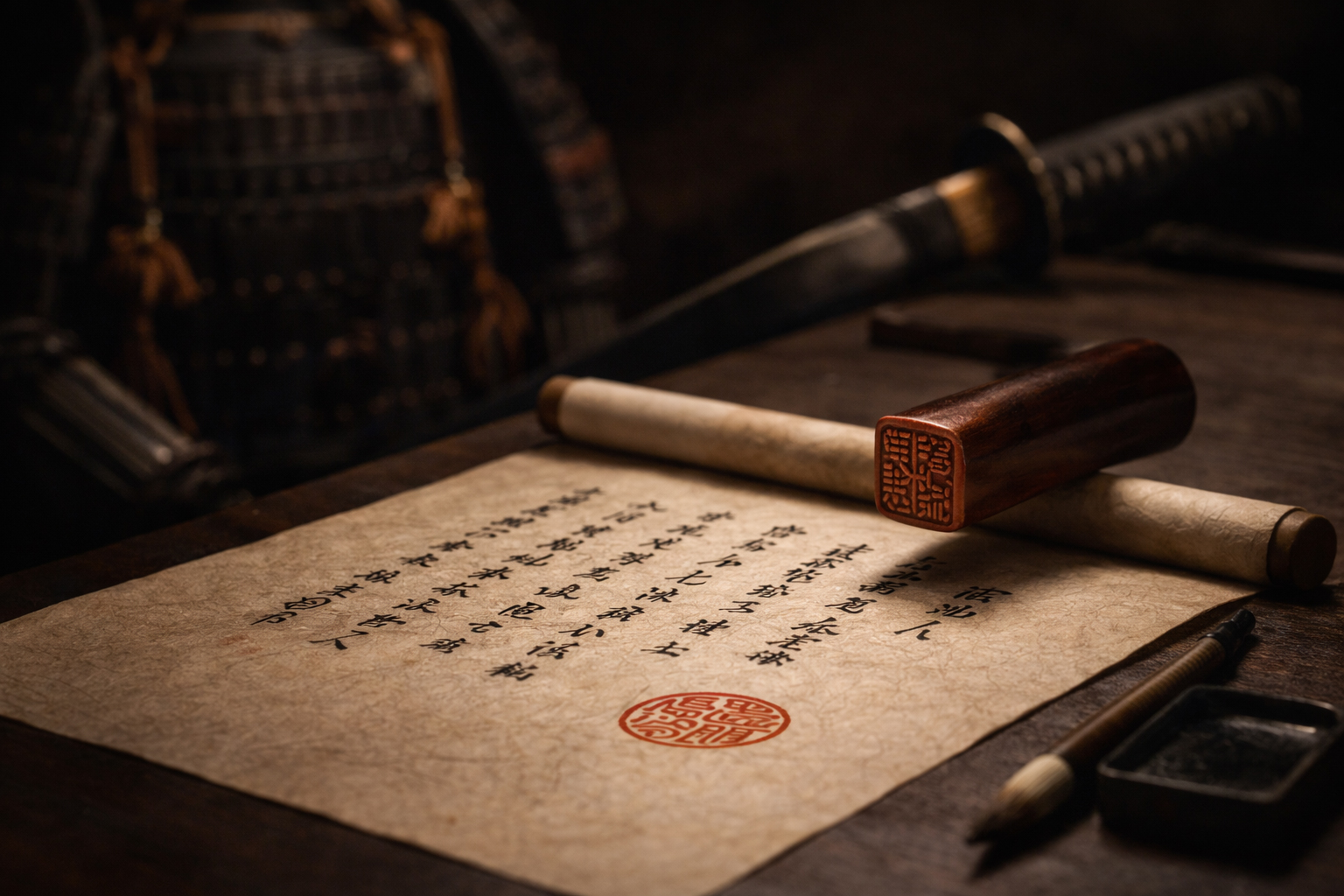
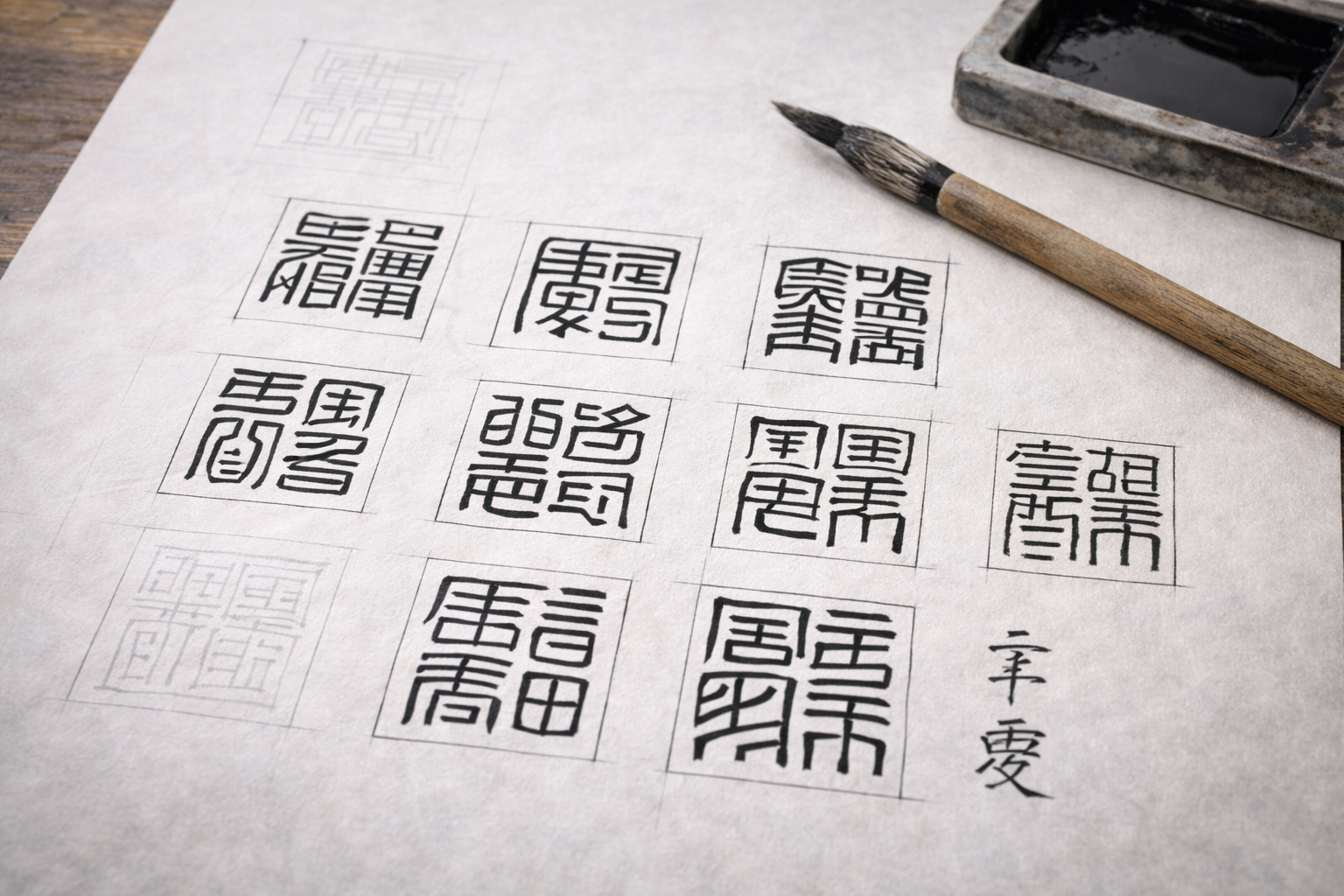
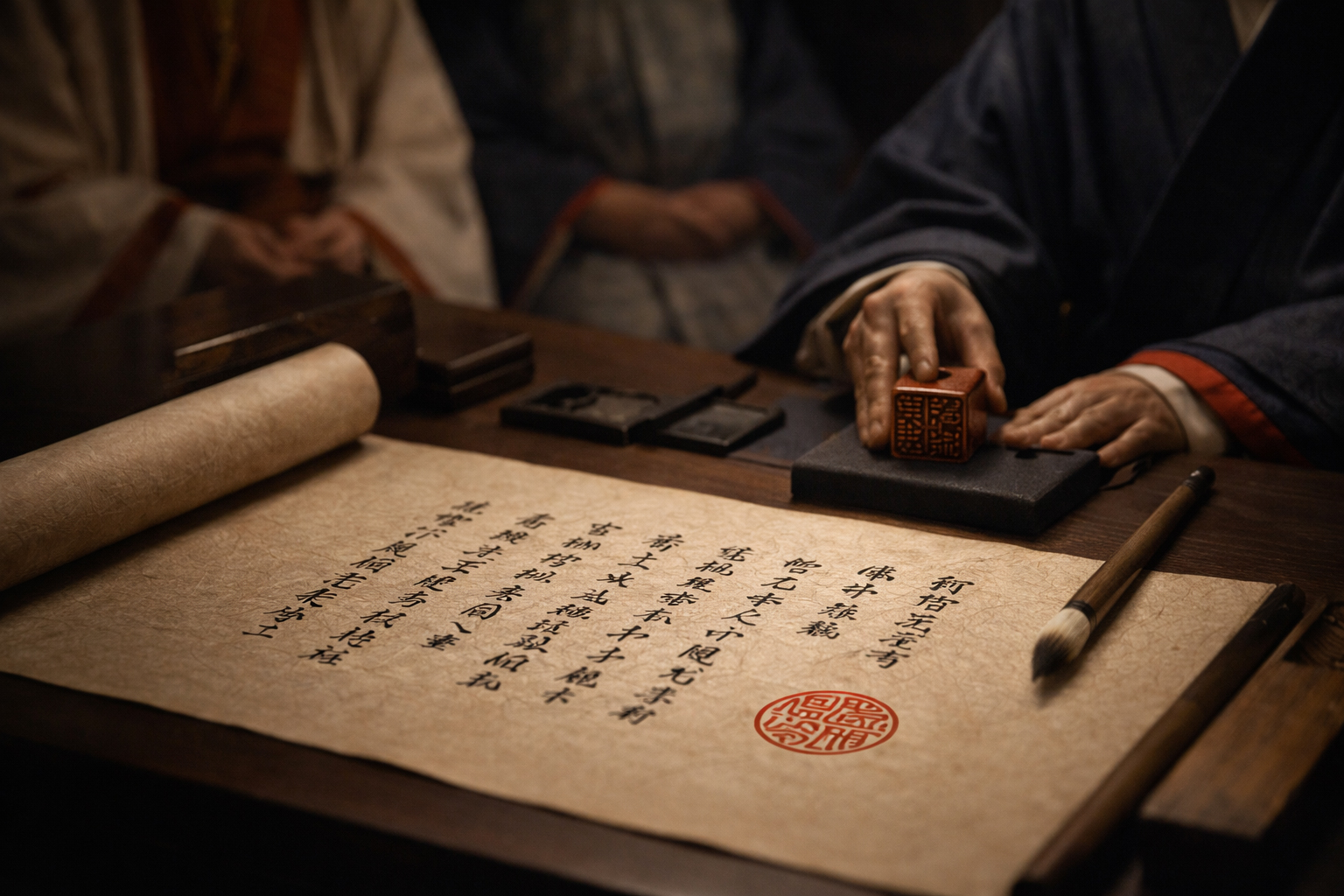
Courtly document scene

Courtly form remained alive

Even after the rise of the Kamakura bakufu, the imperial court and aristocratic systems of Kyoto did not vanish. Courtly documentary form and old senses of legitimacy remained meaningful.

That is one reason Kamakura seal culture still carries the weight of older documentary worlds.
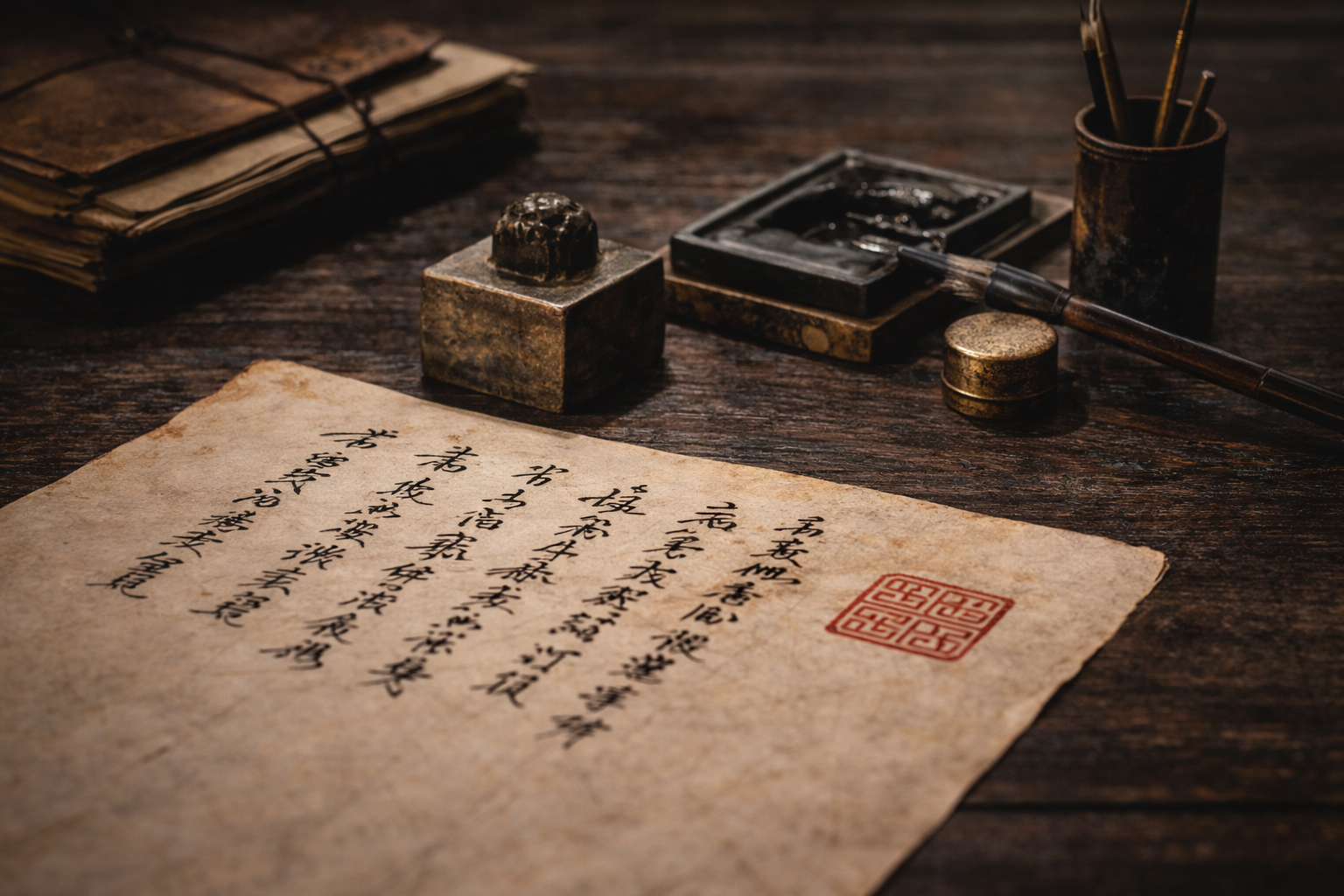
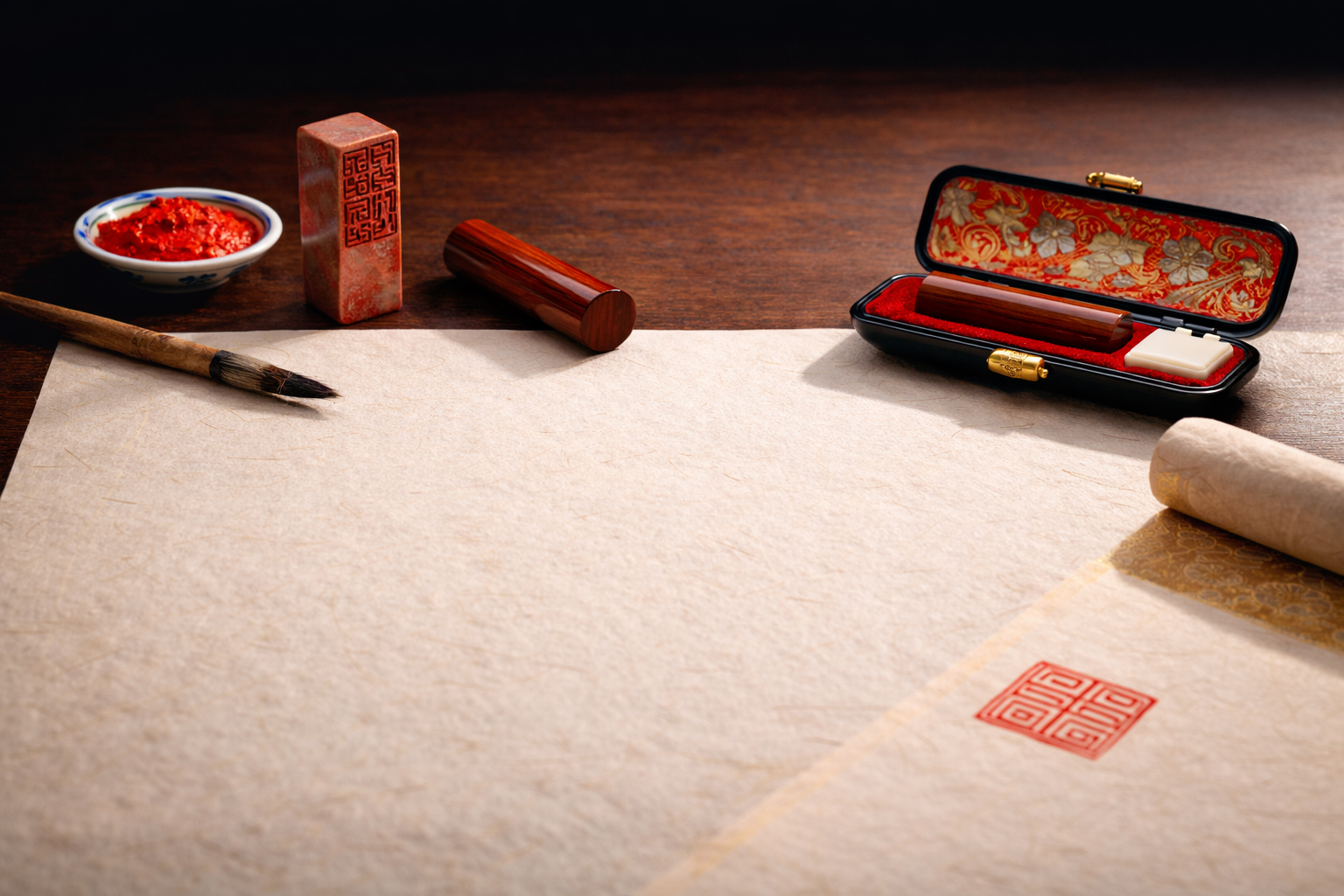
Medieval document table

Warrior-government practice grew stronger

At the same time, Kamakura became the site of increasingly practical documentary concerns: landholding, service, commands, litigation, and guarantees. Documents mattered as instruments of rule.

Seals were part of the forms that helped give these documents formal force.

Kamakura seals belonged both to an older world that had not disappeared and to a newer one that had not yet fully matured.
— hanko.co.jp historical note

What seals meant in warrior documents

Kamakura seals were not yet as sharp and pressured as Sengoku seals, but they were already becoming part of warrior documentary practice.

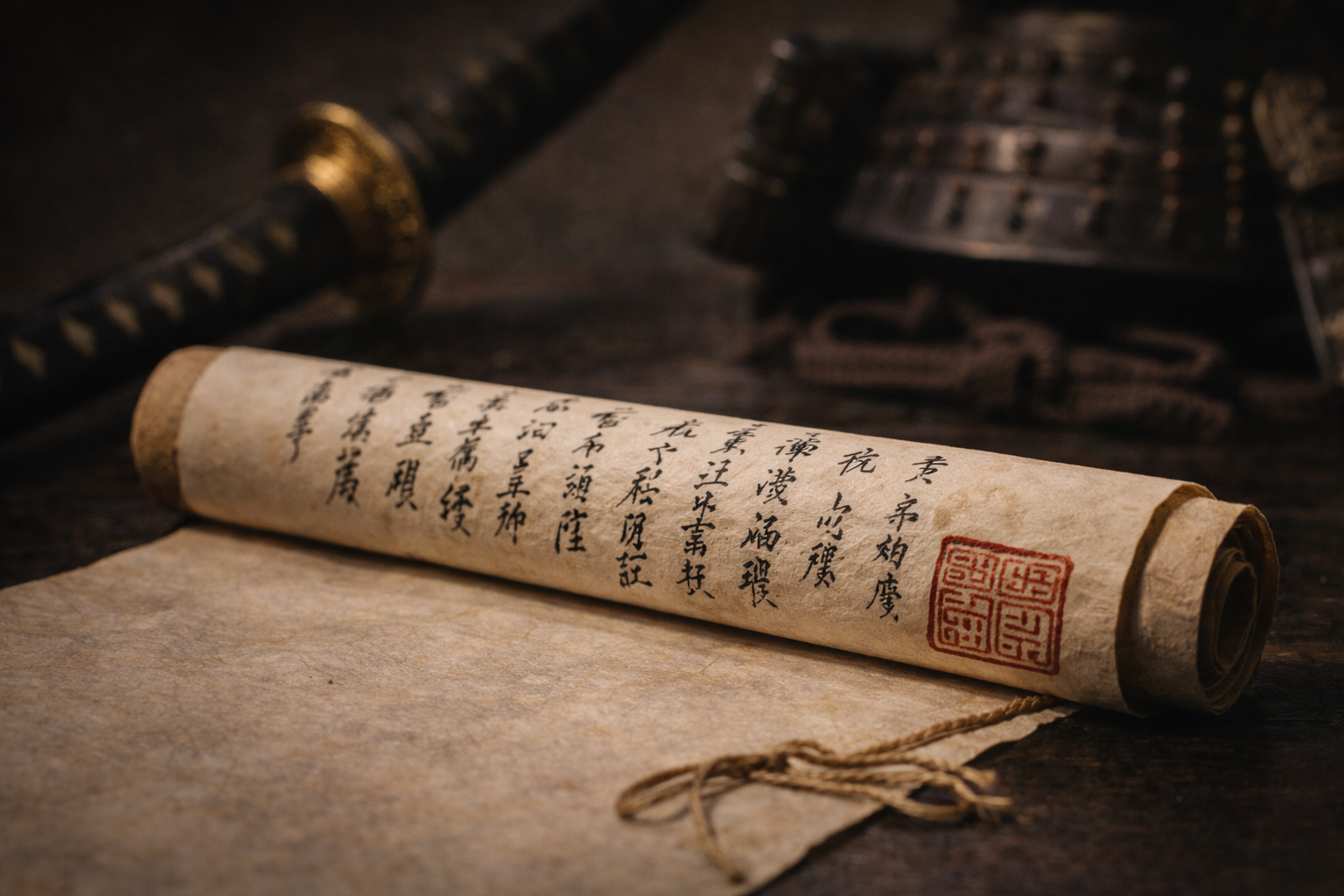
Samurai document with seal

Showing the source of authority

In warrior documents, what mattered was not only the content, but who stood behind it. A seal helped make the document’s source visible.

This anticipates the stronger later sense that a seal makes authority legible on paper.

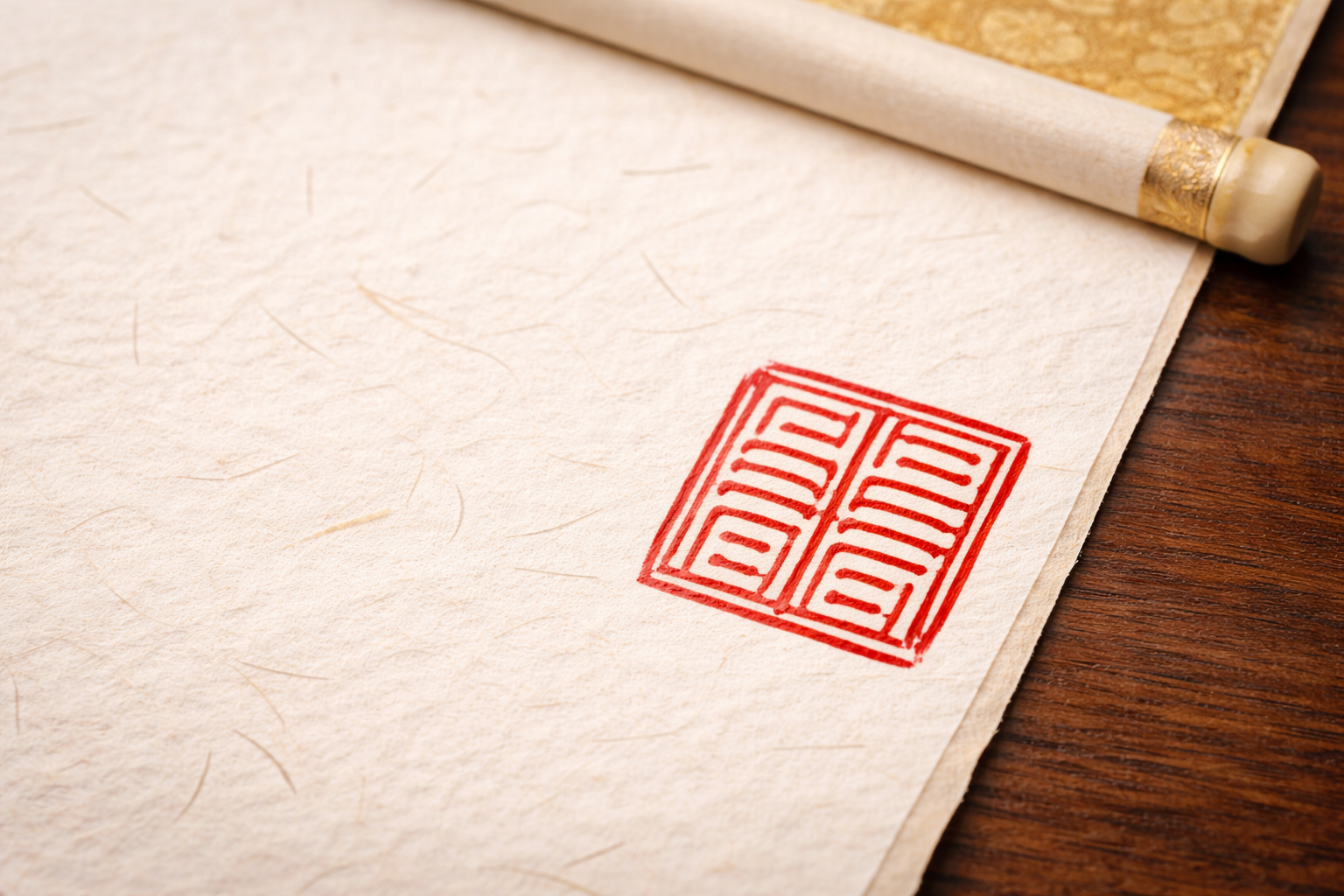
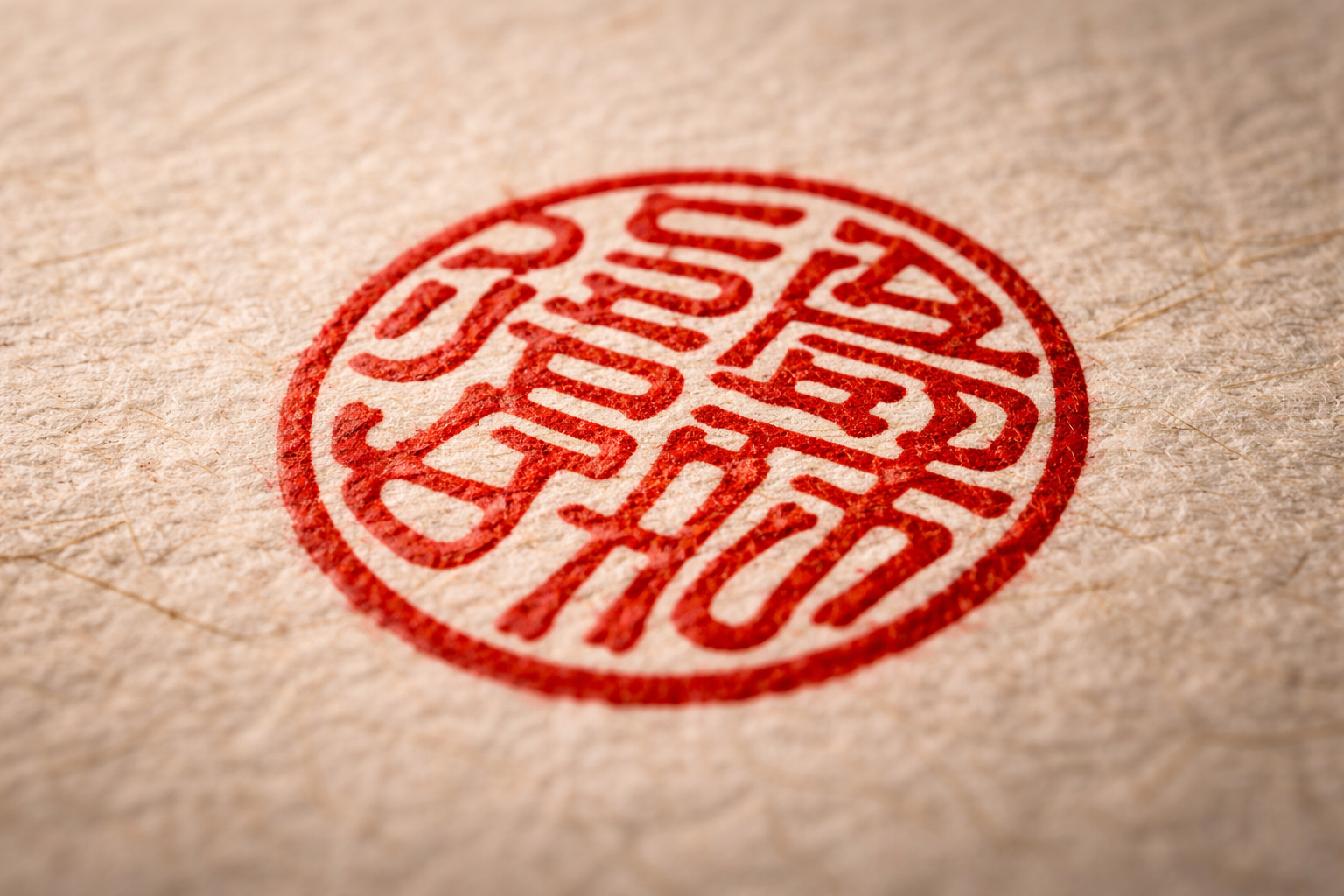
Seal impression on a document

Formal procedure becomes stronger

The Kamakura period brought documents closer to practical procedure. Receiving, recognizing, confirming, granting, and transmitting all required visible forms.

The seal helped make such procedural acts clearer and more formal.

Kamakura seals mark the moment when warrior order begins to take shape on paper

They are not yet the social seals of later daily life, but neither are they only the older forms of court tradition.

Temple documents and medieval record culture

Kamakura documentary culture also depended deeply on religious institutions and their records.

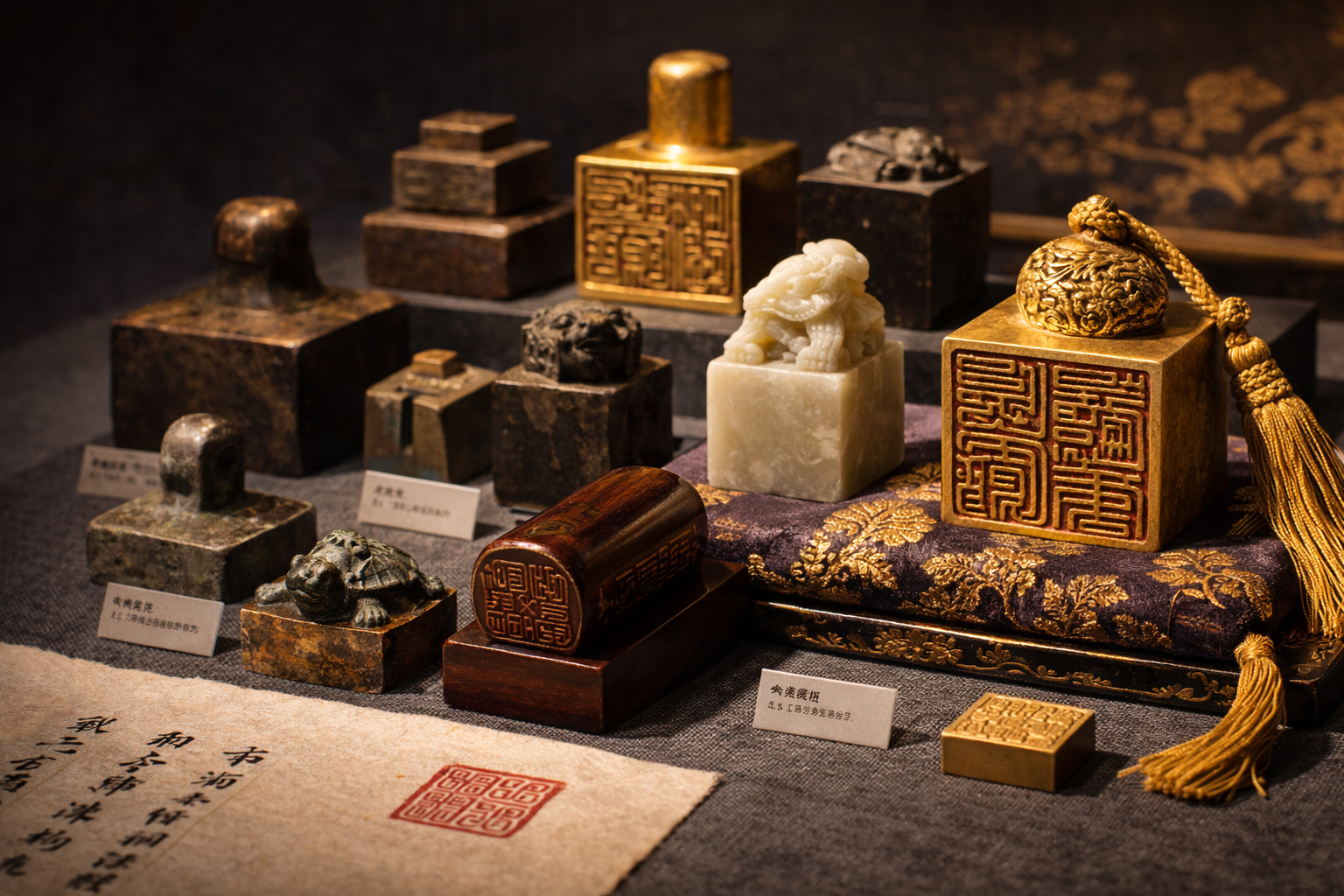
Historical seal display

Temples, shrines, and records

Medieval temples and shrines maintained significant documentary worlds of land, donations, origin stories, rights, and property. In such settings, formal recognition mattered greatly.

Seals can be understood as one of the ways documentary records acquired visible weight.

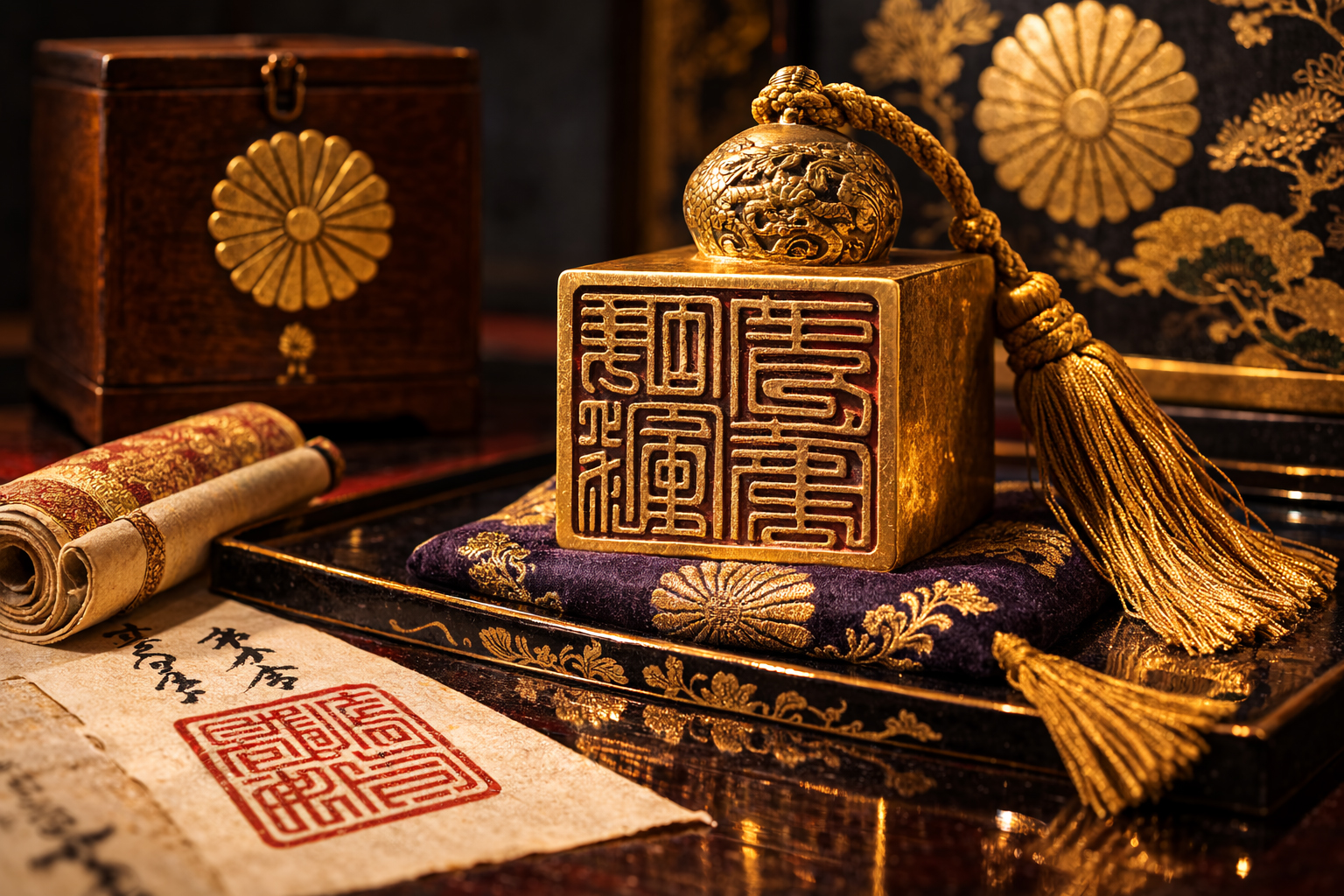
Formal seal display

A form that crossed institutions

One of the striking things about Kamakura seal culture is that it moved across different institutional spheres: court, warrior government, and religious establishments.

The exact meaning of a seal might differ, but its value as a visible formal marker remained consistent.

Kamakura as preparation for Muromachi and Sengoku

Kamakura seal culture matters because it helped prepare the documentary logic of later medieval Japan.

Key features of Kamakura seals

  • They existed within a dual Kyoto–Kamakura order
  • Older courtly form remained alive
  • Warrior documentary practice grew stronger
  • Seals helped show source and authority
  • Formal recognition mattered across court, warrior, and religious worlds

What they prepared for later periods

  • They fed into Muromachi warrior-document culture
  • They prepared the conditions for Sengoku authority documents
  • They helped root seals in medieval documentary practice
  • They supported a culture in which seals crossed public and private forms

How should we read Kamakura seals?

Kamakura seals are neither a complete warrior-document culture nor merely leftovers from ancient court form.

The fascination of the Kamakura period lies in its layered authority. Court, aristocracy, bakufu, and religious institutions all carried different kinds of weight, and documents reflected that complexity.

Seals helped give those documents form, source, and confirmation. For that reason, Kamakura can be seen as one of the key entry points into the fuller medieval documentary life of Japanese seal culture.

Related pages

This page connects naturally to Muromachi complexity, Sengoku tension, and the wider history of trust.