History Feature

Seals in Taisho and Showa Japan

From the Taisho era into Showa, Japanese seal culture changed in form but also moved more deeply into the structure of everyday society. Urbanization, company organization, banking, household contracts, administration, and wartime paperwork all gave seals new practical life. In this period, the hanko was not a relic of the past, but a working tool of modern Japan.

hanko.co.jp History / Feature Reading time 10–13 minutes

Taisho Japan saw the growth of urban life, publishing culture, commerce, and the expanding presence of salaried workers. In Showa, these tendencies became even more structured through offices, banks, administration, and household paperwork.

Seals adapted to this world extremely well. They were no longer only symbols of older forms of authority. They became compact instruments of confirmation, approval, responsibility, and procedural order inside modern life.

Taisho: seals in an urban modern life

In the Taisho period, seals entered more naturally into the lives of the urban middle layers of society.

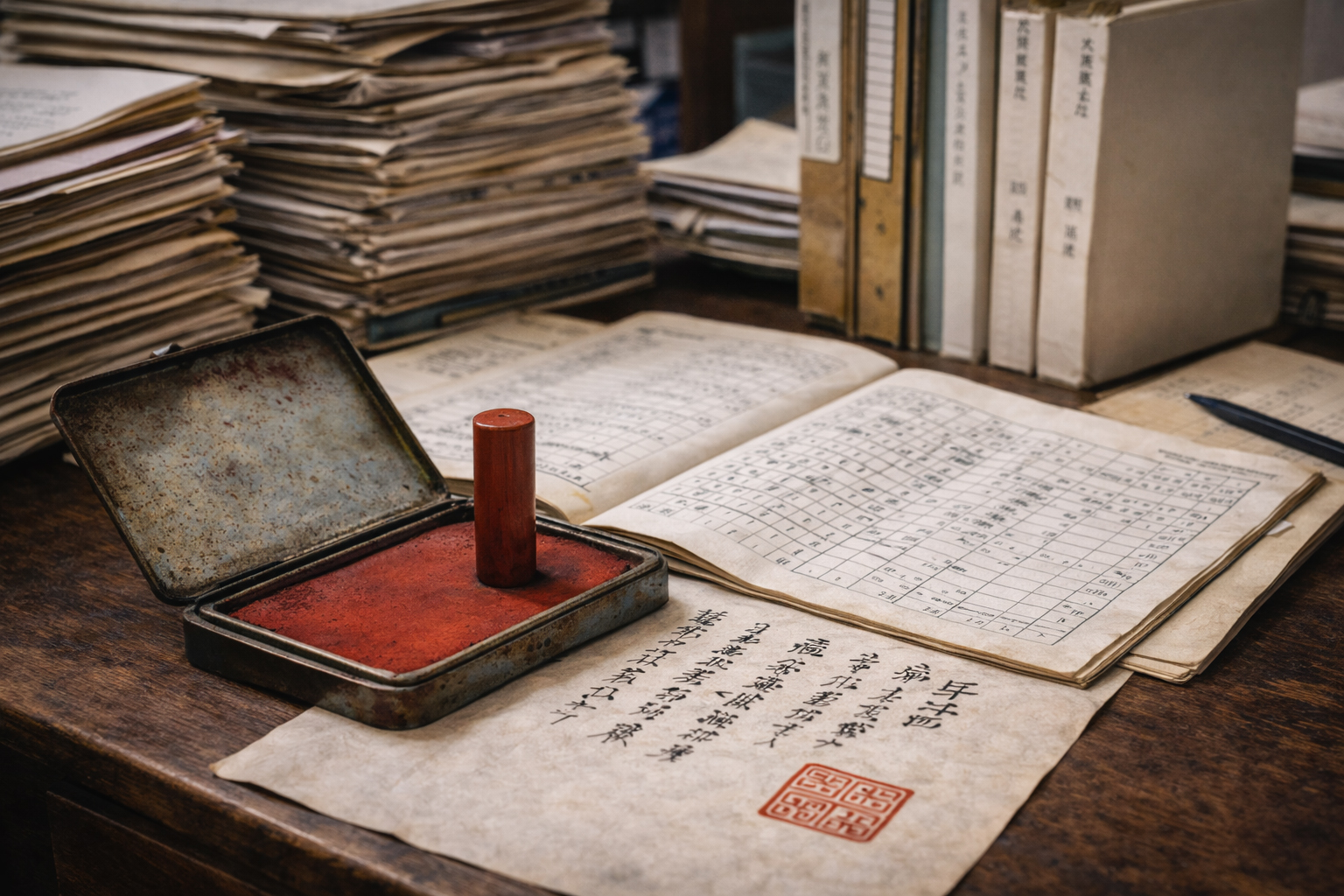
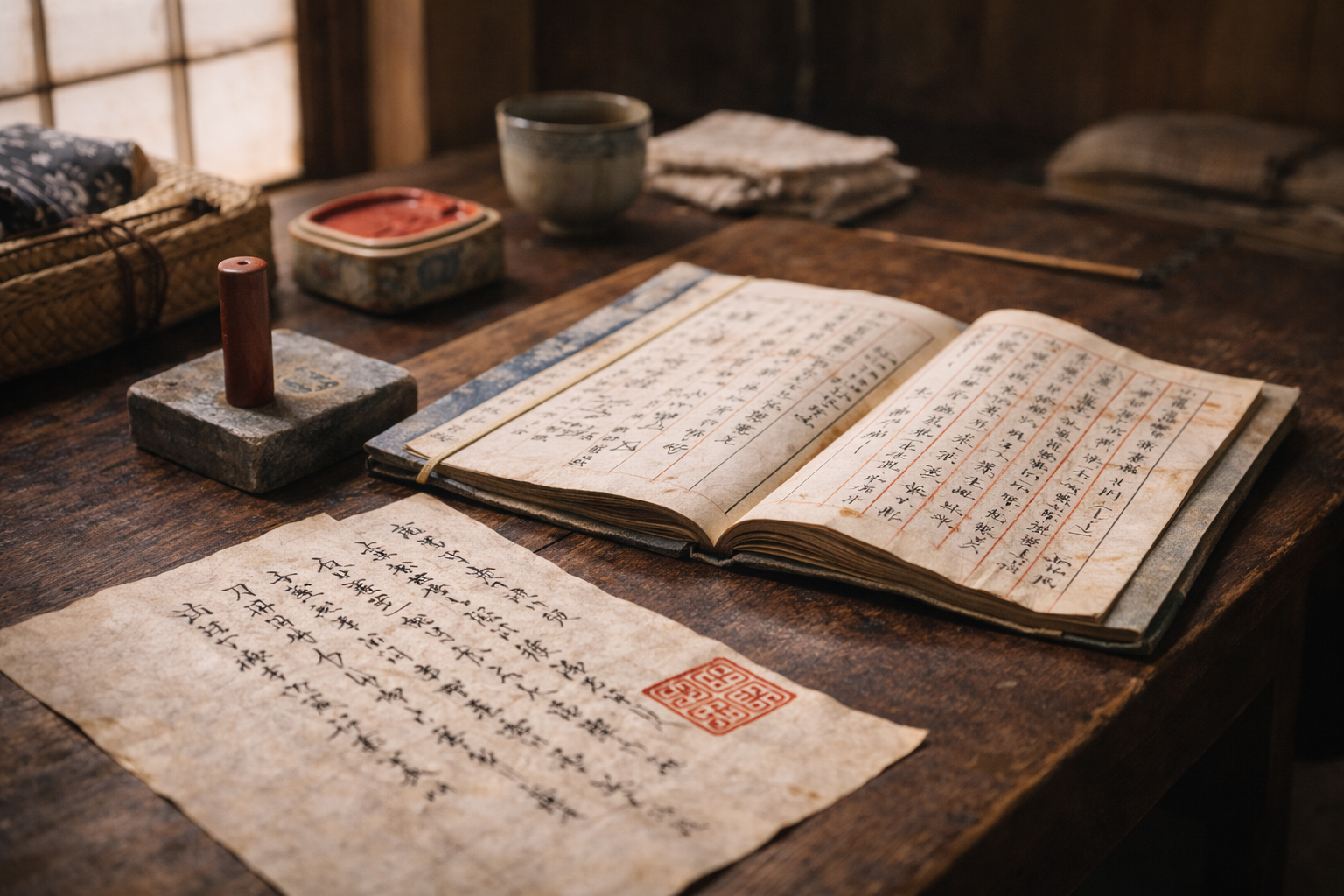
Modern desk with hanko and papers

Formality inside modern life

However modern Taisho urban culture appeared, the structure of everyday life still depended on form: contracts, notifications, banking, employment, and housing all required visible procedure. The seal was extremely efficient at signaling this formal side of life.

It did not survive merely as an old habit. It remained useful in the new social world.
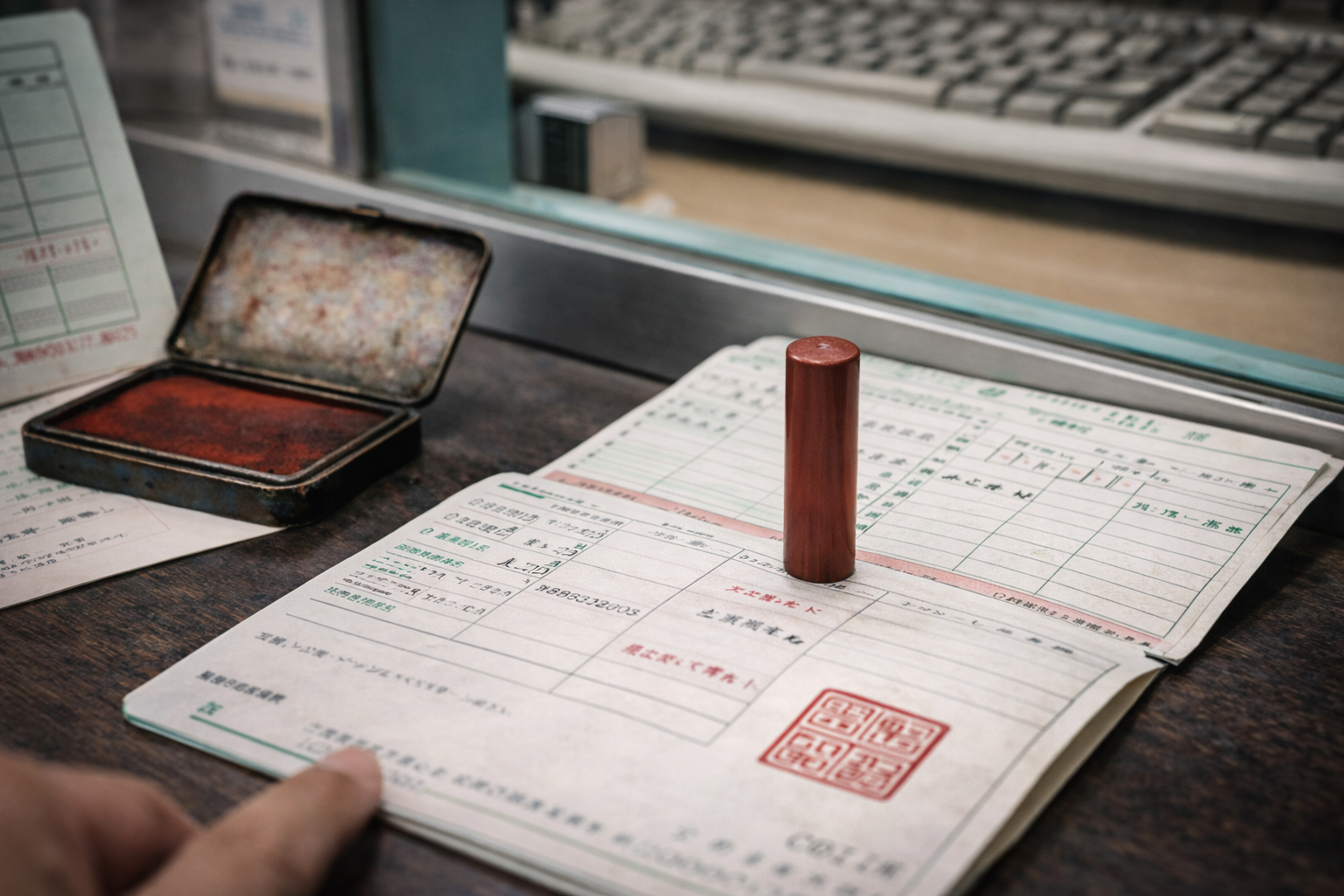
Bank counter with hanko and paperwork

Modern banking and trust

As banking became more common, individuals encountered institutions in more routine ways. Accounts, notifications, withdrawals, and identity checks all made seals practical markers between private life and formal system.

Taisho seal culture thus reflects not only continuity, but adaptation to a growing modern trust economy.

Taisho seal culture can be read not as an old Japan lingering on, but as a form that entered modern urban life with surprising ease.
— hanko.co.jp historical note

Early Showa: denser organizations, denser procedure

In Showa, seals became even more deeply embedded in a world of repeated documents and organized processing.

Showa office desk with paperwork

The age of office paperwork

As the number of documents increased and offices became more procedural, the clarity of the seal became especially valuable. A stamp could show at a glance who had checked something, where it had gone, and what had been completed.

The hanko became one of the core tools of Showa paperwork culture.

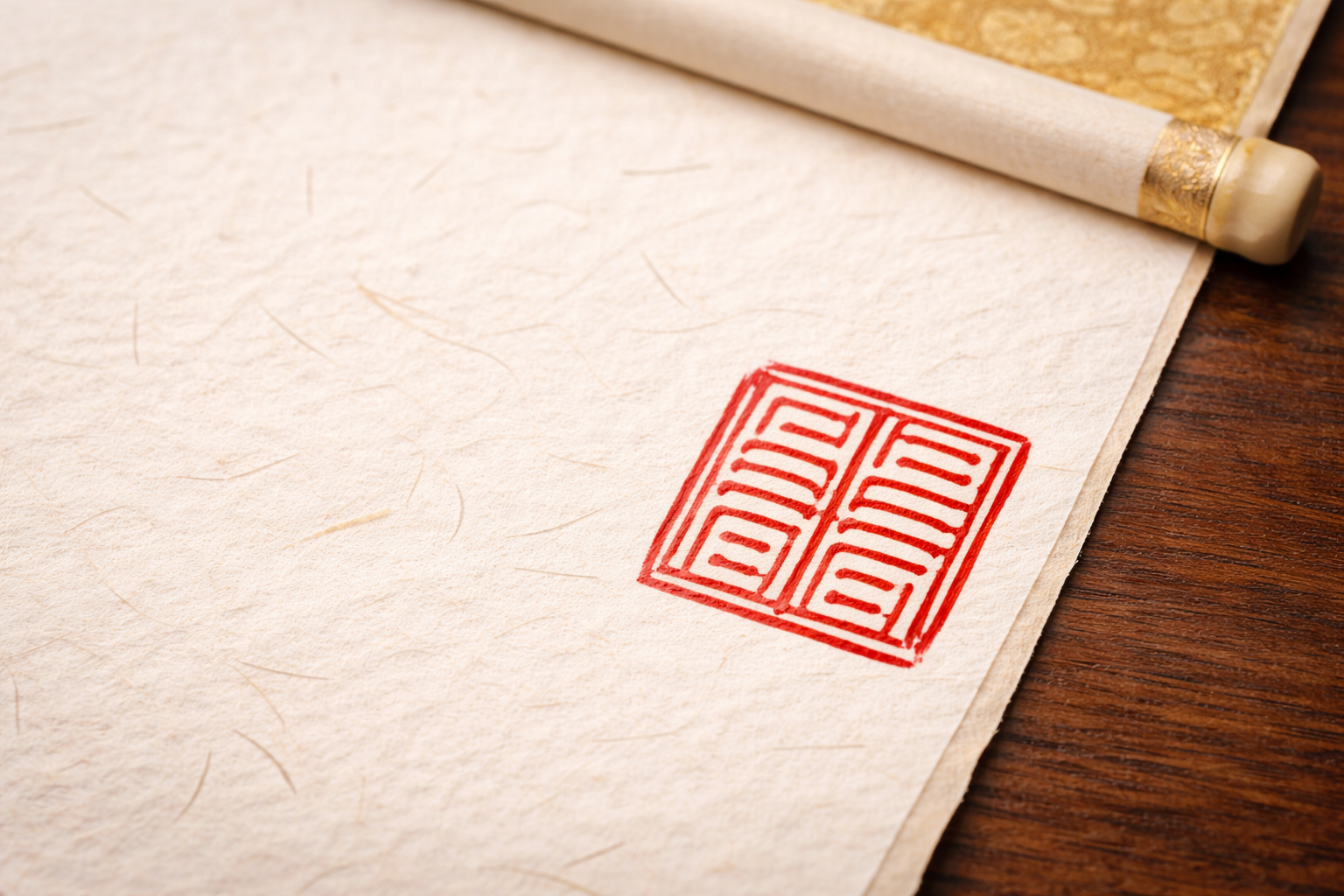
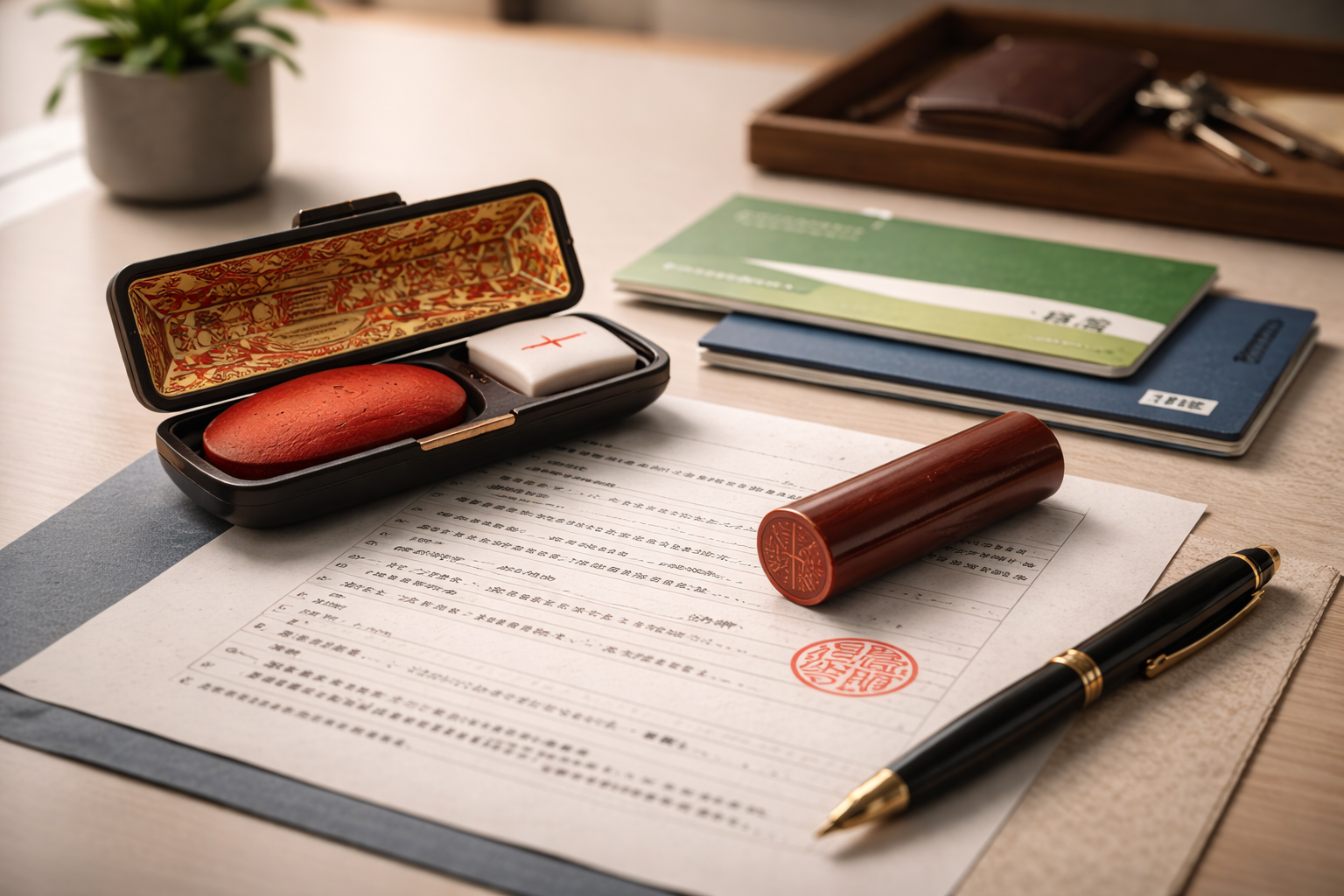
Document with seal impression

Making approval visible

Words alone do not always show the stage or weight of a procedure. The seal helped solve that problem. A stamped document carried not only content, but also visible progress through a recognized process.

This was true not only in companies, but also in government, schools, and local administration.

Seals matched the rhythm of modern Japan

In a faster-moving society, the seal remained useful because it made confirmation, approval, and responsibility visible in a small and powerful way.

Wartime Showa: seals in a controlled society

Under wartime mobilization, paperwork, reporting, orders, allocation, and identification all carried heavier procedural force.

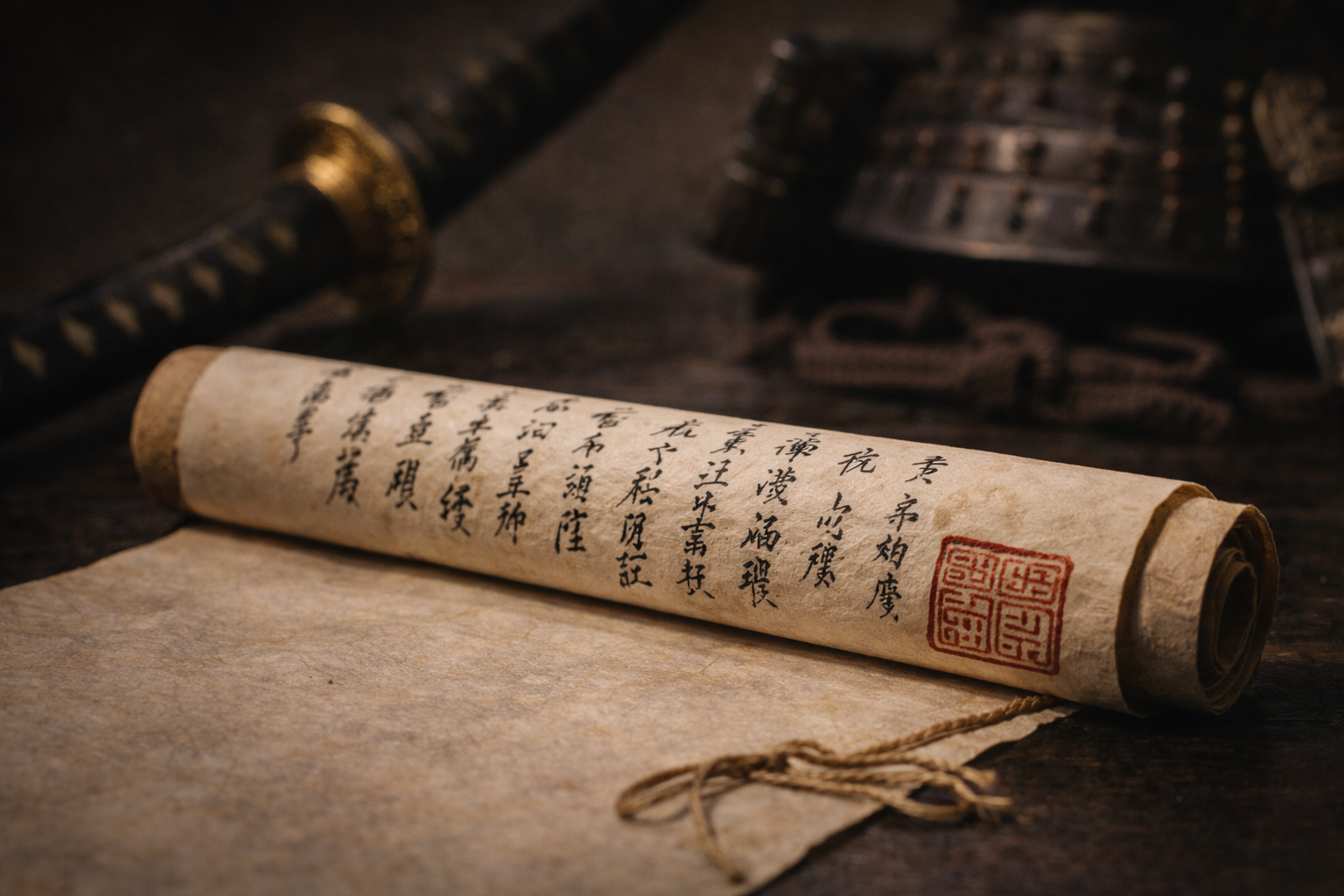
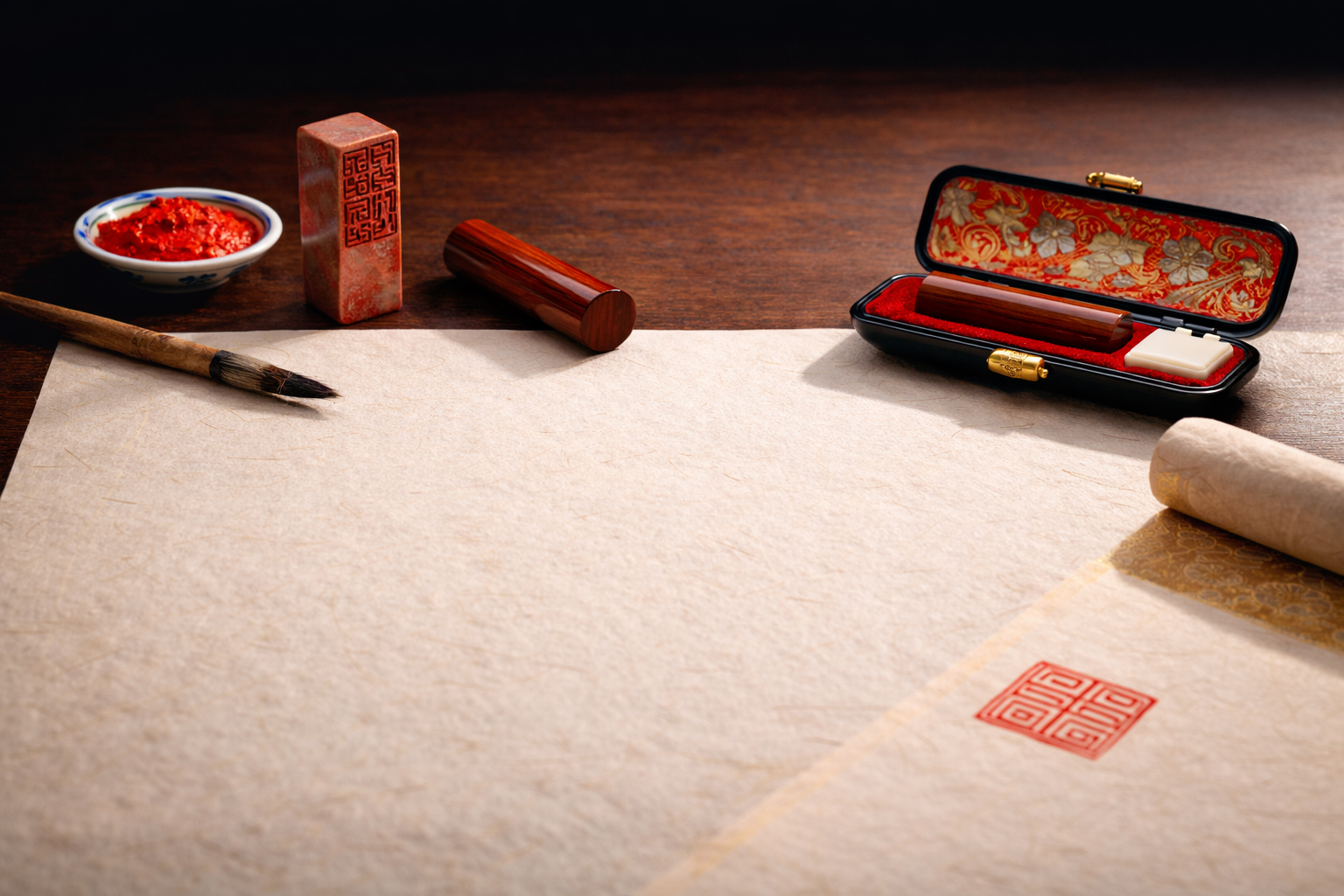
Command-style scroll with seal

The form of command and control

Wartime society placed greater emphasis on properly issued orders and strictly handled procedures. Seals supported that formal structure by making authority and acknowledgment visible.

In this setting, seals were tied not only to trust, but also to administrative control.

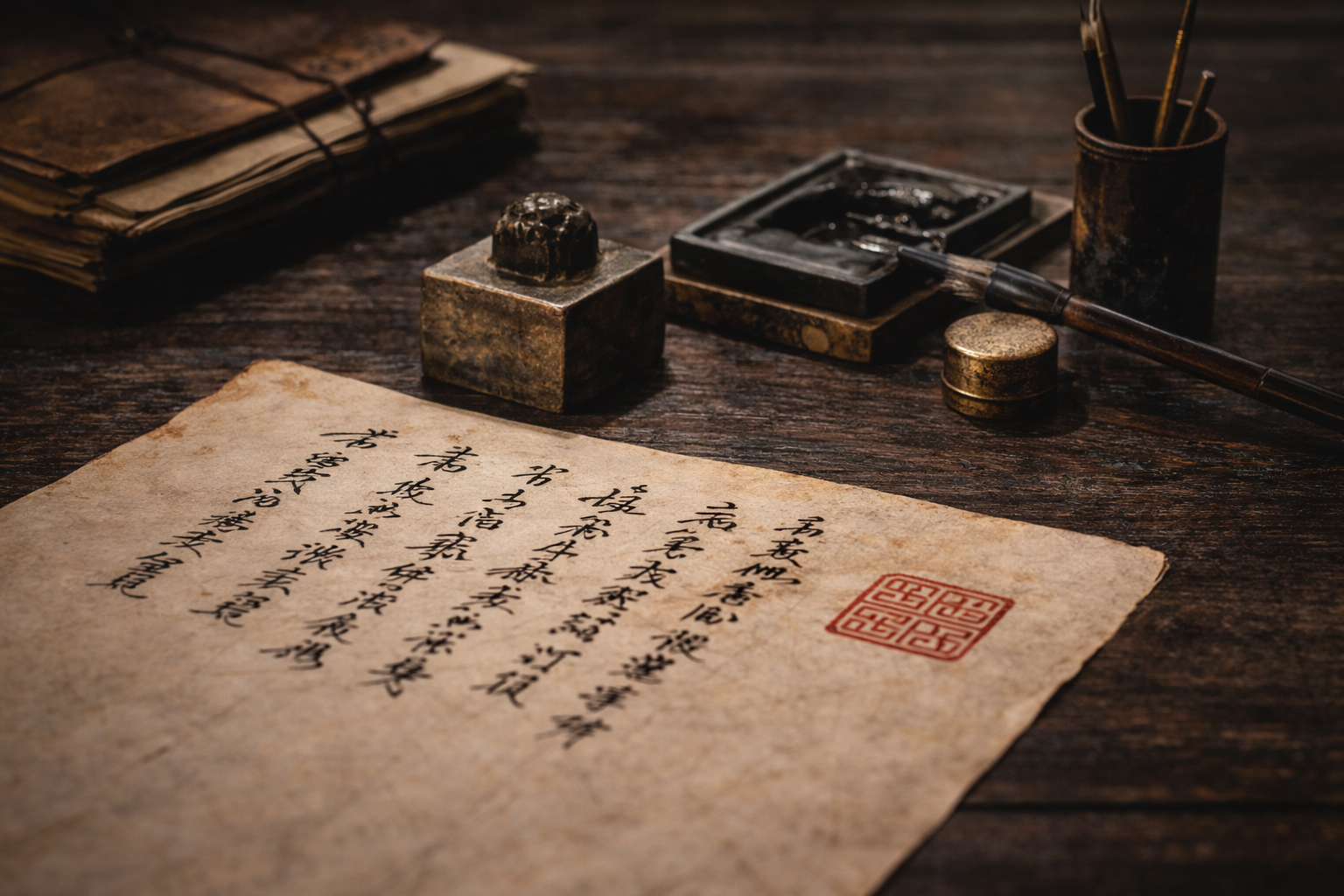
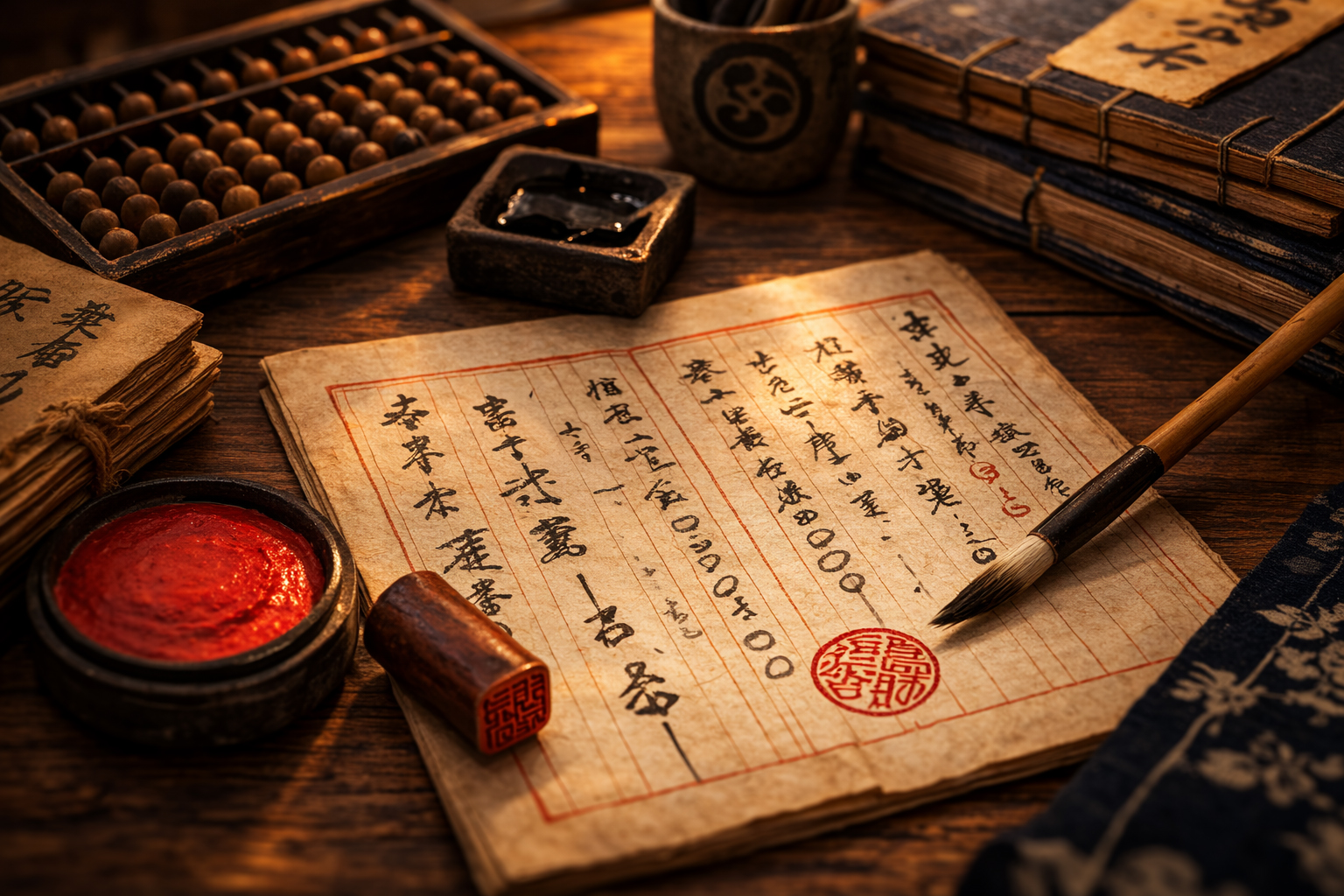
Document table with seal and writing tools

Procedure under pressure

The more documents became tied to duty, supply, registration, and obligation, the stronger the meaning of having passed correctly through procedure became.

In early Showa and wartime Japan, the seal became an even more visible part of a heavily procedural society.

Late Showa and the road into postwar daily life

The end of war did not weaken seal culture. In many ways, it became even more ordinary in postwar society.

Bank-related seal procedure

Personal procedure inside larger systems

In postwar life, distinctions like bank seal, registered seal, and everyday seal became more practically meaningful. Employment, accounts, housing, insurance, and contracts all made the seal central to ordinary procedure.

At this stage, the seal had reached not only institutions, but the center of personal life.

Family desk with hanko

A formal tool kept at home

In Showa households, the seal was stored as a normal household necessity. It was taken out, used when needed, and put away again. That simple rhythm helped connect everyday life to a wider culture of formal responsibility.

The hanko had become a small institution inside the home.

How should we understand seals in Taisho and Showa Japan?

It is more accurate to read this period as one of adaptation and expansion rather than conflict between tradition and modernity.

Why seals remained strong

  • They were easy to read visually
  • They fit document-heavy society
  • They worked well in company and government procedure
  • They spread naturally into banking and household life
  • They signaled formality and reassurance at once

What Taisho and Showa left behind

  • The hanko became an everyday tool of modern Japan
  • It retained distinct force alongside signatures
  • It connected personal life to larger systems
  • It laid the groundwork for strong postwar seal culture

Related pages

This page connects naturally to postwar seal culture, the longer spread from state power to daily life, and the history of trust.