History Feature

Seals in the Meiji Period

Seals in the Meiji period were not simply remnants of old Japan. They took on renewed meaning inside the institutions of the modern state: registration, companies, banks, contracts, personal responsibility, and formal procedure. Meiji seal culture is best understood not as tradition surviving modernization, but as tradition being reorganized within modern Japan.

hanko.co.jp History / Feature Reading time 10–13 minutes

The Meiji Restoration transformed not only politics, but also the ways identity, responsibility, and documentary validity were handled. New state institutions, registries, companies, banks, contracts, and property systems all required clearer forms of confirmation.

The seal fit this changing world remarkably well. By the Meiji period, seal culture had already spread socially in earlier eras, but now it was further organized into the workings of the modern state and modern life.

The Meiji Restoration and the reorganization of confirmation

To build a modern state meant to reconnect persons, households, companies, property, and procedure in a new way.

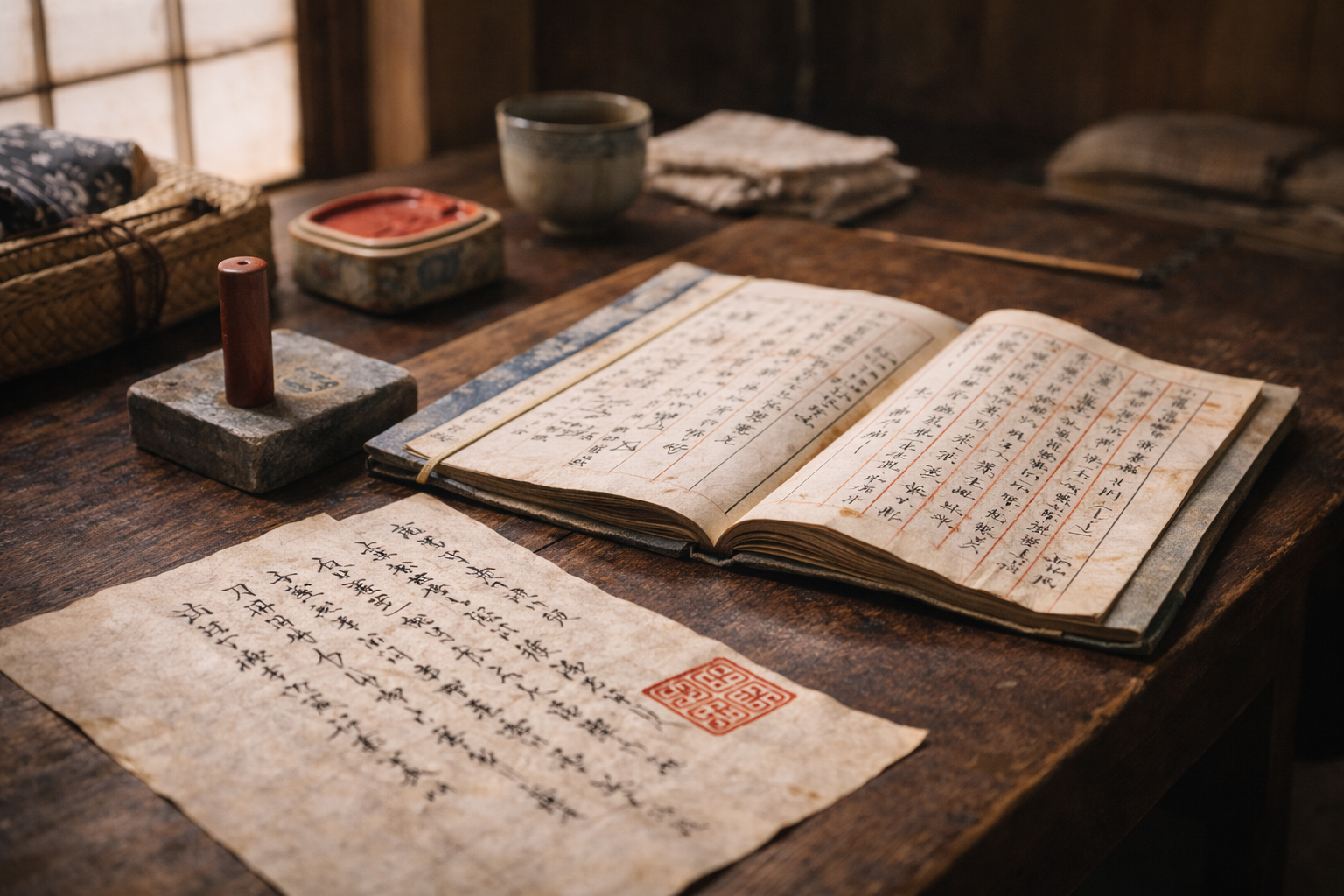
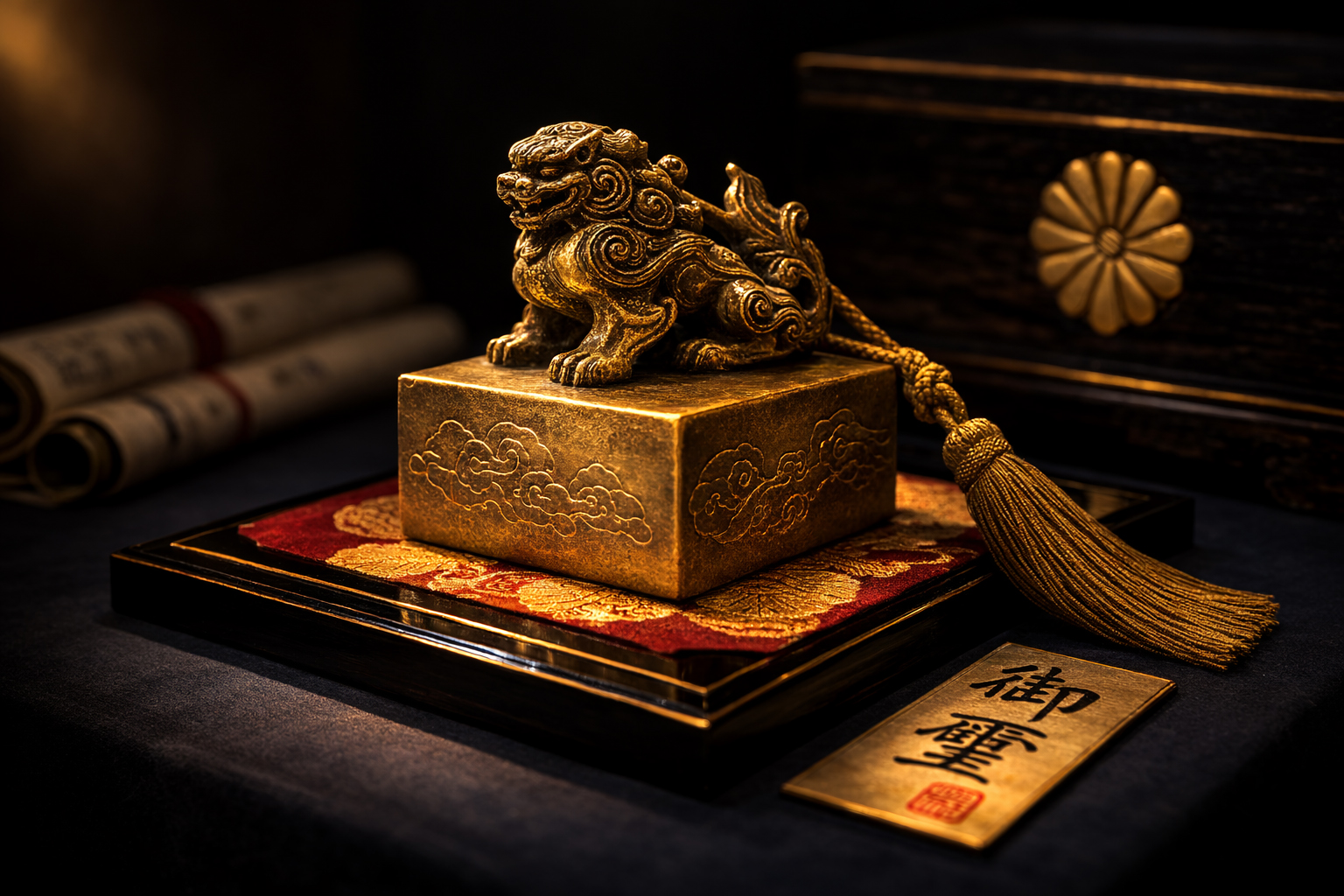
Museum-style display of an official seal

The modern state still needed seals

Meiji modernization did not abolish seal culture. On the contrary, the new state needed visible, formal means of managing large populations, broad territories, and increasingly uniform procedures.

The seal was both an older tool of authority and a practical instrument for the modern state.
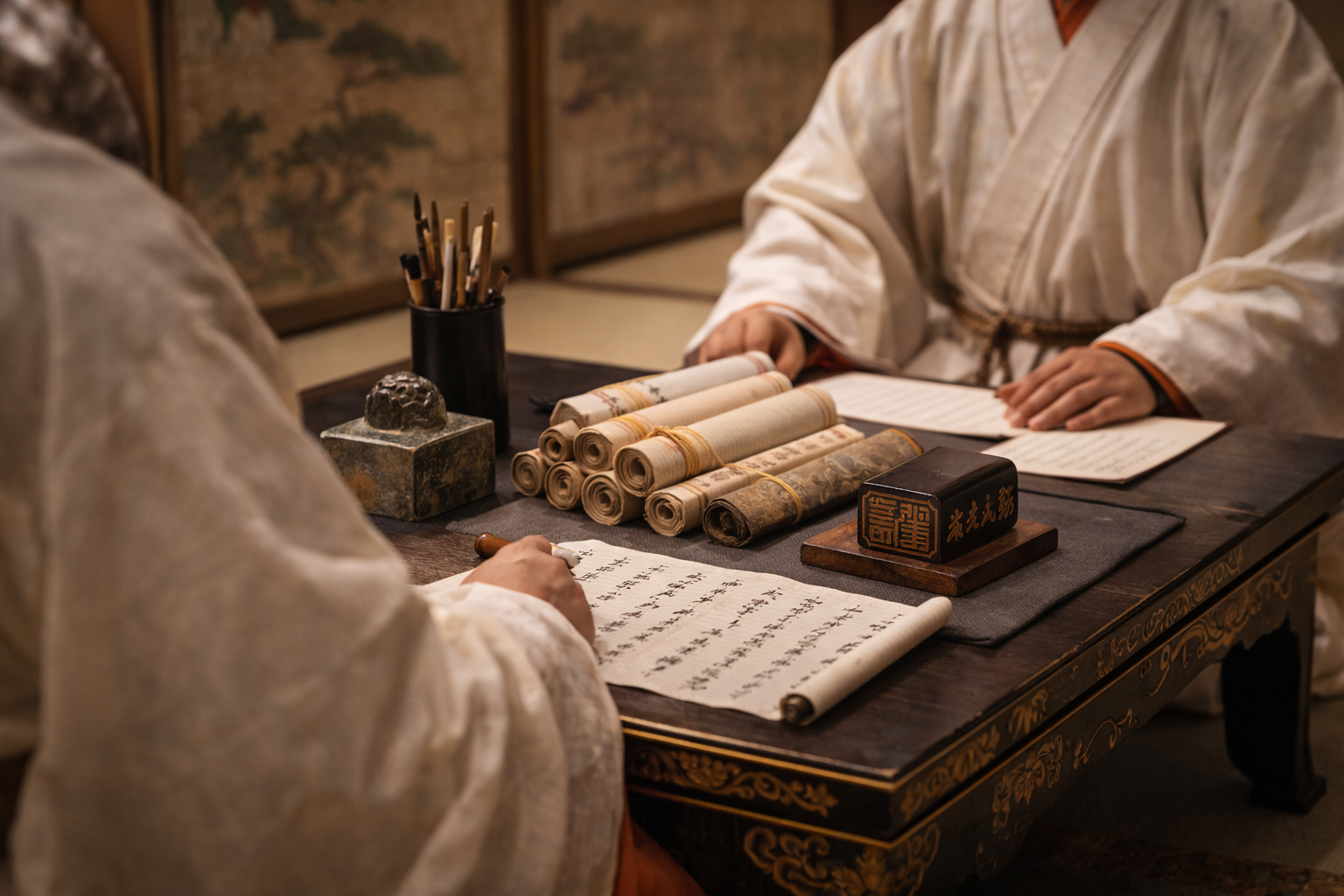
Administrative setting

Unified systems, credible documents

Meiji institutions required documents that could circulate nationally. To reduce local variation and make procedure legible across distance, forms of visible confirmation mattered greatly.

A document needed more than content. It also needed a recognizable form.

Meiji seal culture was not a relic. It was also a form of order and confirmation required by the modern state.
— hanko.co.jp historical note

The strengthening of formal personhood

Meiji was also a period in which individuals were handled more explicitly inside modern institutional systems.

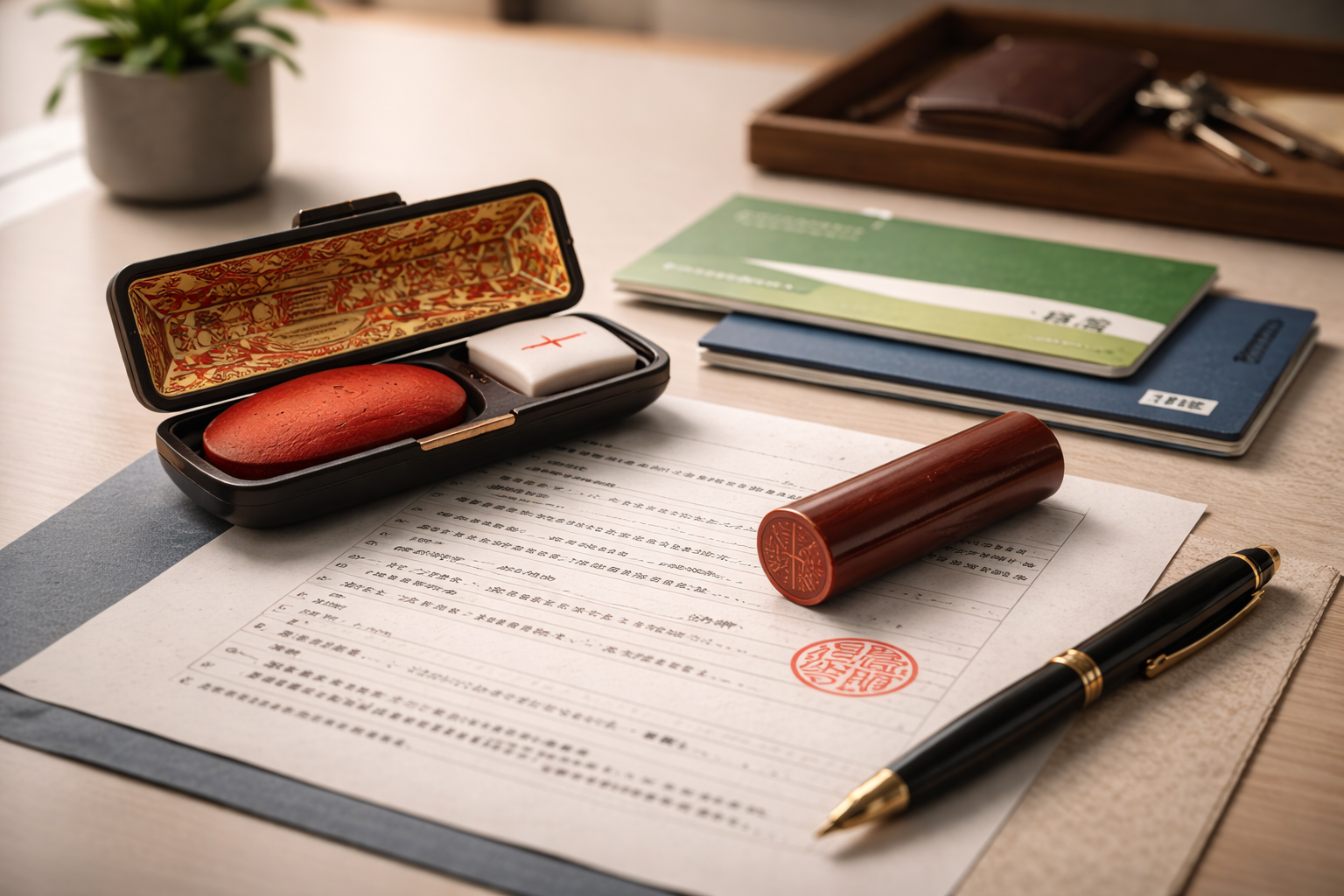
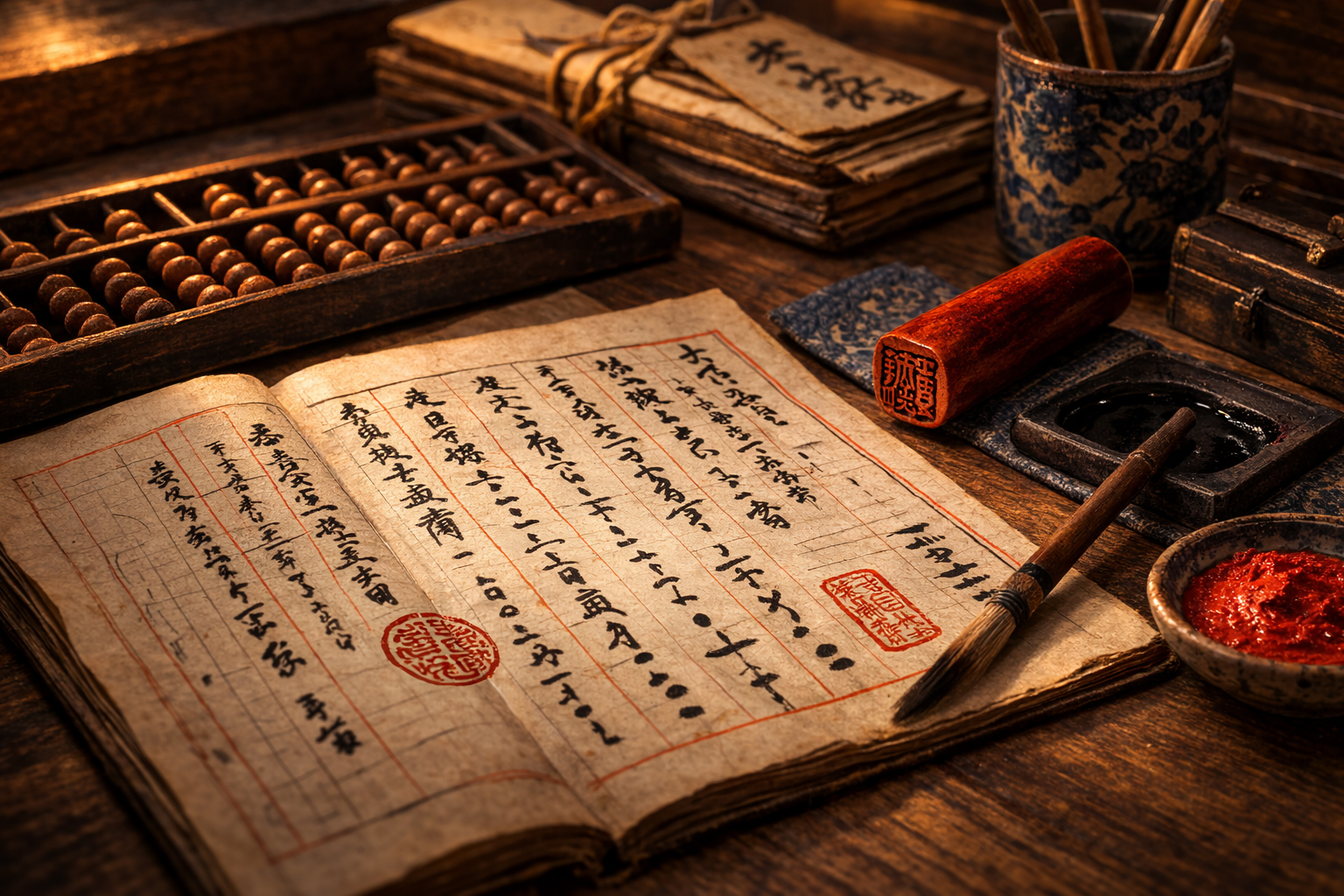
Desk with hanko and formal papers

A form that said “this person”

With registries, contracts, notifications, property, and employment taking new modern form, more situations arose in which a person’s formal identity had to be recognized inside procedure.

The seal became a highly practical sign of formal personhood within the institutional world.

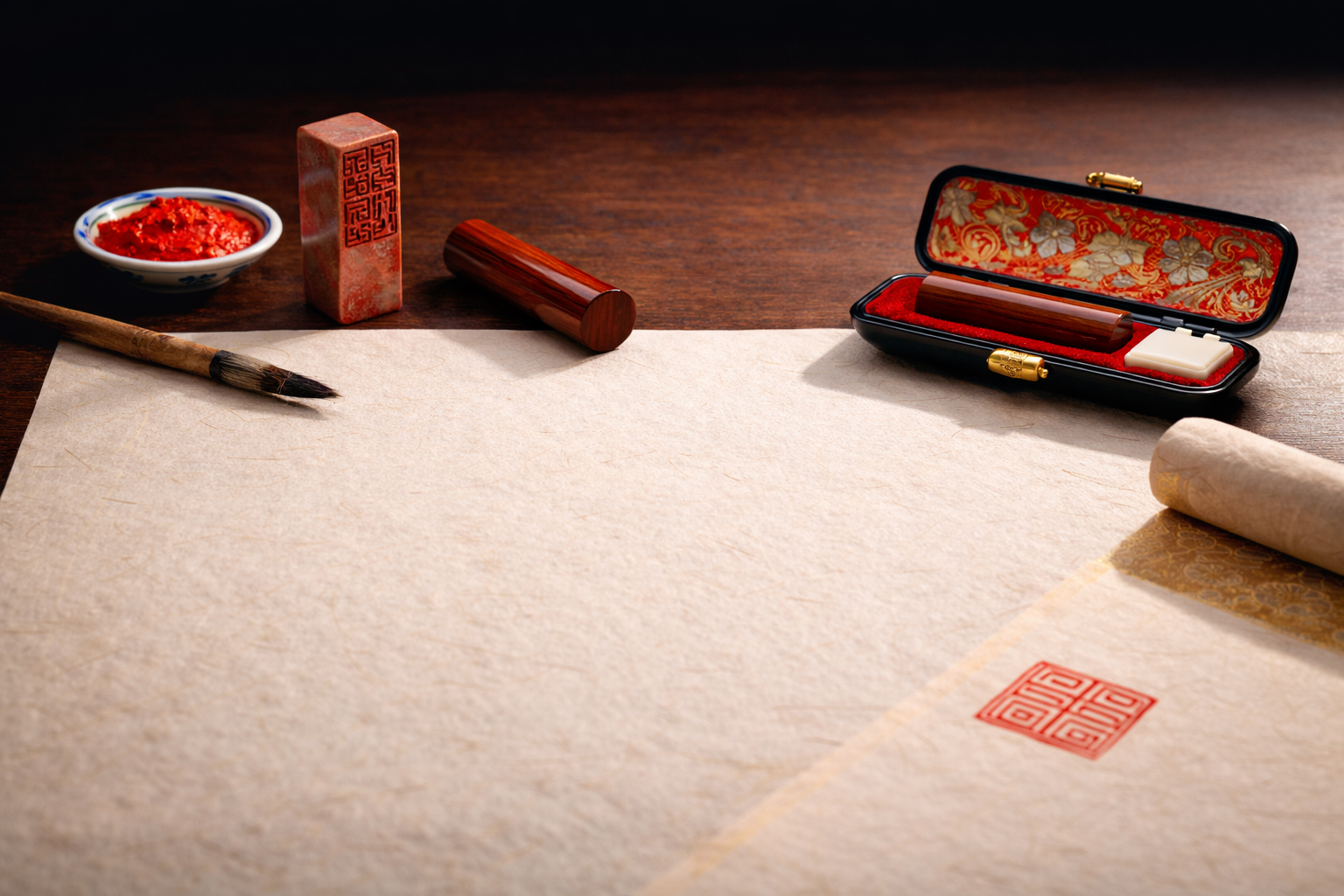
Contract desk with hanko

Seals in contract society

As property and contract relations modernized, responsibility needed to be made visible. The seal became one of the ways a person’s acceptance and accountability could be rendered in formal documentary form.

In this sense, Meiji seals served not only authority, but practical contract society.

Companies and banks modernized seal culture

The Meiji seal did not become stronger through the state alone. Companies and banks were equally important.

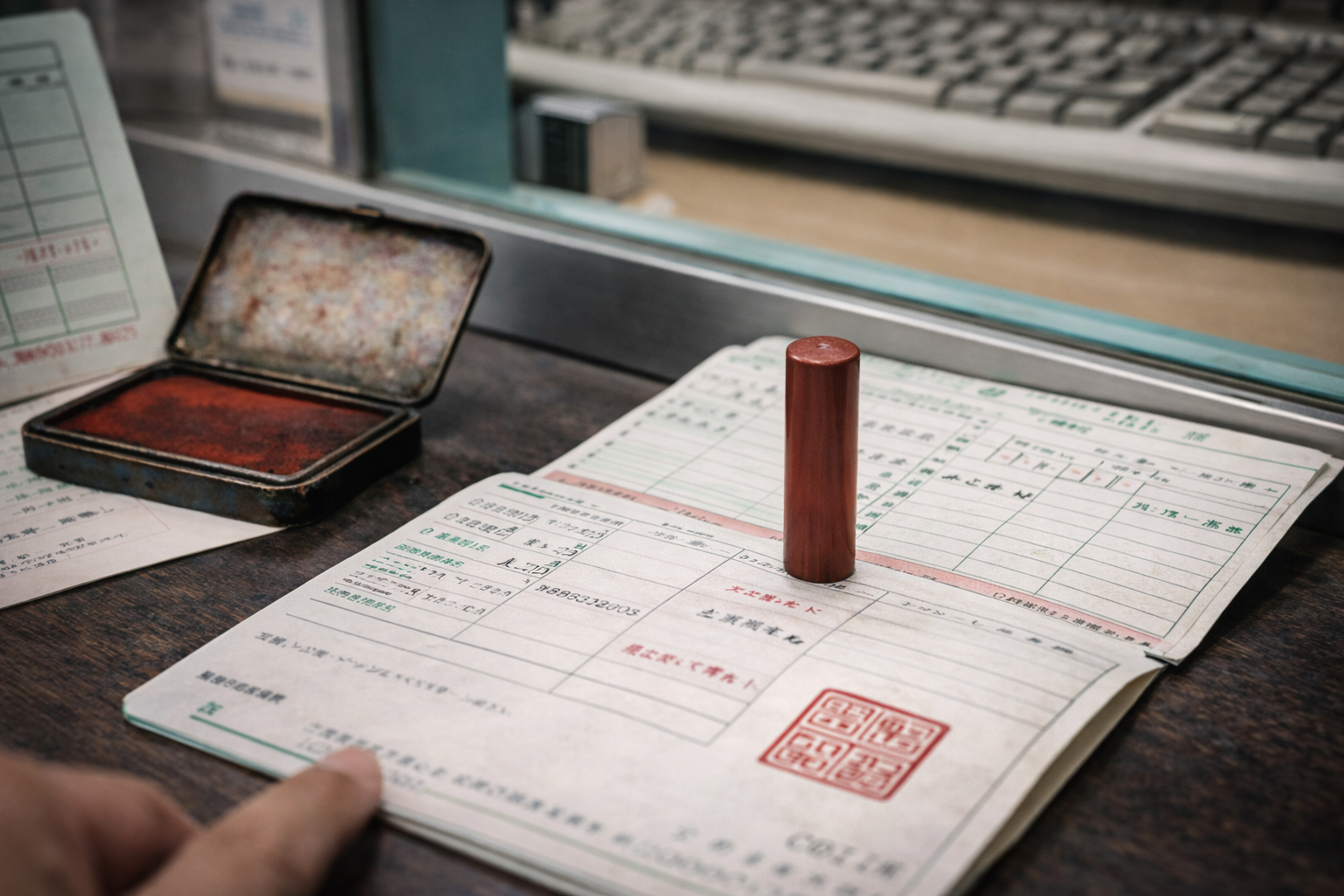
Bank counter with hanko and papers

The feeling of the bank seal

Banks were one of the most important places where individuals met formal systems in everyday life. Deposits, identification, notifications, and withdrawals all made seals a natural bridge between person and institution.

Meiji banking helped lay the groundwork for the later everyday culture of the bank seal.

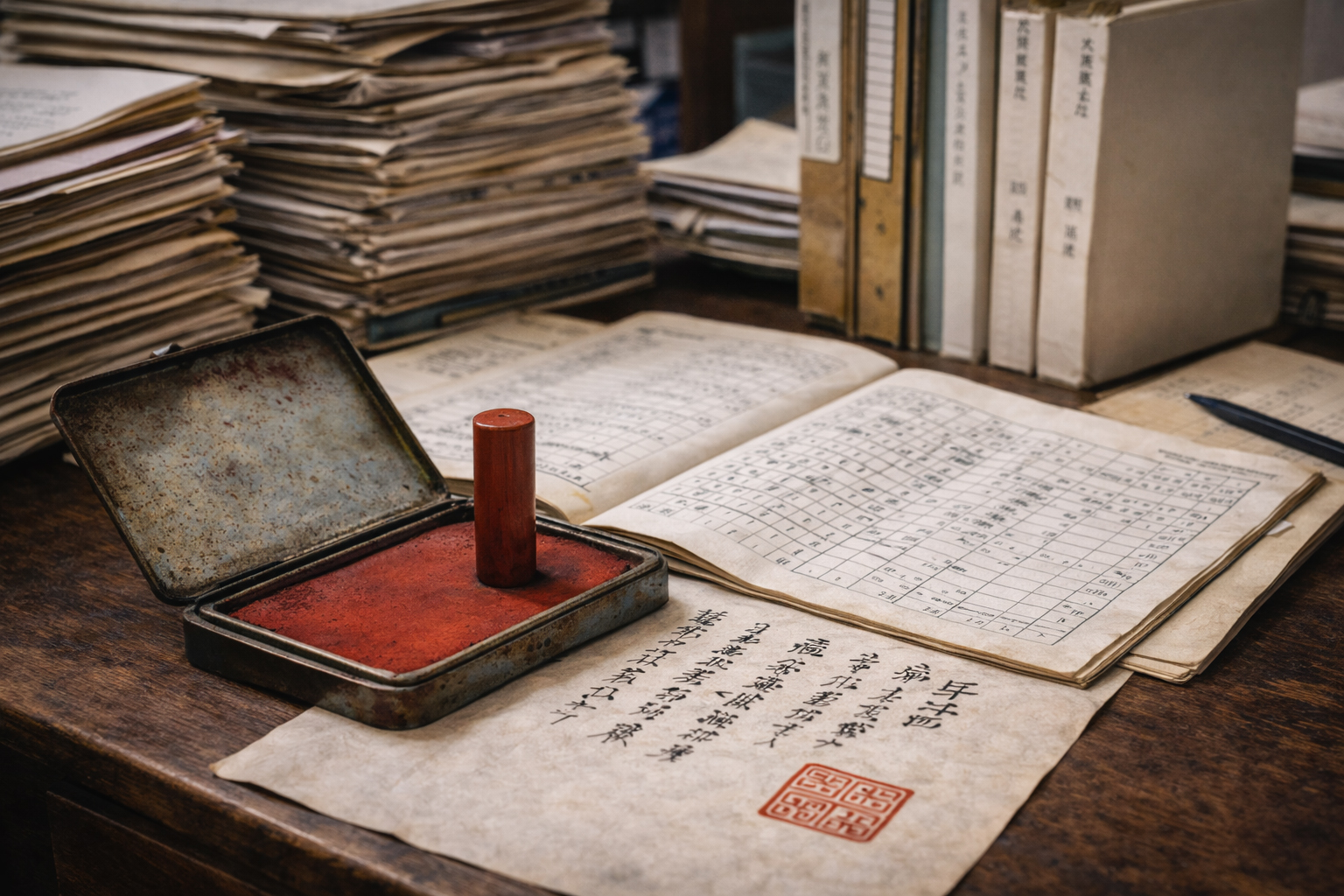
Office paperwork with seal

Company documents and approval

As company organization spread, so did the need to clarify receipt, approval, and responsibility within and between organizations. The seal was well suited to that requirement.

This Meiji development became one of the foundations for the stronger company hanko culture of Taisho and Showa.

Meiji seals stood between tradition and modernity

They carried forward older forms while taking on new work inside the modern state, the company, the bank, and the contract-centered world.

Into the household and daily life

Meiji was also a period in which seals moved closer to the routine practical life of broader society.

Household desk with seal

A formal tool kept at home

A seal kept in the home meant more than possession of a stationery item. It meant access to a form of formal confirmation through which a household or individual could connect to institutions.

This feeling would become even more familiar in the household seal culture of later eras.

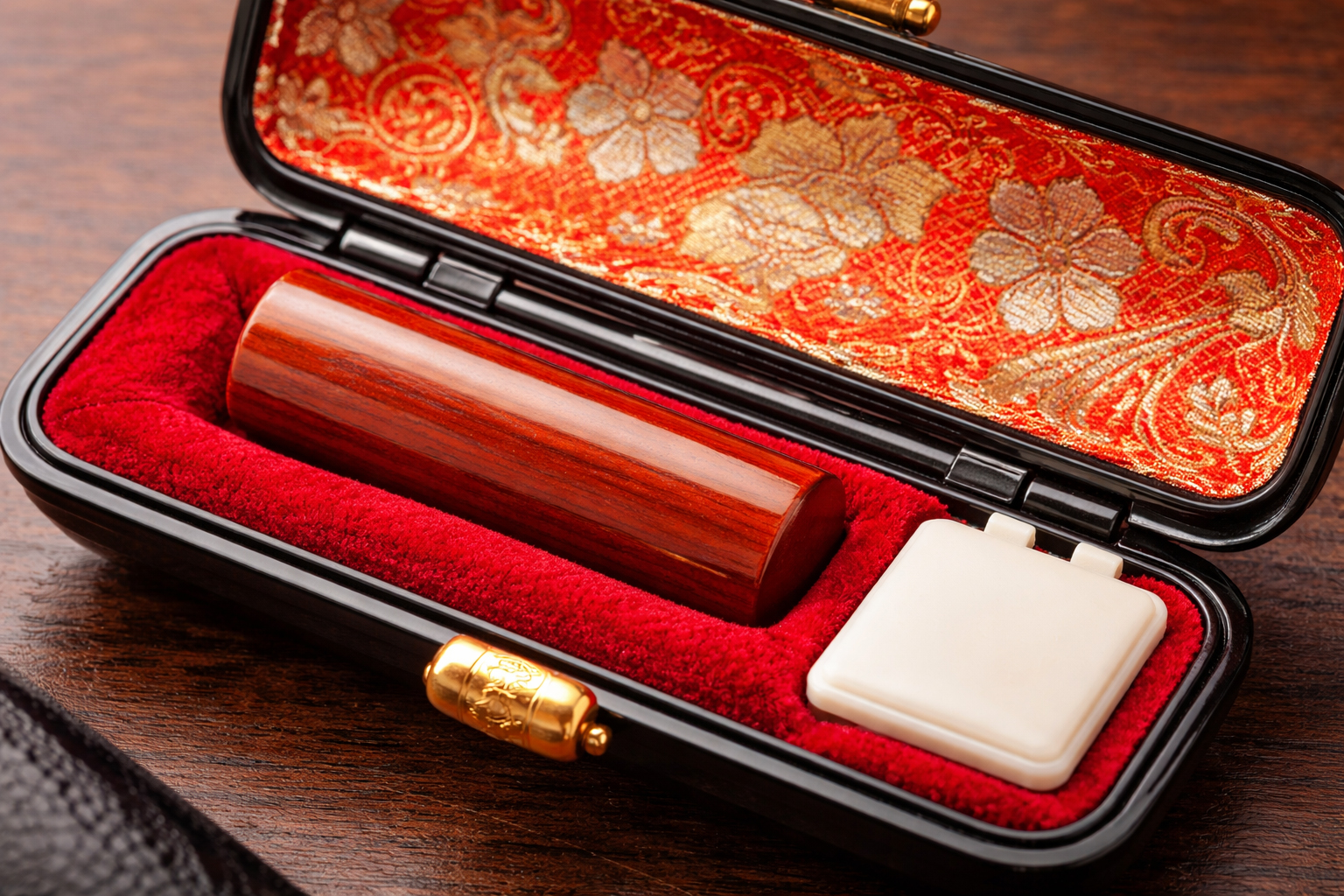
Seal case detail

The seal as a personal possession

Meiji culture also strengthened the idea of properly owning, keeping, and using a seal. In that sense, the seal became part of the emotional and practical equipment of modern life.

It was at once a formal tool and an object associated with personal responsibility.

How should we understand Meiji seal culture?

It is more accurate to see Meiji seals as the systematization and reorganization of tradition rather than its simple preservation.

The strengths of seals in Meiji Japan

  • They were visually legible forms of confirmation
  • They fit well with the modern state
  • They supported formal personhood
  • They adapted to banks and companies
  • They helped make responsibility visible in contract society

What Meiji left behind

  • Seal culture was reorganized inside the modern state
  • The personal seal gained stronger institutional meaning
  • Banks, companies, and contracts gave seals new life
  • It laid the groundwork for Taisho and Showa seal culture

Related pages

This page bridges Edo and the later modern eras, connecting naturally to Taisho, Showa, postwar life, and the history of trust.