History Feature

Origins of Seals in East Asia

To understand Japanese hanko culture properly, it is not enough to look only at Japan. Seals developed within a larger East Asian world of documents, state formation, and visible authority. Above all, seal culture became powerful in China as part of government and documentary order, and from there its forms and meanings spread into Japan and Korea.

hanko.co.jp History / Feature Reading time 9–12 minutes

A seal is never just a small object. It is a way of making visible who commands, who owns, what document is official, and what order stands behind it.

In East Asia, this form became especially powerful first in China, where seals were deeply tied to state, office, writing, and bureaucracy. From there, Japan adopted seals through state formation in the 7th century, while Korea also developed a rich history of official, royal, and governmental seals of its own.

China: the great matrix of East Asian seal culture

The strongest early center of East Asian seal culture lies in the world of the Chinese state and its documents.

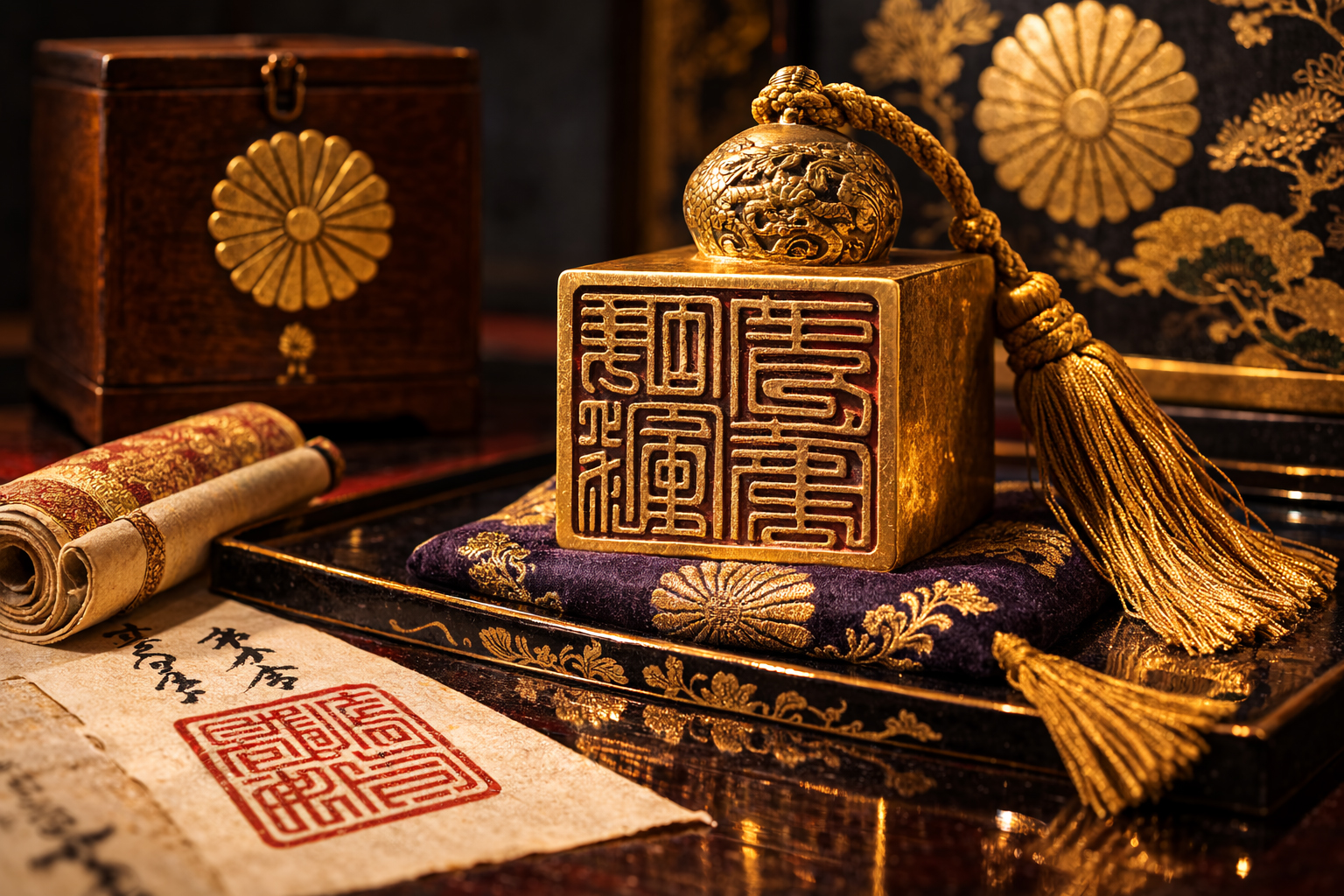
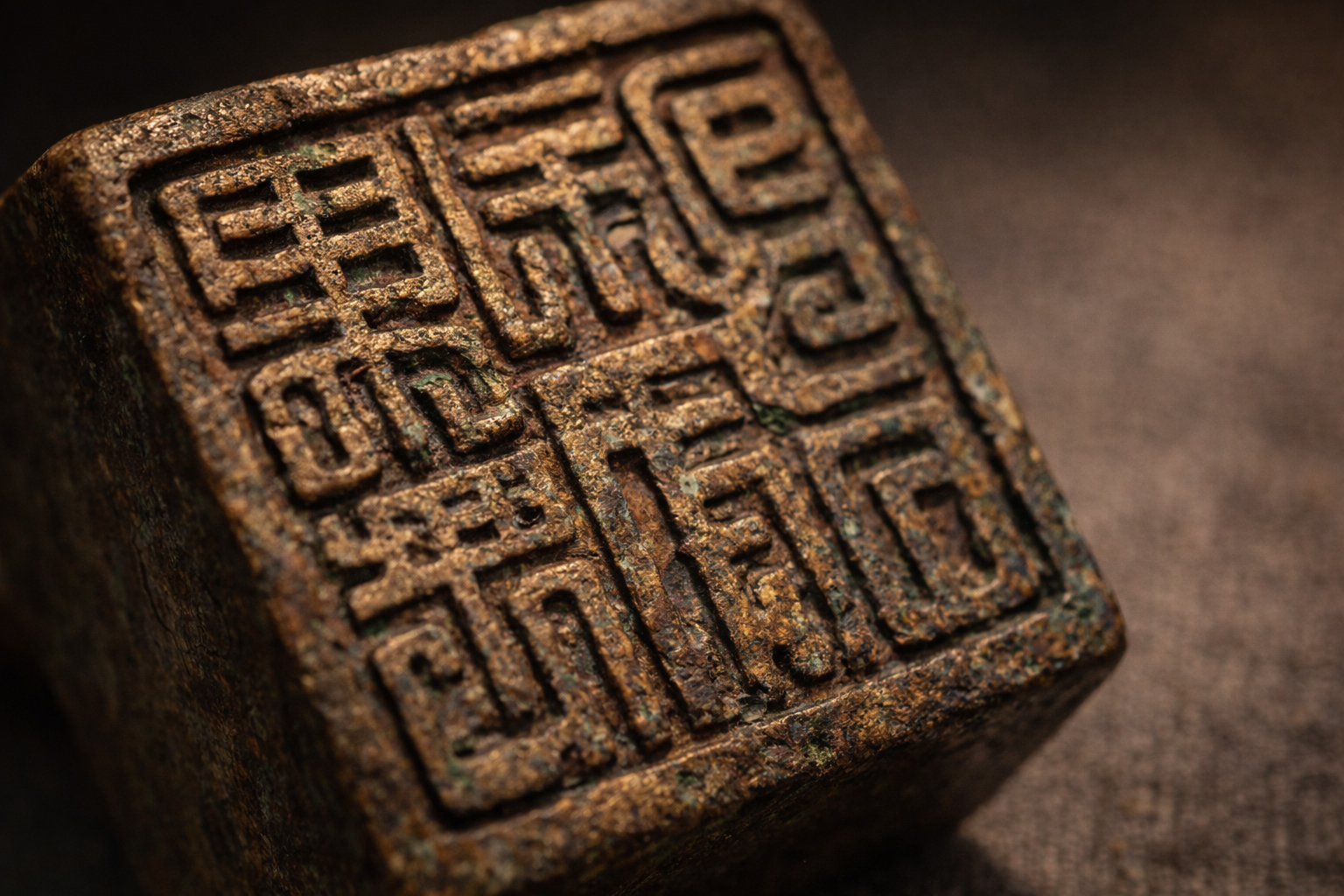
Close-up of an ancient-style metal seal

The seal as a form of authority

In China, seals became important at an early stage as marks of office, authority, rank, and documentary validity. They helped give documents force, make ownership and command visible, and condense political order into a very small form.

In this setting, the seal was not simply a private object. It was a technique of rule.
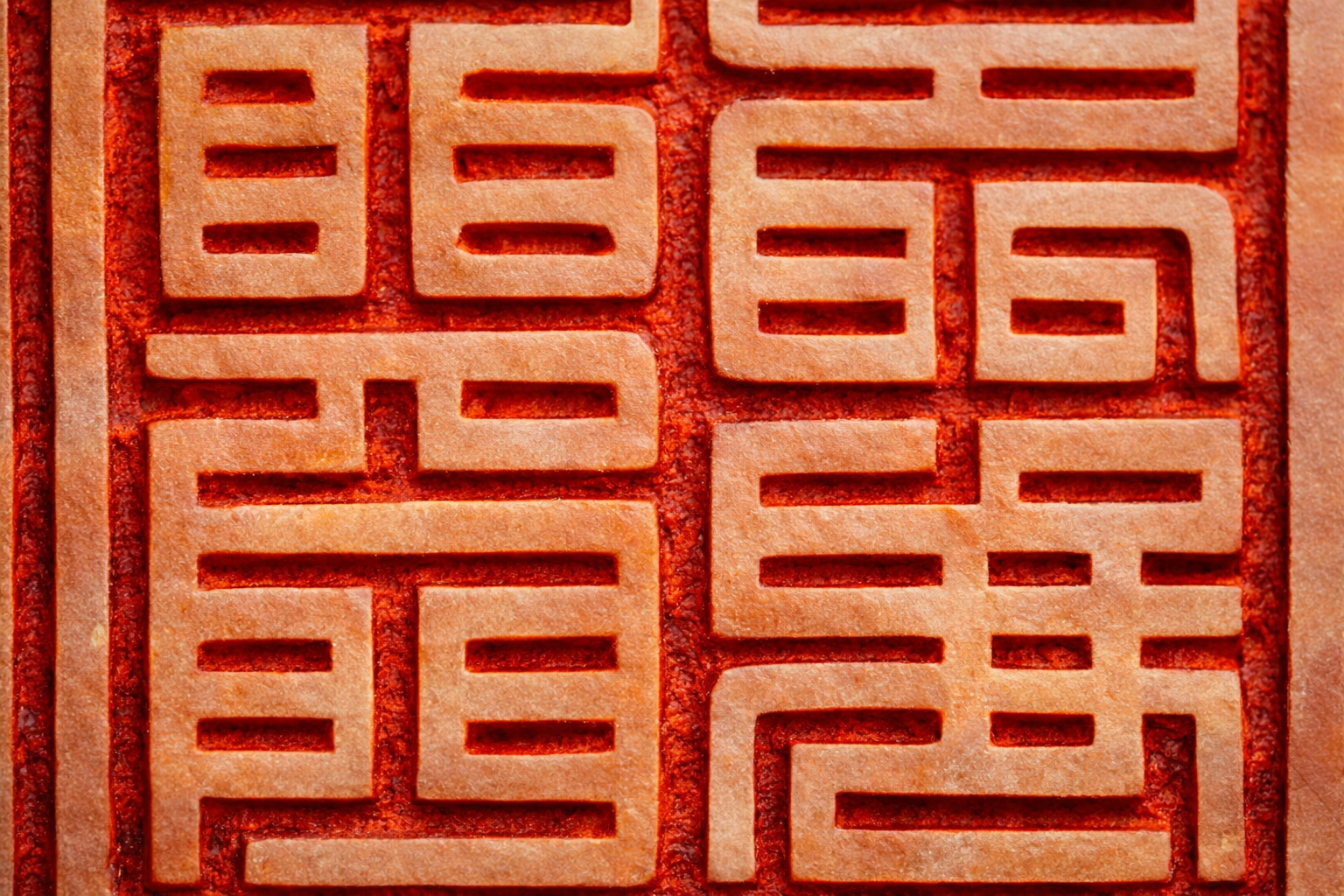
Close-up evoking seal script geometry

Writing and form joined together

Part of the power of Chinese seal culture lies in the fact that writing itself becomes form. Seal characters do more than spell out a name: they carry authority and style in their very shape.

This way of thinking would deeply influence later seal cultures in Japan and Korea.

East Asian seal culture grew first and most powerfully in China as a form of state, office, and documentary order.
— hanko.co.jp historical note

Japan: from institutional reception to a distinctive culture

In Japan, seals entered first from the side of state formation rather than everyday life.

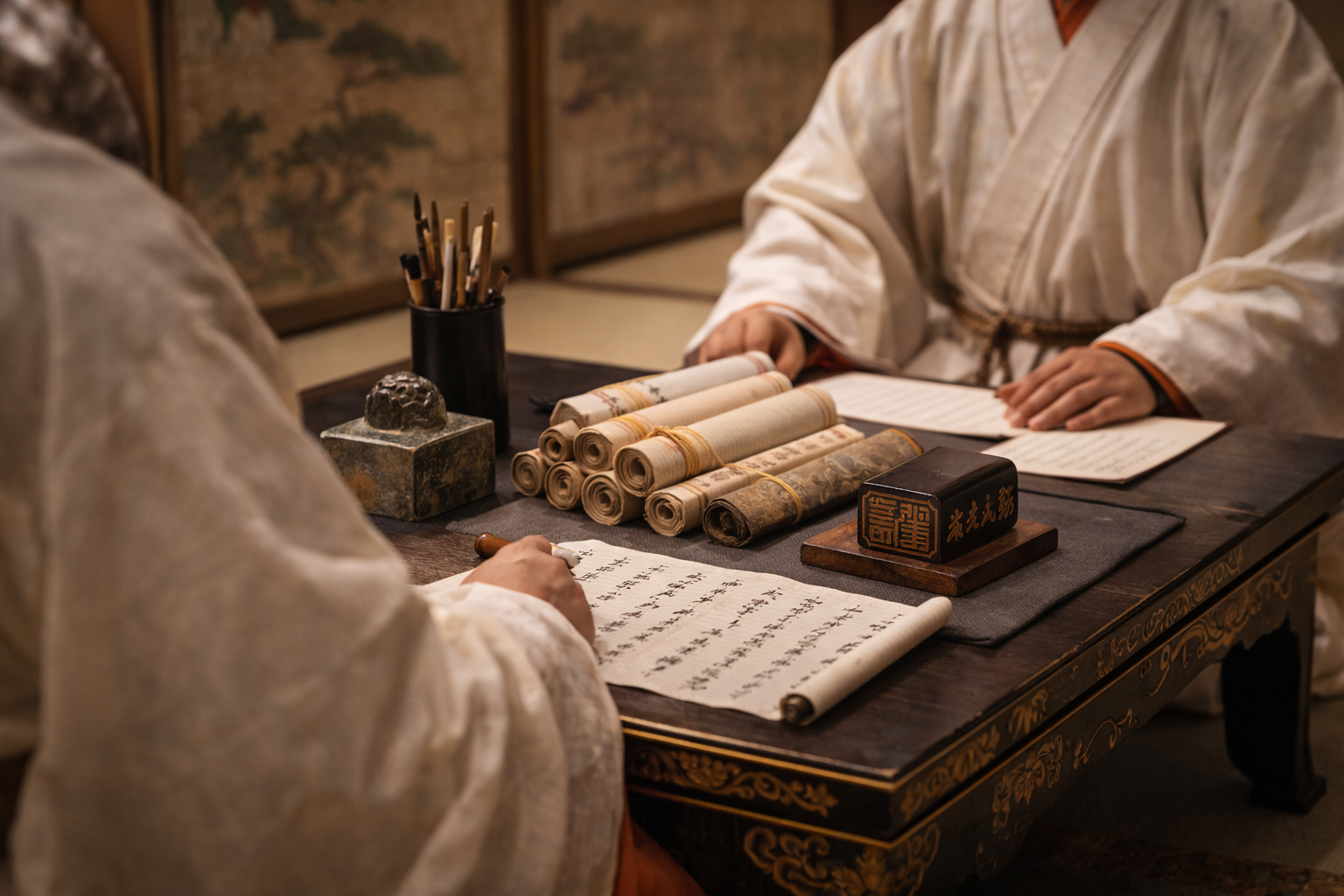
Administrative scene inspired by Asuka and Nara Japan

Asuka and Nara

Official seal use in Japan begins with the reception of Chinese institutions in the 7th century. In Asuka, seals appear as part of state-building; in Nara, they are more fully integrated into administration and record.

The Japanese history of seals therefore begins first on the side of government form.

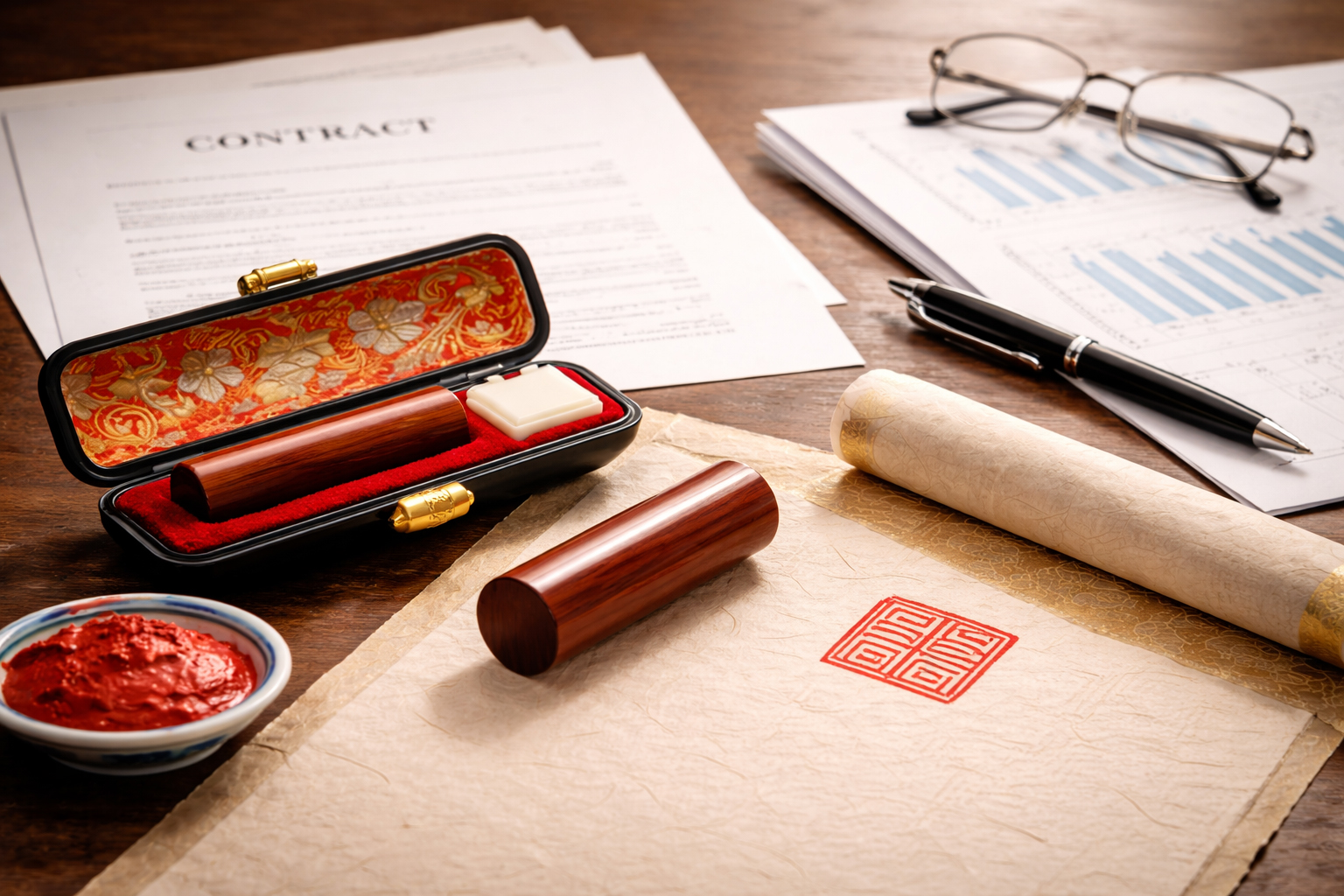
Bridge between old and new paperwork

A later Japanese expansion

But Japan did not simply copy China forever. Over time, seals in Japan entered court refinement, warrior documents, early modern commerce, modern personal registration, and even household procedure.

Japanese hanko culture begins in reception, but grows through long adaptation.

East Asian seals do not become the same culture everywhere

China provides the major matrix, but Japan and Korea each develop their own meanings and uses.

Korea: seals of kingship and government

On the Korean peninsula, seals also became deeply important in royal power, state administration, and documentary order.

Display evoking royal authority seals

Royal and official form

Korean seal culture developed strongly through kingship, government appointments, military administration, and royal commands. Here too, seals were institutional before they were merely personal.

The seal served as a visible form of state and royal order.

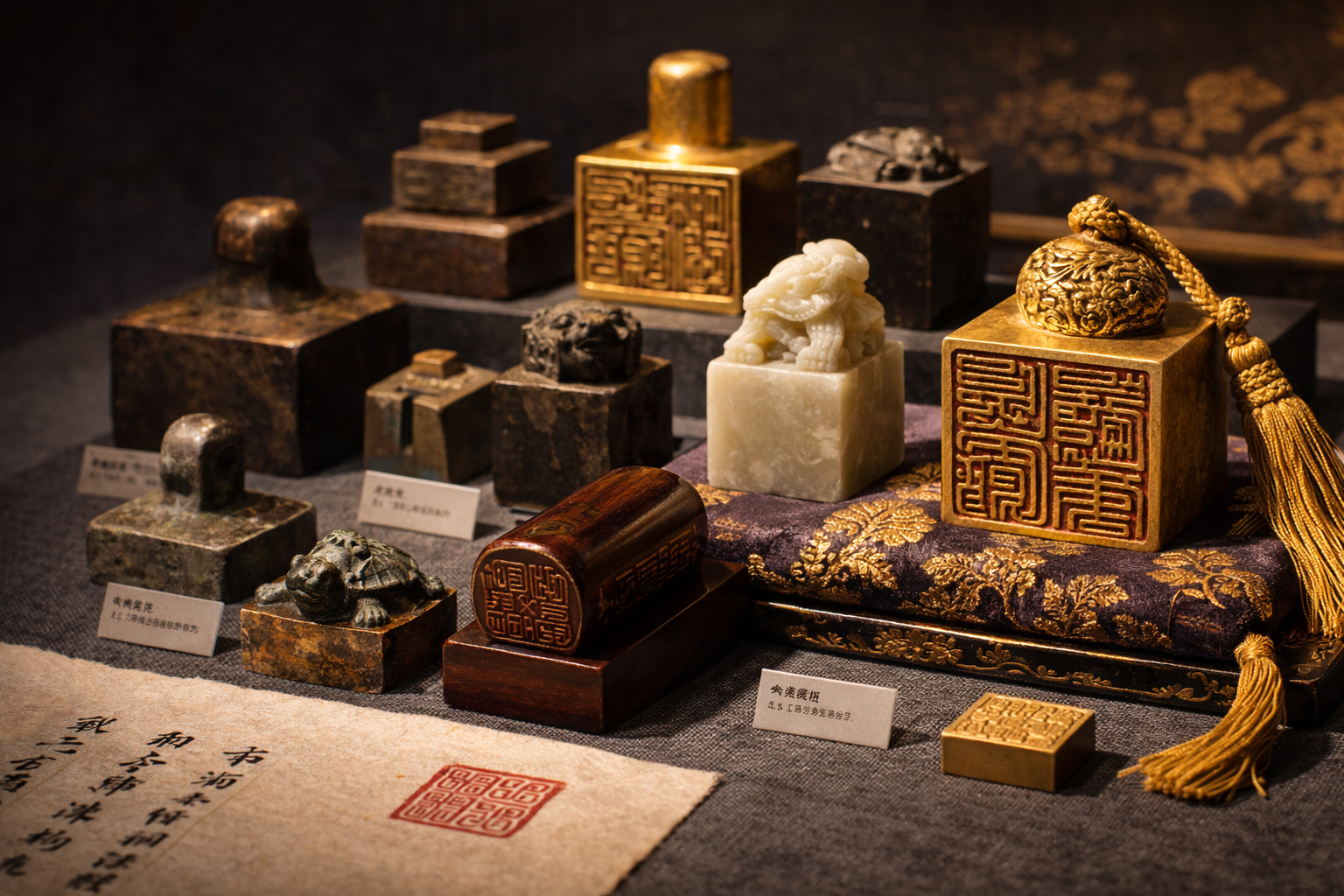
Curated arrangement of seal objects

A distinct development within a shared world

Korean seal history remained closely connected to the broader Sinosphere, but it developed its own royal, bureaucratic, and dynastic forms over time.

East Asian seal history is therefore better seen as a branching tradition than as a single straight line.

What East Asian seal cultures share

China, Japan, and Korea each followed different paths, but they retain a common seal logic.

Shared traits

  • Seals made authority visible
  • They gave documents legitimacy
  • They were closely tied to state and office
  • Writing itself carried force through formal script
  • Seals were small objects with very large political meaning

Different local outcomes

  • China developed the deepest early state seal culture
  • Japan later expanded seals more broadly into everyday life
  • Korea developed strong royal and governmental seal traditions of its own
  • The relation between beauty, office, and personal use differed across regions

How should we read the origins of seals in East Asia?

East Asian seal history is not simply “China invented it and others copied it.”

It is certainly important that China forms the great matrix. But Japan and Korea each took the seal into their own politics, documents, societies, and aesthetics.

The origins of seals in East Asia are therefore both a story of shared civilizational form and a story of local reinterpretation. That double movement is what makes East Asian seal history so rich.

Related pages

This page leads naturally into ancient Japan, the Gold Seal of Na, and the broader history of the hanko.