Are hanko and inkan the same thing?
In everyday usage, they are often close in meaning. But depending on context, inkan may refer more specifically to the seal object itself, while hanko can feel broader and more conversational.
FAQ
Japanese seal culture overlaps with everyday life, law, administration, craft, and digital change. That is why the same word can seem simple in one context and technical in another. This page gathers the most common questions readers ask across hanko.co.jp.
In everyday usage, they are often close in meaning. But depending on context, inkan may refer more specifically to the seal object itself, while hanko can feel broader and more conversational.
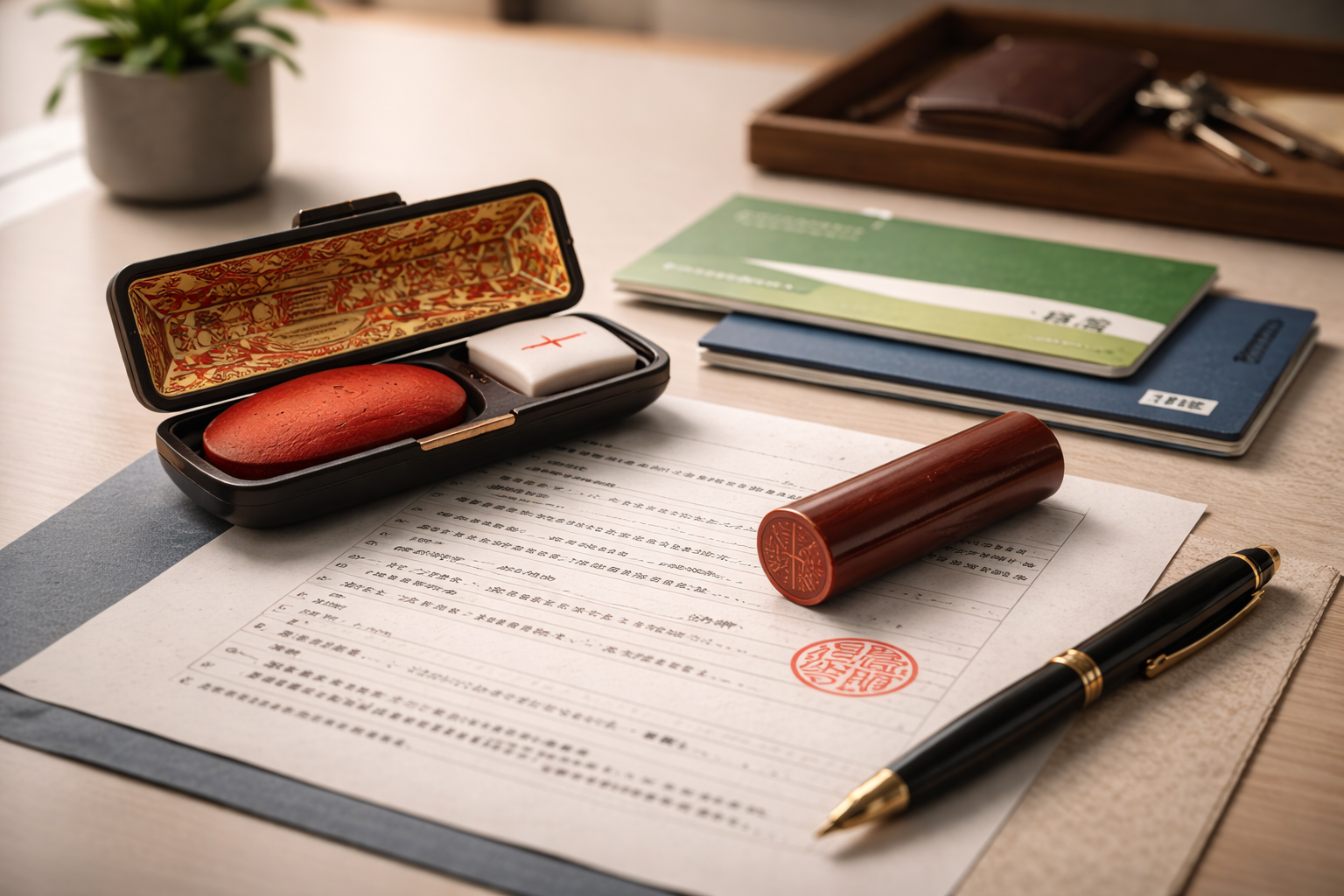
A jitsuin is the seal officially registered with a municipality. It is treated as the most formal ordinary personal seal in Japan.
A mitome-in is an everyday seal used for lighter acknowledgments, receipt confirmation, or routine procedural use. It is not the formally registered seal.
A bank seal is the seal registered with a financial institution for account-related procedures. Many people traditionally kept it separate from their jitsuin.
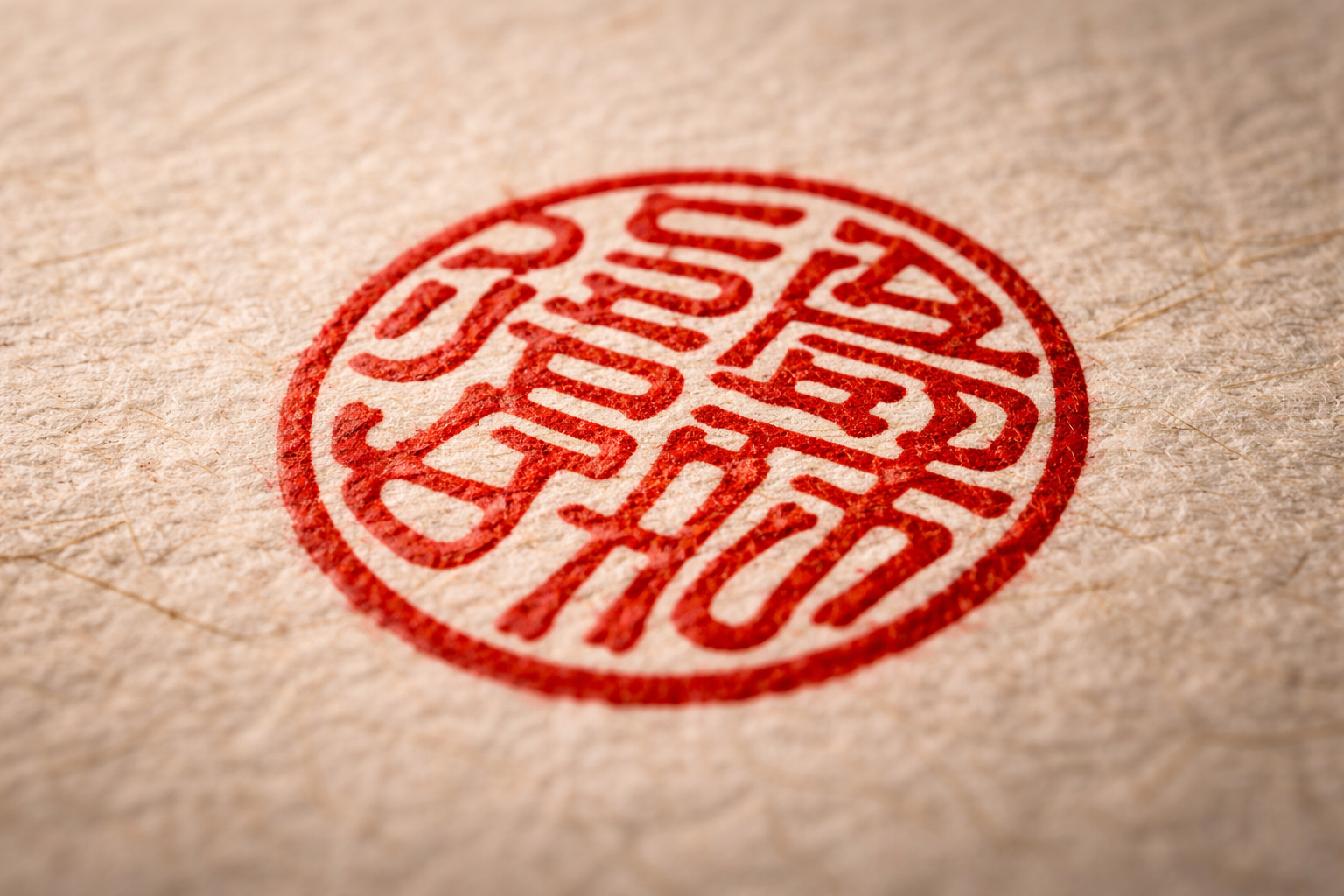
Seal registration is the municipal procedure by which a person officially registers a seal. Once registered, that seal becomes the jitsuin.
It is the official certificate proving that the registered seal impression is on file for a specific person in the municipal system.
No. The jitsuin is the registered seal itself. The seal registration certificate is the document proving that registration.
In practice, municipalities commonly treat one registered seal per person as the rule, though exact local procedure should always be checked directly.
Usually from the municipality. In many areas, it can also be obtained at convenience stores with a My Number Card, depending on local availability. The Digital Agency’s My Number Card materials and dashboard explain that supported municipalities can provide certificates such as seal registration certificates through convenience-store issuance. :contentReference[oaicite:4]{index=4}
Yes. But modern Japan no longer uses seals for every small routine action. Lighter daily stamping has declined, while seals remain more visible in banking, real estate, administration, formal contracts, registered-seal procedure, gifts, and artistic culture.
Because work became faster, digital workflows became easier to track, and remote work exposed the inefficiency of paper-only approval systems. COVID accelerated that change.
Unnecessary seal requirements have been reviewed and reduced, but change has been uneven. Japan is still in a hybrid period where paper-era habits and digital reform coexist. Digital Agency administrative-research materials explicitly describe efforts to adapt administrative procedures to digital principles. :contentReference[oaicite:5]{index=5}
Sometimes. Older accounts and some counter procedures may still rely on seal-linked logic, while digital identity tools are increasingly expanding in financial and private-sector settings. The Digital Agency’s JPKI materials describe strong online identity verification and note growing private-sector adoption. :contentReference[oaicite:6]{index=6}
Yes, real estate remains one of the strongest seal-linked fields in modern Japan. Electronic contracting is growing, but property transactions still often preserve visible formality and caution.
No. Japan’s Act on Electronic Signatures and Certification Business provides the legal framework for electronic signatures and the presumption of authentic establishment for qualifying electronic records. :contentReference[oaicite:7]{index=7}
That depends on the context. International and digital workflows often favor signatures or electronic signatures. Registered-seal procedure and some high-formality domestic contexts still give seals a stronger visible sense of official weight.
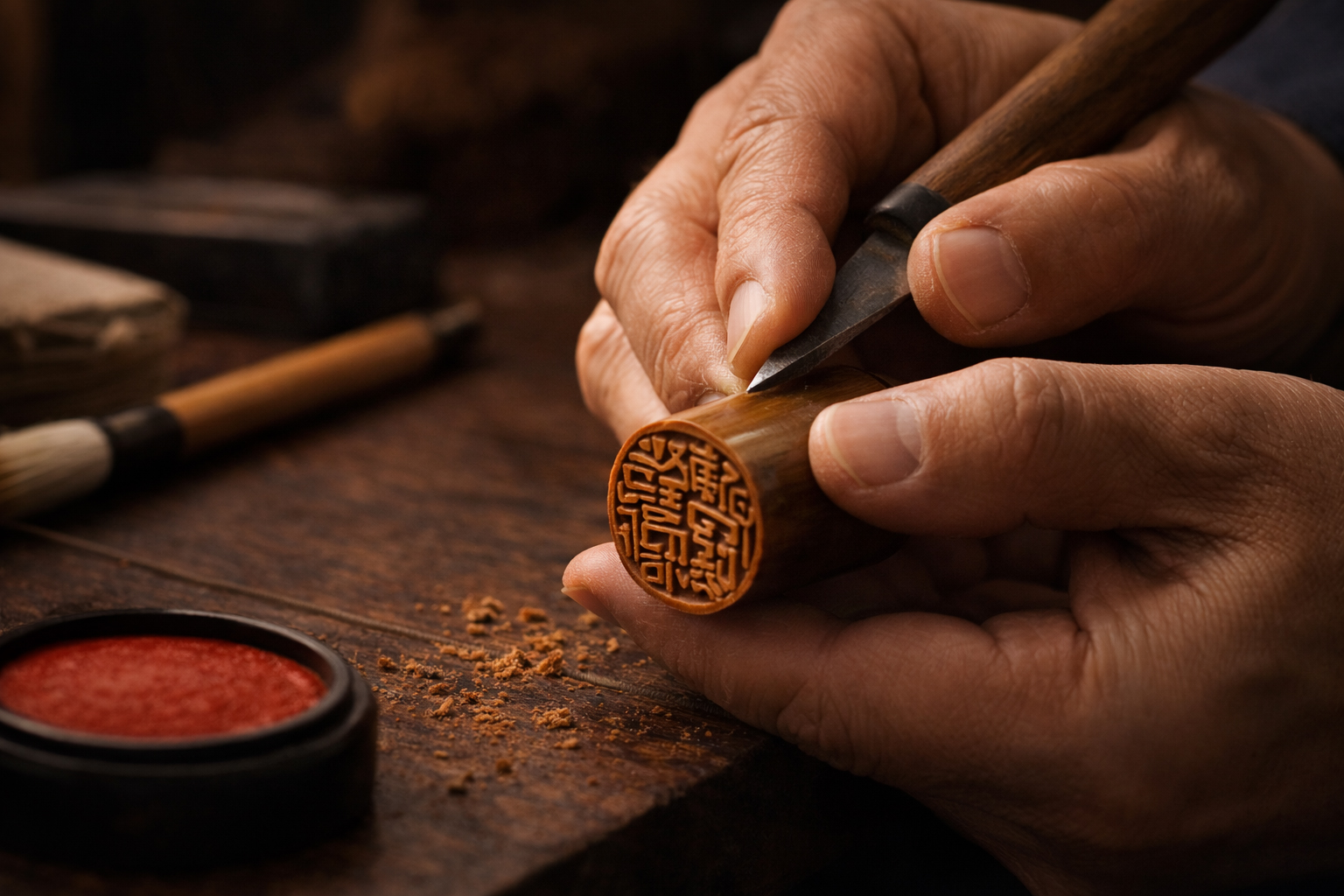
No. It is also part of Japanese craft, gift culture, calligraphy, seal carving, and artistic identity.
Rakkan is the seal impression placed on a work of calligraphy or art to indicate authorship, completion, and artistic identity.
Tenkoku is the art of seal carving. It belongs not only to craft but also to the world of visual art and calligraphic design.
For the full modern overview, start with Hanko in Modern Japan. For formal identity and registration, read the pages on jitsuin, seal registration, and inkan shomeisho together.