Type Guide

What Is a Hanko?

A hanko is the most familiar everyday Japanese word for a seal used to show name, acknowledgment, approval, or formality. It feels softer and more conversational than inkan, and much more immediate than the broader historical language of seal culture. Beginning with the word hanko makes it easier to understand how seals have functioned in Japanese daily life, office practice, institutions, and culture.

hanko.co.jp Types / Basic Guide Reading time 7–10 minutes

Hanko is the most familiar and widely used word for seals in Japanese daily speech. The hanko for receiving a package, the hanko used at work, the hanko used on a document. For many people, this is the first word that comes to mind.

But a hanko is not merely a household object. Though small, it has long functioned as a visible way of showing who saw something, who acknowledged it, and who took formal responsibility. In that sense, the hanko reflects the broader Japanese culture of visible confirmation.

The basic meaning of hanko

Start with the simplest question: what does a hanko actually do?

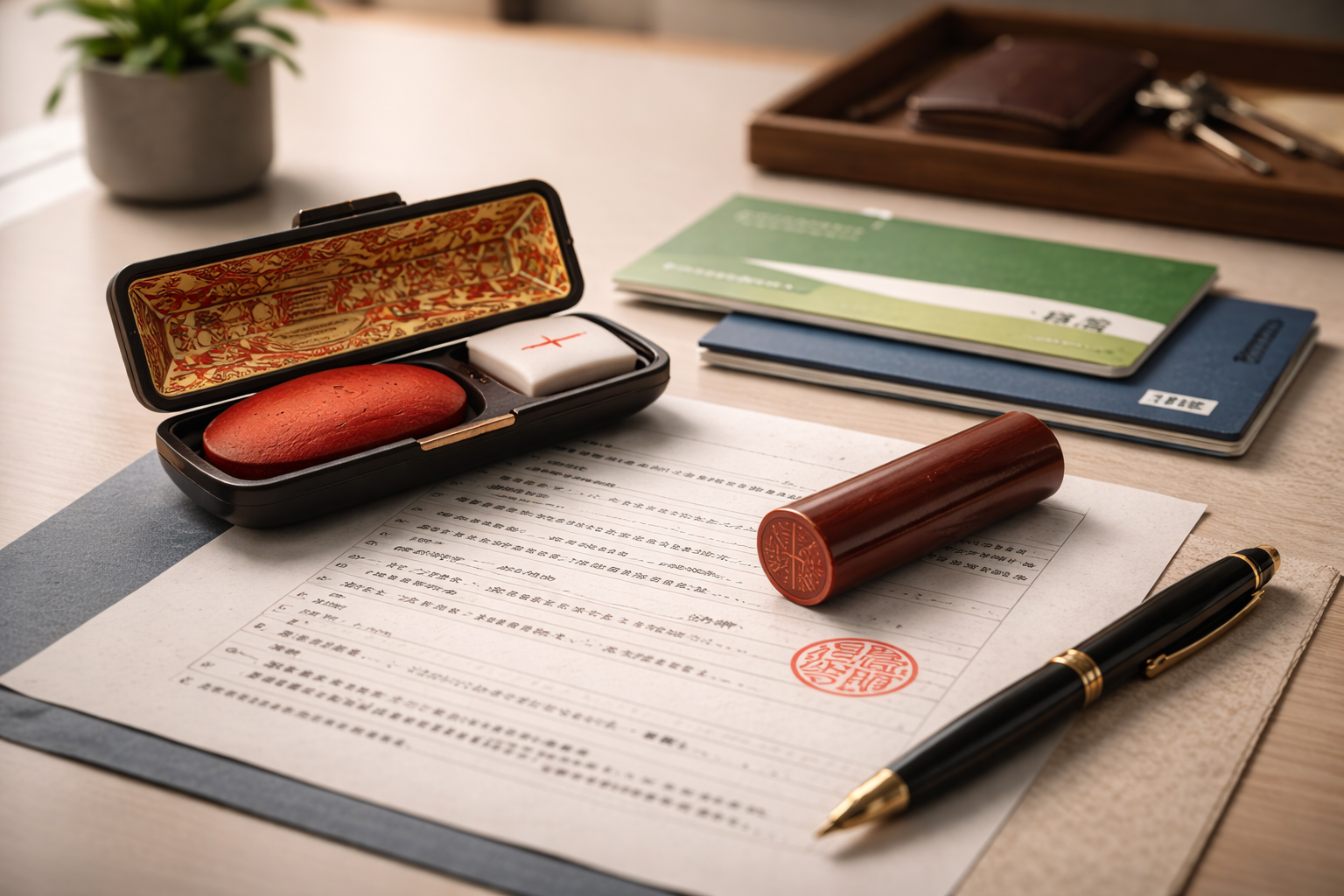
Close-up of a hanko impression

A tool that makes name and acknowledgment visible

A hanko is a carved seal that is stamped onto paper to show who was involved, who checked something, who received something, or who stands behind a document.

It is therefore more than a decorative mark. It is a visible sign of human or institutional involvement.
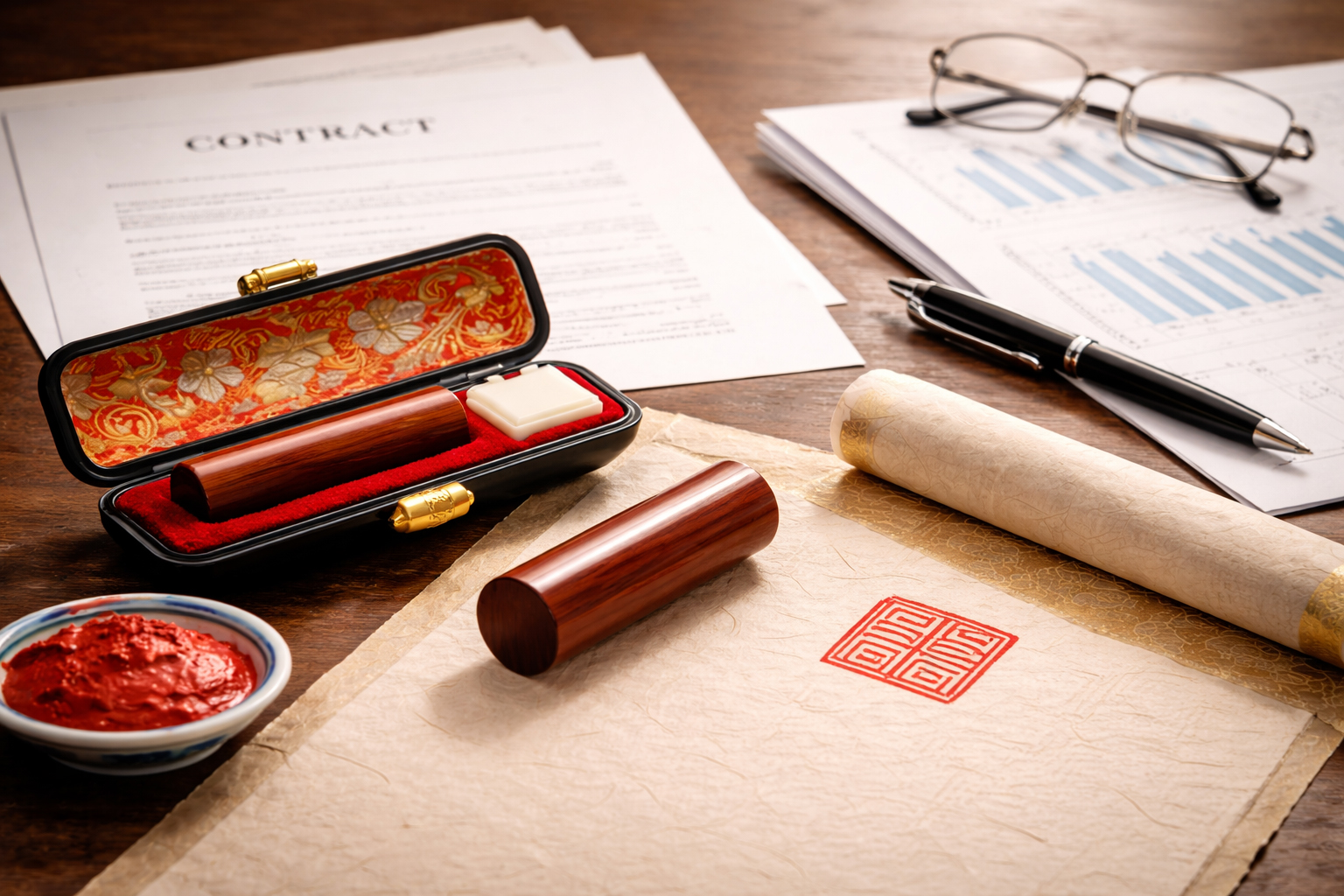

Traditional and modern seal culture bridge

Small object, changing weight

One of the interesting things about the hanko is that the same act of stamping can carry very different meaning depending on context. One hanko may be used for receiving a package; another may appear on a serious formal agreement.

The object is small, but its cultural weight can be very large.

A hanko is a seal that makes name, acknowledgment, approval, and formality visible in a small mark.
— hanko.co.jp type note

How is hanko different from inkan and broader seal language?

These words overlap, but they belong to slightly different tones and worlds of use.

Hanko

  • The most everyday and familiar term
  • Common in casual speech
  • Feels close to lived daily experience

Inkan

  • A somewhat more practical-formal term
  • Often used in procedural contexts
  • Feels closer to official use categories like registered seals

Seal culture / seals

  • The broadest historical and cultural wording
  • Useful for craft, history, and institutions
  • Includes personal, official, artistic, and corporate seals

Difference in feel

  • Hanko feels everyday
  • Inkan feels practical and procedural
  • Seal culture feels historical and cultural

Hanko is the most familiar doorway into the world of Japanese seals

Softer than inkan, closer than formal historical language, and rooted in daily life.

What kinds of hanko are there?

In everyday speech people may say “hanko” for all of them, but the actual functions differ.

Mitomein

  • Used for everyday acknowledgment and receipt
  • The most familiar personal hanko
  • Supports light everyday confirmation

Bank seal

  • Used for banking and financial procedures
  • Specialized for financial verification
  • Often kept separate from daily-use seals

Registered seal

  • A formally registered personal seal
  • Carries strong formal meaning
  • Often used for important agreements and real estate

Company hanko

  • Includes representative, round, and square seals
  • Represents organizations rather than private individuals
  • Supports work, paperwork, and institutional life
Hanko is not one thing only. It is also a broad world of seals supporting life, work, and institutions.
— hanko.co.jp culture note

Why did hanko become so widespread in Japan?

Hanko fit extremely well with Japanese document culture and visible acknowledgment culture.

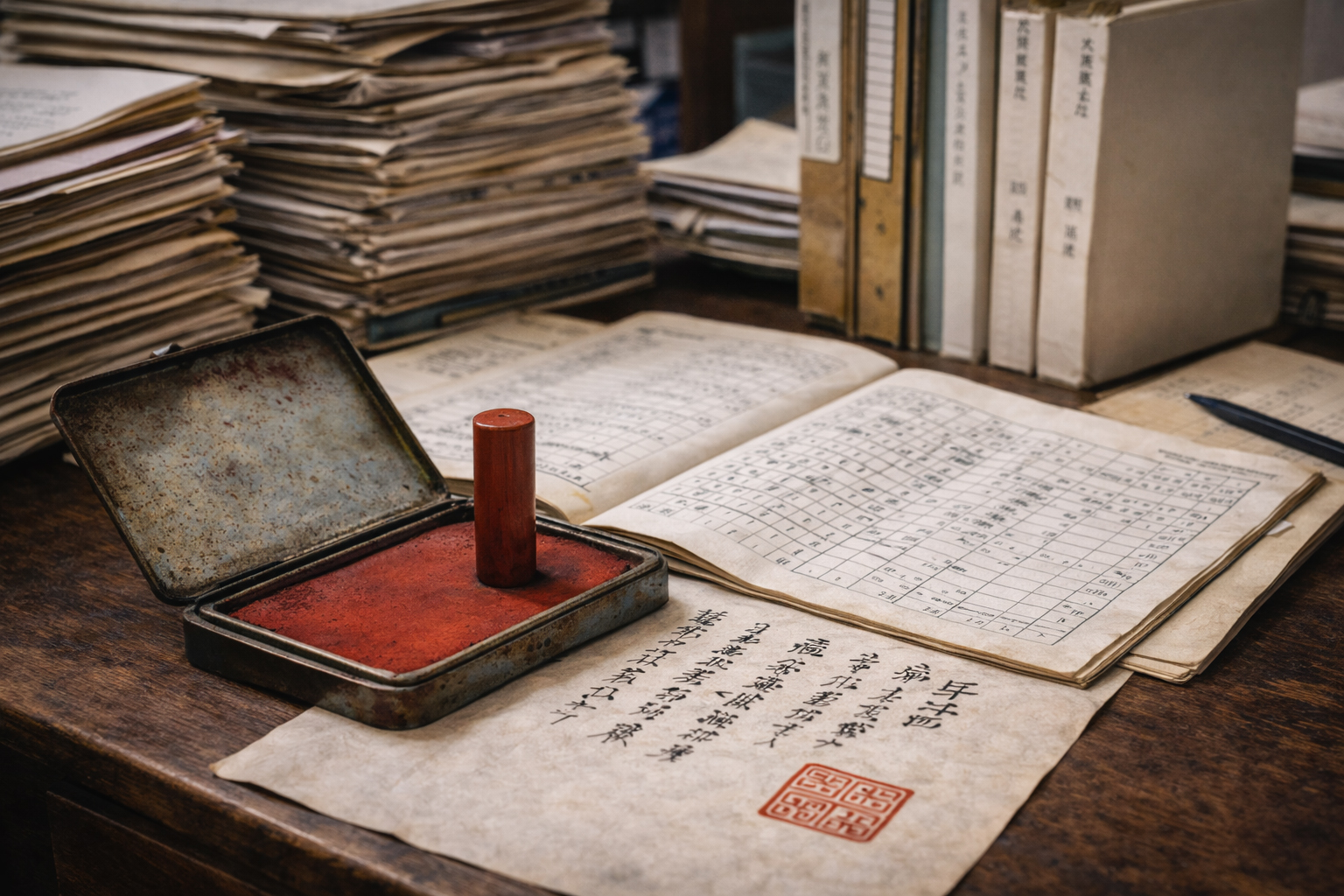
Household desk and hanko

It made small acts of acknowledgment easy to leave behind

By stamping a hanko, it became easy to see who had looked at something, who had received it, and who had acknowledged it. That made it useful in both household and workplace life.

The hanko helped create a visible culture of confirmation.

Office paperwork and hanko culture

It fit both daily life and institutions

Hanko worked across everyday receipt, office circulation, banking, and contracts. That made it more than a household object. It became part of institutional life as well.

Its strength came from fitting both ordinary life and formal systems.

How is hanko seen today?

Even as physical stamping decreases, the underlying logic of hanko is not completely gone.

Today, electronic signatures and online procedures are reducing some situations in which people physically stamp a hanko. Even so, the deeper desire remains: people still want visible ways to show who confirmed something and who was formally involved.

That means hanko should not be treated merely as an old object. It was one of Japan’s long-running forms of visible acknowledgment and formality. Even when the physical object changes, part of its logic survives in new systems.

Conclusion

Hanko is the most familiar word for one of the central tools through which Japanese life made acknowledgment and formality visible.

A hanko is a Japanese seal used to show name, acknowledgment, approval, or formality, and it branches into many forms such as mitomein, bank seals, registered seals, and company seals.

Its importance lies in the fact that something very small can show something very large: who is involved, how serious the matter is, and what kind of responsibility is present. That is why the hanko remains such a useful doorway into understanding Japanese culture and documentary life.

Related pages

Companion pages that help explain the wider world behind the word hanko.