Type Guide

What Is a Square Company Seal?

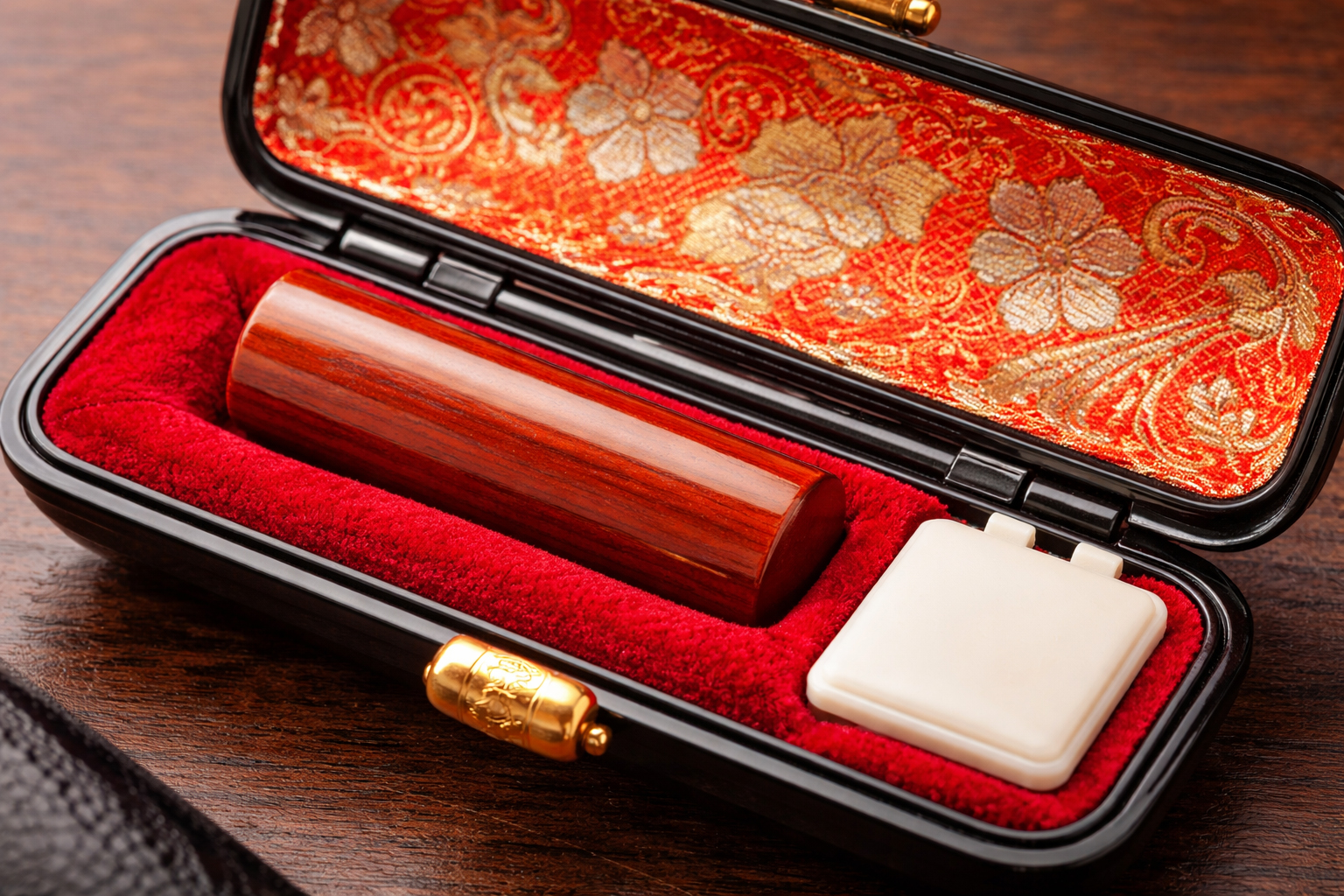
A square company seal, often called kakuin, is the square-form seal commonly used by companies and corporations in Japan. In Japanese company seal culture, a round seal is often perceived as the heavier formal seal, while the square seal is more commonly understood as the company seal used widely in everyday business practice. It appears often on invoices, estimates, delivery slips, cover letters, and general external business documents where the company name needs to be clearly shown.

hanko.co.jp Types / Company Seal Guide Reading time 6–9 minutes

When people discuss company seals in Japan, they often contrast round seals and square seals. This is partly a matter of physical shape, but it also reflects different levels of documentary weight and different use contexts.

The square seal has become firmly established as the practical company seal that supports everyday business flow. In that sense, it is often the seal that does the most visible work in actual office life.

The basic meaning of a square seal

Start by clarifying what a square company seal is actually meant to show.

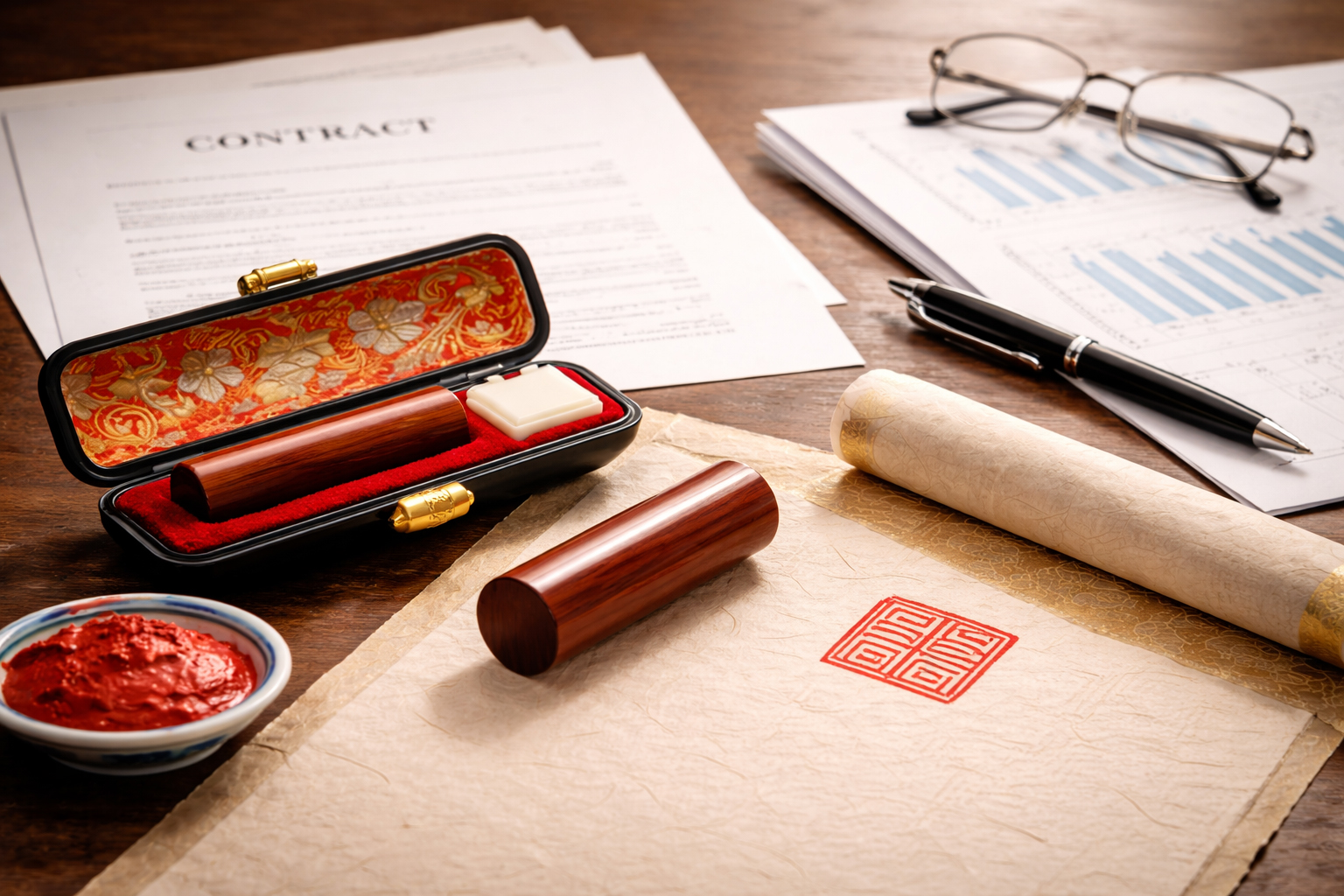
Practical company seal and paperwork on desk

A practical seal showing the company name

A square company seal is commonly used to show the name of the company or corporation on a document. The meaning is usually read in the direction of “this is a document of this company” or “this document is connected to this company.”

It is less about the heavy final intent of the representative and more about the company’s practical business identity.
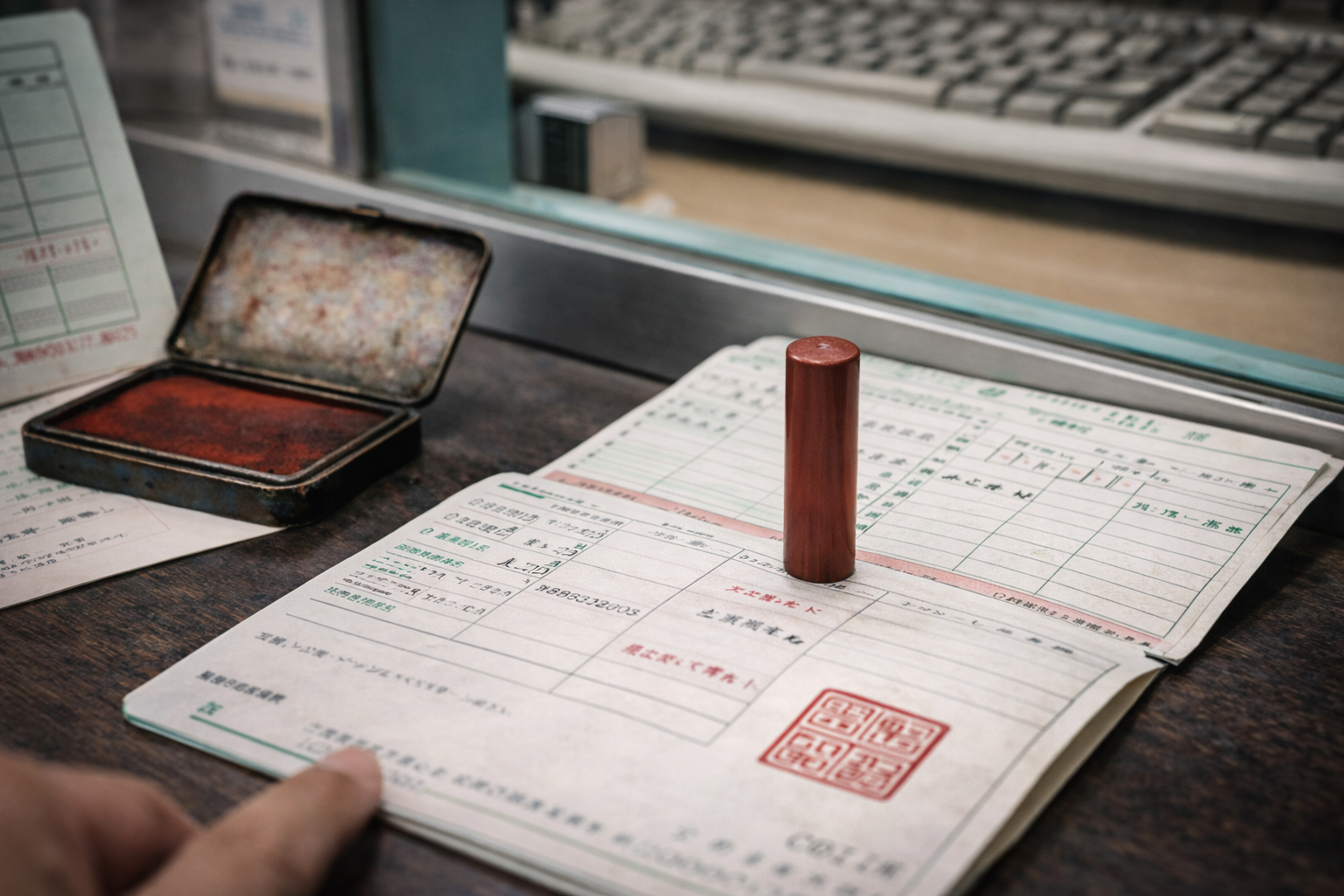
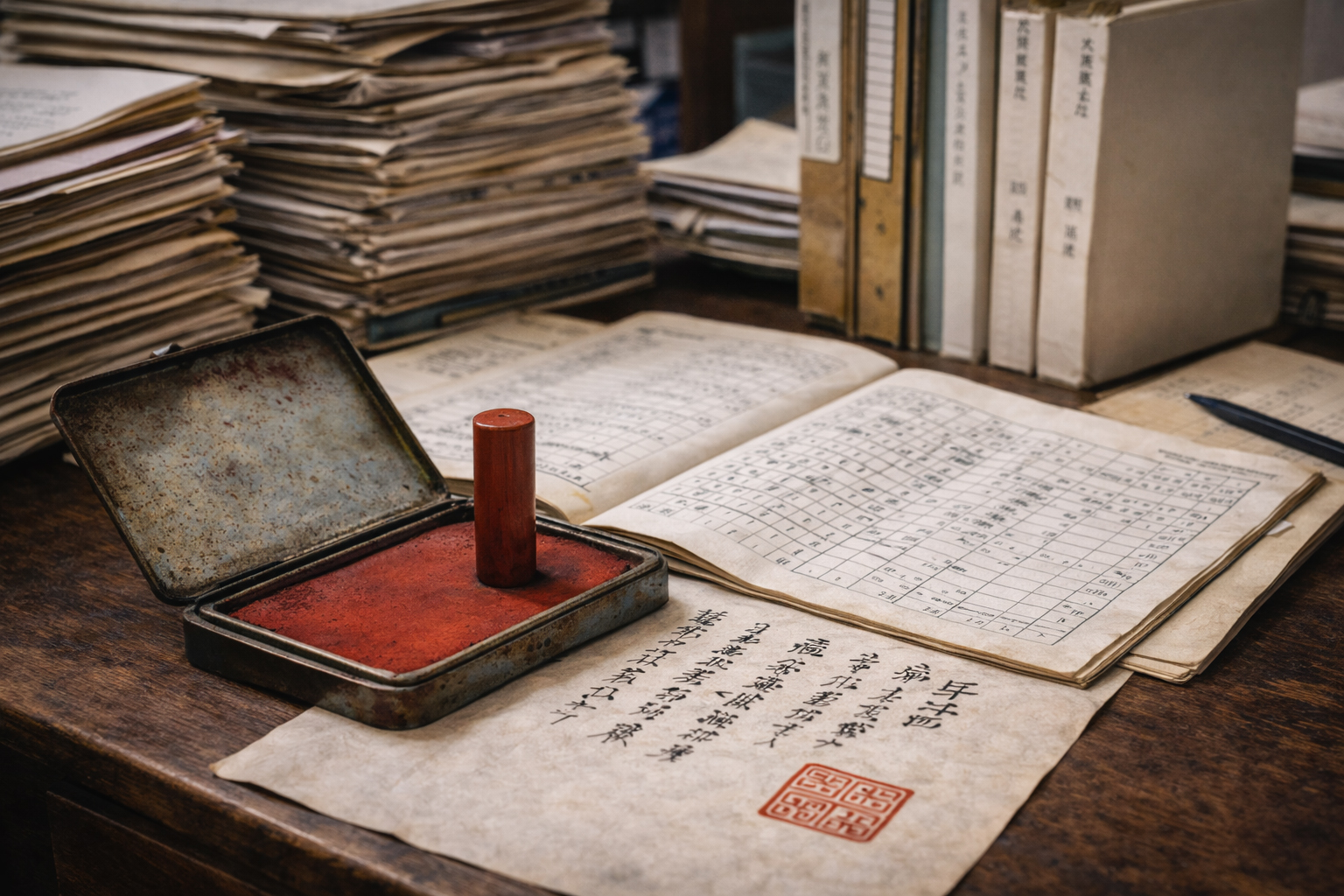
Business document confirmation scene

A seal suited to daily workflow

A square seal is not limited to the heaviest formal documents. It is widely at home in ordinary business documents where the company wants to present itself clearly and properly.

That makes it one of the seals closest to the everyday flow of company practice.

A square seal is a square company seal that shows the company name while supporting everyday business practice.
— hanko.co.jp type note

How is it different from a round seal?

The contrast between square and round seals explains a great deal of Japanese company seal culture.

Square seal

  • Square in shape
  • Common in everyday business use
  • Often shows the company name
  • Well suited to invoices, estimates, and delivery slips
  • Practicality often stands out more than heavy formality

Round seal

  • Round in shape
  • Often perceived as heavier and more formal
  • Frequently overlaps with the representative seal
  • More associated with contracts and important documents
  • Often seen as a more formal face of the company

The square seal is often the working face of the company, while the round seal is often the formal face

Both are company seals, but they tend to belong to different documentary weights and business situations.

Where is it used?

The square seal appears most naturally on ordinary business documents that still need to look official and complete.

Common documents

  • Invoices
  • Estimates
  • Delivery slips
  • Business notices and cover letters
  • General external company documents

Why it is used

  • It clearly shows the company name
  • It gives the document a proper company appearance
  • It fits routine business practice well
  • It is often less heavy than a round or representative seal
  • It supports workflow without stopping it unnecessarily

Is the square seal a “light” seal?

It is often lighter than a round representative seal, but that does not mean it is unimportant.

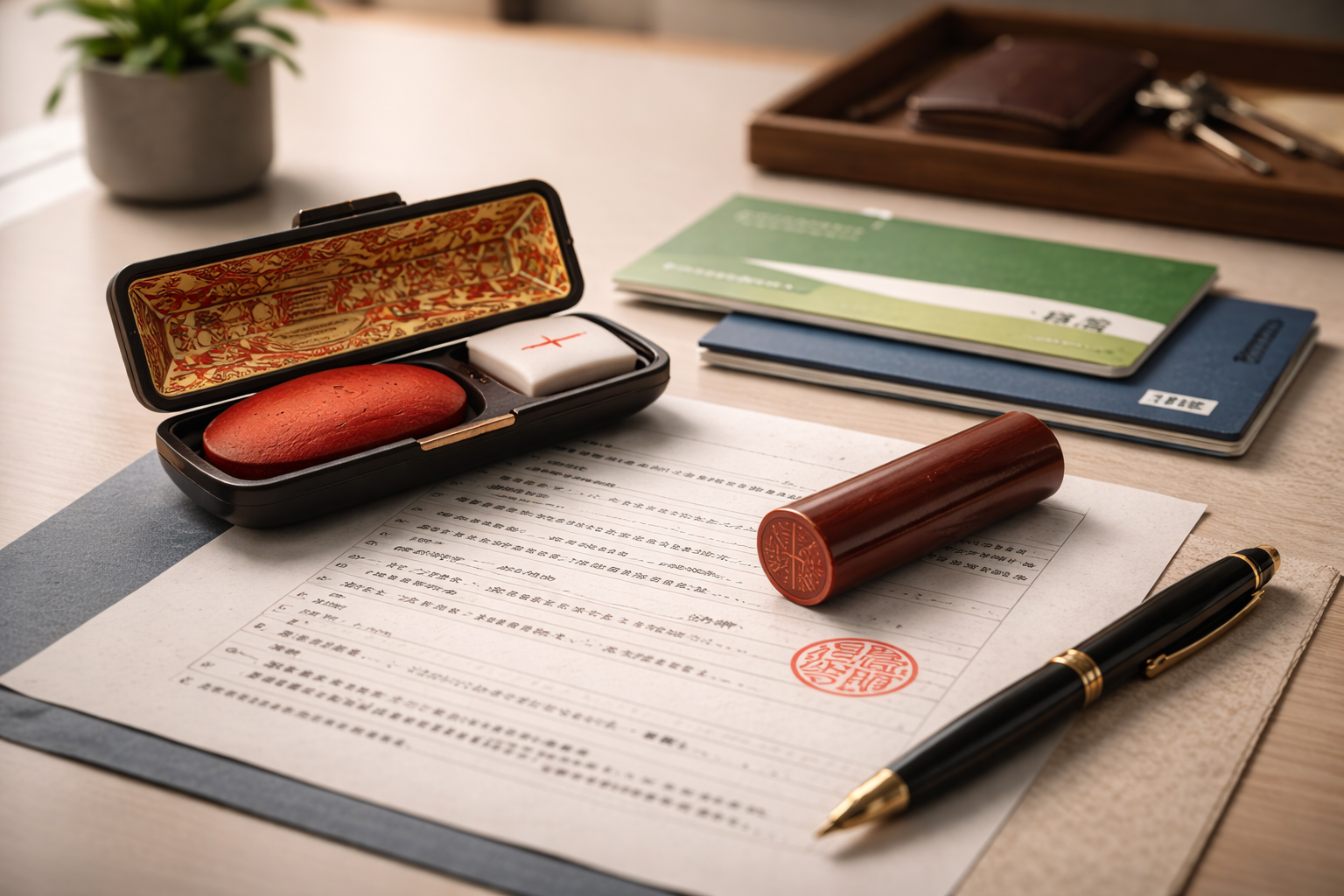
Office paperwork and company seals

It still matters in practice

Even if the square seal is not the heaviest company seal, it still carries the company name and affects the trustworthiness and appearance of documents.

It is better understood not as a trivial seal, but as a seal with the right weight for routine business.

Seal handled with care

It still needs management

Because the square seal is used frequently, it is especially important to have at least basic rules about who can use it and for what kinds of documents.

Practical seals also need proper management.

The square seal is useful not because it has no weight, but because it has a weight well suited to practical business flow.
— hanko.co.jp company seal note

What is it historically?

The square seal fits naturally into the social spread of seals through commerce and modern company life.

In the larger history of seals, the heaviest public and formal seals develop first. Later, seals spread more widely into commerce, office practice, and everyday documentation. The square seal is easy to understand within that later stream of socially integrated practical seals.

In other words, the square seal preserves the company’s name and visible identity while adapting seal culture to the speed and needs of daily business. It stands between the stricter world of formal seals and the convenience of routine office work.

Conclusion

The square seal is the company seal closest to everyday business practice.

A square seal is a square-form company seal used widely to show the company name and support daily business documents. It may not carry the same heavy formal force as a round representative seal, but it plays a central role in shaping company appearance, trust, and routine paperwork.

That is why the square seal is not just a convenient stamp. It is the seal through which the company name works in the everyday world. Once that becomes clear, Japanese company seal practice becomes much easier to understand.

Related pages

Companion pages for understanding company seals and official seal logic.