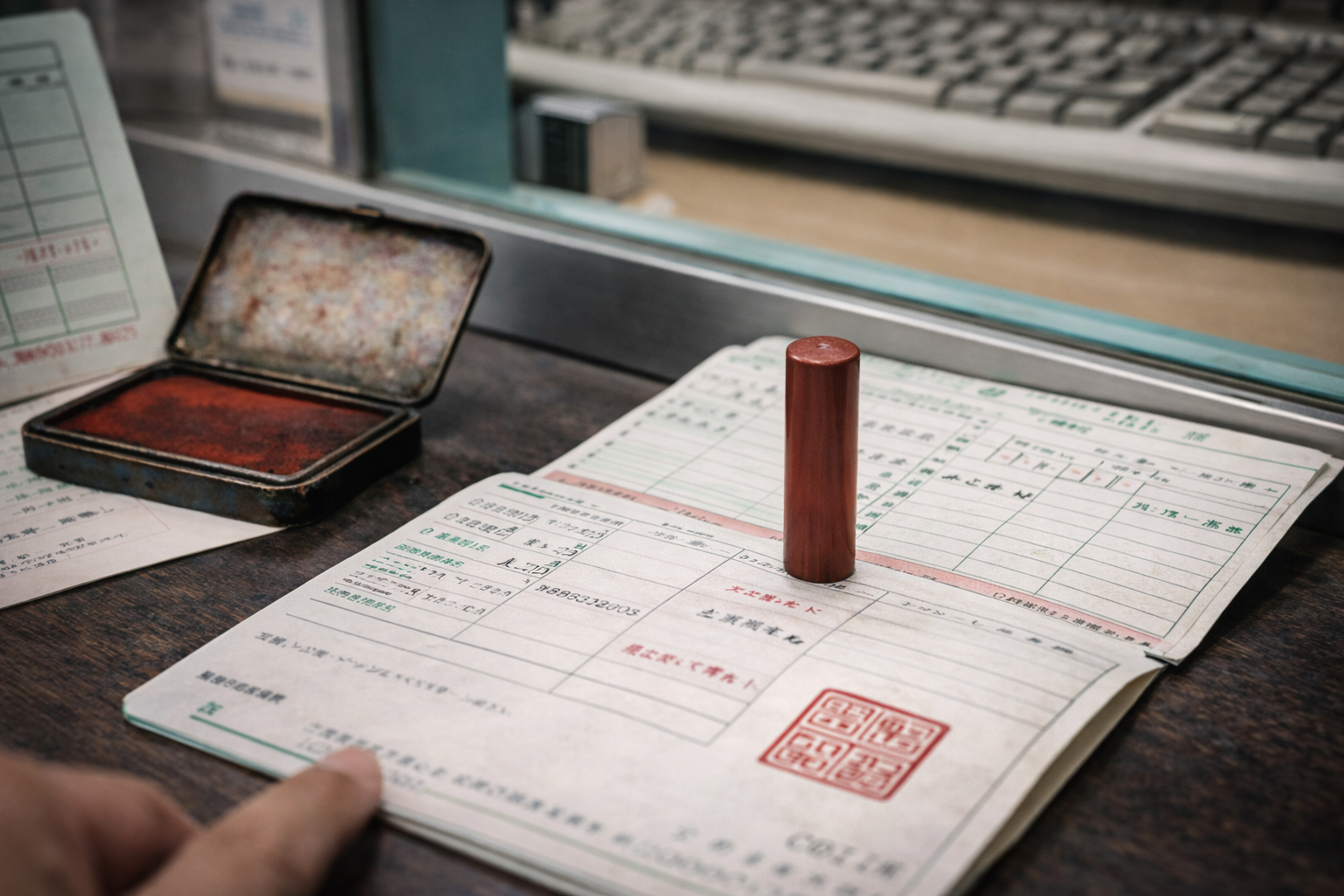
Type Guide

What Is a Representative Seal?

A representative seal is one of the most important seals used by a company or corporation in Japan. Unlike a personal seal, it does not mainly mean “this individual stamped this.” Instead, it signals that “this company is formally involved.” Among company seals, it carries especially heavy meaning and is central in contracts, registration-related paperwork, and important official documents.

hanko.co.jp Types / Company Seal Guide Reading time 7–10 minutes

Japanese companies often use several kinds of seals, including representative seals, square company seals, and bank seals. Among them, the representative seal is usually understood as the seal that most strongly expresses the formal identity of the company.

Because the name “representative” includes a person in a representative role, it can look like a personal seal at first. But it is not a private personal seal. It becomes meaningful precisely because it is used by a person acting as the representative of the company.

The basic meaning of a representative seal

First, clarify what kind of authority this seal is meant to show.

Important company paperwork on a formal desk

A seal that represents company intent

A representative seal is stamped by a company representative acting in a representative capacity. That means the meaning is not mainly “this person personally approved this,” but closer to “this company is formally standing behind this.”

The key point is that the true subject behind the seal is the corporation, not the private individual.
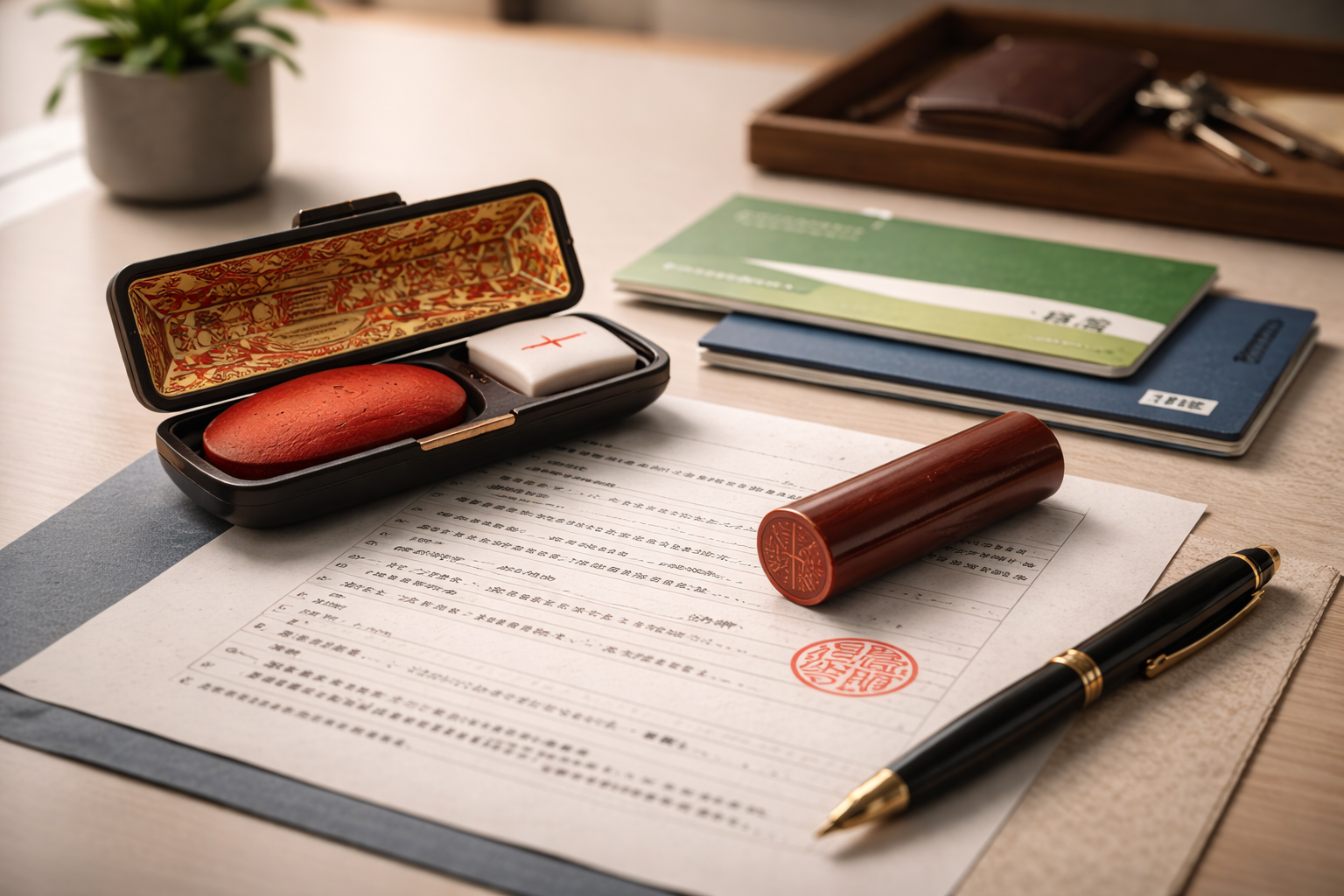

Company seal and formal documents on desk

One of the heaviest company seals

Some company seals are used for more routine daily business. A representative seal usually carries heavier meaning and is more closely associated with formal or legally important documents.

That is why it often requires especially careful control.

A representative seal is not primarily the private seal of the representative, but the seal used to represent the company.
— hanko.co.jp type note

How is it different from a personal registered seal?

They may look similar in weight, but the center of meaning is quite different.

Personal registered seal

  • Centered on an individual person
  • Shows personal responsibility and formal identity
  • Important in real estate, major contracts, and personal registration
  • The meaning is close to “this person is formally involved”

Representative seal

  • Centered on a company or corporation
  • Shows corporate formal identity
  • Important in contracts, registration-related paperwork, and external formal documents
  • The meaning is close to “this company is formally involved”

The same person can stamp in two very different capacities

As a private individual, a personal seal means one thing. As a company representative, the representative seal means something else entirely.

How is it different from a square company seal?

The representative seal and the square company seal are often discussed together.

Company documents and multiple seals

Square seals are often more routine

In general, square company seals are commonly used on estimates, invoices, delivery slips, and other routine internal or external documents. The representative seal is more often associated with documents carrying heavier formal significance.

So both are company seals, but they often serve different levels of formality.

Formal confirmation with seal

The stronger face of external trust

From the outside, a representative seal often gives a stronger impression that the company itself is officially committed. For that reason, it tends to serve as a more formal face of the corporation.

It is often closer to the company’s formal identity than an ordinary square seal.

Where is it used?

The representative seal matters most in situations where formal corporate identity is being tested or declared.

Common situations

  • Important contracts
  • Company formation and registration paperwork
  • Documents submitted to public offices
  • Formal powers of attorney and certifications
  • Documents requiring clear corporate commitment

Why it carries weight

  • Because it represents the company
  • Because corporate responsibility is attached to it
  • Because it strongly affects external trust
  • Because misuse can have large consequences
  • Because it is easily read as a formal corporate act
A representative seal is a seal that carries particular weight when a company’s formal intent must be shown.
— hanko.co.jp company seal note

Why careful control matters

The representative seal is not only important in use, but also in storage and internal procedure.

Seal case showing careful storage

Its mere use can carry major consequences

A representative seal can make a document appear strongly formal the moment it is applied. That is one reason it is dangerous to leave such a seal casually accessible.

Storage and stamping procedure are therefore inseparable.

Tools suggesting seal management

Control needs rules, not only a box

Safe use of a representative seal depends on internal rules: who keeps it, what kinds of documents may receive it, and what approval process comes first.

The stronger the seal, the more important the operating rules become.

What is it historically?

The representative seal is a modern corporate tool, but it carries forward older seal logic.

In the larger history of East Asia and Japan, seals first develop strongly on the side of states, offices, institutions, and formal authority rather than private everyday life.

A representative seal can be understood as a modern corporate version of that older official seal logic. In other words, part of the world of public or institutional seals survives inside the modern corporation.

Conclusion

Even when a person’s representative role is involved, the real center of meaning remains the company.

A representative seal is the seal used when a company representative acts not as a private person, but as the formal representative of the company. For that reason, it is best understood not as a personal seal, but as a formal company seal carrying institutional weight.

Once you understand the representative seal, it becomes easier to see that a hanko is not just a tool, but a form that shows who is acting and what authority stands behind the action. That same logic continues today in corporate authentication and digital approval systems.

Related pages

Basic companion pages for understanding company seals and official seals.