Type Guide

What Is a Round Company Seal?

In Japanese business usage, a round company seal usually refers to a round-form corporate seal that is often understood as heavier and more formal than ordinary routine company seals. In practice, the term often overlaps with the representative seal. While a square seal tends to be associated with everyday business paperwork, a round seal is more easily read as a seal of stronger corporate formality.

hanko.co.jp Types / Company Seal Guide Reading time 6–9 minutes

When people talk about company seals in Japan, they often contrast square seals and round seals. This is partly a matter of shape, but not only shape. It is also tied to differences in formal weight and documentary use.

A round seal matters because it is often perceived not merely as “a seal that happens to be round,” but as a seal closer to the formal face of the company. For that reason, it tends to be associated with contracts, registration-related documents, and heavier external paperwork.

The basic meaning of a round company seal

Start by clarifying what this kind of seal usually represents.

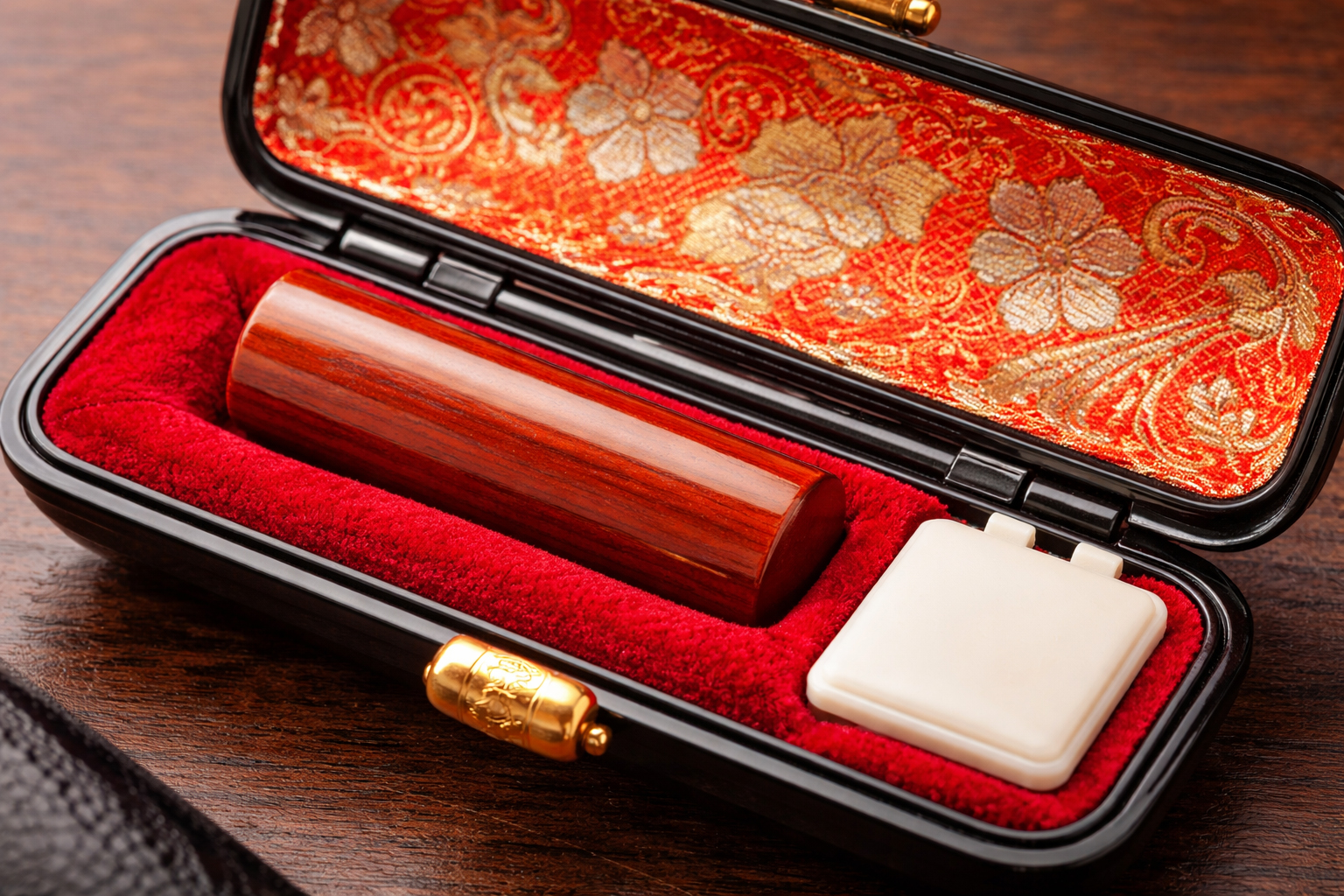
Formal company seal on desk

A seal of stronger corporate formality

A round company seal is often used to show that a company or corporation is formally involved in a document. The impression it gives is closer to “this company is formally standing behind this” than simply “a company stamp appears here.”

That is why the round seal often feels less like a routine business tool and more like a formal corporate seal.

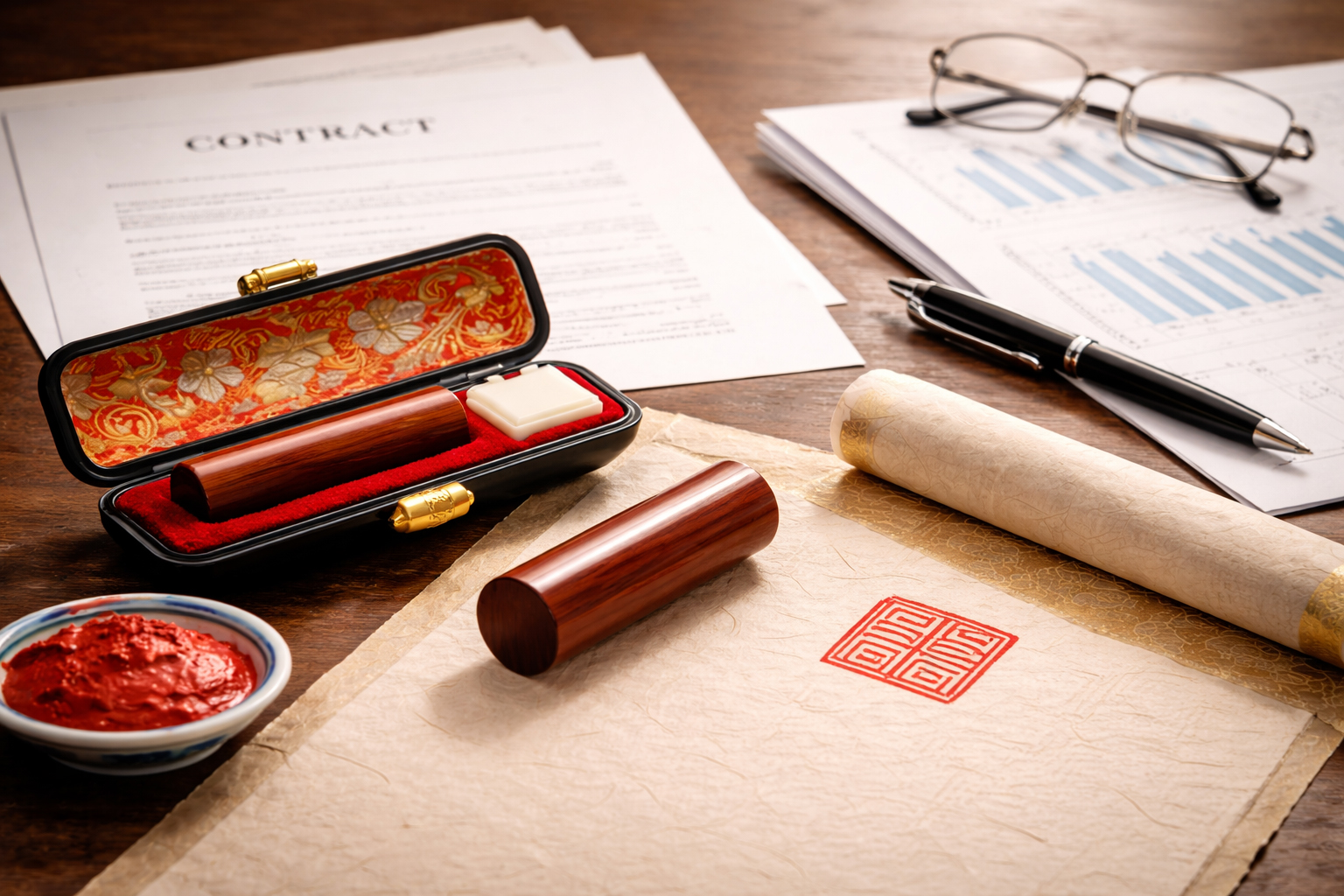
Important contract paperwork with company seal

Not usually the light routine seal

A round company seal is usually associated with heavier documents rather than casual circulation or everyday internal checks. Compared with a square seal, it is more easily understood as carrying stronger corporate seriousness.

It tends to signal: the company is stamping this in earnest.

A round company seal is often understood as a round corporate seal carrying stronger formal weight.
— hanko.co.jp type note

How does it relate to the representative seal?

These two terms frequently overlap and are often used for the same physical seal.

In many company settings, when people say “round seal,” they are referring to the representative seal. In other words, the representative seal is often physically round, so the seal is described by its shape as a round seal.

The center of meaning is slightly different, however. “Representative seal” focuses on function and authority: who is stamping in what role. “Round seal” focuses on form and perceived weight: what kind of company seal this is.

The round form is often remembered as the heavier formal seal of the company

That is why a round company seal is rarely understood as “just round.”

How is it different from a square seal?

The basic contrast between round and square seals helps explain much of Japanese company seal practice.

Round seal

  • Round in shape
  • Often perceived as more formal and heavier
  • Frequently overlaps with the representative seal
  • Used more often on contracts and important documents
  • Closer to the formal face of the company

Square seal

  • Square in shape
  • Often used in more routine business practice
  • Common on invoices, estimates, and delivery slips
  • Functions as a practical company name seal
  • Practicality often stands out more than formality

Why does the round form feel heavier?

This is not only about law. It is also about the cultural memory of seals in Japan.

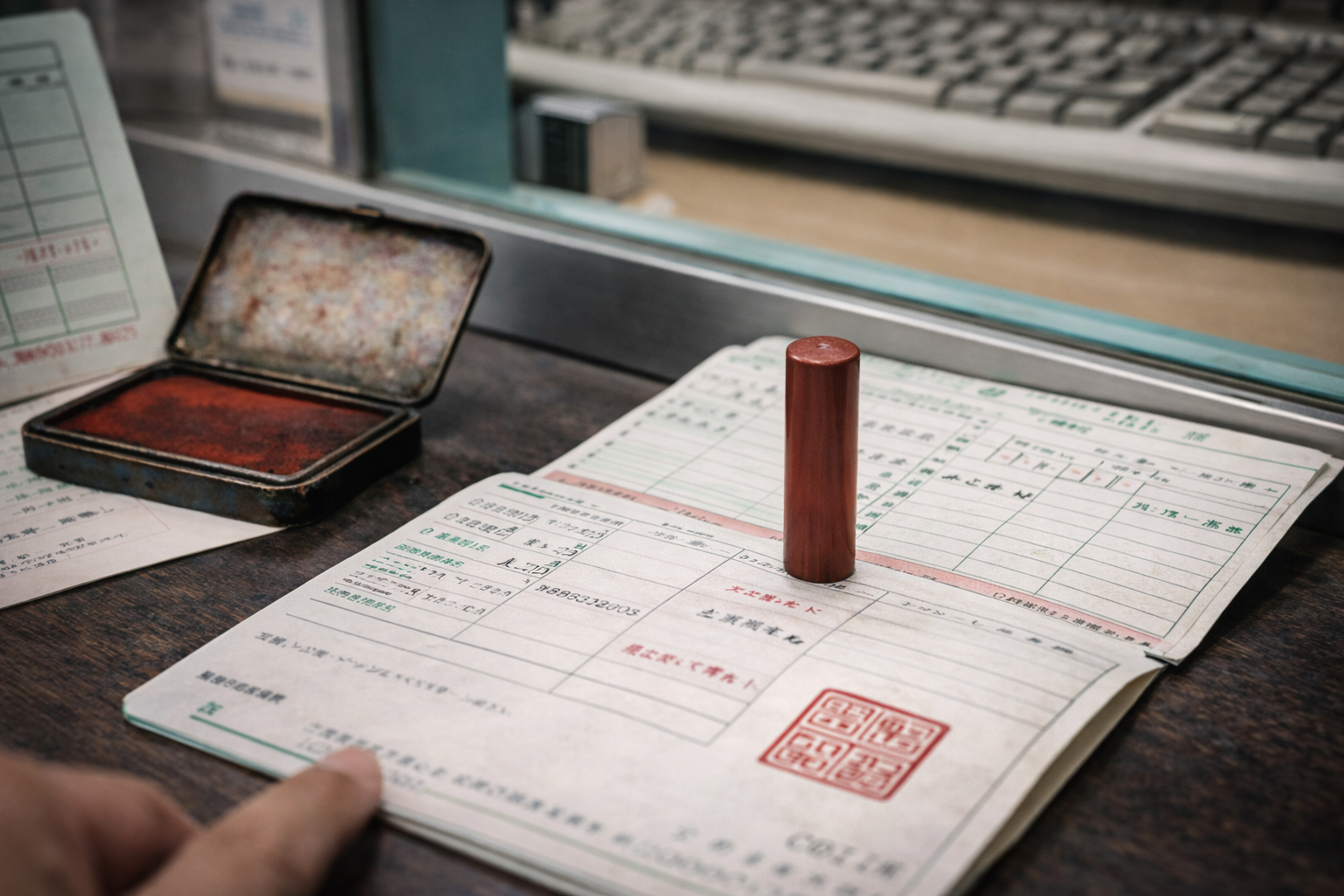
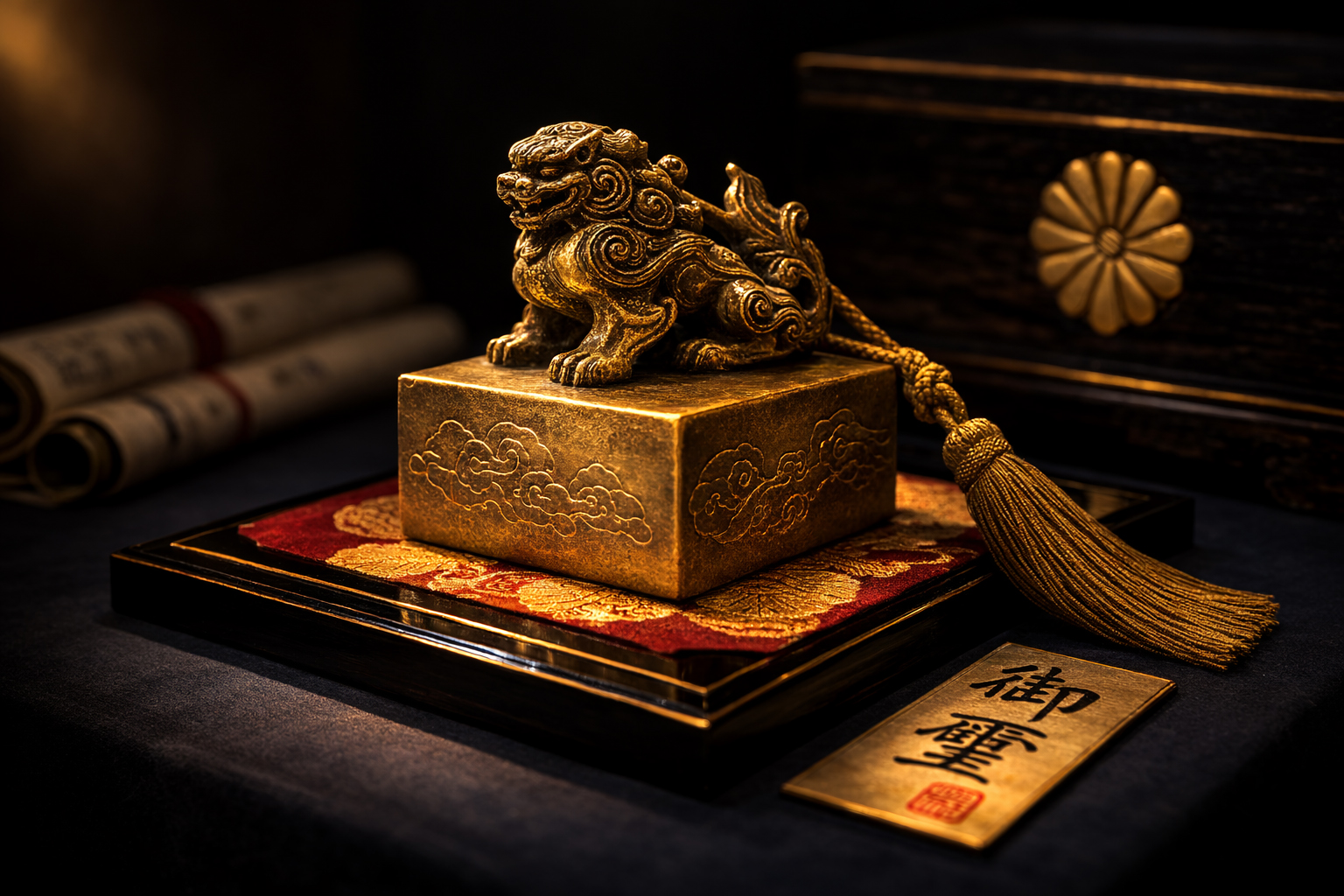
Formal seal display with old public authority feel

It echoes older official seal logic

In the longer history of East Asian and Japanese seal culture, heavier and more formal seals were tied to visible authority. Part of the weight felt in a round company seal comes from that broader memory of official seal culture.

Even in a modern company setting, older seal logic still shapes how such seals are seen.

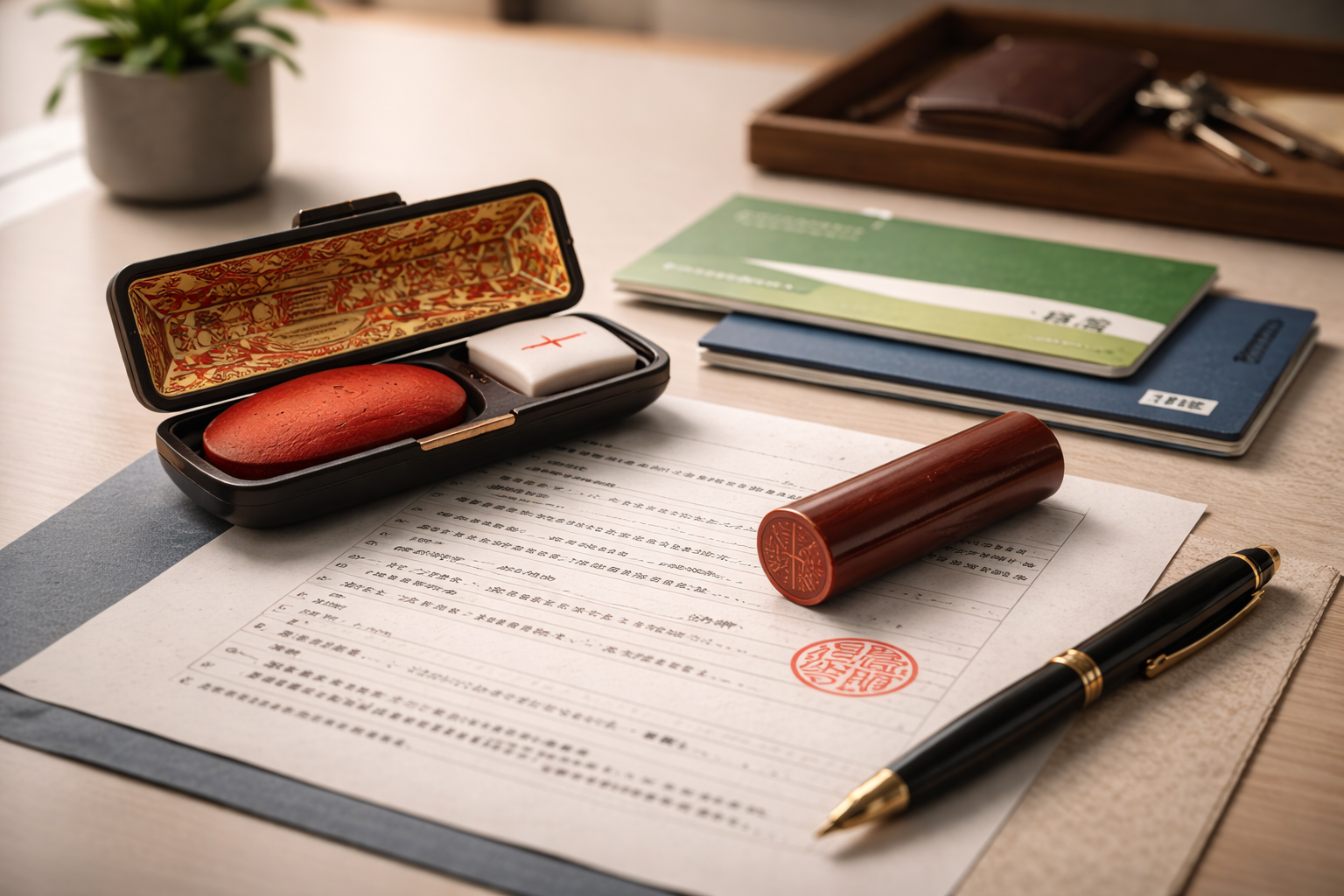
Seal case showing careful storage

It is usually handled more carefully

A round company seal is often not treated as something casually passed around the office. It is more likely to be controlled, stored carefully, and used under tighter rules.

The way it is managed reinforces the sense that it is a heavier seal.

A round seal feels heavy not only because of its shape, but because it is used as a seal carrying stronger corporate formality.
— hanko.co.jp company seal note

Where is it used?

The round company seal is most at home where a company’s formal responsibility needs to be shown clearly.

Typical uses

  • Important contracts
  • Registration and corporate procedure documents
  • Formal submissions to public offices
  • Important certifications or powers of attorney
  • Documents requiring strong external formality

What to keep in mind

  • It may function as a heavy company seal
  • Authority to use it should be clear
  • Storage rules should be defined
  • Pre-stamping review should be organized
  • It should be distinguished from lighter routine seals

Conclusion

The round seal is usually understood as the more formal side of company seal culture.

A round company seal is a round-form corporate seal that, in practice, often overlaps with the representative seal. That means it is best understood not merely as a shape difference, but as a seal associated with stronger corporate formality and responsibility.

If the square seal often serves as the routine face of the company, the round seal often serves as the formal face. Once that distinction becomes clear, Japanese company seal culture becomes much easier to read.

Related pages

Companion pages for understanding company seals and official seal logic.