Type Guide

What Are Company Seals?

Company seals are the seals used by companies and corporations in the course of business. Unlike personal seals, they do not mainly show the confirmation of a single individual. Instead, they show that an organization or legal entity is involved, acting, or formally standing behind a document. In Japanese business culture, company seals matter far more than their small size suggests. They help shape documentary weight, corporate appearance, trust, and visible responsibility.

hanko.co.jp Types / Basic Guide Reading time 8–11 minutes

Japanese companies often use more than one seal. It is common to distinguish among representative seals, round seals, square seals, and bank seals, each carrying a different level of documentary weight and a different practical role.

This system is not just habit. It helps organize how formal a document is, who is acting in what capacity, and how corporate responsibility becomes visible. In that sense, company seals are tools for shaping how a company’s responsibility appears on paper.

The basic meaning of company seals

First, clarify what company seals are meant to show.

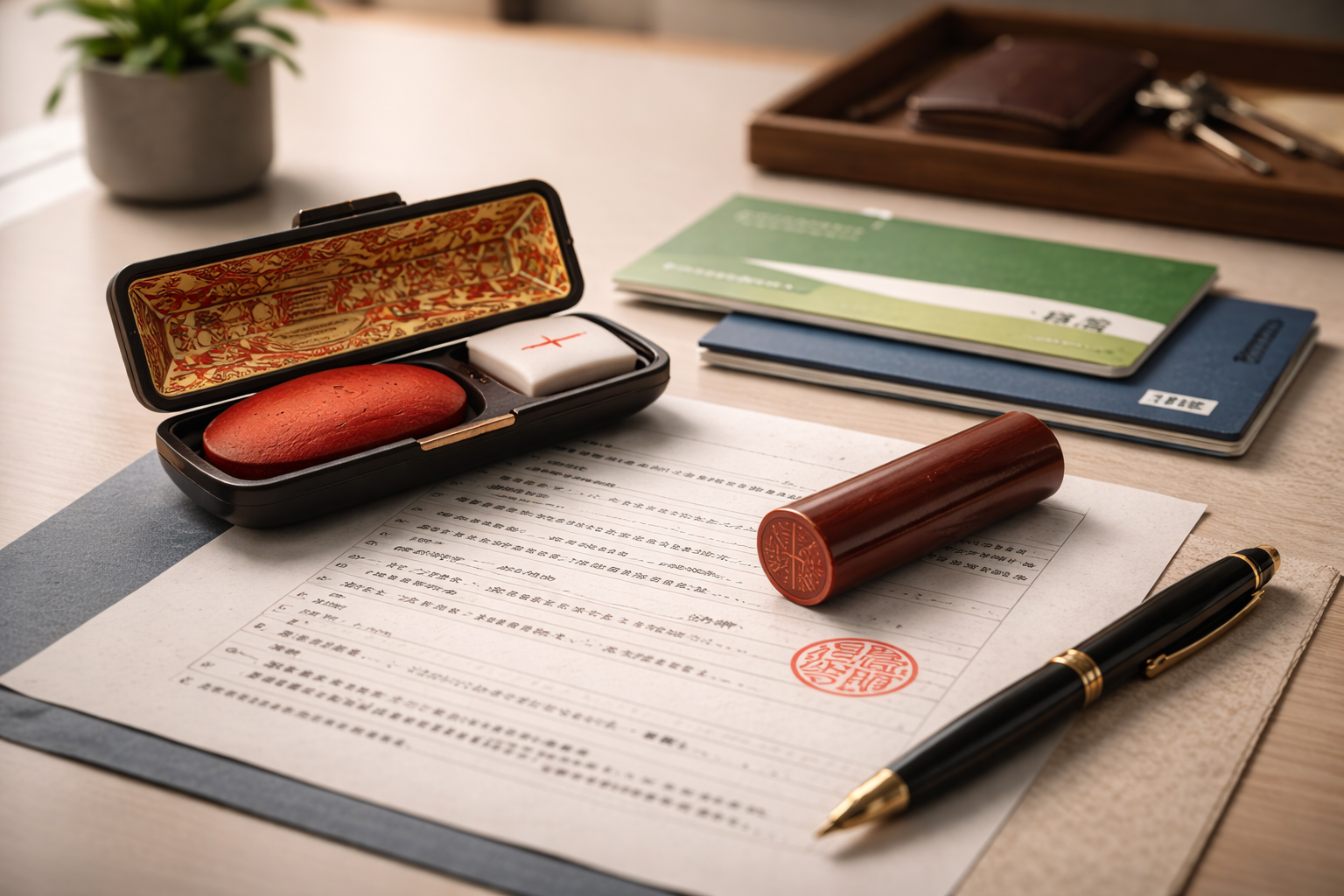
Company documents and seal on desk

They show company identity and formality

Company seals are used to show that a document is connected to the company and carries a certain level of corporate formality. Once stamped, a document is more easily read as something backed by the company itself.

In that sense, the company seal functions as one visible face of the company.
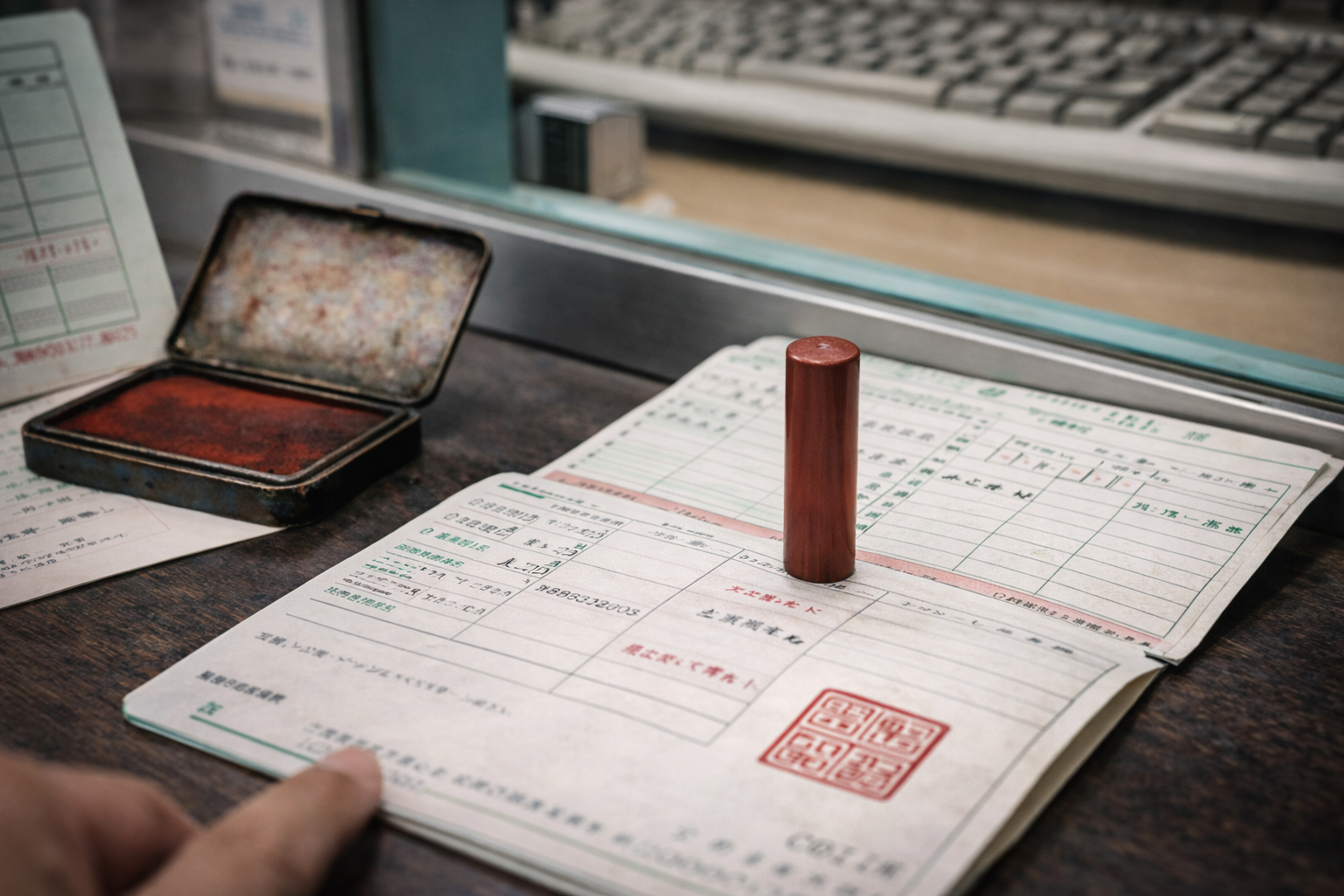
Formal business confirmation scene

The subject is the organization, not the individual

A personal seal is centered on one person. A company seal is centered on an organization or legal entity. That means the crucial question is not only who stamped, but what kind of authority or responsibility the stamp represents.

Company seals make organizational responsibility visible.

Company seals are seals that make a company’s name, formality, and responsibility visible.
— hanko.co.jp type note

Main types of company seals

Different company seals serve different functions.

Representative seal

  • Used when acting in a representative corporate capacity
  • Tends to carry heavier formal meaning
  • Central in contracts, registration, and important documents

Round seal

  • A round-form company seal
  • Often overlaps in practice with the representative seal
  • Often seen as the more formal face of the company

Square seal

  • A square-form company seal
  • Well suited to routine business documents such as invoices and estimates
  • Often functions as the practical company name seal

Bank seal

  • Used for the company’s bank account
  • Connected to financial verification with banks
  • Often managed separately from daily-use seals

Company seals are often divided by documentary weight

That division helps companies balance formal responsibility and practical workflow.

Why use different seals?

If the heaviest seal were used for everything, both workflow and control would become awkward.

Important contract paperwork

Heavier documents need heavier seals

For documents such as contracts and registration-related paperwork, companies often use heavier seals such as the representative seal or round seal.

The logic is simple: the weight of the seal should match the weight of the document.

Routine office paperwork

Routine documents need practical seals

For invoices, estimates, delivery slips, and ordinary business correspondence, a practical seal such as the square seal usually makes more sense. It provides corporate identity without slowing daily workflow too much.

Differentiation is therefore also a matter of efficiency.

Using different company seals is a way of adjusting visible responsibility to the weight of the document.
— hanko.co.jp company seal note

Are company seals official seals?

In a broad sense, company seals are not personal seals but organizational seals, so they share something with official-seal logic.

Company seals are not the same as government office seals, but they do share one important feature: they are used to represent an organization rather than a private individual. For that reason, it is natural to understand them as institutional rather than personal.

Representative seals and round seals especially carry forward part of the older logic of public or official seals into the modern corporate world.

Why management matters

Once applied, a company seal can quickly make a document look authoritative and trustworthy.

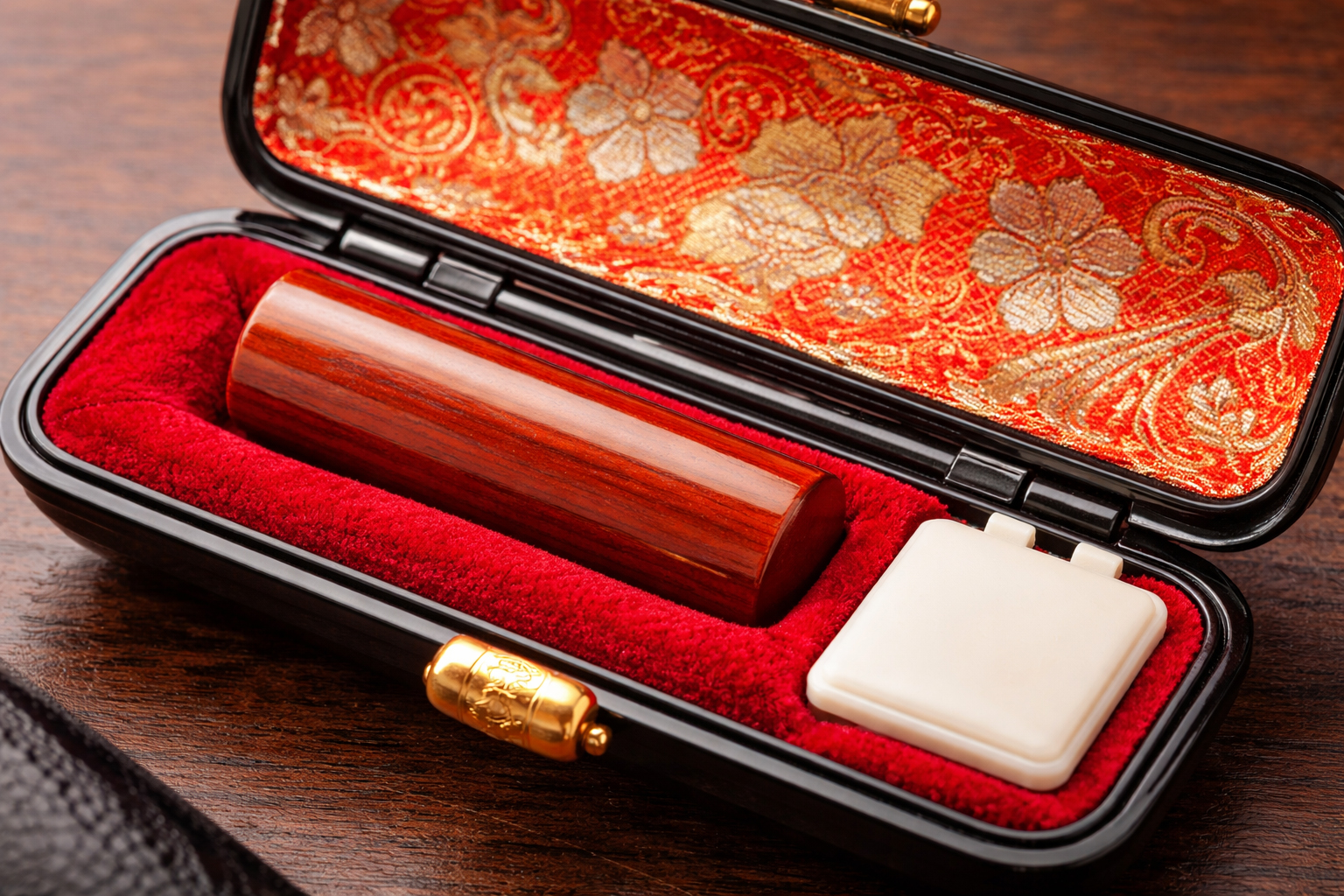
Seal case suggesting careful storage

Storage protects trust

If company seals are used carelessly, they can affect a company’s credibility and external impression. The heavier the seal, the more strongly it may shape how a document is received.

That is why it matters not only what the seal is, but who keeps it and how it is controlled.

Tools suggesting seal management

Rules matter too

Which seal should be used on which documents? What kind of review should happen before stamping? Should the bank seal be separated from routine seals? These operating rules are part of how company seals function safely.

The more seals a company uses, the more important these rules become.

Conclusion

Company seals are the forms through which companies make their name and responsibility visible on paper.

Company seals include representative seals, round seals, square seals, and bank seals, each with a different role. These differences are not only visual. They reflect different levels of documentary weight, corporate formality, and practical business need.

That is why company seals are not merely “company stamps.” They are part of a culture through which a company shows how formally it is acting and how much responsibility it is taking. Once that becomes clear, Japanese business documents become much easier to read.

Related pages

Companion pages for understanding the wider company seal system.