History Feature

Hanko in Postwar Japan

The hanko in postwar Japan was not merely a leftover custom from the past. In many ways, it became even more deeply embedded in everyday life through reconstruction, high-growth corporate culture, banking systems, household paperwork, and modern contract practice. This page looks at how the hanko became one of the defining tools of practical life in postwar Japan.

hanko.co.jp History / Feature Reading time 10–13 minutes

Postwar Japan required not only physical reconstruction, but also a vast expansion of paperwork: applications, contracts, employment records, banking, housing, school forms, and company documents. In that world, the hanko worked extremely well as a visible mark of confirmation, completion, and formal procedure.

Rather than disappearing under modernization, the older seal tradition adapted itself to the dense administrative and organizational life of postwar society. The hanko did not merely survive. It fit the age.

A visible form of confirmation in an age of paper

Postwar society had to move large numbers of documents quickly and reliably through offices, institutions, and households.

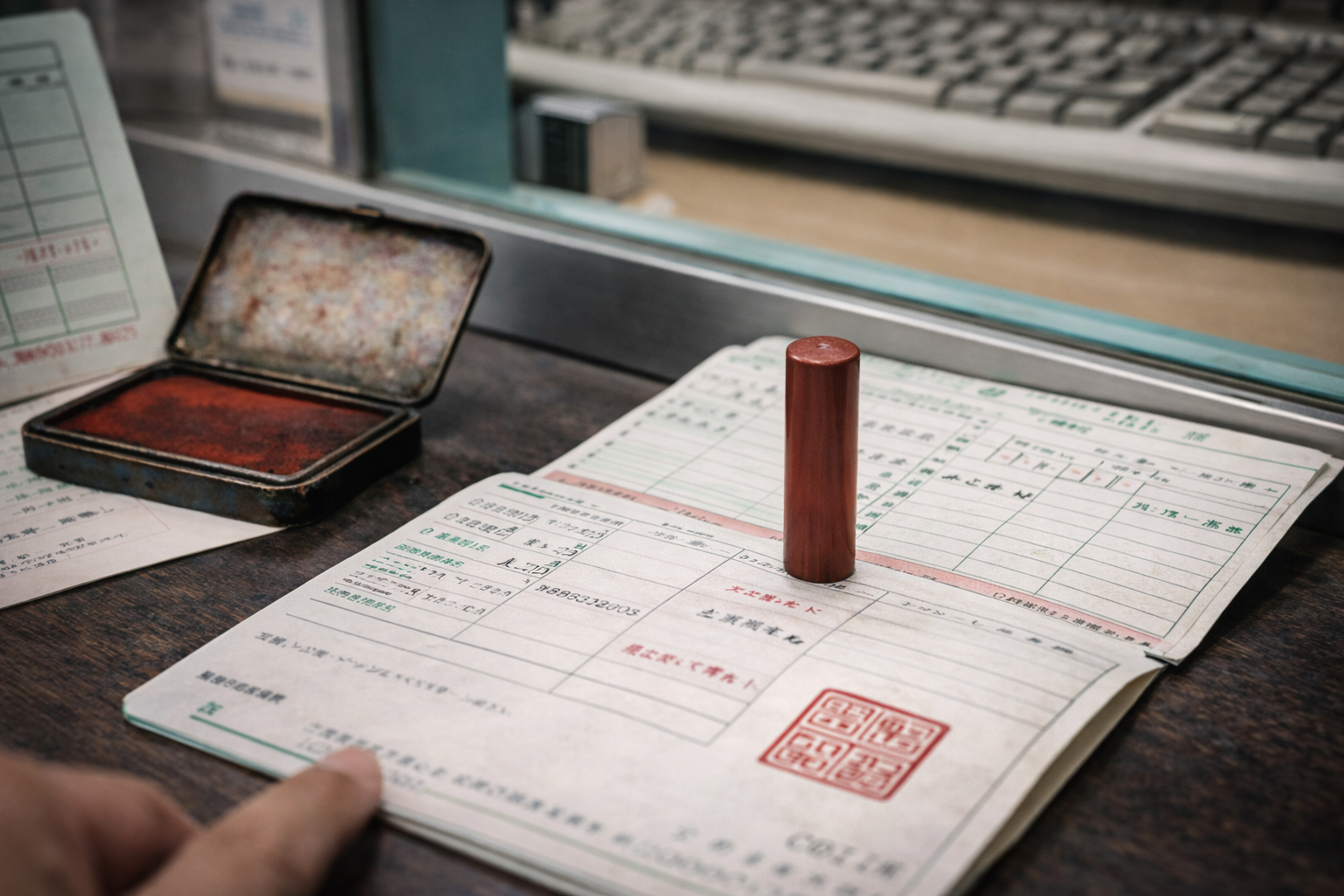
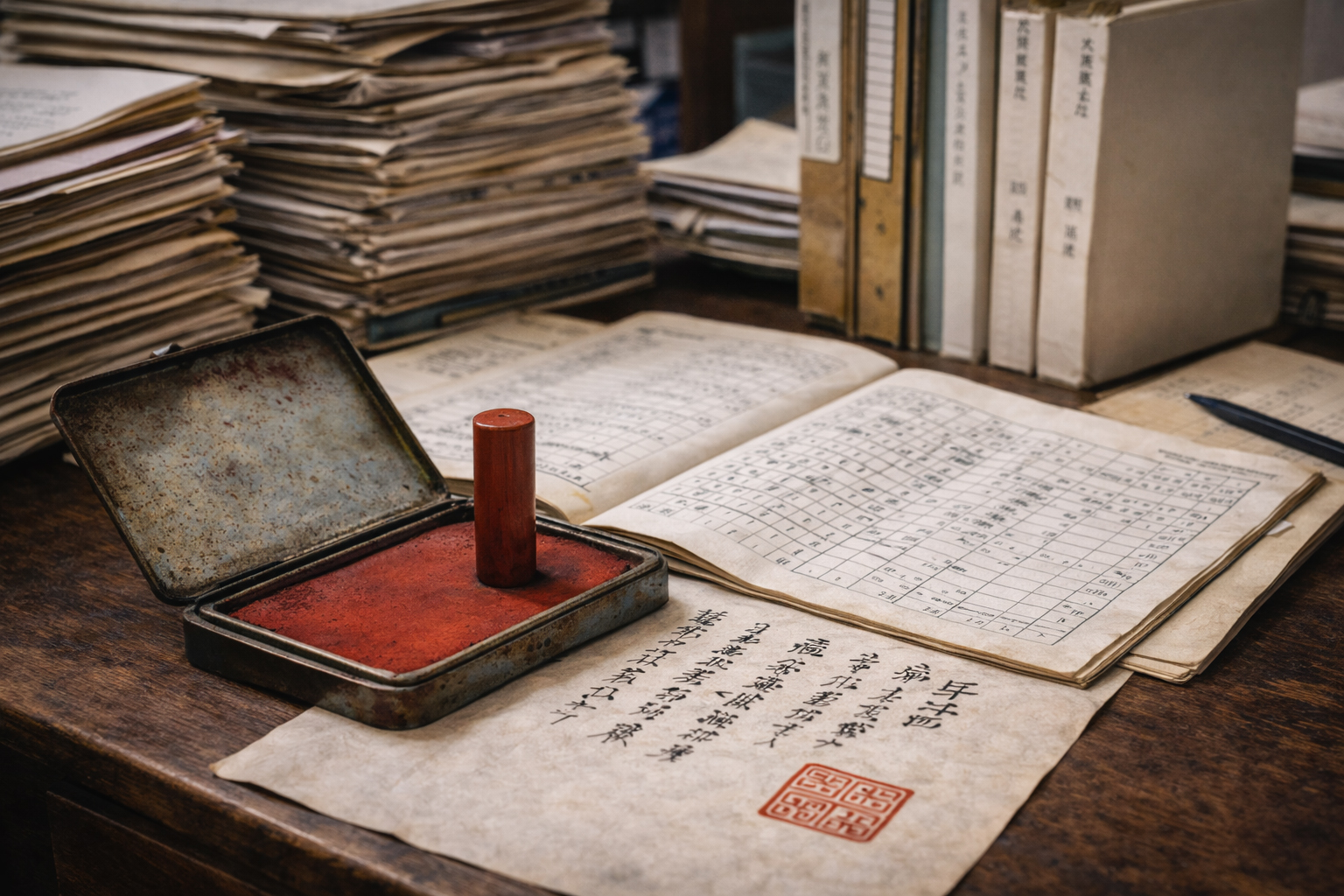
Showa-era office paperwork with hanko

The hanko inside the paperwork state

Postwar administration and company life ran on paper. Applications, receipts, circulation sheets, approvals, records, and confirmations moved every day. The hanko was well suited to this world because it could visibly mark a threshold: checked, approved, received, or confirmed.

With a seal, a document could move to its next stage. That clarity made the hanko highly compatible with postwar institutional life.
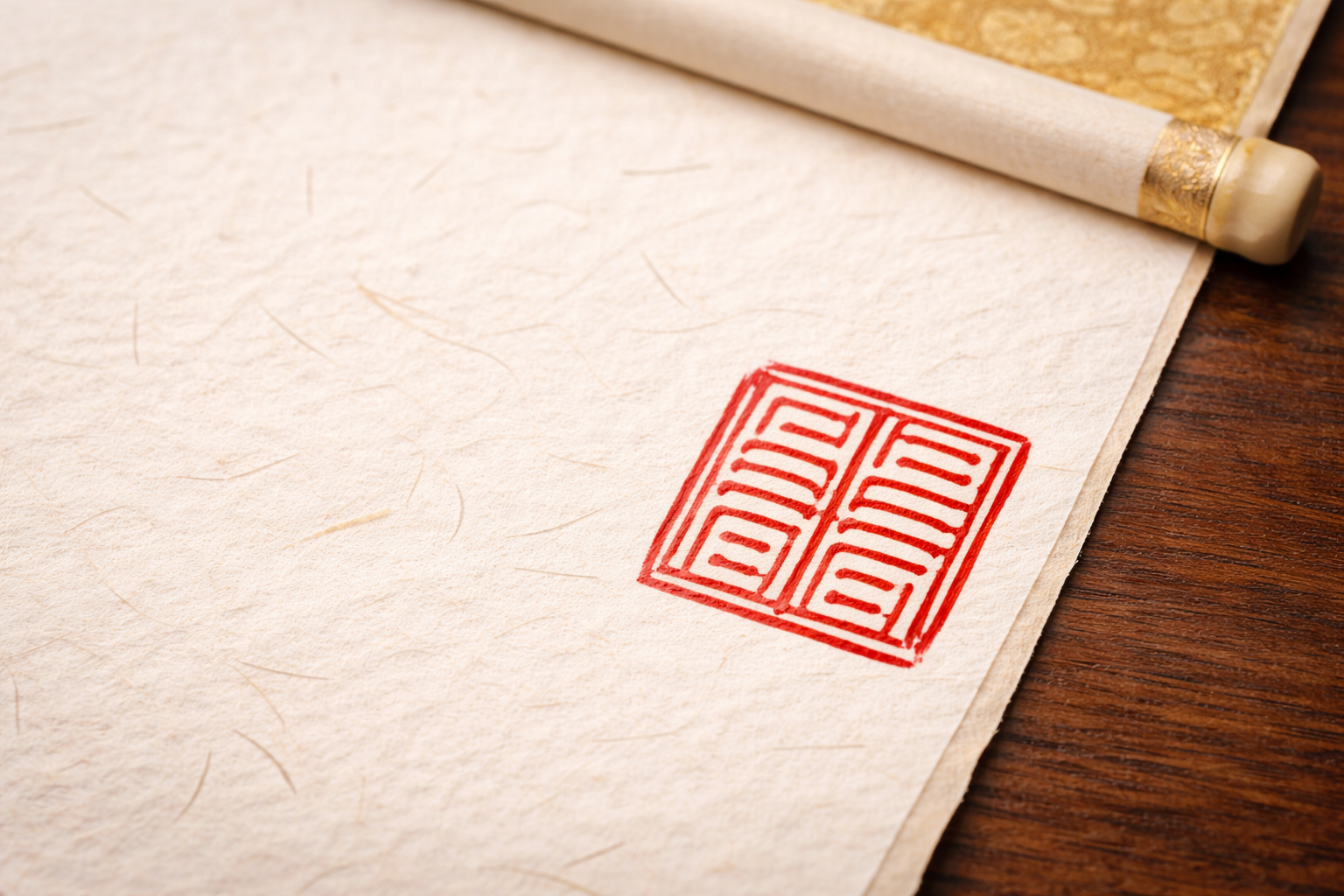
Seal impression on a document

A sign of completion

The strength of postwar hanko culture was never just identity. The seal also marked the feeling that something had been properly handled, reviewed, or brought to a formal close.

In that sense, the hanko was a procedural signal as much as a personal one.

The hanko remained strong in postwar Japan not simply because it was traditional, but because it was well suited to moving large amounts of paperwork in a form everyone could read quickly.
— hanko.co.jp historical note

Company culture taught people to “stamp” their place in a process

Postwar corporate organization helped make the act of stamping part of ordinary Japanese working life.

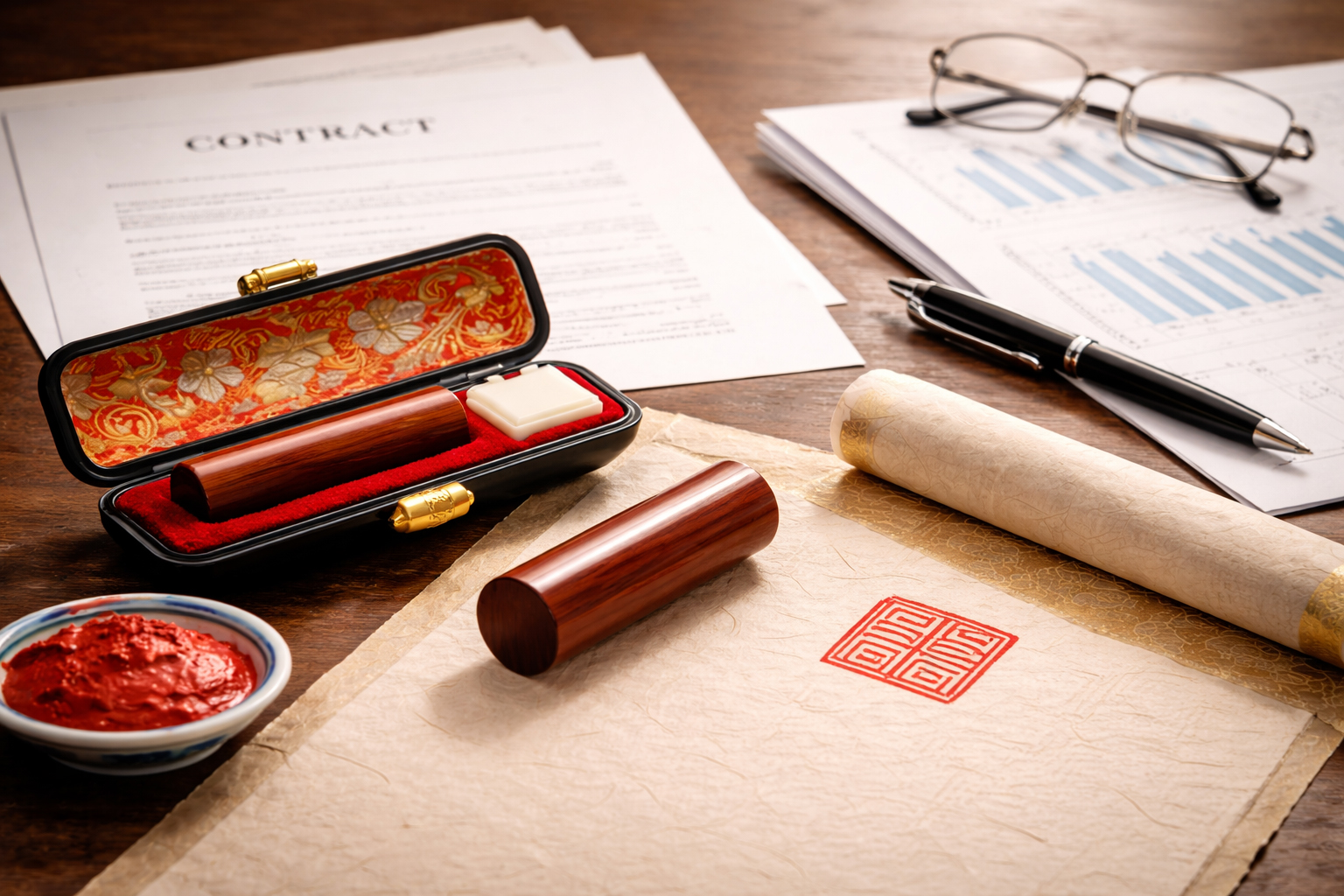
Traditional hanko beside modern paperwork

Approval chains and circulation

In company life, documents rarely ended with a single person. They circulated through departments, supervisors, and internal approvals. In this flow, the hanko helped make the state of the document visible.

It showed who had seen it, where it had gone, and where responsibility had attached itself.

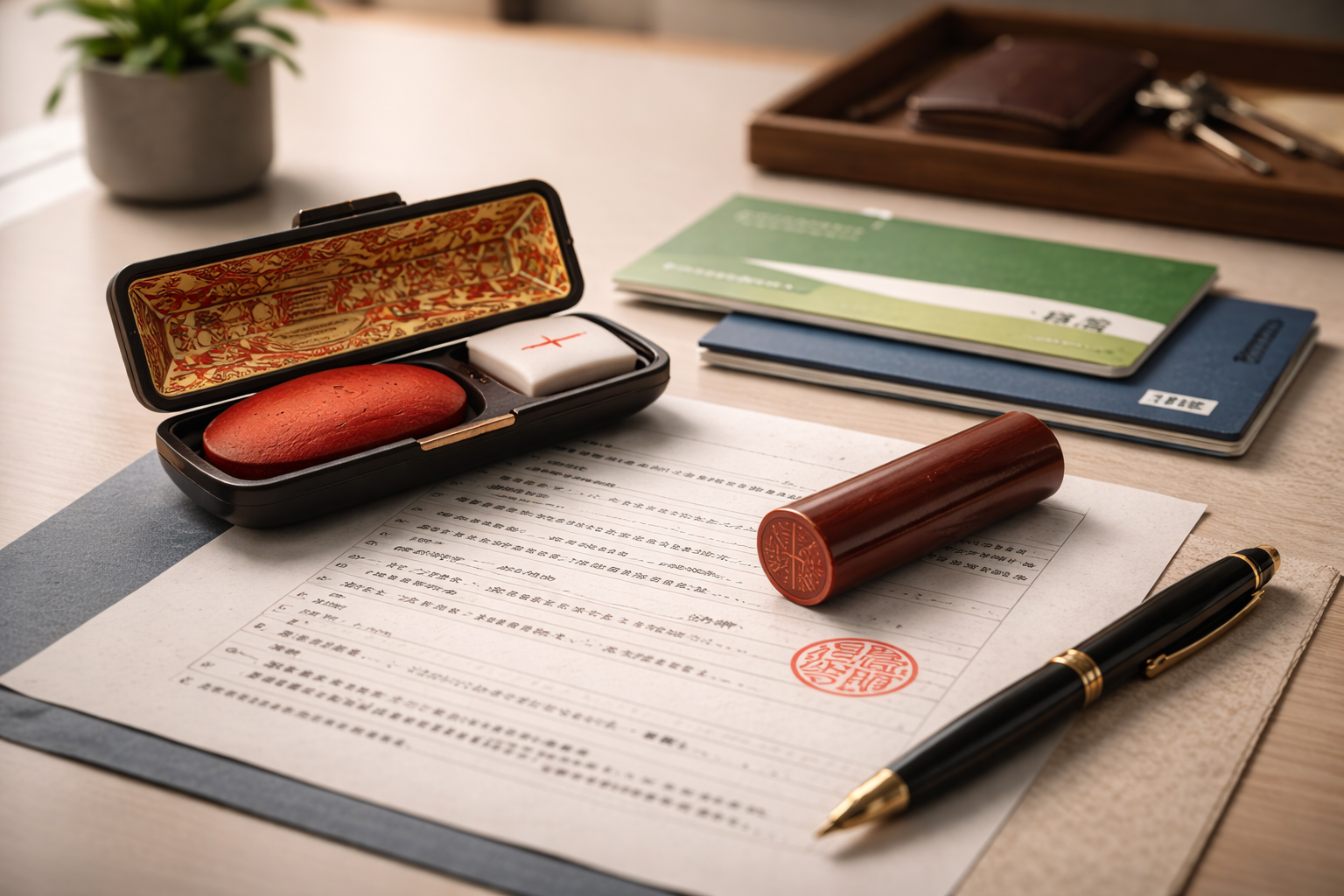
Modern desk with hanko and papers

Form gave reassurance

Postwar Japanese offices valued order, correct process, and the feeling that documents had been handled properly. The hanko fit this sensibility extremely well.

A stamped paper did not merely contain information. It also conveyed that the information had passed through the right hands in the right sequence.

The postwar hanko marked the rhythm of organized life

Offices, banks, city halls, schools, homes: the seal became a small but familiar checkpoint of confirmation and reassurance.

Banks and households made the hanko even more ordinary

Company life mattered, but the postwar hanko was also strengthened by household and financial routine.

Bank-related seal scene in Japan

The bank seal as a familiar institution

Deposits, withdrawals, notifications, account procedures: banking was one of the places where personal life met formal system. The bank seal became one of the most familiar institutional uses of the hanko in everyday Japan.

For many households, the seal was no longer something remote. It was part of how life itself was managed.

Family desk with seal and papers

Formality in the home

Employment, marriage, moving, insurance, school documents, housing. The milestones of postwar life generated paperwork, and the hanko regularly came out of the home to meet those moments.

That is one reason the hanko became such an ordinary necessity in Showa-era domestic life.

High economic growth did not simply weaken the hanko

It is too simple to say modernization naturally reduced seal culture. In postwar Japan, modernization often strengthened it.

Why the hanko remained strong

  • It worked well in large volumes of paperwork
  • It made approval and confirmation instantly visible
  • It matched company process culture
  • It became embedded in banking and administration
  • It entered ordinary household routine

What followed

  • The hanko became a symbol of Showa-era practical life
  • It settled deeply into corporate culture
  • It became part of household formality
  • It bridged daily life and formal system

By the late postwar era, a new question appeared: digital trust

From the late twentieth century onward, trust had to be expressed not only on paper, but also in electronic records.

Postwar hanko culture remained extremely strong, but that did not mean it would continue in exactly the same form forever. As society digitized, new forms such as signatures, electronic signatures, and digital certification gradually entered the picture.

Even so, for decades after the war, the hanko sat at the center of what formal completion, confirmation, and responsibility felt like in Japan. That memory remains powerful.

Related pages

This page connects to the earlier spread of seals, the broader history of trust, and the modern registered-seal system.