Type Guide

What Is Rakkan?

Rakkan is the form placed at the end of a work to show authorship and completion. In calligraphy, painting, ink art, and related traditions, it does more than state a name. It also helps shape the final balance, mood, and closure of the piece. That is why rakkan is not merely a stamp. It is one of the last decisive gestures that finishes a work as a work.

hanko.co.jp Types / Basic Guide Reading time 7–10 minutes

The word rakkan is widely known in calligraphy and painting, but it can feel unfamiliar at first. Put simply, it refers to the signature-and-seal form added at the end of a work, or more broadly to that artistic practice.

But rakkan is more than name display. It gives the work authorship, and it also helps visually complete the piece. For that reason, rakkan belongs to a very different world than practical everyday seals.

The basic meaning of rakkan

Start with the clearest question: what does rakkan actually do?

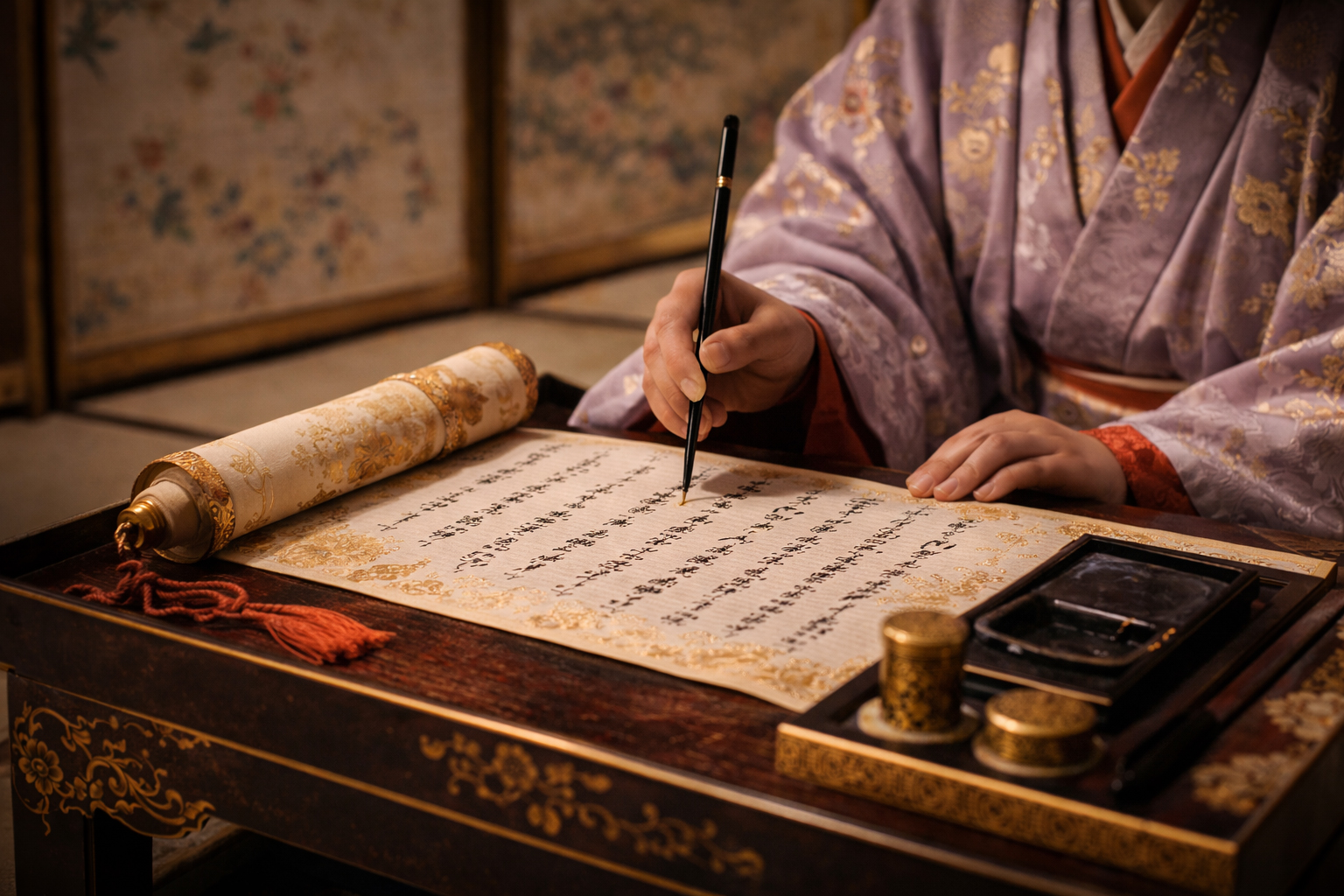
Calligraphy and rakkan planning image

It shows the maker

At the most basic level, rakkan identifies who made the work. In calligraphy or painting, the maker adds a name, art name, or signature form, often together with one or more seals.

In this sense, rakkan is a quiet declaration: this work is mine.
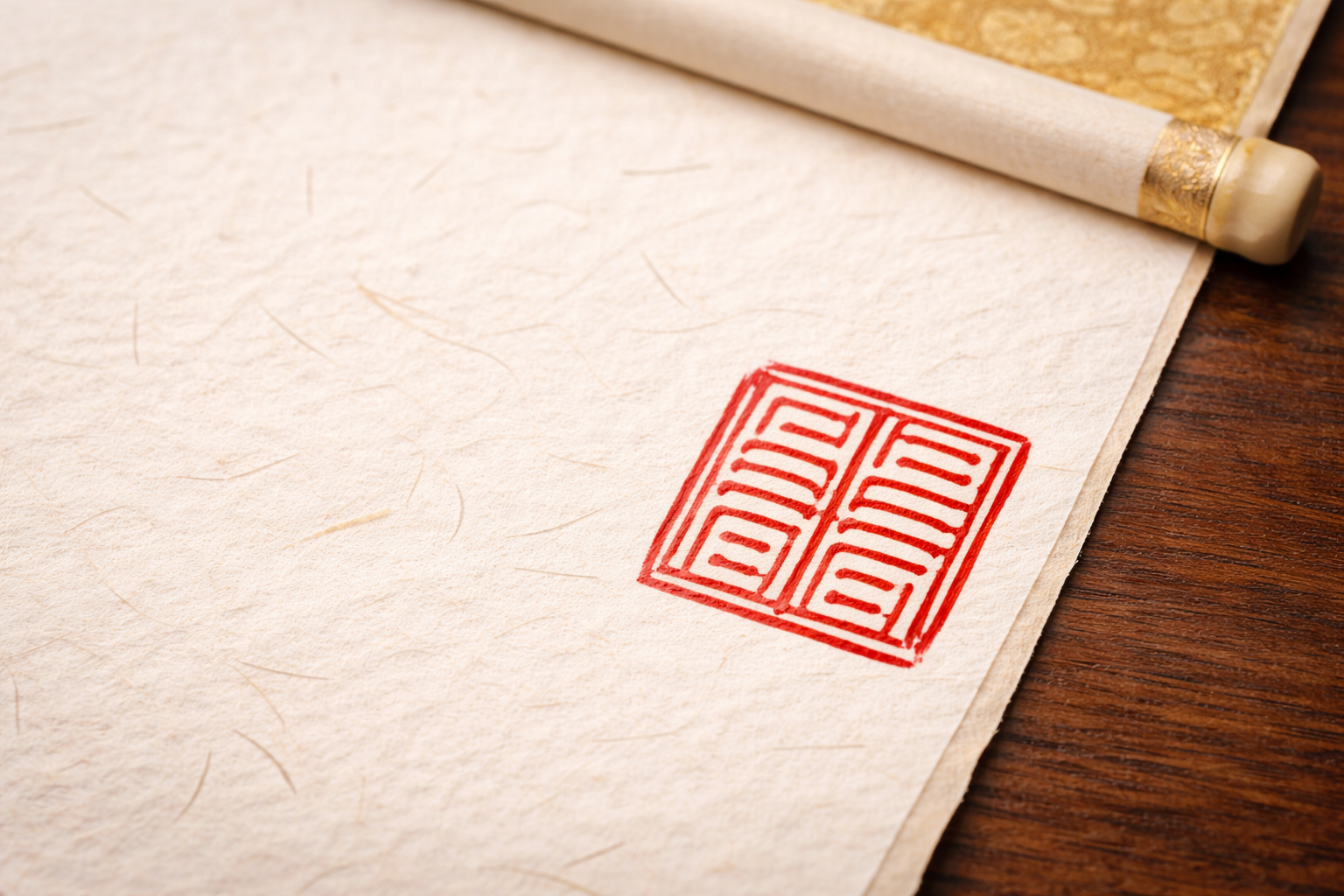
Stamped edge of a scroll

It closes the work

Rakka also signals that the work has reached its end. It marks where the maker’s hand comes to rest and where the piece becomes complete.

That is why rakkan is not just identification. It is part of the final structure of the work.

Rakka is the form through which a work receives both authorship and completion.
— hanko.co.jp type note

How is rakkan different from a signature?

Rakkan is related to signature, but it is more than signature alone.

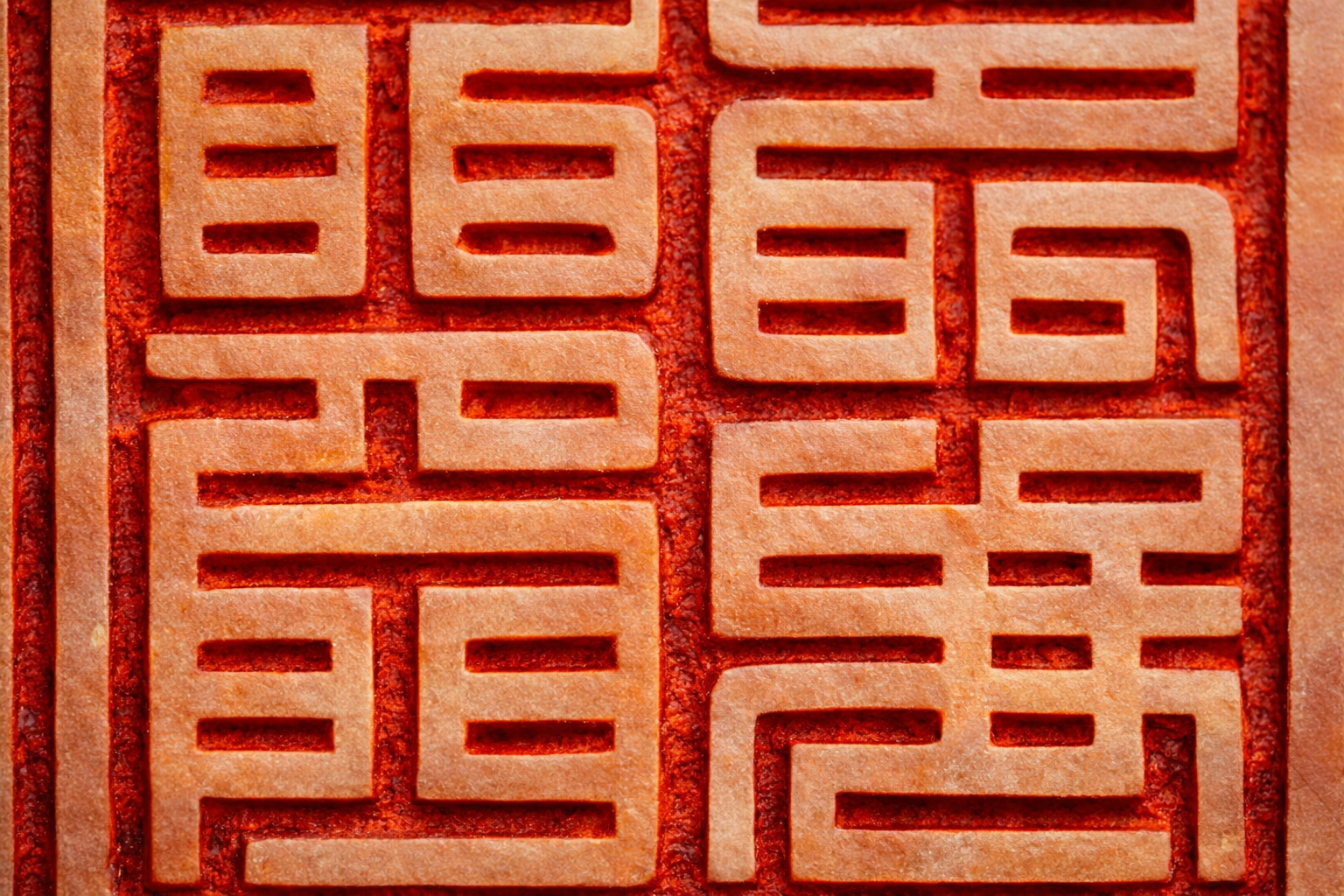
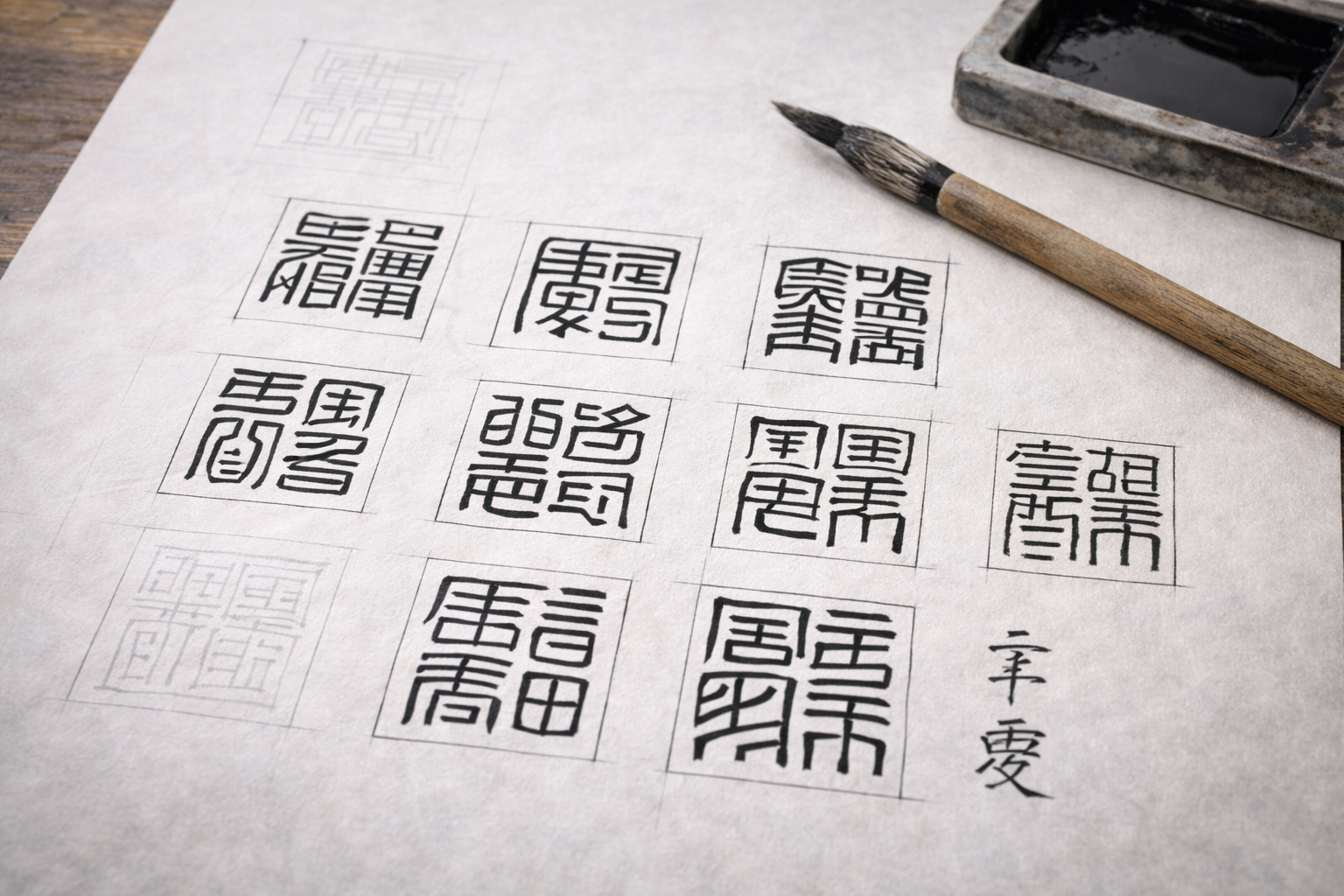
Close-up of seal script geometry

It is more visual than a signature

A signature mainly records a name. Rakka has a visual role inside the composition. A red seal impression can create weight in the margin, tension in the balance, and a final rhythm across the work.

In that sense, rakkan is not only read. It is also seen.

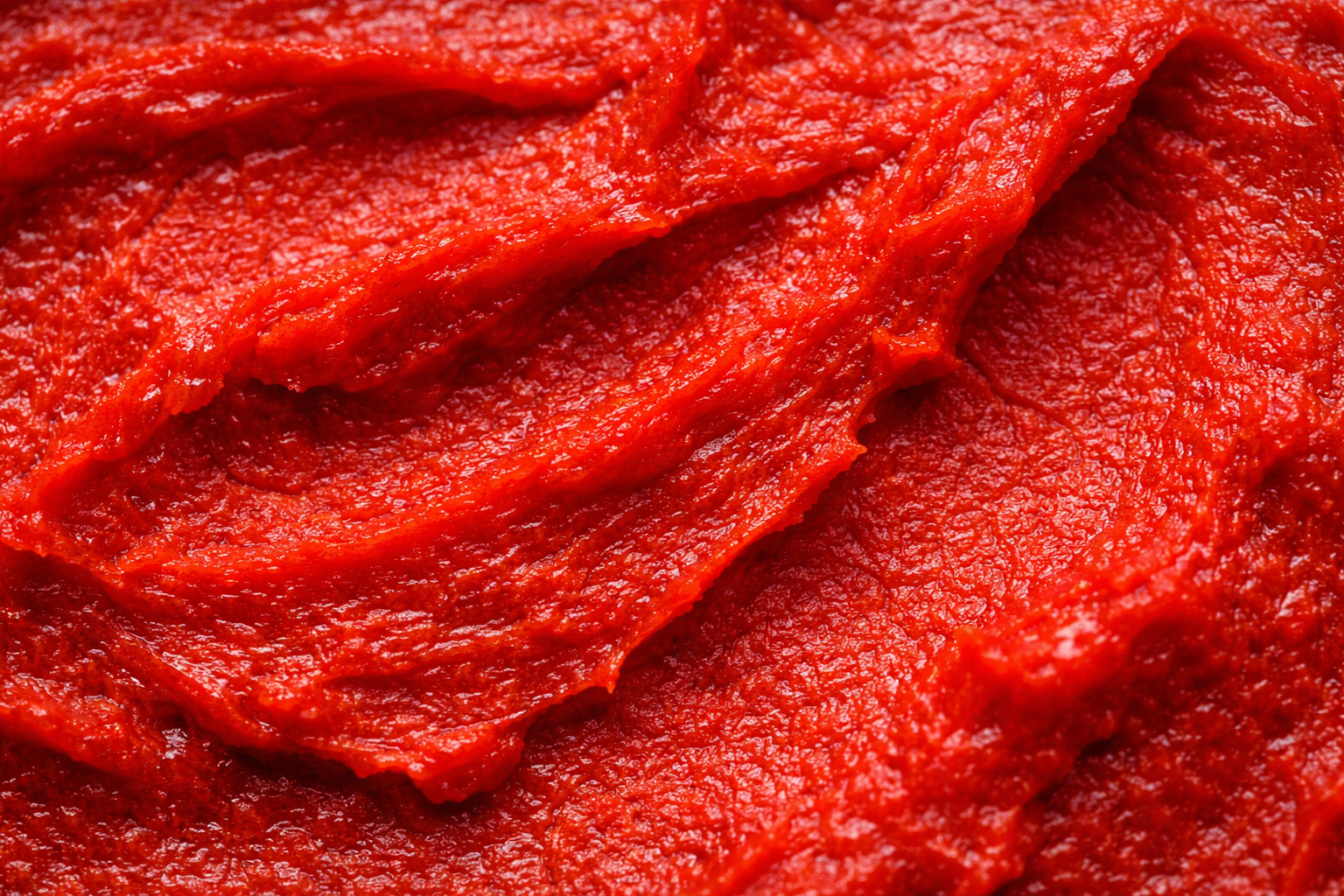
Close-up of vermilion seal paste

Color and form matter as much as meaning

In rakkan, the wording alone is not enough. The red color, seal size, placement, and relation to the surrounding blank space all matter.

This is one of the main reasons rakkan differs from ordinary practical signing or stamping.

If a signature tells you the maker, rakkan helps complete the work

It is both an act of naming and an act of final visual balance.

What kinds of seals appear in rakkan?

Rakkan does not rely on only one type of seal.

Name seals

  • Use the maker’s actual name
  • Closer to direct authorship marking
  • Can feel relatively clear and straightforward

Artist seals / studio seals

  • Use an art name, studio name, or chosen artistic identity
  • Emphasize the artistic self rather than legal identity
  • Often carry stronger expressive atmosphere

White-character seals

  • Characters appear white against red ground
  • Can feel sharp, quiet, and restrained
  • Often tighten the composition

Red-character seals

  • Characters appear red
  • Can feel softer or more expansive
  • Often read as stronger visual blocks in the composition

Why is rakkan so important?

Anyone used to looking at works of calligraphy or painting knows how much the presence or absence of rakkan changes the whole impression.

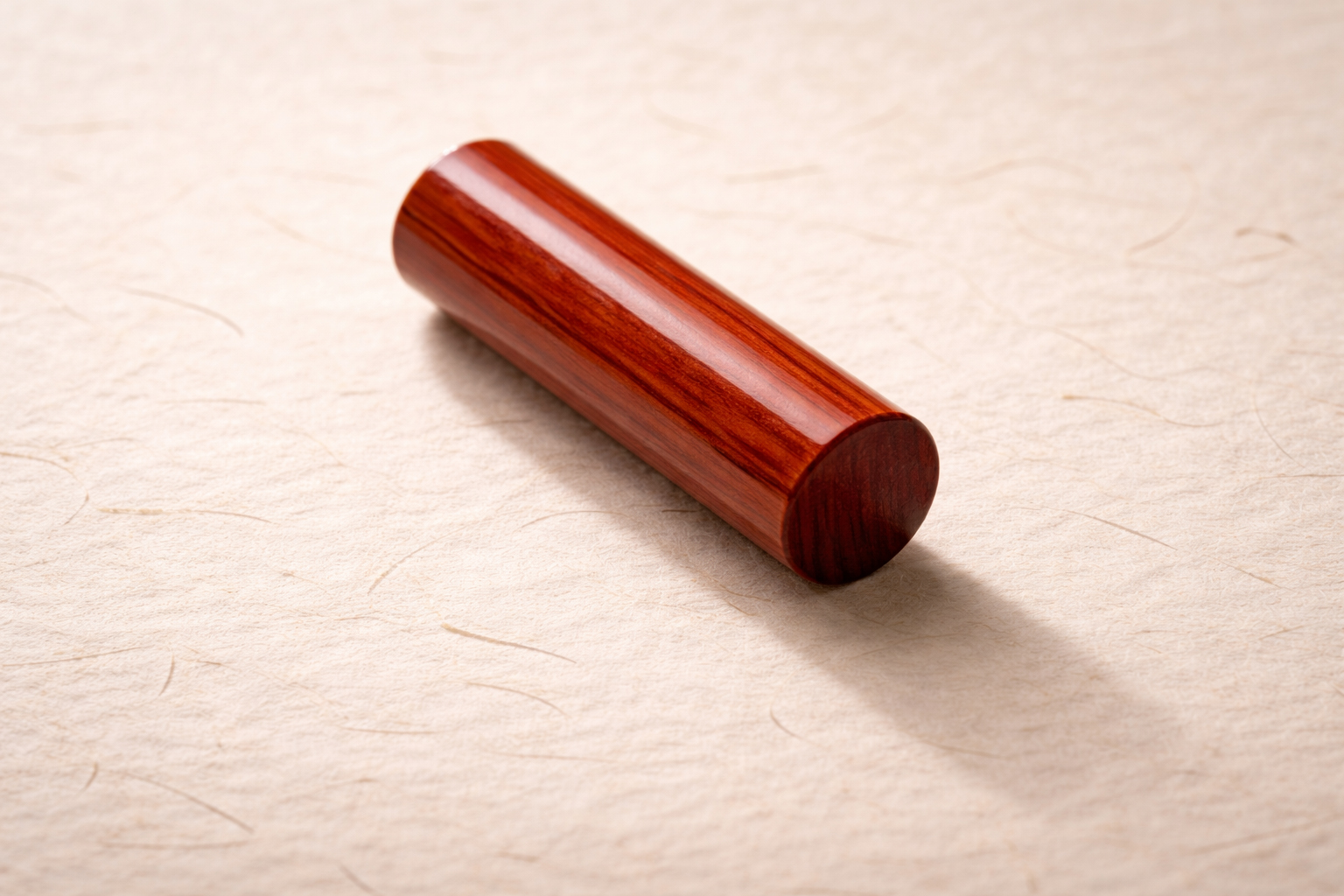
Seal casting shadow on paper

It activates the blank space

In calligraphy and painting, blank space is not empty. Once rakkan enters the work, that space begins to carry clearer meaning and structure.

Rakka can therefore be understood as one of the last marks that gives life to the margin.

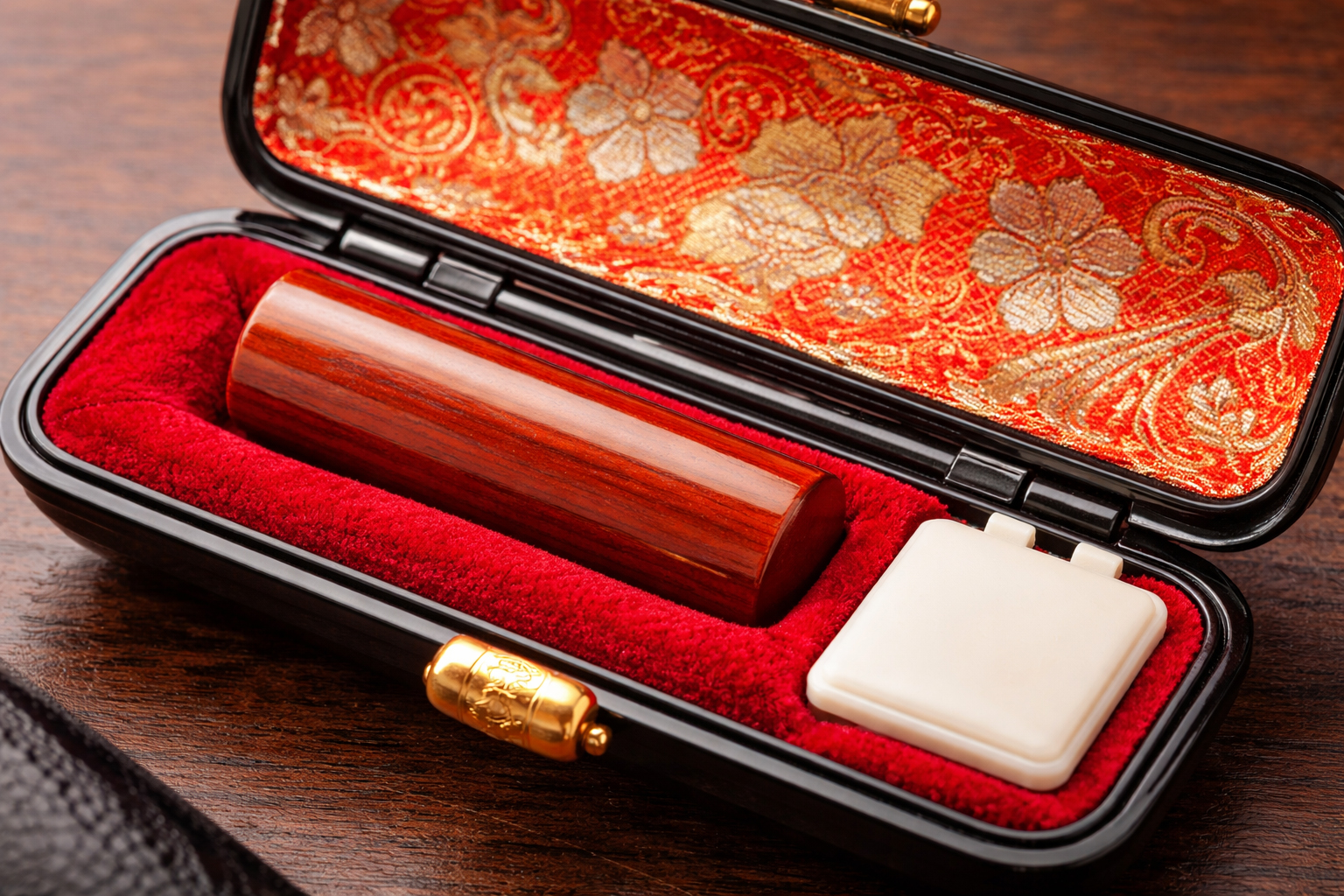
Carefully handled seal case detail

It leaves the maker’s presence behind

Once rakkan is added, the work no longer feels like a beautiful but anonymous object. It feels like something shaped and claimed by a specific maker.

The work shifts from anonymous form to authored form.

Rakka may look small in the corner, but it is often one of the largest factors in how the whole work comes to an end.
— hanko.co.jp work note

What is the relation between rakkan and artist seals?

The two are closely related, but they are not identical words.

Rakka usually refers to the broader form or act of adding signature and seal at the end of a work. An artist seal is one of the seal types that may be used inside that broader rakkan form.

So rakkan is the larger concept, while artist seals or studio seals are one set of tools within it.

If you use rakkan today

Choosing a rakkan seal with the logic of a practical office stamp usually leads to the wrong result.

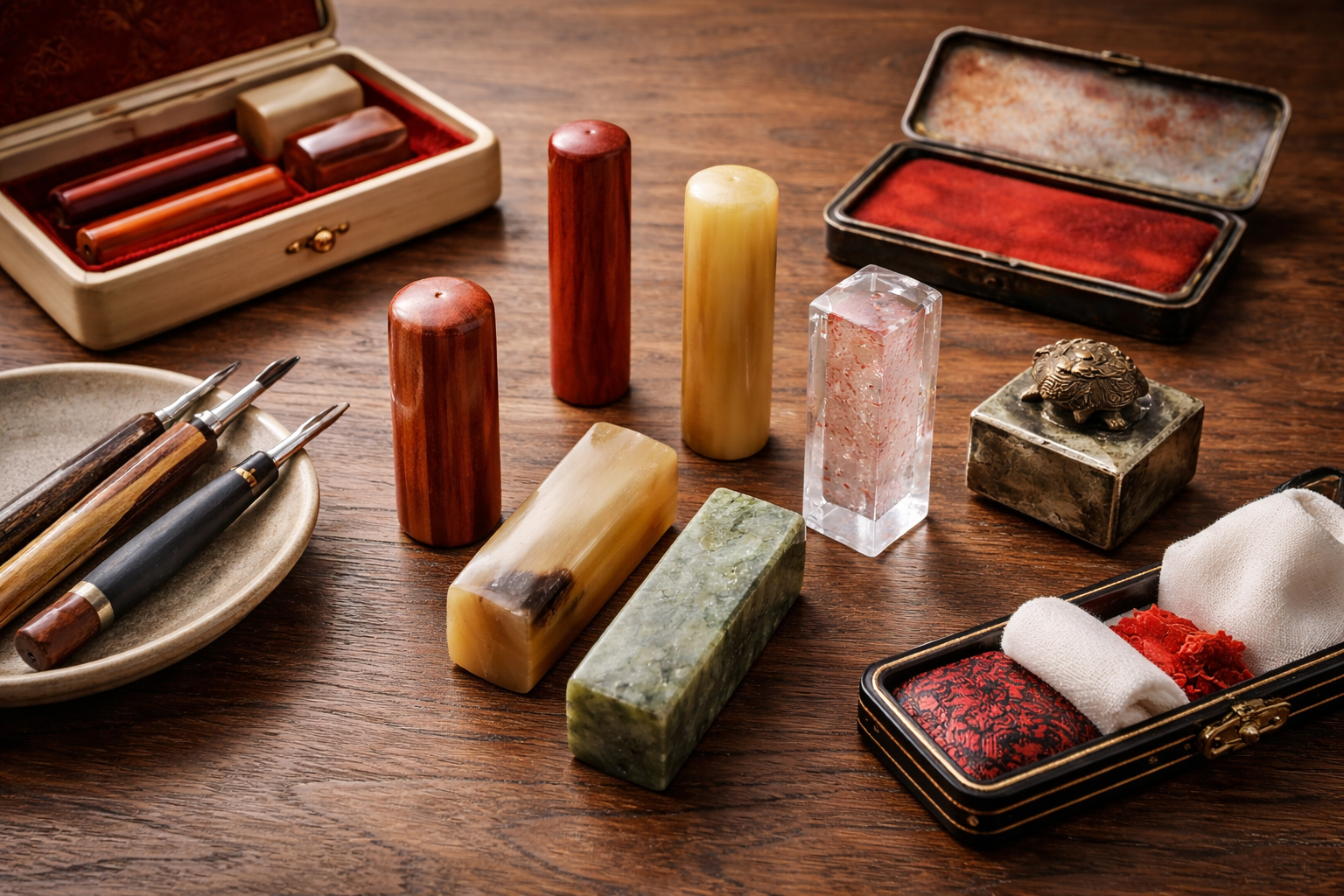
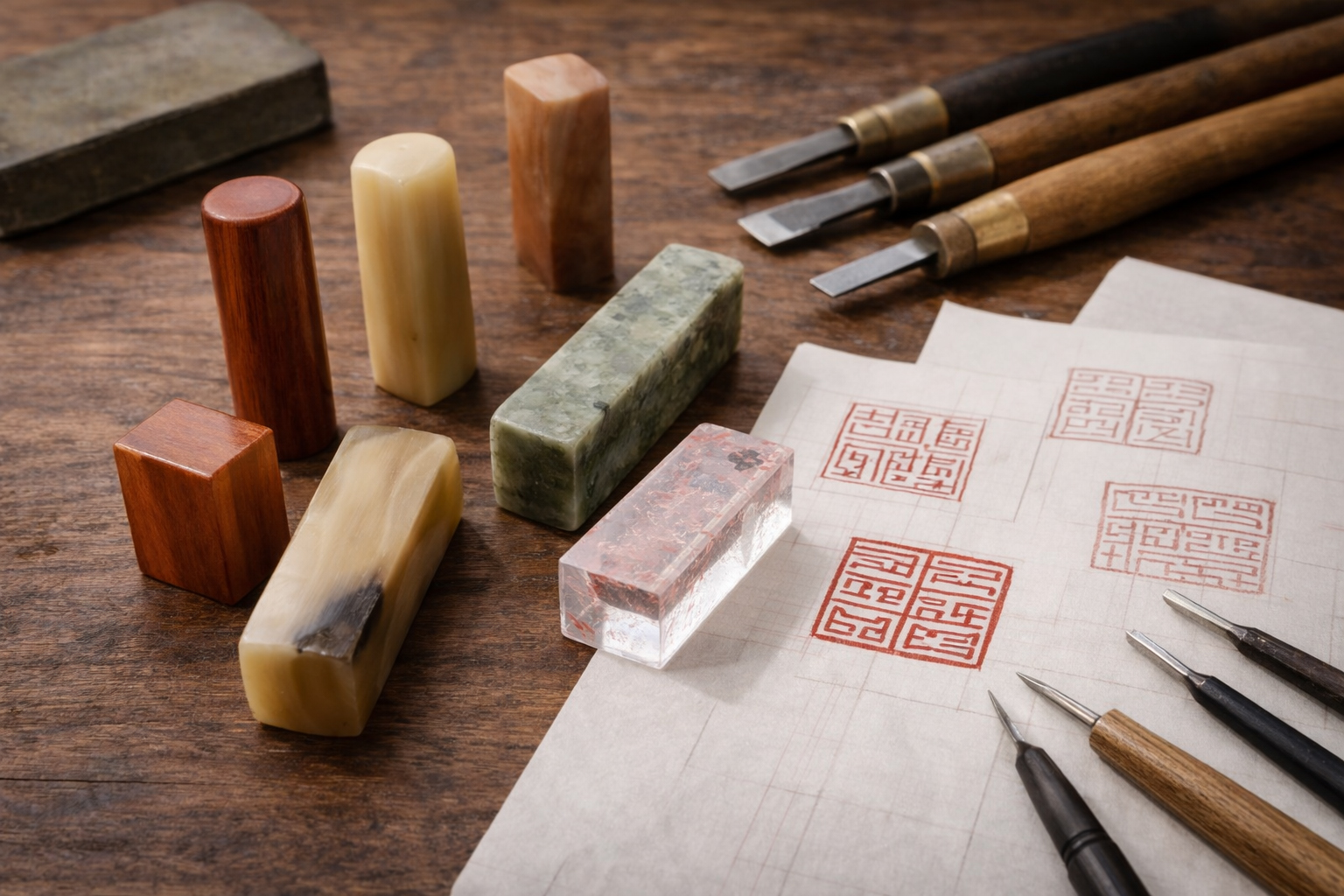
Seal materials and tools

Think about harmony with the work

A rakkan seal is not successful merely because the name is readable. You also need to think about the work’s size, line strength, blank space, and surface texture.

The central question is not only what the seal says, but how it will look once stamped into the work.

Uncarved seal blanks and tools

You may choose an artistic name

In rakkan practice, you are not limited to your legal name. A studio name, pen name, or artistic identity may suit the work better.

This is one of the freedoms that separates rakkan from ordinary practical seals.

Conclusion

Rakkan is not merely a seal for putting a name on a work.

Rakka shows authorship, closes the work, activates the blank space, and helps complete the composition.

That is why rakkan seals are chosen and used according to a different logic from practical seals. They are not everyday confirmation stamps. They are the seals through which a work says: it ends here. Once you understand that, the expressive depth of Japanese seal culture becomes much easier to see.

Related pages

These pages go well with this guide.