Type Guide

Name Seals and Artist Seals

Some seals are used to show a person’s name in everyday practice. Others are used in calligraphy, painting, carving, and creative work. At first glance, both may seem like “name seals,” but they do not function in the same way. A name seal is mainly a practical mark of identification or acknowledgment. An artist seal or rakkan seal helps complete a work as a work.

hanko.co.jp Types / Basic Guide Reading time 7–10 minutes

In Japanese usage, people sometimes speak loosely of any seal with a name as a “name seal.” But everyday personal name seals are not the same thing as the seals used in calligraphy, painting, seal carving, or artistic presentation.

The first type leans toward confirmation, identification, and practical use. The second leans toward authorship, aesthetic completion, and the visual life of the work itself. In other words, one belongs mainly to function, the other to expression.

What is a name seal?

Start with the most practical form: the seal that primarily shows a name.

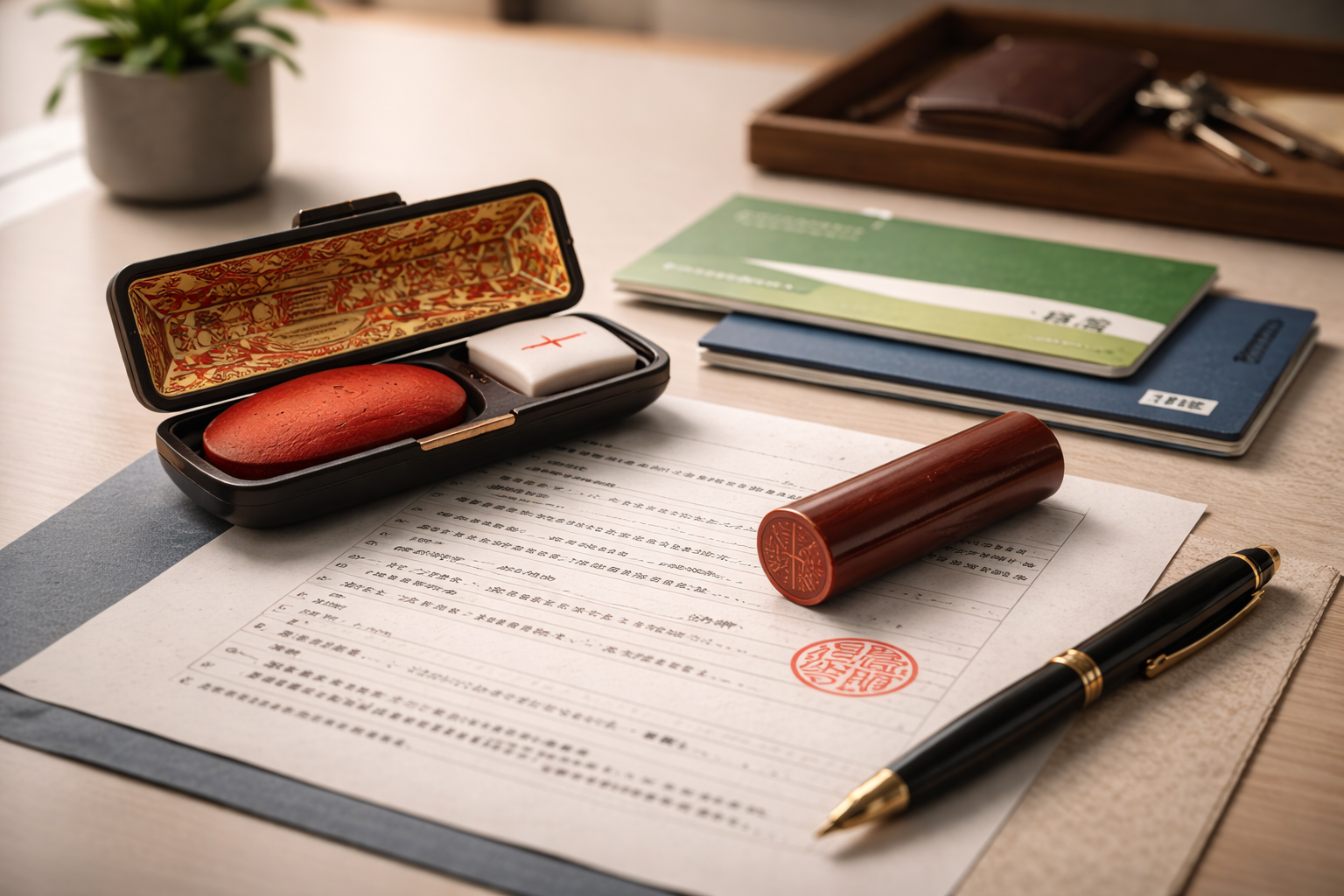
Everyday desk with practical name seal

A practical seal tied to a name

A name seal is usually made from a personal name and used in everyday or semi-formal settings: simple paperwork, receipt, ownership marking, casual acknowledgment, and similar situations.

The meaning is close to “this belongs to this person” or “this person has acknowledged this.”
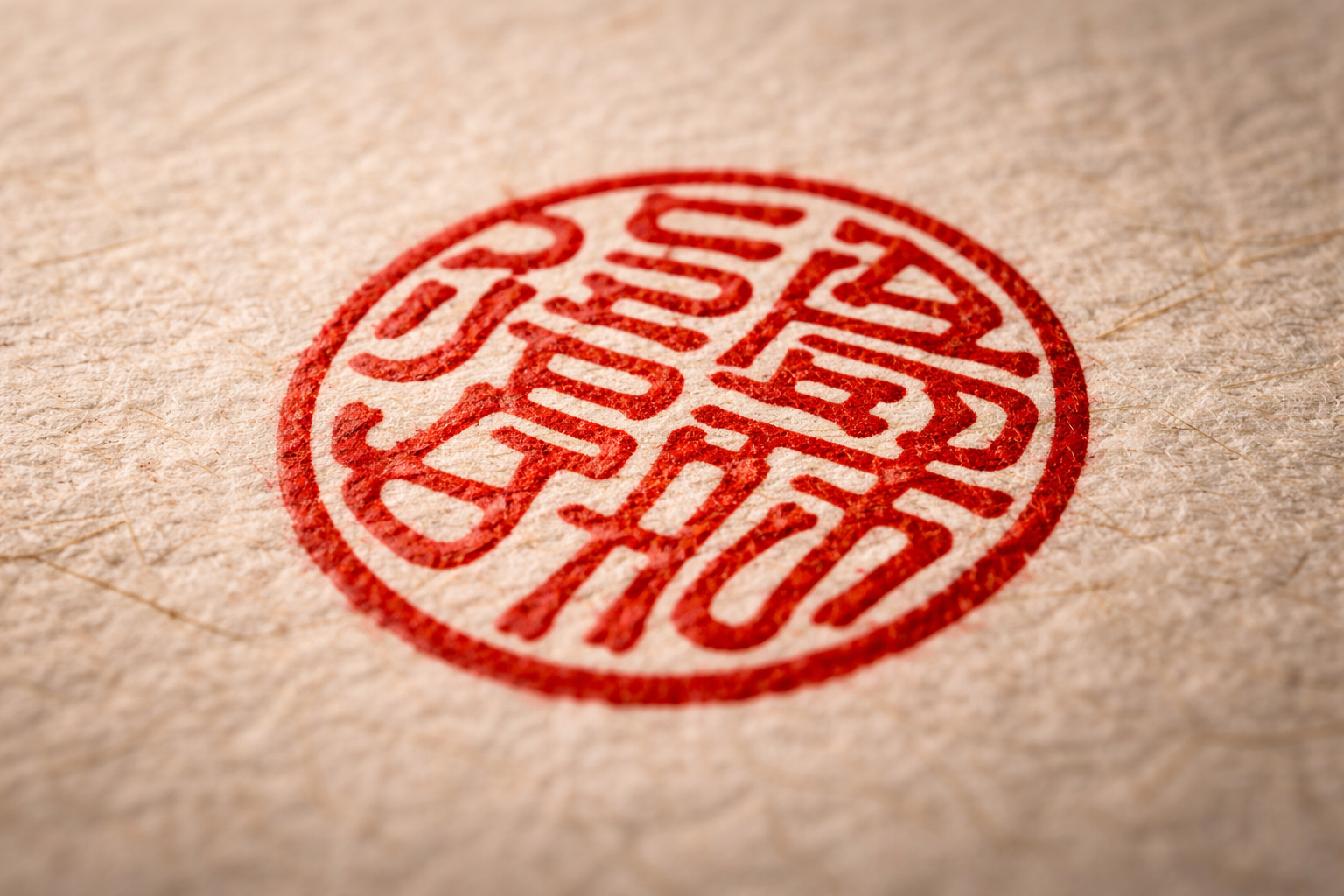
Close-up of a practical seal impression

The name itself is foregrounded

In a practical name seal, the surname, given name, or both are often carved relatively directly, and the main priority is clarity of identification rather than artistic mood.

A name seal therefore tends to emphasize recognizability over artistic atmosphere.

A name seal is a practical seal tied clearly to a person’s name.
— hanko.co.jp type note

What is an artist seal or rakkan seal?

Artist seals belong more to the world of works than to the world of everyday confirmation.

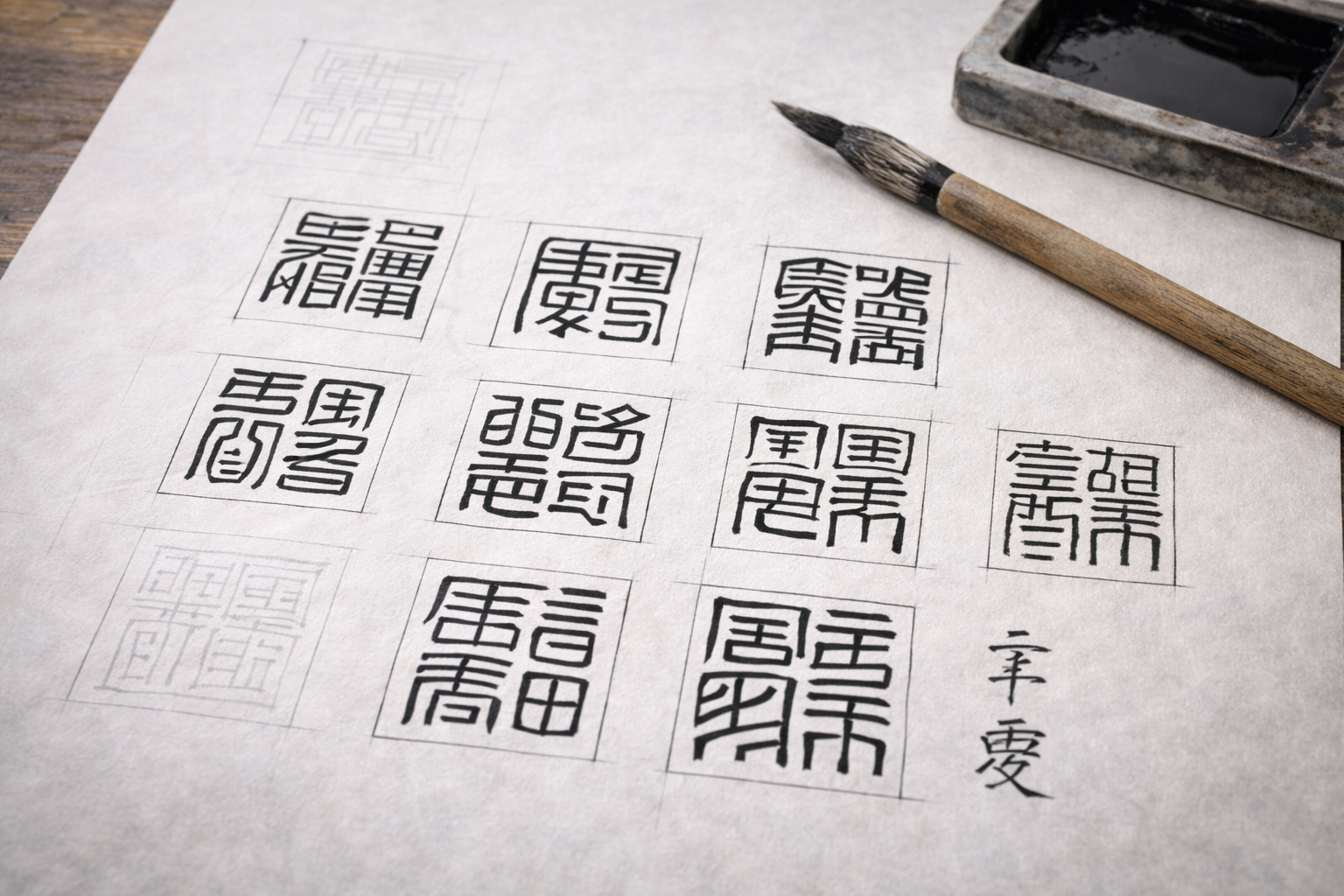
Calligraphy and seal planning sheet

A seal that completes a work

Artist seals and rakkan seals are commonly used in calligraphy, painting, ink art, seal carving, and other creative work. They do more than identify the maker.

They also help create formal completion inside the image, surface, or composition itself. The seal impression becomes part of the work.

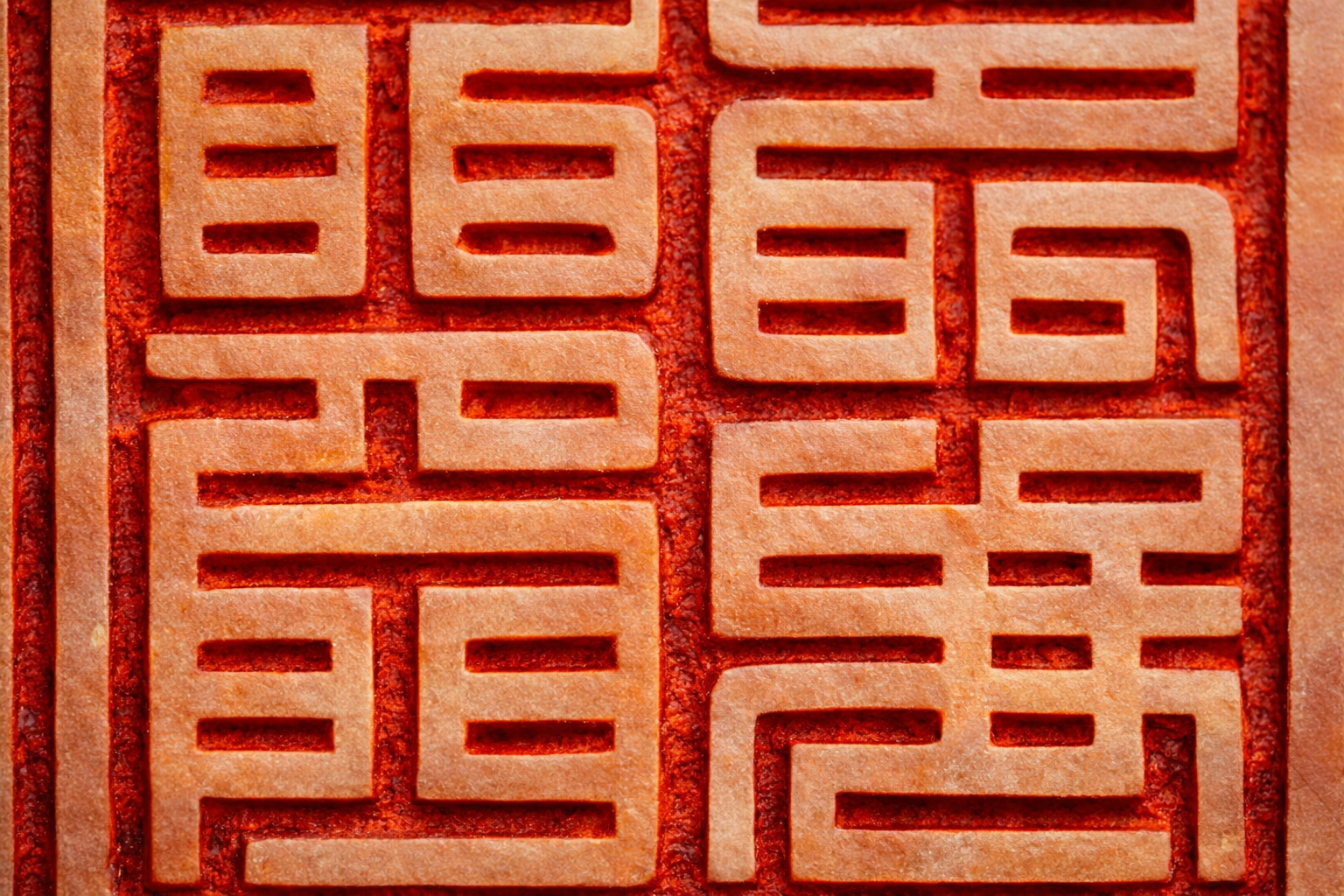
Close-up of seal script geometry

Not always the everyday personal name

Artist seals often use not only a legal name, but also a studio name, art name, literary name, or other chosen identity. This means the seal may represent the artistic self rather than the ordinary social self.

In that sense, the seal leans toward authorship and aesthetic identity more than simple confirmation.

A name seal tells you who. A rakkan seal helps complete the work.

Even when both relate to names, the meaning of the stamped moment is not the same.

The biggest difference

The clearest distinction appears when you compare the center of meaning.

Name seals

  • Centered on practical use
  • Prioritize clear identification
  • Often use the everyday personal name directly
  • Suitable for receipt, confirmation, marking, and light paperwork
  • The meaning is mainly “this person is connected to this”

Artist seals / rakkan seals

  • Centered on authorship and expression
  • Show artistic identity and aesthetic intention
  • May use studio names, art names, or pen names
  • Suitable for calligraphy, painting, print, carving, and creative work
  • The meaning is mainly “this completes the work as a work”

Is a rakkan seal just a substitute for a signature?

Yes and no. It overlaps with signature, but it is usually more than that.

A rakkan seal certainly helps identify the maker, which makes it signature-like. But it also plays a visual role inside the composition: balancing space, adding weight, and creating formal closure.

That means a rakkan seal is not only a mark of authorship. It can also signal the moment the maker closes the work. This is one of the major ways it differs from a practical name seal.

How do they differ historically?

These two kinds of seals also belong to somewhat different historical streams.

Practical seal in everyday setting

Name seals grow in everyday society

Practical name seals expand through personal acknowledgment, receipt, ownership marking, household use, and later modern systems of individual formality.

Their strongest development lies in the social and documentary world of ordinary life.

Artistic seal planning and calligraphy

Artist seals grow in creative culture

Artist seals and rakkan seals develop through calligraphy, painting, literati culture, and seal-carving traditions. In Japan, especially from the Muromachi period onward, they become deeply rooted in artistic practice.

Their strongest development lies in the world of cultural expression rather than routine documentation.

Name seals grow in social practice, while artist seals grow in the culture of works.
— hanko.co.jp historical note

How should you choose today?

The best choice depends less on appearance than on purpose.

Close-up of vermilion paste

Choose a name seal for practical use

For simple receipt, identification, ownership marking, casual paperwork, or light acknowledgment, a practical name seal makes the most sense.

The main goal is clarity: whose seal is this?

Abstract close-up evoking artist seal design

Choose an artist seal for creative work

For calligraphy, painting, prints, carving, craft, or personal artistic production, an artist seal or rakkan seal is usually more appropriate.

The goal is not only identification, but harmony with the work, the seal impression, and the surrounding space.

Conclusion

Both kinds of seals may involve a name, but their center of meaning is different.

A name seal belongs mainly to practice and confirmation. An artist seal or rakkan seal belongs mainly to authorship, artistic identity, and completion.

Once that distinction becomes clear, the seal appears not merely as a stamp, but as something that can serve both function and expression. That duality is one of the things that makes Japanese seal culture so rich.

Related pages

These pages pair well with this guide.